
To apply diaper cream properly and protect your baby’s delicate skin, you must clean the diaper area gently, dry it completely, and apply a thick, visible barrier layer before putting on a fresh diaper. In a tropical climate like the Philippines, where high humidity and heat can trap moisture inside a diaper, mastering this routine is essential for preventing painful chafing, redness, and severe diaper rash.
By understanding how to use barrier creams like Sodayfo diaper cream effectively, you can keep your little one comfortable and smiling throughout the day. Whether you are dealing with a mild flare-up or trying to prevent irritation before it starts, a systematic application method ensures that the skin remains shielded from moisture and friction.
Understanding Diaper Rash and the Role of Barrier Creams
Diaper rash, or diaper dermatitis, is one of the most common skin conditions affecting infants and toddlers. It typically develops when a baby’s highly sensitive skin is exposed to prolonged wetness, friction from diaper movement, and chemical irritants present in urine and stool. When these factors combine, they break down the skin’s natural protective outer layer, leaving it red, inflamed, and tender to the touch.
Products mentioned in this guide

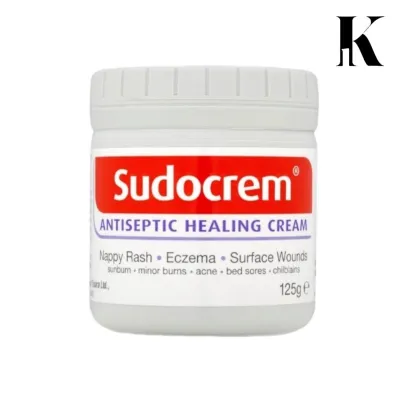

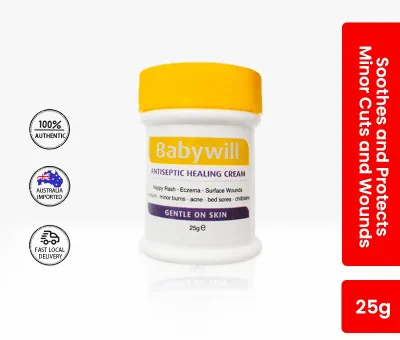
Prices are valid at publication and may change. Please refer to the product page for the latest price.
Barrier creams play a vital role in managing and preventing this discomfort by creating a physical shield over the skin. This protective layer prevents moisture, digestive enzymes, and acidic waste from directly contacting the vulnerable skin surface. Instead of absorbing into the skin, these irritants sit on top of the cream barrier, which can then be easily wiped away during the next diaper change.
When selecting a barrier product, it is important to check the product label for active barrier ingredients. Common effective ingredients include zinc oxide, which provides an excellent moisture-resistant seal, and petroleum jelly, which helps soothe and hydrate dry, irritated skin. Always review the manufacturer’s specific age, weight, and usage guidelines on the packaging to ensure the product is suitable for your baby’s current developmental stage.
The thickness of the cream layer you apply should match the current condition of your baby’s skin. For daily prevention, a moderate, even layer of Sodayfo cream is usually sufficient to maintain a healthy skin barrier. However, if you are treating an active, visible rash with redness and swelling, you will need a much thicker layer to isolate the raw skin from further irritation and allow it to heal.
What You Need Before Every Diaper Change
A smooth, stress-free diaper change relies on preparation and organization. Before you lay your baby down on the changing table or mat, you must gather all necessary supplies and place them within arm’s reach. This simple habit ensures that you never have to turn your back or walk away from your baby, which is a critical safety practice to prevent accidental rolls or falls.

To set up your changing station, prepare the following essential items:
- A fresh, clean diaper of the appropriate size and weight range.
- Gentle, fragrance-free, and alcohol-free baby wipes, or a bowl of warm water with clean cotton balls.
- A soft, clean dry towel or cloth for patting the skin dry.
- Your chosen barrier product, such as Sodayfo diaper cream.
- A small trash bin or diaper disposal bag.
Before starting the diaper change, wash your hands thoroughly with soap and warm water. Clean hands prevent the transfer of household bacteria or viruses to your baby’s sensitive diaper area, especially if the skin is already irritated or has tiny micro-tears from chafing.
Step-by-Step Guide to Applying Sodayfo Cream
Step 1: Clean the Area Gently
The first step in any diaper change is removing all traces of urine, stool, and sweat from your baby’s skin. To do this safely, always wipe gently from front to back, particularly for baby girls, to prevent the spread of fecal bacteria to the urinary tract.
Avoid aggressive rubbing or scrubbing, which can worsen inflammation and damage the skin’s delicate outer layer. Instead, use soft, patting motions with your wipes or cotton balls. If your baby has an active, painful rash, commercial wet wipes—even those labeled as sensitive—can sometimes cause a stinging sensation due to mild cleansing agents. In these situations, switching to warm water and a soft, clean cotton cloth is the gentlest way to clean the skin without causing further distress.
Step 2: Pat Dry Completely
Once the skin is clean, you must ensure that the entire diaper area is completely dry before applying any barrier product. Applying Sodayfo cream or any other ointment over damp skin is a common mistake that can actually worsen diaper rash. Because barrier creams are designed to lock moisture out, applying them to wet skin will trap that moisture against your baby’s body, creating an ideal breeding ground for yeast and bacteria.
Use a soft, clean towel to gently pat the skin dry, paying close attention to the deep skin folds around the thighs and groin. Alternatively, you can let your baby enjoy a few minutes of diaper-free air time. This air-drying step is especially crucial in the humid, tropical climate of the Philippines, where high ambient moisture can make it difficult for the skin to dry naturally.
Step 3: Apply the Cream Generously
With the skin clean and dry, you can now apply the Sodayfo diaper cream. Squeeze a generous amount of cream onto your clean fingertips and spread it over all areas of the skin that come into direct contact with the diaper, including the buttocks, perineum, and lower abdomen.
For daily prevention, apply a moderate, even layer that covers the skin like a protective film. If you are treating an active, inflamed rash, you must apply the cream much more thickly. Pediatricians often recommend applying the cream like frosting on a cake—thick enough that you can no longer see the pink skin underneath. Do not try to rub the cream completely into the skin; it is meant to sit on top as a physical shield. Be sure to apply the cream gently into the groin folds, creases, and thigh rolls where moisture, friction, and sweat tend to pool.
Step 4: Fasten the Diaper Snugly but Not Too Tight
After applying the barrier cream, place the fresh diaper under your baby and secure the tabs. The diaper should fit snugly enough to prevent leaks of urine or liquid stool, but it must not be fastened too tightly.
If the diaper is too tight, it will press the material hard against the skin, increasing friction and rubbing away the protective layer of cream you just applied. A tight diaper also restricts airflow and traps heat and sweat against the skin, which can exacerbate diaper rash in warm, humid weather. You should be able to easily slide two fingers between the diaper waistband and your baby’s tummy to ensure a comfortable, breathable fit.
Common Mistakes to Avoid When Applying Diaper Cream
Even well-meaning caregivers can make simple mistakes that reduce the effectiveness of diaper creams or inadvertently prolong a baby’s discomfort. By recognizing and avoiding these common errors, you can ensure your diaper care routine provides maximum protection and healing support.
- Trapping Moisture: As emphasized, applying cream to damp skin locks in wetness. Always take the extra time to pat the area completely dry or allow it to air dry before applying the barrier layer.
- Scrubbing the Skin: Aggressively scrubbing the diaper area during cleaning causes micro-tears in the skin barrier, increasing inflammation and making the baby more susceptible to secondary infections. Always use a gentle patting motion.
- Using Too Little Product: A thin, fully rubbed-in layer of cream does not provide an adequate physical barrier against heavy wetness or acidic stools. Be generous with the cream, especially when treating an active rash.
- Ignoring the Creases: Caregivers often focus only on the buttocks and miss the deep skin folds around the thighs and groin. These hidden areas are highly susceptible to friction and moisture accumulation, making them prime spots for rash development.
- Cross-Contamination: If your diaper cream comes in a tub or jar rather than a squeeze tube, avoid double-dipping your fingers after touching your baby's diaper area. Use a clean plastic spatula, a cotton swab, or wash your hands thoroughly before dipping back into the jar to prevent introducing bacteria into the product.
When to Stop and Consult a Pediatrician
While most mild cases of diaper rash improve within a few days of consistent cleaning, drying, and barrier cream application, some rashes require professional medical evaluation. Because a baby’s skin is thin and vulnerable, a simple diaper rash can sometimes develop into a secondary bacterial or fungal infection that over-the-counter barrier creams cannot cure.
You should stop using standard diaper creams and consult a pediatrician or qualified healthcare professional immediately if you notice any of the following warning signs:
- The rash spreads beyond the immediate diaper area to the abdomen, back, or upper thighs.
- The skin develops blisters, open sores, ulcers, peeling areas, or bleeding.
- You observe pus-filled bumps, small red pimples, or bright red patches with distinct, raised borders (which often indicate a yeast or fungal infection).
- Your baby develops a fever, appears unusually lethargic, or seems to be in severe pain during diaper changes or urination.
- The rash shows absolutely no improvement after three to four days of diligent home care and proper cream application.
Never attempt to self-diagnose your baby’s rash or use prescription-strength medicated creams—such as topical steroids, antifungals, or antibiotics—without explicit guidance and a prescription from your pediatrician. Using the wrong medicated cream can thin your baby’s skin, cause systemic absorption of active ingredients, or worsen the underlying infection.
Frequently Asked Questions (FAQ)
Do I need to wipe off all the old diaper cream at every change?
No, you do not need to scrub off every trace of the previous layer of diaper cream during subsequent diaper changes, provided the diaper was only wet and not soiled with stool. Scrubbing the skin repeatedly to remove clean, residual cream can cause unnecessary friction and irritate your baby’s sensitive skin.
Instead, gently wipe away the top layer of soiled cream along with any urine or wetness, leaving the clean base layer intact. You can then apply a fresh layer of Sodayfo cream directly over the remaining clean base to restore the barrier. At the end of the day or during your baby’s daily bath, you can perform a complete, gentle wash with warm water and a mild baby cleanser to remove all accumulated cream buildup.
Can I use diaper cream with cloth diapers?
Many thick barrier creams, especially those containing high concentrations of zinc oxide or petroleum, can coat the fibers of cloth diapers over time. This buildup creates a water-resistant film that reduces the diaper’s absorbency, leading to repelling issues and leaks.
If you use cloth diapers, you can still protect your baby’s skin by using a disposable or reusable fleece liner. Placing this liner between your baby’s skin and the cloth diaper prevents the cream from transferring onto the diaper’s absorbent fabric. Additionally, always check your cloth diaper manufacturer’s care instructions for specific washing guidelines and recommended detergents to safely remove any accidental cream residue without damaging the diaper fibers.

Community discussion
Share your experience or ask a question. Comments are reviewed before publication.