
To properly apply Drapolene cream to prevent diaper rash, you must establish a clean, dry foundation and create a consistent, protective moisture barrier over your baby’s skin. This cream functions as a physical shield, blocking the harsh effects of wetness, friction, and digestive enzymes present in waste. In tropical climates like the Philippines, where high humidity and heat can accelerate skin breakdown, mastering this application technique is essential for maintaining your baby’s skin health.
Preventing diaper rash requires a proactive approach to daily diaper hygiene. By understanding how to prepare the skin, apply the product correctly, and recognize when to adjust your routine, you can keep your baby comfortable. This guide walks you through every step of the process, ensuring you maximize the protective benefits of your baby’s barrier cream while keeping safety and hygiene at the forefront.
Preparing the Skin Before Application
Before any barrier cream can do its job effectively, the underlying skin must be meticulously prepared. Applying a barrier product over damp or improperly cleaned skin can trap moisture and bacteria directly against your baby’s delicate epidermis, which can trigger or worsen diaper rash. Therefore, the first step in every diaper change is a gentle but thorough cleansing process.
Products mentioned in this guide
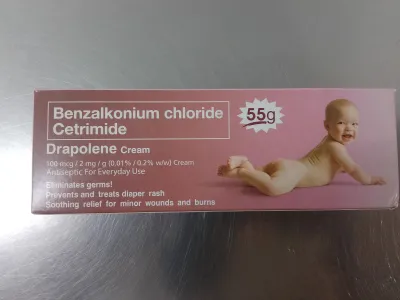
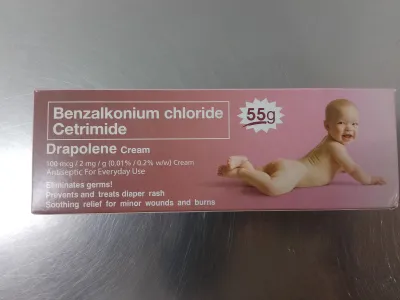
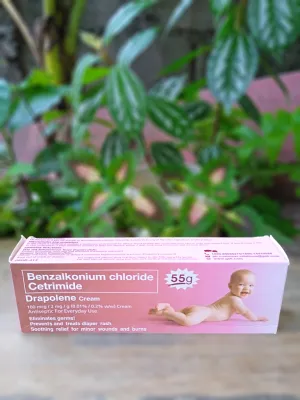
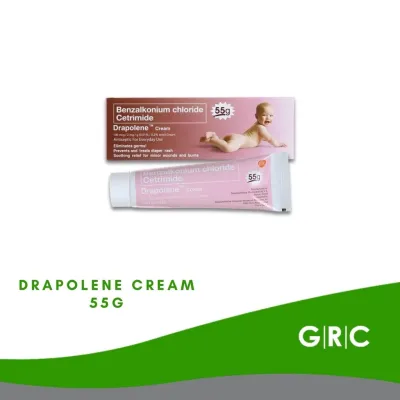
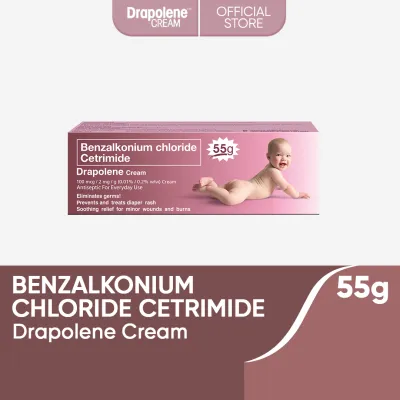
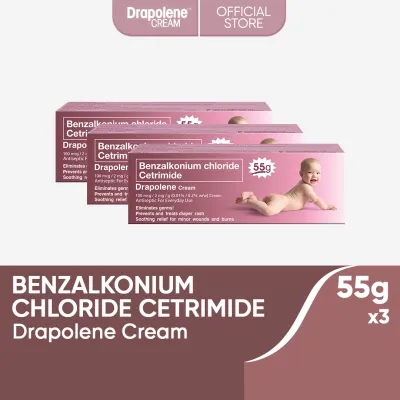

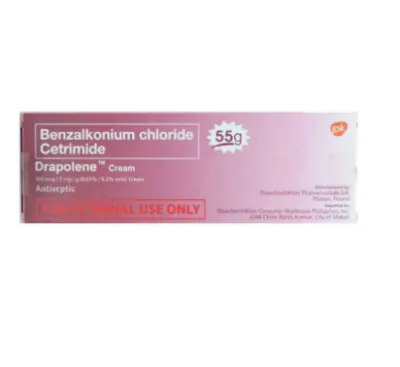
Prices are valid at publication and may change. Please refer to the product page for the latest price.
When cleaning the diaper area, prioritize gentle methods that do not strip the skin of its natural oils. Use lukewarm water and a soft, clean cotton cloth, or opt for alcohol-free and fragrance-free sensitive baby wipes. Avoid wipes containing harsh chemicals or artificial scents, as these can cause immediate irritation on compromised skin. When wiping, use soft, downward strokes from front to back—especially for baby girls—to prevent the spread of bacteria. Never scrub the skin vigorously, as friction can cause microscopic tears in the fragile skin barrier.
Once the skin is clean, ensure it is entirely dry. In humid tropical environments, skin can retain moisture much longer than in dry climates. If you apply a thick barrier cream over even slightly damp skin, you create an accidental greenhouse effect inside the diaper, leading to skin maceration and breakdown.
To achieve optimal dryness, allow your baby’s skin to air-dry for a few moments during the diaper change. This diaper-free time allows fresh air to circulate around the groin and bottom. If you are short on time, take a clean, dry, soft towel and gently pat the skin until all traces of moisture are gone. Avoid dragging the towel across the skin; instead, press it gently against the surface.
Finally, always check the product label on your Drapolene packaging. Manufacturers occasionally update formulations or provide specific instructions regarding skin preparation, such as avoiding certain soaps or ensuring the skin is free of other oils before application. Adhering to these guidelines ensures the cream adheres properly and performs as intended.
Step-by-Step Application Technique
Applying a barrier cream is an art of gentle precision. The goal is to create a uniform, protective layer that shields the skin without causing any physical discomfort to your baby. By following a structured, hygienic method, you can ensure even coverage and maximum protection.

The process begins with strict hand hygiene. Before you touch your baby or open the cream container, wash your hands thoroughly with soap and warm water for at least twenty seconds. This prevents the introduction of external bacteria to your baby’s sensitive diaper area. If your cream comes in a tub rather than a squeeze tube, clean hands also prevent the contamination of the remaining product inside the container.
Next, determine the appropriate amount of cream to use. Refer to the manufacturer’s packaging guidelines for specific dosage recommendations. Generally, a moderate amount—roughly the size of a cherry—is sufficient to cover the primary contact zones of a standard diaper. You want enough product to leave a visible, protective layer, but not so much that it cakes heavily or makes diaper cleanup excessively difficult.
When applying the cream, use your fingertips to spread it in a gentle, sweeping motion. Do not attempt to rub or massage the cream completely into the skin as you would a standard moisturizing lotion. Barrier creams are designed to sit on top of the skin rather than absorb fully. Think of the application process like frosting a cake: you want to lay down a smooth, continuous, and visible layer that acts as a physical wall.
Be sure to target the key areas that experience the most contact with wetness and friction. Pay close attention to the cheeks of the bottom, the outer genital area, and the deep folds of the groin. These creases are prime locations for moisture accumulation and chafing. Additionally, apply a thin layer along the areas where the diaper’s elastic cuffs and waistband rest, as these friction points can easily become red and irritated during movement.
Once you have achieved even coverage, secure the fresh diaper comfortably, ensuring it is not fastened too tightly. Immediately wash your hands again with soap and water to remove the thick, water-resistant cream from your fingers.
Timing and Frequency of Application
Consistency is key when it comes to preventing diaper rash. To maintain an effective moisture barrier throughout the day and night, you must establish a practical routine that aligns with your baby’s daily habits and environmental conditions.
Deciding how often to apply Drapolene cream depends on your baby’s skin sensitivity and the manufacturer’s official directions. Some caregivers prefer to apply a thin layer during every diaper change as a proactive preventive measure. Others find that applying it only during changes that involve bowel movements or when the skin shows early signs of pinkness is sufficient. Review the product packaging to understand the recommended usage frequency for daily maintenance.
Environmental factors and your baby’s physical health should also guide your routine. In hot, humid weather, babies sweat more, and the microclimate inside the diaper becomes significantly warmer. During these periods, or if your baby is experiencing frequent, loose bowel movements, increasing the frequency of application is highly beneficial. A fresh barrier should be established quickly after every wet or soiled diaper is removed.
Nighttime requires a specific strategy. Because babies sleep for longer stretches without a diaper change, their skin is exposed to moisture for extended periods. To combat this, apply a slightly thicker, more generous layer of the barrier cream right before putting your baby down for the night. This extra-thick layer provides prolonged protection, helping to keep the skin dry and insulated from wetness until the morning.
Signs to Stop and Consult a Professional
While a high-quality barrier cream is an excellent tool for daily skin protection, it is important to recognize its limits. Diaper rash can sometimes escalate into a more serious skin condition or infection that requires professional medical intervention rather than standard over-the-counter care.
Carefully monitor your baby’s skin during every diaper change. If you notice that the redness is worsening, spreading rapidly beyond the diaper zone, or if the skin begins to develop blisters, pimples, weeping sores, or pus-filled bumps, stop using the cream and consult a pediatrician immediately. These are classic indicators of a secondary bacterial or fungal infection, which cannot be resolved with a simple barrier cream and requires specific prescription treatments.
Additionally, keep an eye out for signs of an allergic reaction or localized skin sensitivity. Although rare, some babies may be sensitive to specific ingredients in skincare products. If you observe sudden swelling, hives, or an immediate increase in redness and discomfort right after applying the cream, gently wash the product off with lukewarm water and seek medical advice.
As a general guideline, if you have been applying the cream properly and consistently for two to three days and the diaper rash shows no signs of improvement, or if your baby seems unusually fussy and in pain, it is time to consult a qualified healthcare provider. A pediatrician can accurately diagnose the underlying cause of the irritation and provide a safe, targeted treatment plan to restore your baby’s comfort.
Frequently Asked Questions (FAQ)
Can I use Drapolene cream on newborns?
Newborn skin is incredibly delicate, thin, and highly sensitive to external products. Before applying any barrier cream to a newborn or a premature infant, always check the minimum age recommendations and warnings printed on the product packaging. Because their skin barrier is still developing, newborns can absorb topical ingredients more readily than older babies. To ensure absolute safety, it is highly recommended to consult your pediatrician or a qualified healthcare professional before introducing any new skincare product to a baby under one month of age.
Should I wipe off the old cream before applying a new layer?
You do not need to vigorously scrub off clean, intact barrier cream during consecutive diaper changes. Harsh scrubbing can irritate your baby’s skin and disrupt the natural healing process. If the previous layer of cream is clean, dry, and free of urine or stool, you can safely apply a fresh layer directly over it. However, if the old cream is soiled, wet, or contaminated with waste, gently wipe it away using a soft, damp cloth or a sensitive wipe before applying a clean, fresh layer of cream to the dry skin.
Can I use this cream with cloth diapers?
If you use reusable cloth diapers, you must check both the cream’s packaging and your diaper manufacturer’s guidelines before application. Many thick barrier creams contain ingredients that can leave a greasy residue on cloth diaper fabrics, which can clog the pores of the material and significantly reduce its absorbency over time. To protect your cloth diapers while still safeguarding your baby’s skin, consider placing a reusable fleece liner or a flushable paper liner inside the diaper. This liner acts as a protective shield, preventing the cream from transferring directly onto the absorbent cloth fibers.

Community discussion
Share your experience or ask a question. Comments are reviewed before publication.