
Drapolene is a widely recognized diaper rash cream, but its safety for newborns and babies with highly sensitive skin depends on individual skin tolerance, specific ingredients, and proper application. While many parents use it to manage diaper discomfort, a newborn’s skin barrier is exceptionally thin and prone to absorbing topical substances. To determine if it is safe for your baby, you must carefully examine the physical product packaging, understand the active ingredients, and perform a localized patch test.
In tropical climates like the Philippines, high humidity and heat can exacerbate diaper rash, making effective barrier protection crucial. However, trapping moisture under a thick layer of cream can worsen irritation. Parents must balance the protective benefits of diaper creams with the unique needs of their baby’s developing skin.
Understanding Key Ingredients and Skin Interactions
When selecting a diaper care product, the physical label on the packaging is your most reliable source of information. Rather than relying on general marketing claims or online reviews, parents should inspect the exact ingredient list printed on the tube or box. Formulations can vary by region, and checking the physical label ensures you know exactly what is touching your baby’s skin.
Products mentioned in this guide
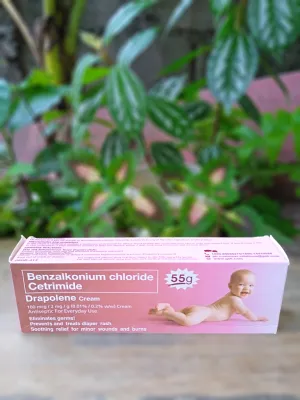
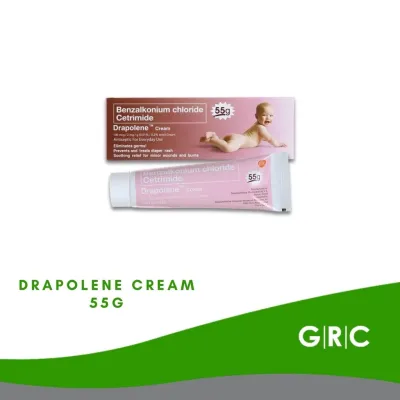
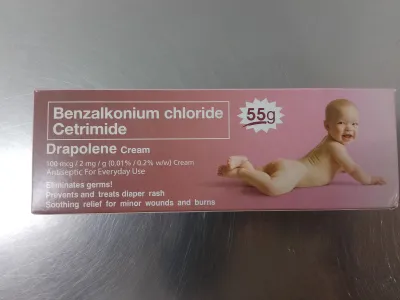
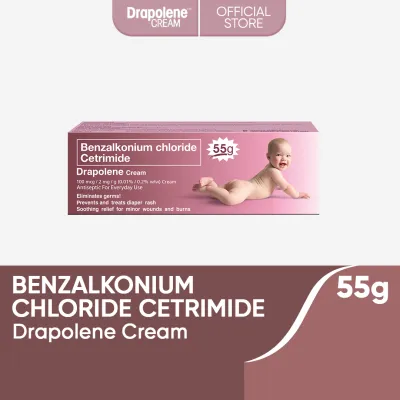
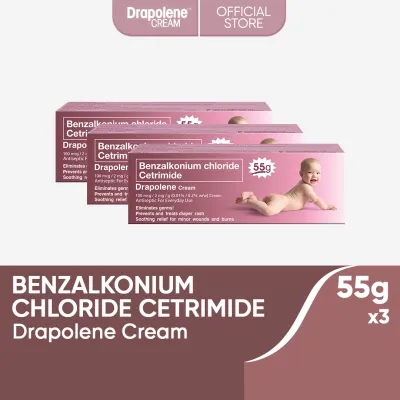

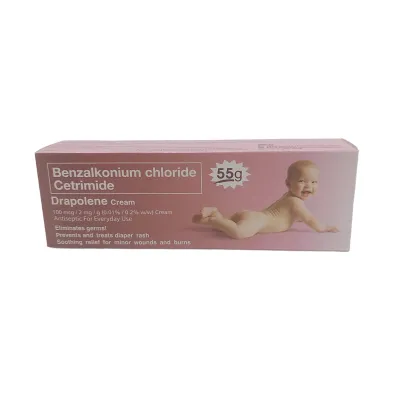
Prices are valid at publication and may change. Please refer to the product page for the latest price.
Many diaper creams, including Drapolene, utilize a combination of active ingredients designed to protect and soothe irritated skin. Common components include zinc oxide, which acts as a physical barrier to shield the skin from wetness, and antimicrobial agents like benzalkonium chloride or cetrimide, which help prevent bacterial growth in the warm, damp environment of a diaper.
Another frequent ingredient in these formulations is anhydrous lanolin, a natural substance derived from sheep’s wool that acts as an emollient to soften and moisturize dry skin. While lanolin is highly effective at preventing moisture loss, it can trigger allergic reactions in babies with sensitive skin or known wool allergies.
Because a newborn’s skin is highly permeable, any potential allergen or irritant can cause localized contact dermatitis. If your baby has a history of eczema or highly reactive skin, verifying the presence of lanolin, fragrances, or specific preservatives on the physical label is a critical first step before application.
Age Appropriateness and Newborn Skin Considerations
Before applying any topical treatment, parents must verify the manufacturer’s minimum age recommendation directly on the product packaging. Some formulations are explicitly labeled as “suitable from birth,” while others may be intended for older infants who have developed a more robust skin barrier.

A newborn’s skin is significantly thinner and more fragile than adult skin, making it highly susceptible to irritation and systemic absorption of topical chemicals. During the first few weeks of life, the outer layer of the skin, known as the stratum corneum, is still developing its protective function.
Special precautions are necessary for premature infants, whose skin is even more delicate and underdeveloped. Additionally, extra care should be taken before the umbilical cord stump falls off, as keeping the abdominal and diaper areas dry and free from heavy creams helps prevent localized infections.
Given these physiological vulnerabilities, it is highly recommended to consult a pediatrician before introducing any new diaper cream or topical treatment to a newborn’s daily routine. A healthcare professional can evaluate your baby’s specific skin condition and provide personalized guidance on safe usage.
How to Perform a Safe Patch Test
Performing a localized patch test is a practical way to evaluate how your baby’s skin reacts to a new product before applying it to a larger, already irritated diaper area. This simple precautionary step can prevent widespread discomfort if your baby happens to be sensitive to one of the ingredients.
To conduct a patch test, apply a very small, pea-sized amount of the cream to a clean, dry, and healthy area of the baby’s skin. Suitable locations include the inner upper arm or the inner thigh, where the skin is delicate but easily monitored and protected from friction.
Leave the cream on the skin and observe the area over a period of 24 to 48 hours. During this observation window, keep the test site clean and avoid applying any other lotions, soaps, or oils to that specific spot.
Monitor the test site closely for any observable signs of a localized reaction. Positive reaction signals include localized redness, a new bumpy rash, swelling, warmth to the touch, or unusual fussiness from the baby, which may indicate itching or burning. If any of these signs appear, wash the area immediately with mild soap and lukewarm water, and discontinue use.
It is important to understand that while a successful patch test significantly reduces the risk of an adverse reaction, it does not guarantee zero sensitivity during prolonged or widespread use. Continuous exposure to a product over several weeks, especially in the humid environment of a diaper, can sometimes trigger sensitivities that were not apparent during a brief patch test.
Safe Application Steps and Daily Precautions
Proper application technique is just as important as choosing the right product when managing diaper rash. In tropical climates, where humidity and heat are naturally high, improper application can trap moisture against the skin, creating an ideal environment for bacterial or fungal growth.
Always thoroughly clean your baby’s diaper area during changes using mild, fragrance-free wipes or plain water, and ensure the skin is completely dry before applying any barrier cream. Applying cream to damp skin can seal in moisture, which can break down the skin barrier and worsen diaper dermatitis.
Refer to the product’s specific instructions to determine the correct application thickness and frequency. Some creams are designed to be applied in a thin, translucent layer to allow the skin to breathe, while others may require a thicker coating to provide a robust physical barrier against wetness.
Avoid using excessive amounts of cream, as a heavy buildup can be difficult to clean off during subsequent diaper changes, leading to unnecessary friction and irritation when wiping. Gently patting the cream onto the skin rather than rubbing it in helps protect the delicate skin surface.
Parents must remain vigilant and monitor the diaper area for signs that indicate home care is no longer sufficient. Stop using the product and consult a doctor immediately if you observe red flags such as a worsening rash, blistering, oozing, bleeding, or if your baby develops a fever or shows signs of systemic illness.
When to Stop Use and Seek Professional Alternatives
While over-the-counter barrier creams are highly effective for mild diaper irritation, they are not a universal solution for all skin issues in the diaper region. Knowing when to transition from home management to professional medical care is essential for your baby’s comfort and health.
A key time-bound trigger for seeking professional help is the lack of improvement after a few days of consistent use, combined with proper diaper hygiene and frequent changes. If the redness or irritation persists or spreads beyond three to four days, it is time to consult a pediatrician.
It is crucial to differentiate between standard irritant diaper rash, which is caused by contact with wetness and friction, and potential fungal or bacterial infections. Fungal infections, often caused by yeast, typically present as bright red patches with distinct borders and small “satellite” spots, and they do not respond to standard barrier creams.
If a fungal or bacterial infection is present, your pediatrician can prescribe targeted medicated treatments, such as antifungal or mild antibacterial ointments. They can also recommend alternative barrier formulations or specific active ingredients if your baby’s skin is poorly tolerating the current product.
Frequently Asked Questions (FAQ)
Can I use this diaper rash cream on my baby's face or other body parts?
Diaper rash creams are specifically formulated for the unique, resilient environment of the diaper area and are generally not intended for use on the face or other sensitive body parts. The skin on a baby’s face is much thinner and more sensitive than the skin on their bottom. Always check the physical product label for specific contraindications regarding application near the face, eyes, mouth, or mucous membranes, and consult a pediatrician before using diaper creams on other areas.
Does this type of cream contain steroids or harsh chemicals?
Standard over-the-counter diaper barrier creams, including Drapolene, are protective formulations and do not contain prescription-strength steroids or harsh medicated compounds. However, because formulations can vary, parents should always read the active and inactive ingredients list on the packaging to verify the absence of specific compounds they wish to avoid, such as artificial fragrances, parabens, or specific preservatives.
How often should I apply diaper rash cream during changes?
You should follow the manufacturer’s specific directions for daily application frequency. Generally, barrier creams can be applied at each diaper change to protect the skin from wetness, especially before bedtime or long periods between changes. If you are using the cream for routine prevention, a thin layer is typically sufficient, whereas active irritation may require more consistent application as directed by the product packaging or your pediatrician.
Community discussion
Share your experience or ask a question. Comments are reviewed before publication.