
Applying diaper rash cream correctly is one of the most effective ways to protect your baby’s delicate skin from irritation, chafing, and painful rashes. In tropical climates where high humidity and heat are daily realities, moisture can easily become trapped inside a diaper, creating the perfect environment for skin breakdown. To get the maximum protection from your desitin diaper rash cream, you must understand how to create a continuous, physical moisture barrier. This means applying the cream to completely dry skin, using the right amount, and avoiding common application mistakes that can inadvertently trap wetness against your baby’s skin.
Diaper care in warm climates requires a proactive approach. Because babies sweat more in humid weather, the friction between the diaper and their skin increases, making the protective barrier even more critical. By mastering the correct application technique, you can help prevent diaper rash from developing or soothe existing irritation quickly. The key lies in understanding that diaper cream does not work like regular lotion; it is designed to sit on top of the skin as a shield rather than being fully absorbed.
When to Apply Desitin for Prevention and Treatment
Knowing when to use diaper rash cream depends largely on your baby’s current skin condition and daily routine. For daily prevention, applying a thin but visible layer of cream during nighttime diaper changes or before long car rides can offer extended protection when immediate changes are not possible. This preventative barrier keeps wetness from making direct contact with the skin over longer periods. You should check the specific product label on your desitin diaper rash cream packaging to verify the manufacturer’s recommended frequency guidelines, age suitability, and any weight limits that may apply to your specific formulation.
Products mentioned in this guide
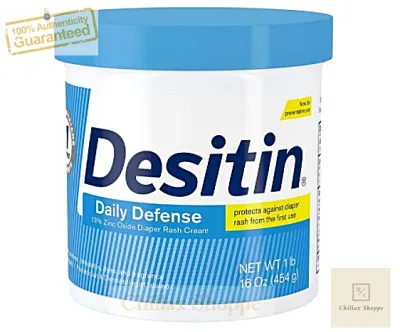
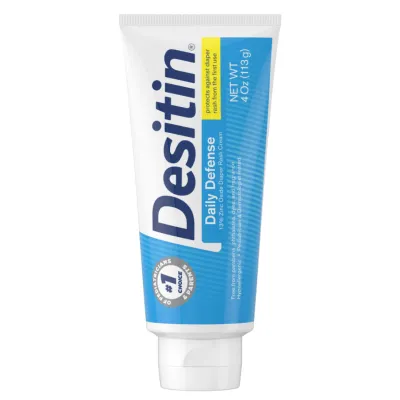
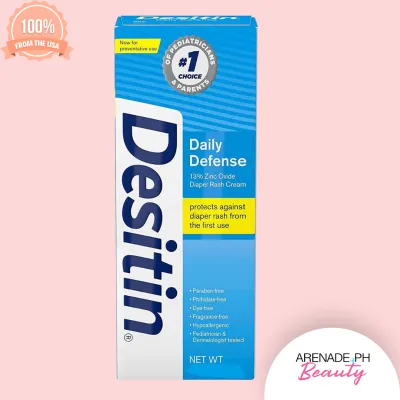
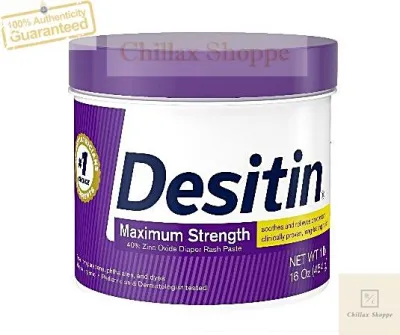
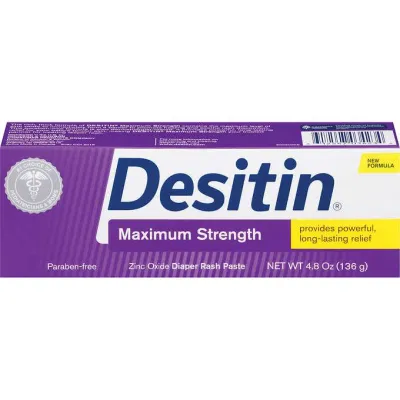
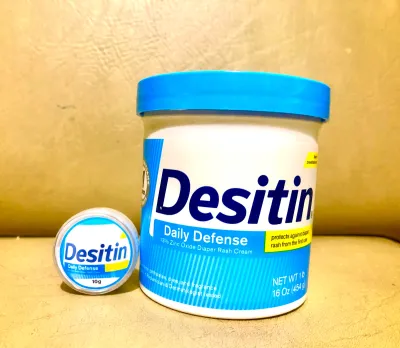
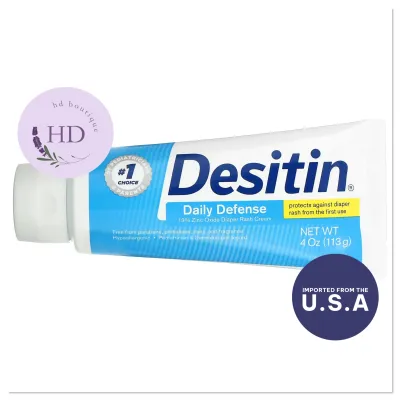
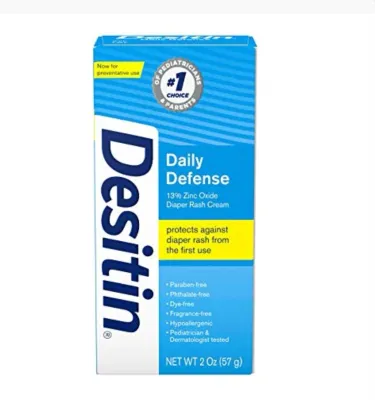
Prices are valid at publication and may change. Please refer to the product page for the latest price.
When you are treating an active diaper rash, the application strategy changes from selective use to consistent, high-coverage protection. During an active flare-up, you should apply the cream at every single diaper change. This continuous coverage ensures that healing skin is never exposed to the irritating effects of urine and stool. Watch for early visual cues of irritation, such as mild pinkness, dry patches, or small bumps around the diaper area, which signal that it is time to start a more intensive barrier routine.
In highly humid environments, keeping a close eye on your baby’s diaper change schedule is essential. Sweat can accumulate quickly under synthetic diaper materials, accelerating skin irritation even without frequent urination. Reapplying the barrier cream after every change during hot days helps mitigate the combined effects of sweat, friction, and waste. Always inspect the skin thoroughly during changes to determine if the existing barrier has worn away or if a fresh layer is needed to maintain continuous protection.
Step-by-Step Guide to Applying Desitin Correctly
The first step in a successful application routine is gentle but thorough preparation of the diaper area. When cleaning your baby’s skin, use mild, fragrance-free wipes or a soft cloth dampened with lukewarm water. Avoid harsh rubbing, which can create microscopic tears in the skin and worsen any existing irritation. Instead, use gentle patting motions to clean away urine and stool, paying close attention to the deep skin folds around the thighs and buttocks where moisture tends to pool.

Once the skin is clean, it must be dried completely before any cream is applied. This is a critical step that caregivers often rush. Applying diaper cream to even slightly damp skin traps that moisture directly against the baby’s body, defeating the entire purpose of the barrier. After patting the skin dry with a clean, soft towel, allow the area to air-dry for a few moments. In humid tropical climates, this brief air-drying period is incredibly beneficial, giving the skin a chance to cool down and shed excess moisture naturally.
When applying the desitin diaper rash cream, use a generous amount of product. The goal is to create a thick, visible layer that completely covers the vulnerable areas. Think of the application process as spreading frosting on a cake rather than rubbing moisturizer into dry skin. You should not massage the cream until it disappears; instead, spread it gently over the skin, leaving a distinct white protective shield. This physical barrier is what keeps wetness from penetrating through to the skin.
After the cream is applied, fasten the diaper carefully, ensuring it is not too tight. A diaper that is fastened too snugly presses the cream away from the skin and restricts airflow, which can increase heat and humidity inside the diaper. Leave enough room for a finger to slide easily between the diaper waistband and your baby’s tummy. This slight gap allows for necessary air circulation, helping to keep the skin cool and reducing the friction that can rub the protective cream away.
How to Remove Desitin During Diaper Changes
One of the most common misconceptions about diaper cream is that you must scrub off every trace of the old layer during every single diaper change. Attempting to completely remove a thick zinc oxide barrier when the baby has only urinated can cause unnecessary friction and pain. The constant rubbing can irritate sensitive skin and delay the healing of an active rash. Instead, understand that the clean, unsoiled cream remaining on the skin can serve as a starting point for your next application.
During a routine diaper change where only urine is present, simply use a gentle wipe or a damp cloth to clean away the soiled top layer of cream and any waste. Leave the clean, white base layer of cream intact on the skin. You can then apply a fresh layer of desitin diaper rash cream directly over this clean base. This method minimizes skin contact and friction, keeping your baby more comfortable and preserving the protective barrier that is already in place.
However, there are specific conditions that require a complete clean and a fresh start. If your baby has a bowel movement, you must thoroughly clean away all stool and cream to ensure no bacteria are trapped against the skin. In these cases, use a gentle baby oil or a specialized gentle cleanser on a soft cloth to help dissolve the thick cream without harsh scrubbing. A complete clean is also recommended during your baby’s daily bath, where warm water and a mild baby wash can safely remove all residue before you apply a fresh, clean barrier for the night.
Common Application Mistakes to Avoid
A frequent mistake that limits the effectiveness of diaper cream is applying it to skin that is still damp from wipes or sweat. Because zinc oxide creams are designed to repel water, they will trap any moisture already on the skin underneath the barrier. This trapped wetness can soften the skin, making it more susceptible to breakdown and yeast infections. Always ensure the skin is bone-dry, utilizing a few moments of diaper-free air time if necessary, before spreading the cream.
Another common error is applying a layer of cream that is far too thin. Many caregivers treat diaper cream like standard body lotion, rubbing it in until it is invisible. A thin, rubbed-in layer does not provide the physical separation needed to block acidic urine and stool. To achieve maximum protection, the cream must remain visible as a thick, white shield. If you can see the baby’s skin clearly through the cream, the layer is likely too thin to offer robust protection over several hours.
Lastly, caregivers sometimes overlook the manufacturer’s specific product instructions, expiration dates, and storage guidelines. Diaper creams should be stored in a cool, dry place away from direct sunlight, which is particularly important in hot, humid regions. Exposure to extreme heat can cause the ingredients in the cream to separate, reducing its effectiveness and making it difficult to apply evenly. Always check the packaging for expiration dates and discard any product that has expired or changed in texture or smell.
When to Stop and Consult a Pediatrician
While over-the-counter diaper creams are highly effective for standard irritation, it is vital to recognize the safety boundaries of home care. You should closely monitor your baby’s skin for any observable signs of a potential infection. If you notice blisters, pus-filled bumps, open sores, bleeding, or a bright red rash that is spreading rapidly beyond the diaper area into the abdomen or thighs, these are signs that require professional medical evaluation.
Another key indicator that it is time to seek professional advice is a lack of visible improvement. If you have been applying the desitin diaper rash cream consistently at every diaper change for several days (refer to the specific product label for the exact recommended timeframe) and the rash has not improved or has worsened, home care alone may not be sufficient. The rash could be caused by a yeast infection or an allergy that requires a targeted prescription treatment.
Always stop using the product and consult a pediatrician immediately if your baby shows signs of severe discomfort, continuous crying during diaper changes, a fever, or any signs of an allergic reaction such as hives or localized swelling. Your pediatrician can provide an accurate diagnosis and recommend a safe, effective treatment plan tailored to your baby’s specific needs. Never hesitate to seek professional guidance when home care measures do not bring prompt relief.
Frequently Asked Questions (FAQ)
Can I use Desitin on my baby's face or other body parts?
Diaper creams are specifically formulated for the unique, high-moisture environment and friction of the diaper area. You should always read the manufacturer’s label carefully to check for approved application zones and specific warnings. Generally, these creams should not be applied to the face, near the eyes, mouth, or other mucous membranes unless explicitly directed by a healthcare professional. For dry patches or irritation on other parts of the body, consult your pediatrician for appropriate skincare recommendations.
How do I choose between different Desitin variants?
To choose the right variant for your baby, compare the active ingredient concentrations listed on the product packaging. Formulations with a lower percentage of zinc oxide are typically designed for daily prevention and mild skin protection, making them easier to apply and wipe away during routine changes. Variants with a higher concentration of zinc oxide provide a much thicker, more robust barrier, which is ideal for treating active, severe diaper rashes or providing maximum protection overnight. Match the product’s stated purpose on the label to your baby’s current skin condition.

Community discussion
Share your experience or ask a question. Comments are reviewed before publication.