
To apply Bepanthen Baby Ointment correctly to prevent diaper rash, you must clean and dry your baby’s skin thoroughly, then gently spread a thin, even layer of the ointment over the entire diaper area during every diaper change. This simple routine creates a breathable, protective barrier that shields delicate skin from moisture, friction, and irritants. In a warm and humid climate like the Philippines, managing moisture is especially vital to keep your baby comfortable and rash-free.
Diaper rash is a common concern for parents, but understanding the mechanics of skin protection can make a significant difference. By consistently applying a protective ointment, you prevent urine and stool from coming into direct contact with your baby’s vulnerable skin barrier. This proactive approach helps maintain skin integrity and prevents the redness and discomfort associated with diaper dermatitis.
When to Use Bepanthen Baby Ointment for Diaper Rash Prevention
Using a protective ointment proactively is far more effective than waiting for a rash to develop. Once the skin is compromised and red, it becomes much more difficult to soothe and heal. Applying the ointment at every diaper change ensures that your baby’s skin is continuously shielded from the harsh enzymes found in waste.
Products mentioned in this guide
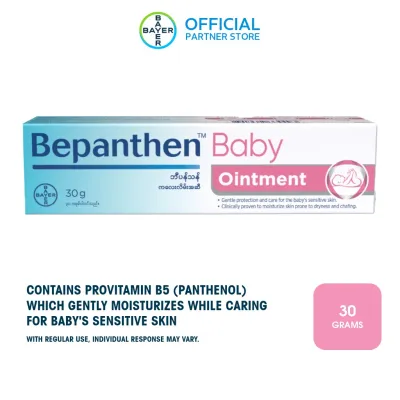
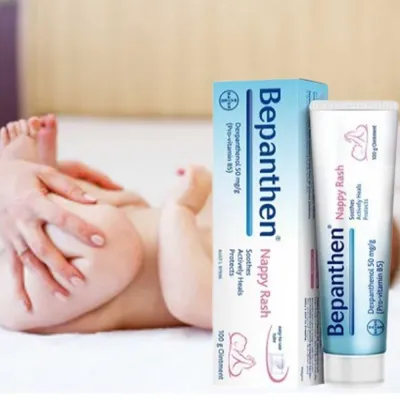

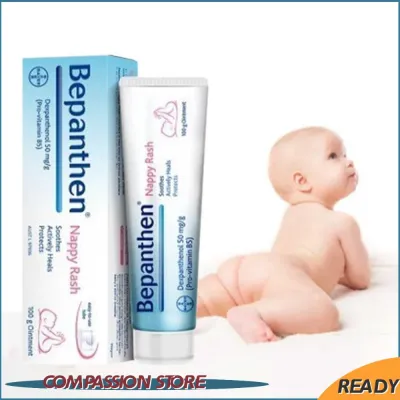
Prices are valid at publication and may change. Please refer to the product page for the latest price.
The optimal timing for application is during your regular diapering routine, especially before periods of prolonged diaper wear. Applying a slightly more generous layer before your baby goes to sleep at night is highly beneficial, as diapers are changed less frequently during these hours. This continuous coverage prevents wetness from pooling against the skin while your baby rests.
Certain high-risk scenarios require extra vigilance and more frequent applications. For instance, when your baby is teething, changes in saliva and digestion often lead to more acidic stools that can rapidly irritate the skin. Similarly, during episodes of frequent loose stools or when transitioning to solid foods, the skin is exposed to different enzymes and increased moisture, making a strong protective barrier absolutely essential.
Environmental factors also dictate when to be more proactive. In tropical conditions, high heat and humidity cause babies to sweat more inside their diapers. This sweat, combined with urine, accelerates the breakdown of the skin barrier. Always consult the manufacturer’s instructions on the product packaging to verify the recommended usage frequency and to check for any specific age or weight guidelines relevant to your child’s development stage.
Step-by-Step Guide to Applying the Ointment
Establishing a consistent, gentle routine during diaper changes is the most reliable way to protect your baby’s skin. Following a structured step-by-step process ensures that you do not accidentally trap moisture or bacteria beneath the protective layer of the ointment.

Step 1: Clean and Dry the Skin Thoroughly
Before applying any ointment, the diaper area must be completely clean. Gently wipe the skin using fragrance-free and alcohol-free baby wipes, or use a soft cotton cloth dampened with lukewarm water. Avoid using heavily scented wipes, as the synthetic fragrances can irritate sensitive skin and trigger allergic reactions.
Once the skin is clean, pat the area completely dry with a clean, soft towel. Never rub the skin dry, as the friction from rubbing can cause microscopic tears in the delicate epidermal layer, making it easier for bacteria and moisture to penetrate. Taking your time during this step ensures the skin is fully prepared.
Pay close attention to the deep skin folds around the groin, thighs, and buttocks. Trapped moisture in these warm, dark creases is a primary cause of diaper rash and fungal infections. Gently separate the folds to ensure they are completely dry before moving on to the next step.
Step 2: Apply a Thin, Even Layer
Squeeze a small, pea-sized amount of Bepanthen Baby Ointment onto your clean fingertips. It is important to wash your hands thoroughly with soap and water before this step to prevent transferring any external bacteria or dirt onto your baby’s skin.
Gently spread a thin, even layer of the ointment across the entire diaper area. Ensure you cover all sections of the skin that come into direct contact with the diaper, including the buttocks, groin, and external genital areas. The ointment should form a visible, translucent barrier.
Do not rub the ointment aggressively into the skin. Unlike a moisturizing lotion that is meant to be fully absorbed, a diaper ointment is designed to sit on the skin’s surface to act as a physical shield. Refer to the product label for specific thickness recommendations, as applying too thick of a layer can cause clumping and may transfer entirely to the diaper, reducing its absorbency.
Step 3: Put on a Clean, Well-Fitting Diaper
Carefully position the clean diaper under your baby, lifting their legs gently by the ankles. Be mindful not to let the diaper slide roughly against the skin, which can wipe away the freshly applied ointment before it has a chance to protect the skin.
Fasten the diaper securely but leave enough room for air to circulate. A good rule of thumb is to ensure you can easily slide two fingers between the diaper waistband and your baby’s tummy. A diaper that is fastened too tightly increases friction against the skin and traps body heat, creating a humid environment that promotes rash development.
Check that the elastic leg cuffs of the diaper are turned outward rather than tucked inward. Properly aligned leg cuffs prevent leaks and ensure that the diaper’s absorbent core can effectively draw moisture away from the skin, working in tandem with the protective ointment.
Best Practices for Maximum Skin Protection
While using a high-quality protective ointment is highly effective, it works best when combined with healthy overall diapering habits. Implementing a few daily practices can dramatically reduce the occurrence of diaper rash.
- Frequent Diaper Changes: Change your baby's diaper as soon as it becomes wet or soiled. Prolonged exposure to the ammonia in urine and the active enzymes in stool is the most common trigger for skin breakdown.
- Diaper-Free Time: Allow your baby to have supervised diaper-free time every day. Laying your baby on a waterproof mat or a clean towel for 10 to 15 minutes allows air to circulate naturally, drying out the skin folds and giving the skin barrier a chance to breathe.
- Avoid Irritants: Eliminate harsh soaps, heavily scented bubble baths, and talcum powders from your baby's routine. Talcum powder can pose inhalation risks and can clump when mixed with sweat or ointment, leading to increased friction and irritation.
- Hygiene Protocols: Always practice strict hand hygiene. Wash your hands thoroughly before starting a diaper change to protect your baby, and wash them immediately afterward to prevent the spread of bacteria.
- Diaper and Wipe Selection: If your baby experiences persistent redness despite correct ointment application, evaluate the brands of diapers and wipes you use. Some babies have sensitivities to specific synthetic materials, dyes, or preservatives used in these products.
When to Stop and Consult a Pediatrician
While Bepanthen Baby Ointment is designed to prevent diaper rash, there are situations where home care is not sufficient. Knowing when to seek professional medical advice is crucial for your baby’s health and safety.
Discontinue use of the ointment and consult your pediatrician if the rash worsens, spreads to the abdomen, back, or arms, or does not show any improvement after a few days of consistent and correct application. A persistent rash may indicate an underlying issue that requires a targeted medical treatment.
Watch closely for signs of a secondary infection, which cannot be resolved with preventive ointments alone. Seek immediate medical attention if you notice any of the following symptoms:
- Blisters, pimples, or pus-filled bumps
- Bleeding, open sores, or oozing fluid
- A bright red rash with distinct, raised borders and small red spots nearby (often indicative of a yeast infection)
- The baby develops a fever or seems unusually irritable and uncomfortable
Never apply the ointment to deep wounds, severely broken skin, or active fungal infections unless explicitly directed to do so by a healthcare professional. Additionally, if your baby shows any signs of an allergic reaction—such as sudden swelling, hives, or increased redness immediately after application—wash the area gently with cool water, discontinue use, and contact your doctor.
Frequently Asked Questions (FAQ)
Can I use Bepanthen Baby Ointment on newborns?
While the ointment is formulated to be gentle on delicate skin, you must always verify the specific age recommendations and instructions on the product packaging. Newborn skin is exceptionally thin and permeable. It is highly recommended to consult your pediatrician before applying any skin care products to newborns, premature babies, or infants with diagnosed skin conditions.
How do I remove the ointment during the next diaper change?
It is not necessary to scrub off all residual ointment during a routine diaper change. Trying to rub the skin completely clean can cause friction damage and irritation. Simply wipe away any soiled areas and stool gently, leaving any clean, remaining ointment barrier intact, and apply a fresh, thin layer over it. If you need to perform a full clean, use a mild, baby-safe cleanser and warm water, patting the skin dry gently afterward.

Community discussion
Share your experience or ask a question. Comments are reviewed before publication.