
Preparing a hospital bag is one of the most exciting yet practical milestones of pregnancy. Having a well-organized bag ensures that you, your partner, and your newborn have everything needed for labor, delivery, and the immediate postpartum recovery period. A complete hospital bag checklist balances immediate postpartum recovery needs for mom, essential clothing and hygiene items for the newborn, and critical administrative documents. Packing efficiently prevents stress during labor and ensures a smooth transition home.
When and How to Pack Your Hospital Bag
Preparing your hospital bag around the 35th or 36th week of pregnancy is the ideal timeline. Since labor can begin unexpectedly, having your bags packed and waiting by the door or already loaded into your car trunk provides peace of mind during the final weeks of pregnancy. Waiting until the last minute increases the risk of forgetting essential items or rushing through the packing process under stressful conditions.
To keep your items accessible, organize them into separate, labeled pouches or packing cubes. Grouping items into categories—such as “Labor Room Essentials,” “Postpartum Ward Clothing,” and “Baby’s First Outfits”—makes it easy for your birth partner or hospital staff to find exactly what you need without rummaging through a chaotic bag. Clear, resealable plastic bags are particularly useful because they allow you to see the contents instantly.
Products mentioned in this guide
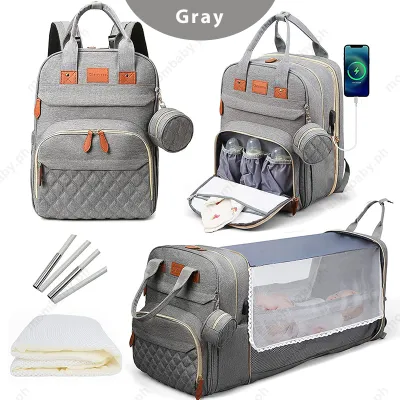
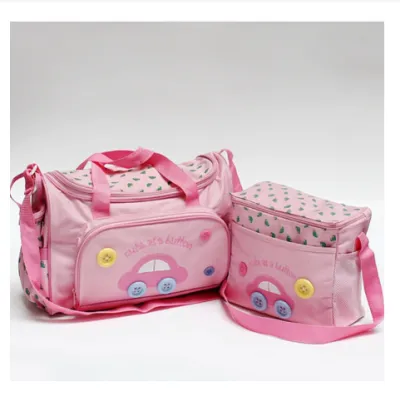
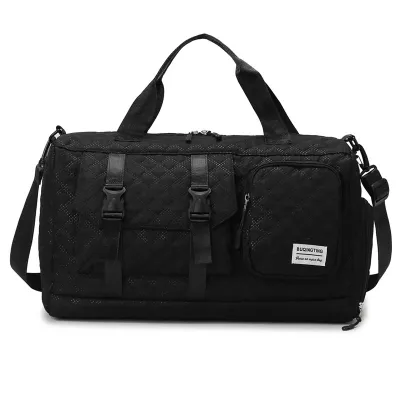
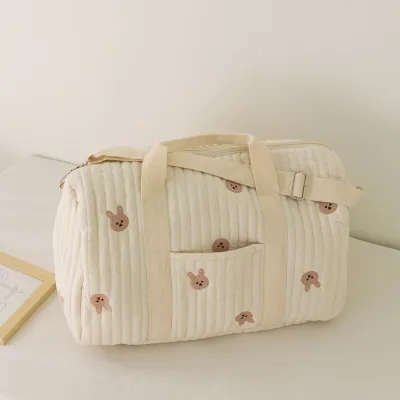
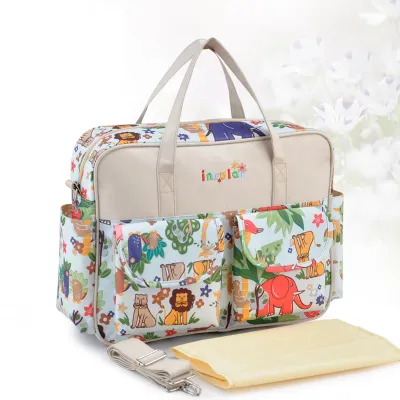
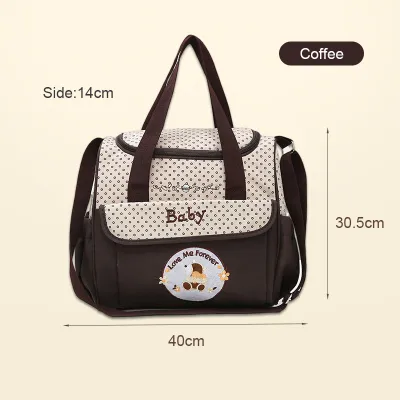
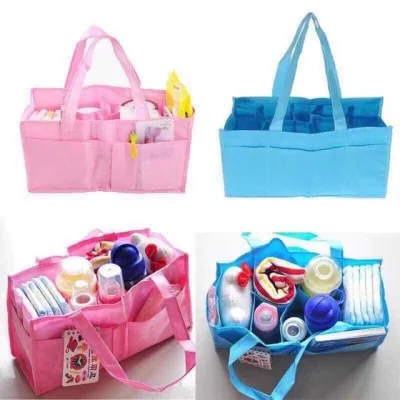
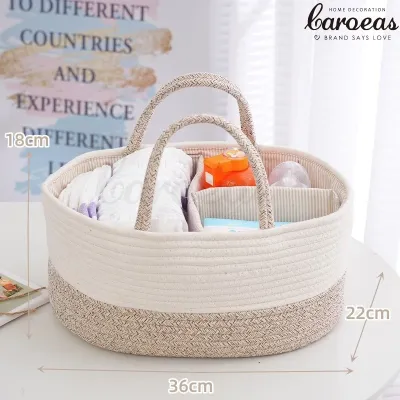
Prices are valid at publication and may change. Please refer to the product page for the latest price.
Before finalizing your bag, contact your chosen hospital or check their official maternity admission guidelines. Hospital policies and provided amenities vary widely; some private facilities offer comprehensive admission kits containing basic toiletries, maternity pads, and newborn diapers, while other hospitals expect you to bring every single item, including sterile underpads and surgical gloves. Knowing what is provided prevents you from packing unnecessary duplicates.
Essentials for Mom: Comfort and Postpartum Recovery
When selecting clothing for your hospital stay, prioritize loose-fitting, breathable garments made from natural fibers like cotton. The tropical climate, combined with fluctuating hospital temperatures, makes lightweight fabrics essential for your comfort. Pack two or three front-opening button-down shirts or nursing nightgowns, which allow for easy skin-to-skin contact with your newborn and hassle-free breastfeeding access. Bring a pair of comfortable, non-slip slippers to wear when walking around the labor ward or hospital corridors.

Supportive, wireless nursing bras are crucial as your milk begins to come in, providing gentle support without irritating sensitive breast tissue. Pair these with high-waisted cotton underwear that sits comfortably above a potential C-section incision line. Avoid tight waistbands or synthetic fabrics that can trap moisture and cause discomfort during your recovery.
Postpartum recovery requires specialized supplies to manage lochia, the vaginal discharge that occurs after birth. High-absorbency maternity pads are essential, but many mothers prefer disposable postpartum underwear or adult diapers for the first 48 hours. These disposable options offer superior leak protection, stay securely in place, and eliminate the stress of washing heavily stained clothing during your hospital stay.
A perineal irrigation bottle, commonly known as a peri bottle, is an indispensable tool for postpartum hygiene. An ergonomic model with an angled spray nozzle allows you to cleanse the perineal area gently with warm water after using the restroom, reducing discomfort and promoting healing without the need for wiping.
Pack travel-sized personal toiletries to maintain your daily hygiene routine and boost your morale. Include a mild facial wash, toothbrush, toothpaste, shampoo, conditioner, and a hydrating lip balm, as hospital air conditioning can dry out your lips quickly. A can of dry shampoo is excellent for refreshing your hair when you are not yet cleared to take a full shower.
For added comfort, bring a long phone charging cable of at least two meters, as hospital wall outlets are frequently located far from the bed. Pack light, energy-boosting snacks such as oatmeal cookies, crackers, or dried fruits to keep your strength up during early labor or late-night feeding sessions. A reusable water bottle with a built-in straw is also highly recommended, allowing you to stay hydrated easily while reclining.
Essentials for Baby: Newborn Care and Going Home
Newborn babies cannot regulate their body temperature efficiently, making proper clothing layers essential even in a warm, tropical climate. Hospital recovery rooms are often heavily air-conditioned, so you must prepare for both cool indoor temperatures and the humid outdoor environment. Pack three to four sets of cotton tie-side tops, known locally as barucos, which are easy to put on without pulling over the baby’s delicate head and sensitive umbilical cord stump.
Combine these tops with soft cotton pajamas or footed sleepers to keep your baby warm. Bring three pairs of soft cotton mittens and booties to protect your newborn from scratching their face and to keep their hands and feet cozy. A couple of soft, lightweight baby beanies or hats are also necessary to prevent heat loss from the baby’s head during their first few days of life.
For diapering, pack a pack of newborn-sized disposable diapers, aiming for approximately 20 to 30 pieces. Look for diapers that feature a wetness indicator strip and a curved cutout at the front to avoid irritating the healing umbilical cord. Bring two packs of gentle, alcohol-free, and fragrance-free water-based wipes to cleanse your baby’s sensitive skin without causing rashes. A small tube of barrier diaper cream containing zinc oxide is useful for protecting the skin from meconium, the sticky first stool.
If you plan to breastfeed, pack washable or disposable nursing pads to absorb leaks, along with a soothing, food-grade nipple cream like pure lanolin to prevent cracking and soreness. For mothers who plan to formula feed, or as a precautionary backup, verify if your hospital requires you to bring sterilized baby bottles, newborn-appropriate infant formula, and a portable bottle brush, as some facilities have strict protocols regarding feeding supplies.
Bring two or three soft, breathable cotton swaddles or receiving blankets. Swaddling helps newborns feel secure by mimicking the snug environment of the womb. A slightly thicker receiving blanket is ideal for the journey home, providing a protective layer against temperature transitions between the air-conditioned hospital lobby, the vehicle, and the outdoor humidity.
Must-Have Documents and Hospital Admin Items
Having your paperwork organized in a single, waterproof expander folder prevents administrative delays during admission and discharge. Ensure you pack valid government-issued identification cards for both parents, your hospital record card, and your complete prenatal medical file. This file should contain all ultrasound results, laboratory reports, blood type records, and doctor’s clearance letters, giving the attending medical team immediate access to your pregnancy history.
To facilitate the birth certificate registration process, bring multiple photocopies and the originals of your marriage certificate, along with both parents’ birth certificates. If you plan to claim health insurance or PhilHealth benefits, prepare the necessary claim forms, member data records, and proof of premium contributions well in advance to ensure smooth processing and deduction from your final hospital bill.
Practical administrative items are equally important for a hassle-free stay. Keep a black ink pen in your document folder, as you will need to fill out and sign numerous consent forms, admission papers, and registration documents. Bring multiple payment methods, including credit cards, debit cards, and a reasonable amount of physical cash in smaller denominations (₱100, ₱200, and ₱500 bills) for hospital parking, convenience store runs, or canteen meals.
Choosing the Right Diaper Bag or Tote for the Hospital
Selecting the right bag to carry your hospital essentials is crucial for keeping everything organized and easily transportable. Look for a bag that offers a high capacity and smart organizational features. Multiple compartments, including insulated pockets to keep bottles at the right temperature, a dedicated waterproof pocket for wet or soiled items, and easy-access exterior pockets for wipes and hand sanitizer, are highly beneficial. Choose water-resistant, wipeable materials like high-density nylon or polyester to ensure the bag can be easily sanitized after sitting on hospital floors or clinic chairs.
When comparing bag styles, consider the mobility and weight distribution of a diaper bag backpack versus a traditional tote bag. A backpack style is generally superior for navigating hospital corridors and busy parking lots. It distributes weight evenly across both shoulders, reducing physical strain and leaving your hands completely free to carry your baby, hold onto your partner, or manage paperwork. Traditional tote bags offer a wider opening and quicker access to items, but they can slip off your shoulder and cause muscle strain when fully packed.
Diaper bags are available across a wide range of ₱ price points, allowing you to find a suitable option for your budget. Budget-friendly options (ranging from ₱500 to ₱1,200) offer basic organization and lightweight designs, though you should check the zipper quality and strap stitching before purchasing. Mid-range options (₱1,500 to ₱3,500) often feature durable, water-resistant fabrics, reinforced seams, and ergonomic padded straps. Premium bags (above ₱4,000) provide luxury aesthetics, specialized stroller straps, and highly durable hardware, making them a long-term investment that lasts well into the toddler years.
What to Leave at Home
Preventing overpacking is just as important as bringing the essentials, as a cluttered hospital room can make it difficult to find what you need. Avoid packing a large wardrobe of elaborate baby outfits. Fancy dresses, heavy denim, or complex button-up suits are highly impractical for frequent pediatric examinations, skin-to-skin sessions, and constant diaper changes. Stick to simple, functional pieces.
Leave expensive jewelry, wedding bands (which you may need to remove anyway due to postpartum swelling), large sums of cash, and high-end electronics at home. Hospital rooms and shared wards have constant foot traffic, making it difficult to secure valuable items.
Do not pack large baby gear like standalone bassinet inserts, bulky plush toys, or heavy car seat bases. Keep the car seat base installed in your vehicle; you only need to bring the infant carrier bucket into the hospital on discharge day.
Frequently Asked Questions (FAQ)
How many outfits should I pack for my newborn?
Pack about 4 to 6 complete outfits for a standard two-to-three-day hospital stay. This includes tie-side shirts, sleepsuits, mittens, booties, and hats. Newborns frequently spit up, experience diaper leaks, or get dirty during feeding, so having at least two outfit changes per day ensures they always remain clean, dry, and comfortable.
Do hospitals provide diapers and maternity pads?
Some hospitals include a basic maternity and newborn kit in their delivery packages, which may contain a limited supply of maternity pads, newborn diapers, and basic baby shirts. However, these supplies are often minimal and may run out quickly. It is highly recommended to call your specific hospital’s admissions department or ask your attending OB-GYN ahead of time to confirm exactly what is provided so you can pack accordingly and avoid unnecessary duplicates.

Community discussion
Share your experience or ask a question. Comments are reviewed before publication.