
Choosing the right breast pump is one of the most critical decisions for breastfeeding mothers in the Philippines, directly impacting their comfort, milk supply, and daily schedule. With various options available, comparing a specialized brand like Horigen against other popular market alternatives requires a clear understanding of your personal lifestyle, physical comfort, and the technical specifications of each device. Rather than looking for a single universal winner, the key is to match a pump’s specific features—such as suction mechanisms, flange designs, and power options—to your unique daily routine, whether you are a stay-at-home parent, a hybrid worker, or an exclusive pumper navigating a busy commute.
Identifying Your Pumping Requirements Before Comparing Brands
Before comparing specific brands, you must define your personal pumping profile. Your daily routine, work environment, and breastfeeding goals dictate the type of equipment that will serve you best over the long term.
First, consider your pumping frequency. Mothers who practice exclusive pumping require heavy-duty, hospital-grade or highly durable double electric pumps designed to withstand multiple sessions a day without losing motor efficiency. On the other hand, mothers who primarily direct-latch and only pump occasionally to build a small freezer stash or relieve engorgement can often rely on a simpler, single electric or manual pump.
Products mentioned in this guide
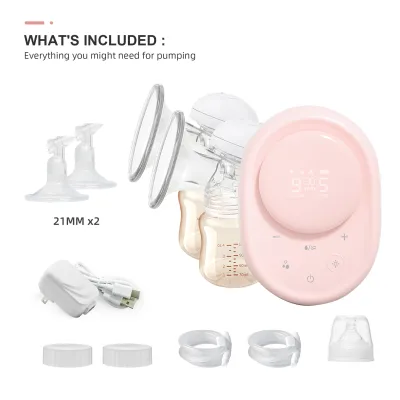
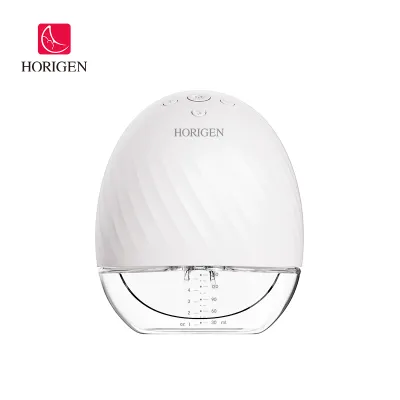
Prices are valid at publication and may change. Please refer to the product page for the latest price.
Portability is another major factor, especially for mothers returning to physical workplaces in busy metropolitan areas. A long commute in tropical weather means every extra gram in your bag matters. If you need to pump during transit or at an office desk without a private lactation room, a wearable, hands-free pump that fits directly inside your bra offers unmatched discretion. Conversely, if you primarily pump at home, a slightly larger tabletop model with a dedicated power cord might provide more robust features without the burden of transport.
Power source reliability is a unique consideration for local households. In areas prone to seasonal weather disruptions or occasional power outages, relying solely on a plug-in wall adapter can be risky. Rechargeable lithium-ion batteries offer the flexibility to pump anywhere, regardless of electrical outlet availability, while manual pumps serve as an excellent, low-cost backup that requires no electricity at all.
Core Specifications to Compare Across Breast Pump Brands
When evaluating Horigen alongside other brands, comparing technical specifications on paper helps you cut through marketing claims and identify the actual capabilities of each device.

Suction strength and cycle speed are the primary indicators of how effectively a pump can stimulate and express milk. Most manufacturers measure suction strength in millimeters of mercury (mmHg), typically ranging from 100 mmHg to over 300 mmHg. However, stronger suction does not automatically equate to more milk; in fact, excessive suction can cause pain and inhibit the let-down reflex. Look for brands that offer adjustable cycle speeds (the number of sucks per minute) and multiple expression modes, allowing you to mimic a baby’s natural, rapid sucking at the start of a feed before transitioning to a slower, deeper expression rhythm.
Flange sizing and material compatibility are critical for preventing nipple damage and ensuring efficient milk removal. Standard pump kits usually include a 24mm or 28mm flange, but many mothers require smaller or larger sizes. When comparing brands, check if they offer a wide range of alternative flange sizes or soft silicone inserts. Some brands, including Horigen, are known for utilizing soft, 3D silicone flanges that compress the breast tissue rather than just using vacuum suction, which some mothers find more comfortable. You must measure your nipple diameter accurately before purchasing to ensure the brand supports your required size.
Noise levels can make a significant difference in your pumping experience, particularly during late-night sessions when the rest of the household is asleep, or during virtual work meetings. Check the manufacturer’s product specifications for decibel (dB) ratings. A pump operating below 45 to 50 decibels is generally considered quiet enough for discreet use.
The complexity of the pump’s design directly affects your daily workload. Count the number of individual parts—such as valves, membranes, connectors, and bottles—that must be disassembled, washed, and sterilized after every use. A pump with fewer parts saves valuable time and reduces the risk of losing small components during cleaning. Additionally, verify if the parts are compatible with standard wide-neck or narrow-neck baby bottles to minimize the need for transferring milk between different containers.
Evaluating Horigen Models: Features and Label Checks
To make an informed decision about Horigen models, you must carefully inspect the product packaging, user manuals, and official documentation rather than relying on general online reviews. Always verify the recommended method of use, caregiver supervision guidelines, and specific manufacturer warnings in the product documentation rather than inferring suitability from the product name alone.
Start by reviewing the user manual for any Horigen model you are considering. Pay close attention to the manufacturer’s guidelines regarding maximum continuous usage times. Many portable or wearable pumps are designed with automatic shut-off timers, typically set to 20 or 30 minutes, to prevent motor overheating and protect your breast tissue from prolonged vacuum exposure. Understanding these built-in limits helps you plan your sessions safely.
Material safety and regulatory compliance are dynamic factors that you must verify independently. Always check the product packaging and official specifications for clear certifications indicating that all parts coming into contact with milk are 100% BPA-free and made from food-grade silicone or polypropylene. In humid, tropical climates, ensuring that plastic components can withstand repeated high-temperature sterilization without degrading is essential for your baby’s health.
Finally, verify the exact list of included accessories in the retail box. Some packages may seem like a better deal but might lack essential items like bottle caps, travel pouches, or alternative flange sizes, forcing you to make separate purchases later. Compare the out-of-the-box contents of Horigen models with competing brands to determine which package offers the most complete setup for your immediate needs. If you experience persistent pain, skin irritation, or a sudden drop in milk supply while pumping, stop using the device immediately and consult a lactation consultant or healthcare professional.
Assessing Long-Term Value and Maintenance Requirements
The initial purchase price of a breast pump is only part of the overall investment. Long-term satisfaction depends heavily on how easy and affordable the pump is to maintain over several months or years of use.
Replacement parts, particularly silicone valves, diaphragms, and tubing, are wear-and-tear items that require regular replacement to maintain optimal suction. Before committing to a brand, search local online marketplaces and official brand distributors to verify the availability and cost of these consumables in ₱. If replacement parts for a specific Horigen model or an alternative brand are frequently out of stock or must be shipped from overseas at a high cost, you may experience stressful downtime when a part inevitably wears out.
Warranty coverage is your primary safeguard against motor failure or electronic defects. Check the specific warranty terms offered by the manufacturer or local distributor. A reliable warranty should cover the pump motor for at least one to two years. Verify the process for claiming warranty support within the Philippines; look for brands that have dedicated local customer service channels or physical service centers, as shipping a defective pump back to an international seller can be costly and time-consuming.
Cleaning and sterilization protocols must fit into your daily routine without causing undue stress. Review the manufacturer’s instructions to see if the parts are compatible with your preferred sterilization method, whether that is steam, boiling water, or ultraviolet (UV) sterilizers. Some silicone parts can degrade or discolor quickly under intense UV exposure or extreme heat, so verifying these care instructions beforehand prevents premature damage to your equipment.
Decision Framework: Matching the Pump to Your Situation
To finalize your choice, use a structured decision framework that balances your physical needs, lifestyle, and budget.
You should choose a Horigen model if you find that its specific features—such as its signature 3D silicone breast shields or portable motor designs—align with your verified suction preferences and fit comfortably within your budget. If you prioritize a soft, compressing sensation over traditional hard plastic flanges and require a reliable, mid-range portable pump for daily office use, these models present a highly practical option.
On the other hand, you should consider alternative brands if your situation requires specialized clinical features, such as hospital-grade double pumps with ultra-high suction customization, or if you prefer a brand with a larger network of physical service centers and retail stores across the Philippines for immediate, over-the-counter support.
Regardless of the brand you choose, always verify your breast tissue sensitivity and nipple measurements first. If you have highly sensitive skin, elastic breast tissue, or require non-standard flange sizes that are not included in standard retail kits, you must ensure that your chosen pump motor can be safely paired with specialized, third-party flange fittings or inserts without compromising the system’s closed-loop hygiene.
Frequently Asked Questions (FAQ)
Can I use third-party flanges with a Horigen breast pump?
Using third-party flanges with a Horigen pump is sometimes possible with the help of compatible adapters, but it requires caution. Mixing parts from different brands can alter the airflow and vacuum pressure, potentially leading to a loss of suction or causing physical discomfort and tissue damage if the fit is incorrect. Furthermore, using non-original accessories may void the manufacturer’s warranty if the motor experiences strain or damage as a result. Always consult the user manual or contact customer support before modifying your pump setup.
How often should I replace the silicone valves and membranes?
Silicone valves and membranes are highly flexible parts that stretch and wear out with regular use, directly affecting your pump’s suction power. As a general rule, exclusive pumpers should inspect and replace these parts every 4 to 8 weeks, while occasional pumpers may only need to replace them every 3 to 6 months. You should perform a weekly visual inspection; if you notice any tiny tears, warping, stretching, or persistent residue buildup that cannot be cleaned, replace the part immediately to restore proper pump performance.

Community discussion
Share your experience or ask a question. Comments are reviewed before publication.