
Direct Answer: Is Horigen the Right Choice?
When your little one is congested, finding a quick, reliable way to clear their airways is a top priority. Infant nasal congestion is a common challenge for parents in the Philippines, where seasonal weather shifts, tropical humidity, and urban air quality can contribute to stuffy noses. The Horigen nasal aspirator has gained attention as a modern, electric solution designed to manage infant congestion efficiently. Horigen is generally recognized for its electric maternal and baby care devices, typically offering consistent, hands-free suction compared to traditional manual options.
However, the best choice is not absolute. The ideal device depends on your baby’s age, the severity of their congestion, and your personal preference for electric versus oral or manual suction mechanisms.
If you prefer adjustable, hands-free electric suction and easy-to-clean detachable parts, the Horigen nasal aspirator is a strong candidate. Conversely, oral or manual aspirators may be a better fit if you need precise, parent-controlled suction for mild congestion, or if your baby is highly sensitive to motor noise and electronic vibrations. Before purchasing, parents should evaluate specific product details to ensure the device aligns with their daily routine and their baby’s comfort levels.
Products mentioned in this guide
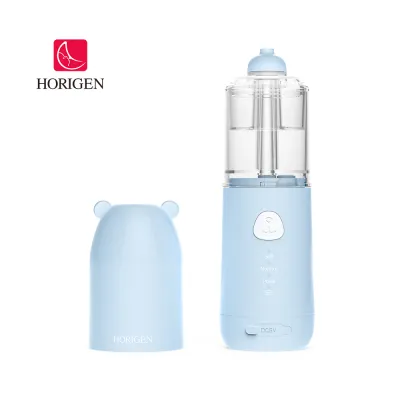
Prices are valid at publication and may change. Please refer to the product page for the latest price.
Key Dimensions for Comparing Nasal Aspirators
To make an informed decision, it is essential to understand the core criteria that differentiate nasal aspirators. Parents face unique environmental challenges, such as high tropical humidity, which can influence device maintenance, mold risks, and overall hygiene. Evaluating devices across these key dimensions will help you choose a model that is both safe and practical.

Suction Mechanism
Nasal aspirators generally fall into three categories: electric, oral/manual, and bulb syringes. Electric models use a motorized pump to generate consistent, hands-free suction, allowing you to focus entirely on holding your baby steady. Oral or manual aspirators rely on parent-controlled suction, where you use a mouthpiece to gently draw out mucus. Bulb syringes are basic, low-cost options that rely on manual air compression. Electric models offer the benefit of continuous suction, whereas manual options give you direct, tactile control over the pressure applied.
Tip Material and Design
The part of the device that touches your baby’s nose must be both gentle and effective. Look for soft, medical-grade silicone tips rather than hard plastic, which can easily irritate or scratch delicate nasal passages. Additionally, check if the device includes different tip sizes. Newborns require a much narrower, shallower tip to prevent inserting the device too deeply, while older toddlers need a wider tip to create an effective seal.
Ease of Cleaning and Hygiene
High humidity makes devices prone to mold and bacterial growth if they are not cleaned and dried properly. A good aspirator must be easy to disassemble, with washable parts and a design that prevents mucus from entering the motor or the parent’s mouthpiece. Backflow filters or dedicated collection chambers are crucial for preventing cross-contamination and ensuring that moisture does not get trapped inside the internal components.
Noise Level and Baby Comfort
Motorized electric aspirators generate noise and vibration. While some babies are unfazed by the gentle hum, others may become startled or resistant. Manual and oral aspirators operate silently, which can make the process less stressful for sensitive infants, especially during late-night cleanings when you want to avoid waking the rest of the household.
Power and Portability
Consider where and how you plan to use the device. Rechargeable electric models offer excellent portability for family trips or visits to the pediatrician, eliminating the need to constantly buy replacement batteries. Manual options require no power source at all, making them highly reliable but dependent on your physical effort.
Evaluating the Horigen Nasal Aspirator
When evaluating the Horigen nasal aspirator, it is important to focus on the observable features and technical specifications provided by the manufacturer rather than relying on generalized claims. Horigen’s baby care line typically emphasizes ergonomic designs and user-friendly electric interfaces, positioning their devices as modern tools for busy parents.
Typical Brand Characteristics
Horigen devices are generally designed with a focus on electric, adjustable suction mechanisms. Their nasal aspirators usually feature a compact, handheld form factor designed to fit comfortably in a parent’s hand, allowing for single-handed operation while keeping your other hand free to comfort and cradle your baby.
What to Verify on the Packaging
Because product specifications can vary by model and production batch, you should always check the product packaging or official documentation. Verify the maximum suction power settings (usually measured in kilopascals or kPa) to ensure they fall within safe pediatric limits. Check the number of included silicone tip sizes, the battery capacity or charging type (such as USB), and the manufacturer’s recommended age range.
User Experience Considerations
Transitioning to an electric aspirator involves a learning curve. You must get used to positioning the silicone tip at the correct angle to create a gentle seal without pressing against the sensitive nasal septum. Additionally, prepare for your baby’s reaction to the electronic humming; introducing the device gradually when your baby is calm can help ease any anxiety.
Local Availability and Support
When buying in the Philippines, ensure you purchase from authorized retailers or official brand stores on major e-commerce platforms. This guarantees that you receive an authentic product and have access to reliable after-sales support, valid warranties, and genuine replacement silicone tips when the original ones wear out over time.
Horigen vs. Common Alternatives in the Market
Comparing the Horigen electric nasal aspirator with other common types of devices helps highlight the practical trade-offs you will encounter during daily use.
Horigen (Electric) vs. Oral Aspirators (Tube-Based)
The primary difference lies in how the suction is generated. Horigen’s motorized suction provides a steady, continuous draw that does not rely on your lung capacity. This can be a major advantage when dealing with thick, stubborn mucus. In contrast, oral aspirators give you complete, real-time control over the suction strength, allowing you to pull gently or firmly as needed. From a hygiene perspective, Horigen utilizes detachable collection chambers to isolate the mucus, whereas oral aspirators rely on inline physical filters to prevent you from inhaling any fluids.
Horigen (Electric) vs. Bulb Syringes
Bulb syringes are widely available and very inexpensive, but they have significant drawbacks. They offer highly inconsistent suction that can sometimes be too abrupt for a newborn’s delicate nose. Cleaning a bulb syringe is notoriously difficult because the opaque interior cannot be easily inspected, creating a high risk of mold accumulation—a particularly serious concern in warm, humid climates. Horigen’s transparent, detachable parts are much easier to wash, sterilize, and visually inspect for cleanliness.
Horigen vs. Other Electric Brands
When stacked against other electric aspirators available in the Philippines, you should compare specific features rather than assuming one brand is universally superior. Look closely at the warranty terms offered by local distributors. Check if replacement parts, especially the silicone tips and collection chambers, are easily purchasable online. Some electric brands may offer built-in music or light features to distract the baby, while others focus strictly on compact utility and high battery life.
Price and Value Assessment
Electric aspirators are a more significant financial investment than manual options. In the Philippines, manual and oral aspirators typically range from ₱150 to ₱500, while electric models, including Horigen, generally range from ₱1,200 to ₱3,500 depending on the model and included features. To assess the value of a Horigen model, weigh the upfront price against the included accessories. A package that includes multiple tip sizes, a dedicated carrying case, a USB charging cable, and a comprehensive local warranty often provides better long-term value than a cheaper model that requires you to purchase accessories separately.
Decision Framework: Which Aspirator Should You Buy?
To help you choose the right device for your household, consider the following decision pathways based on your specific lifestyle, budget, and baby’s needs.
Choose Horigen (or similar electric brands) if:
- You want consistent, motorized suction that does not require physical effort or lung power.
- Your baby is comfortable with mild motor hums and vibrations.
- You prefer a device with detachable, clear collection chambers that are easy to wash and inspect.
- You want the flexibility of adjustable suction levels to handle varying degrees of congestion.
Choose an Oral/Manual Aspirator if:
- You want absolute, immediate control over the suction force to prevent any discomfort.
- You need a highly compact, lightweight, and silent option that easily fits into a diaper bag for travel.
- Your baby is highly sensitive to electronic noises or easily startled by motorized devices.
Choose a Bulb Syringe if:
- You only need a temporary, low-cost backup option for very mild, occasional congestion.
- You are prepared to follow a highly rigorous cleaning, sterilizing, and drying routine after every single use to prevent mold.
Verify First:
Before using any mechanical suction device, consider your baby’s health status. If your baby was born prematurely, has a history of respiratory conditions, or suffers from chronic, severe congestion, always consult a pediatrician before introducing an aspirator. They can provide tailored guidance on safe suction levels and techniques.
Safe Usage and Maintenance Guidelines
Using a nasal aspirator correctly is vital to protect your baby’s delicate nasal passages from irritation, swelling, or minor bleeding.
Usage Limits
While it can be tempting to clear your baby’s nose every time you hear a sniffle, pediatricians generally advise limiting suctioning to 2 to 4 times a day. Overusing any aspirator can irritate the sensitive nasal lining, leading to increased swelling and making congestion worse. It is best to use the device primarily before feedings to help your baby latch comfortably, and before bedtime to promote better sleep.
Preparation with Saline
Always prepare the nasal passages before suctioning. Administering one to two drops of pediatric saline solution into each nostril helps loosen and soften thick, stubborn mucus. Wait a few moments for the saline to work before applying the aspirator. This step makes the suctioning process significantly more effective and far more comfortable for your baby.
Cleaning Routine
Proper maintenance is essential, especially in the humid Philippine climate where mold can develop rapidly. After each use, disassemble all detachable parts, including the silicone tips and the collection chamber. Wash them thoroughly with warm, soapy water. Allow all parts to air-dry completely on a clean surface before reassembling or storing the device. Never submerge the motorized base of an electric aspirator in water; instead, wipe it down with a damp cloth if necessary.
When to Stop and Seek Help
Stop using the aspirator immediately if you notice any nasal bleeding, visible redness, or swelling inside the nostrils. If your baby’s congestion does not improve after a few days, or if it is accompanied by other symptoms such as a high fever, difficulty breathing, persistent coughing, or poor feeding, consult a healthcare professional right away for a proper diagnosis.
Frequently Asked Questions (FAQ)
How many times a day can I safely use a nasal aspirator on my baby?
Pediatricians generally recommend limiting the use of a nasal aspirator to 2 to 4 times a day. Suctioning too frequently can irritate and inflame the delicate tissues inside your baby’s nose, which can actually worsen congestion. For the best results, schedule suctioning sessions around key daily routines, such as shortly before feeding times and right before putting your baby down to sleep.
Can I use an electric nasal aspirator on a newborn?
You can use an electric nasal aspirator on a newborn, provided you verify the manufacturer’s specific age, weight, and usage guidelines on the product packaging first. If the model is approved for newborns, always use the smallest, narrowest silicone tip provided to ensure a safe fit. Start with the lowest suction setting, monitor your baby’s comfort closely, and stop immediately if they show signs of distress.
What is the best way to clean an electric nasal aspirator to prevent mold?
To prevent mold growth, especially in humid tropical environments, always clean the device immediately after use. Disassemble only the washable parts, such as the silicone tips and the mucus collection cup, and wash them thoroughly with warm, soapy water. Ensure the motorized base remains completely dry and is never submerged in water. Allow all washed parts to air-dry completely in a well-ventilated area before reassembling the unit.

Community discussion
Share your experience or ask a question. Comments are reviewed before publication.