
Deciding on the right breast pump is one of the most significant choices you will make during your breastfeeding journey. The decision between a Horigen manual pump and a Horigen electric pump depends on several personal factors, including how often you plan to express milk, your daily schedule, and your specific milk supply goals. While manual pumps offer unmatched portability and simplicity for occasional use, electric pumps provide the efficiency, consistent suction, and hands-free convenience necessary for exclusive pumping or transitioning back to a busy workplace.
In the Philippines, mothers often balance unique challenges, such as navigating humid tropical weather, managing daily commutes, and preparing for potential power interruptions. Finding a pump that fits seamlessly into your lifestyle requires evaluating how each option performs under these real-world conditions. By understanding the distinct advantages and limitations of both manual and electric designs, you can select a Horigen pump that supports your lactation goals without adding unnecessary stress to your daily routine.
Identifying Your Pumping Frequency and Lifestyle Needs
Before comparing specific pump models, it is essential to evaluate your personal breastfeeding routine and long-term feeding goals. Mothers who plan to breastfeed directly most of the time may only need a pump for occasional relief from engorgement or to let a partner handle a night feeding. In contrast, mothers who are returning to full-time office work or who are exclusively pumping will require a system designed for frequent, high-volume use throughout the day.
Products mentioned in this guide
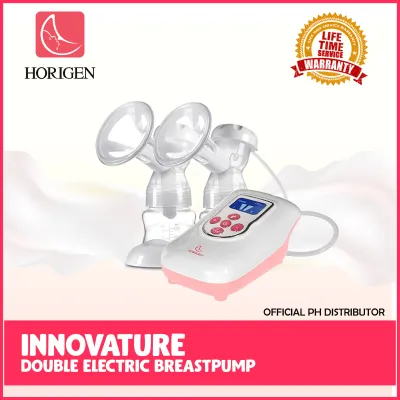
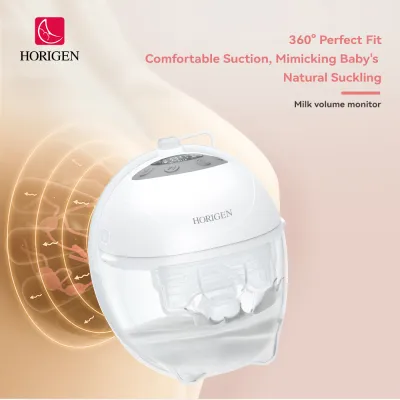
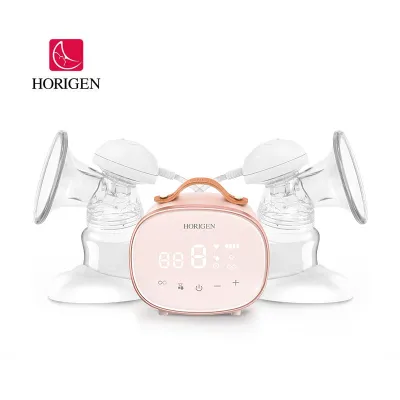
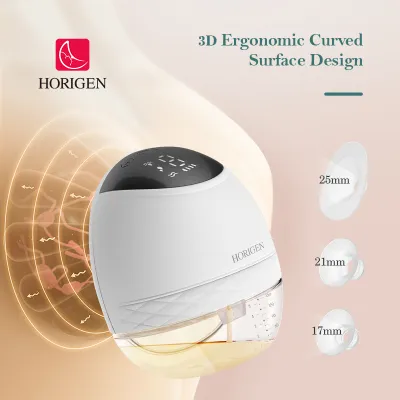
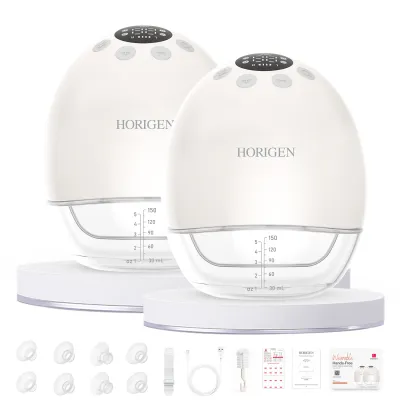
Prices are valid at publication and may change. Please refer to the product page for the latest price.
Your daily mobility and work environment play a critical role in this decision. If your job involves frequent travel, field visits, or working in locations where finding a private space with an electrical outlet is difficult, a highly portable option is vital. On the other hand, if you work in an office with a dedicated lactation room or work from home with a stable desk setup, a larger, plug-in or rechargeable electric system becomes highly practical.
Budget constraints are another practical factor to consider. While investing in breastfeeding equipment is a priority, families must balance this with other newborn expenses. Manual pumps generally represent a lower upfront cost, making them highly accessible. Electric pumps require a larger initial financial commitment in ₱, but they can save significant time and physical effort over months of daily use. Assessing how long you plan to pump can help you determine if the time-saving benefits of an electric model justify the higher initial price.
Evaluating Horigen Manual Breast Pumps
A manual breast pump relies entirely on physical hand power to create and release suction. This simple, non-electric design makes it an excellent option for mothers who value quiet operation, complete control over their pumping pace, and maximum portability. Because it does not require batteries or an electrical outlet, a manual pump can be used anywhere, from a quiet corner of your home to a car during a long commute.

Manual pumps are particularly well-suited for specific, low-frequency use cases. If you primarily nurse your baby directly but want to express a small amount of milk to relieve fullness or to mix with early solid foods, a manual device is often all you need. It is also a highly reliable backup pump to keep in your diaper bag or office drawer in case of emergencies, such as unexpected power outages or when your primary electric pump is unavailable.
However, using a manual pump requires a higher level of physical effort and time commitment. Because you must manually squeeze the handle to maintain suction cycles, pumping both breasts can take longer and may lead to hand fatigue over extended sessions. There is also a learning curve involved in finding the right rhythm and hand pressure to mimic your baby’s natural nursing pattern. When choosing a manual model, it is wise to check the manufacturer’s specifications for ergonomic handle designs and lightweight components that help minimize hand strain during use.
Evaluating Horigen Electric Breast Pumps
Electric breast pumps utilize a motorized unit to automate the suction and release cycles, offering a highly efficient and hands-free experience. These systems are designed to mimic a baby’s natural sucking reflex through distinct phases, typically starting with a rapid stimulation mode to trigger milk let-down, followed by a slower, deeper expression mode. This automation allows mothers to express milk quickly and consistently from one or both breasts simultaneously.
For mothers who are returning to work, managing a busy household, or exclusively pumping, an electric pump is often a necessity. It significantly reduces the time required for each session, allowing you to multitask or rest while the machine does the work. Electric models are also highly beneficial for mothers working to build or maintain a robust milk supply, as the consistent, adjustable suction helps stimulate milk production more effectively than manual expression.
When evaluating electric options, pay close attention to the power source and operational noise levels. Many modern electric pumps feature built-in rechargeable batteries, which offer excellent mobility and serve as a crucial safeguard during power interruptions. It is also important to verify the adjustable suction strength and cycle modes listed on the product label to ensure you can customize the settings for maximum comfort. While electric pumps do produce some motor noise, many models are designed to operate quietly enough for discreet use in an office or next to a sleeping baby.
Comparing Core Features: Manual vs. Electric Horigen Pumps
To make an informed choice, it helps to compare how manual and electric Horigen pumps perform across several practical, everyday categories. Portability and weight are major considerations for active mothers. A manual pump consists of only a few lightweight plastic parts, easily fitting into a standard handbag without adding noticeable weight. An electric pump, while still portable, requires carrying a motor unit, power cords, tubing, and potentially a cooler bag for stored milk, which demands more space in your daily bag.
The time required for setup, assembly, and daily cleaning is another key differentiator. Manual pumps have a simple design with minimal parts, making them quick to assemble and easy to wash. This simplicity is particularly advantageous in humid tropical climates, where thorough cleaning and rapid drying are essential to prevent mold and bacterial growth. Electric pumps involve more intricate components, such as tubing, membranes, and valves, which require careful assembly and more detailed cleaning routines to maintain hygienic operation.
Power dependency is a critical factor to weigh, especially in regions prone to seasonal weather disruptions or brownouts. A manual pump is entirely self-sufficient and always ready for use, regardless of power availability. An electric pump, even one with a rechargeable battery, ultimately depends on access to electricity for recharging. If you choose an electric model, having a manual pump as a backup is a highly recommended strategy to ensure you are never left without a way to express milk.
In terms of financial investment, manual pumps are highly budget-friendly, typically costing under ₱1,500, making them an easy addition to your baby registry or initial shopping list. Electric pumps represent a more substantial investment, often ranging from several thousand pesos depending on the features, battery capacity, and whether it is a single or double pump system. While the cost is higher, the investment can be highly cost-effective when measured against the hours of manual labor saved over a year of breastfeeding.
Making Your Final Decision: Which Horigen Pump to Choose
Your final decision should align with your daily routine, physical comfort, and feeding plans. To help guide your choice, consider the following practical decision framework based on your specific circumstances.
Choose a manual pump if:
- You plan to breastfeed directly most of the time and only need to pump occasionally.
- You need a lightweight, silent, and highly portable backup pump for travel or emergencies.
- You prefer a budget-friendly option that does not rely on electricity or batteries.
- You want complete, manual control over the suction speed and pressure during every session.
Choose an electric pump if:
- You are returning to work or school and need to pump multiple times a day on a strict schedule.
- You are exclusively pumping or working to increase a low milk supply.
- You want to minimize physical hand fatigue and prefer an automated, hands-free pumping experience.
- You need to express milk quickly and efficiently from both breasts simultaneously to save time.
Verify first if:
- You are unsure about your correct flange size, as an improper fit can cause pain and reduce milk output.
- You require specific hospital-grade suction levels or specialized cycle modes for medical reasons.
- You have checked the local warranty coverage and availability of replacement parts, such as valves and membranes, from authorized distributors in the Philippines.
Frequently Asked Questions (FAQ)
Can I use a manual pump to build a large freezer stash?
While it is physically possible to express milk and build a freezer stash using a manual pump, doing so on a large scale can be highly challenging. The physical effort required to pump frequently can lead to significant hand and wrist fatigue over time. Additionally, manual pumping generally takes longer per session compared to a double electric pump. If your goal is to build a substantial milk bank, an electric pump is highly recommended for its efficiency, though a manual pump remains a useful tool for occasional extra sessions.
Are Horigen pump parts interchangeable between manual and electric models?
Compatibility between Horigen pump parts varies significantly depending on the specific model lines and product generations. While some basic components like bottles or certain silicone cushions may fit multiple devices, critical parts like valves, diaphragms, and tubing are often designed specifically for either manual or electric configurations. To avoid damaging your pump or reducing its suction efficiency, always verify part numbers and cross-compatibility charts on the official packaging or the manufacturer’s website before purchasing replacement parts.
How do I know if the flange size is correct for my Horigen pump?
A correct flange fit is essential for both comfort and efficient milk expression. You can observe signs of a poor fit during a pumping session, such as your nipple rubbing against the sides of the flange tunnel, excessive breast tissue being pulled into the tunnel, or experiencing persistent pain and low milk output. To ensure a proper fit, use a measuring tool to determine your nipple diameter before pumping, consult the brand’s official sizing guide, or seek guidance from a certified lactation professional.

Community discussion
Share your experience or ask a question. Comments are reviewed before publication.