
Selecting the right feeding bottle for your baby involves balancing durability, weight, and daily maintenance. When exploring the Horigen feeding bottle lineup, you will encounter three primary materials: glass, polyphenylsulfone (PPSU), and polypropylene (PP). Each material offers distinct physical properties that affect how the bottle handles high temperatures, resists wear, and fits into your daily feeding routine.
Understanding these differences is essential for matching a bottle to your baby’s developmental stage and your household’s sterilization setup. While glass provides excellent purity and longevity, plastics like PPSU and PP offer lightweight portability that is highly practical for active families. By evaluating the unique characteristics of each material, you can make an informed decision that supports your baby’s feeding journey from the newborn weeks through toddlerhood.
Understanding Horigen Bottle Materials: Glass, PPSU, and PP
To make the right choice, it helps to understand what these materials actually are. Glass is a traditional, non-porous material known for its exceptional chemical stability and clarity. It does not absorb odors or colors from milk and can withstand extreme temperature changes without degrading. When handling a glass Horigen feeding bottle, you are using a material that remains structurally inert over years of use, though it requires careful handling to avoid breakage.
Products mentioned in this guide
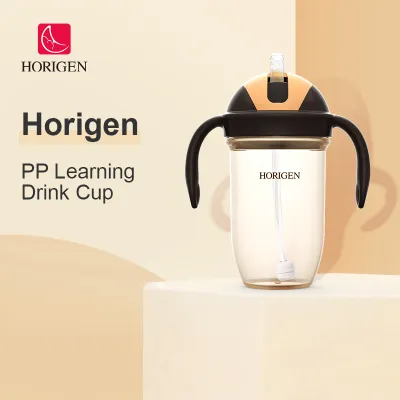
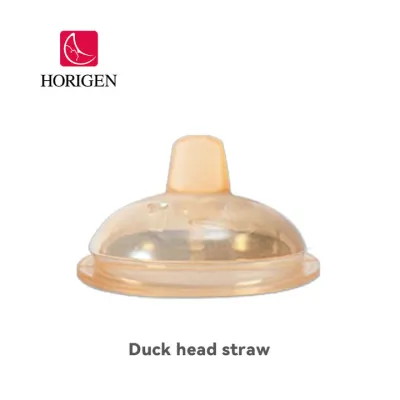
Prices are valid at publication and may change. Please refer to the product page for the latest price.
PPSU, or polyphenylsulfone, is a high-performance medical-grade thermoplastic. It is easily recognizable by its natural, honey-colored or amber tint. PPSU combines the durability of glass with the lightweight convenience of plastic. It is highly resistant to heat and impact, making it a premium choice for parents who want a durable bottle that can endure repeated sterilization cycles without losing its structural integrity.
PP, or polypropylene, is a standard, budget-friendly plastic widely used in baby products. It is lightweight and has a slightly cloudy or milky appearance compared to the crystal-clear glass or amber-toned PPSU. While PP is highly functional and safe for feeding, it has a lower heat tolerance and is more susceptible to scratching and wear over time.
When purchasing a Horigen feeding bottle, always inspect the packaging and the bottle itself for specific material markings. Manufacturers typically print recycling codes or material abbreviations on the base of the bottle or within the user manual. Verifying these markings ensures you know exactly which polymer or glass type you are handling, allowing you to follow the correct care instructions.
Keep in mind that while material names indicate the base composition, exact heat resistance limits and safety certifications can vary. Always refer to the product insert or official Horigen documentation to confirm the maximum temperature your specific bottle can safely tolerate. This step is crucial for preventing accidental damage during high-temperature cleaning or sterilization.
Comparing Durability, Weight, and Daily Practicality
The physical differences between glass, PPSU, and PP directly impact how you and your baby interact with the bottle daily. Weight is a primary consideration, especially as your baby grows and begins to show interest in holding the bottle. Glass bottles are significantly heavier, which means they are generally best suited for parent-led feeding sessions during the early months when you are doing all the holding.

In contrast, PPSU and PP bottles are remarkably lightweight. This makes them much easier for older infants who are developing their fine motor skills and learning to self-feed. A lighter bottle reduces fatigue for tiny hands and minimizes the risk of the bottle dropping onto your baby’s face or chest during a feed.
Shatter resistance is another critical factor in daily practicality. In many households, particularly in tropical climates like the Philippines where tiled floors are common to keep homes cool, dropping a bottle is an inevitable part of daily life. A glass bottle can shatter or chip upon impact with hard surfaces, creating immediate safety hazards. PPSU and PP are highly shatter-resistant, offering peace of mind when bottles are dropped from high chairs or tossed out of strollers.
Visual clarity and long-term wear also set these materials apart. Glass maintains its crystal-clear transparency indefinitely, allowing you to read measurement markings easily even after hundreds of washes. PPSU also retains good clarity over time, resisting the cloudiness that often plagues cheaper plastics. PP, however, is prone to scratching from bottle brushes and can become cloudy or stained after repeated use, which may eventually make it difficult to measure milk or formula accurately.
Cleaning, Sterilization, and Maintenance Guidelines
Proper maintenance is essential for keeping your baby’s bottles hygienic, but the correct cleaning routine depends heavily on the material you choose. For daily cleaning, use warm water, a mild baby-safe detergent, and a soft brush. Silicone bottle brushes are highly recommended for PPSU and PP bottles, as stiff nylon bristles can create microscopic scratches where bacteria can accumulate.
Regularly inspecting your bottles is a vital safety practice. For glass bottles, run your fingers along the rim and body to check for hairline cracks, chips, or internal fractures that could compromise the bottle’s strength. For PPSU and PP bottles, look for deep scratches, persistent cloudiness, or areas where the plastic feels sticky or thin.
Sterilization requirements vary significantly across these materials due to their differing heat tolerances. Glass and PPSU can generally withstand high-temperature sterilization methods, including boiling water, steam sterilizers, and UV sterilizers. PP has a lower heat threshold, meaning frequent exposure to extreme heat or UV light can accelerate its degradation, causing the plastic to become brittle. Always verify the approved sterilization methods listed in your specific Horigen bottle’s manual to avoid warping or damaging the components.
In warm, humid environments, drying your bottles thoroughly after sterilization is just as important as the washing process itself. Moisture left inside a bottle can encourage mold and bacterial growth. Ensure all parts are placed on a clean, well-ventilated drying rack away from direct sunlight, which can degrade plastic materials over time.
Knowing when to retire a bottle is crucial for maintaining feeding safety. While a glass bottle can last indefinitely if it remains free of chips and cracks, plastic bottles have a limited lifespan. If you observe any structural degradation, such as a sticky texture, a lingering sour odor that survives washing, or severe discoloration, the bottle must be replaced immediately.
How to Choose the Right Horigen Bottle for Your Baby's Stage
Selecting the right Horigen bottle involves matching the material to your baby’s age, your lifestyle, and your budget. For newborns, glass is often an excellent choice because parents handle the feeding, and the material’s high durability allows for frequent, rigorous sterilization during the weeks when the baby’s immune system is most vulnerable.
As your baby transitions to independent holding and active play, switching to PPSU or PP is highly practical. PPSU serves as an excellent long-term investment for families who travel frequently or need bottles that can transition from home to daycare. It offers the durability of glass without the weight or breakage risks, making it ideal for busy, on-the-go routines.
If you are managing a tight budget or need a large inventory of backup bottles, PP is a highly economical option. While PP bottles may need to be replaced more frequently than PPSU or glass, their lower cost in ₱ makes them highly accessible. This allows you to keep multiple bottles on hand without a significant upfront investment.
Before making your final purchase, consider your existing feeding accessories. Ensure that the bottle material and neck size you select are fully compatible with your preferred Horigen nipple flow rates. If you plan to pump directly into the bottles, verify whether they connect seamlessly to your breast pump or if you will need specific adapters to bridge the system.
Frequently Asked Questions (FAQ)
Can I mix different Horigen bottle materials for the same baby?
Yes, mixing different bottle materials is entirely acceptable and often highly practical. You might prefer using glass bottles at home for nighttime feedings and lightweight PPSU or PP bottles when traveling or visiting relatives. When mixing materials, ensure you maintain consistency in the nipple shape and flow rate so your baby does not experience nipple confusion or feeding frustration. Keep in mind that different materials may require separate sterilization routines, so always check the manufacturer’s guidelines for each bottle type.
How do I know when it is time to replace a PPSU or PP bottle?
You should replace a plastic bottle immediately if you notice any visible signs of wear or structural changes. These signs include persistent cloudiness that does not clear after washing, lingering odors, a sticky or tacky surface texture, or deep scratches on the interior walls. Additionally, always follow the manufacturer’s recommended replacement timeline, which is typically found in the product manual, to ensure your baby’s feeding equipment remains safe and hygienic.

Community discussion
Share your experience or ask a question. Comments are reviewed before publication.