
Choosing the right toddler milk for your child is a significant decision that often comes down to balancing nutritional philosophies, convenience, and household budget. For parents in the Philippines, the choice frequently narrows down to premium organic options like HiPP Organic 1-3 or widely trusted mainstream brands such as Nido, NAN, and Enfagrow. The best choice depends on whether your primary goal is adhering to strict organic farming standards or securing a highly accessible, standard-fortified milk that fits a practical daily budget.
While HiPP Organic 1-3 emphasizes European organic agricultural standards and minimal synthetic processing, mainstream brands like Nido, NAN, and Enfagrow focus on robust, widely accepted nutrient fortification. Because every child’s digestive system and nutritional requirements are unique, it is essential to consult your pediatrician before making any changes to your toddler’s diet. This guide provides a practical framework to help you compare these options, read ingredient labels critically, and make an informed decision for your family.
Comparing Nutritional Profiles and Ingredient Standards
When comparing organic toddler milk with mainstream commercial formulations, the primary distinction lies in how the ingredients are sourced and processed. Organic certification, such as the European Union organic seal often found on HiPP products, guarantees that the milk comes from dairy farms adhering to strict ecological guidelines. These standards prohibit the use of synthetic pesticides, chemical fertilizers, prophylactic antibiotics, and genetically modified organisms (GMOs) in the cows’ feed. For parents who prioritize minimizing their child’s exposure to synthetic chemical residues, this certification offers a high level of reassurance.
Products mentioned in this guide
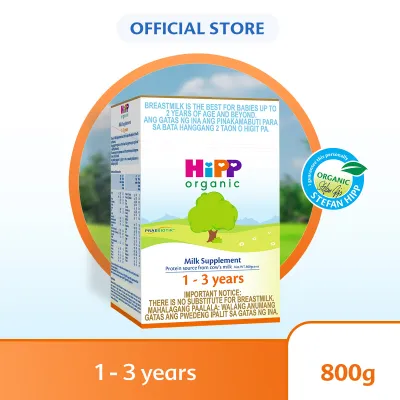
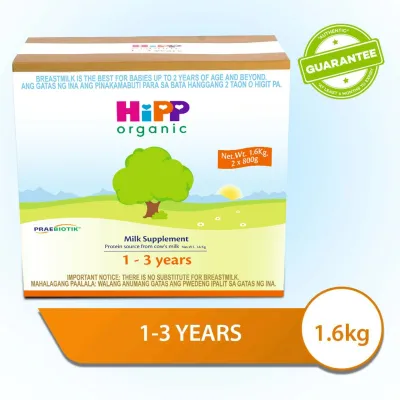
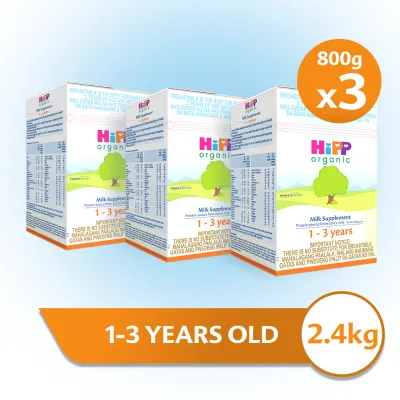
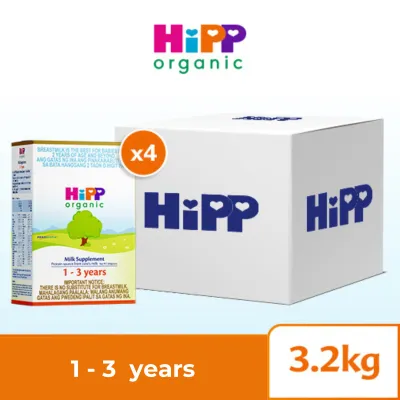
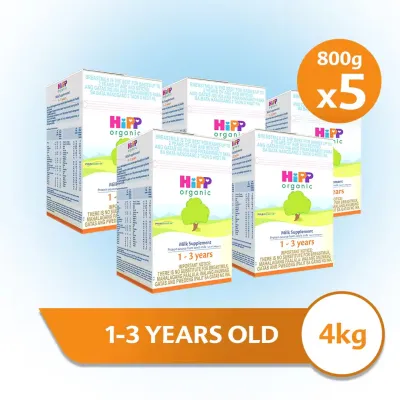
Prices are valid at publication and may change. Please refer to the product page for the latest price.
In contrast, mainstream brands like Nido, NAN, and Enfagrow utilize standard commercial dairy farming methods. While these brands do not carry organic certifications, they comply fully with local and international food safety regulations. Their formulations are highly engineered to provide consistent levels of essential vitamins, minerals, and macronutrients. Mainstream brands often highlight specific proprietary nutrient blends, such as specialized lipid profiles, dietary fibers, or synthetic prebiotics, which are designed to support overall growth and development.
To make an objective comparison, parents must become adept at reading the nutrition facts and ingredient lists printed on the back of the tin. One of the most critical elements to check is the presence of added sugars or artificial flavorings. Some toddler milks contain sucrose, corn syrup solids, maltodextrin, or artificial vanilla flavors to enhance taste and solubility. If you prefer to avoid added sugars, look for formulations where lactose is the sole carbohydrate source, which is a common characteristic of many organic formulas.
Additionally, you should verify the specific protein and fat sources listed on the packaging. Toddler milks can vary in their whey-to-casein ratios, which can affect how easily the milk is digested. The fat profile is also worth examining; some brands use a blend of vegetable oils to mimic the fatty acid profile of breast milk, while others may include fish oil or algal oil as a source of docosahexaenoic acid (DHA). Always check the label to see if these ingredients align with your family’s dietary preferences.
It is important to remember that toddler milk is designed as a nutritional supplement for children aged one to three years, not as a complete meal replacement. At this developmental stage, the vast majority of your child’s nutrition should come from a diverse diet of solid foods, including fruits, vegetables, whole grains, and lean proteins. Toddler milk serves as a safety net to fill potential nutritional gaps, meaning that the absolute levels of fortified vitamins in a specific brand may be less critical if your child is already eating a well-balanced diet.
Evaluating Taste, Mixability, and Toddler Acceptance
Transitioning a toddler to a new milk brand can sometimes present practical challenges, particularly regarding taste and texture. Organic toddler milks often have a milder, less sweet, and more natural dairy flavor because they generally lack artificial flavorings or high levels of added sweeteners. Mainstream brands, on the other hand, may have a sweeter profile or distinct vanilla notes that toddlers find highly appealing. If your child is accustomed to a sweeter mainstream milk, they may initially reject the more neutral taste of an organic formula.

Mixability is another practical factor that parents must manage daily, especially in the warm and humid climate of the Philippines. High humidity can cause milk powder to absorb moisture rapidly once the tin is opened, leading to clumping during preparation. When preparing any toddler milk, it is vital to follow the manufacturer’s instructions precisely, using the exact water temperature and scoop-to-water ratio specified. Some organic formulas, due to the absence of synthetic emulsifiers, may require more vigorous shaking or slightly warmer water to dissolve completely without leaving residue at the bottom of the bottle.
To minimize digestive upset and ensure your child accepts the new taste, a gradual transition method is highly recommended. Instead of switching abruptly from one brand to another, you can slowly introduce the new milk over a period of several days. For instance, you might start by replacing just one feed on the first day, then two feeds on the third day, gradually increasing the proportion of the new milk until the transition is complete. This slow adjustment gives your child’s digestive system time to adapt to the new protein and carbohydrate structures.
Throughout any transition period, close caregiver supervision is essential. Parents should carefully monitor their toddler for any signs of physical discomfort, digestive changes, or allergic reactions. Common indicators of intolerance include excessive gas, abdominal bloating, sudden changes in stool consistency (such as severe diarrhea or constipation), skin rashes, or vomiting. If you observe any of these symptoms, stop using the new milk immediately and consult your pediatrician for professional guidance.
Assessing Price, Availability, and Value in the Philippines
Evaluating the financial commitment of a toddler milk brand requires looking beyond the retail price of a single tin. To calculate the true cost of feeding, parents should determine the cost per serving using the net weight and the recommended scoop measurements printed on the packaging. First, identify the weight of a single scoop in grams, then divide the total net weight of the tin by this scoop weight to find the total number of scoops per container. By dividing the retail price of the tin by the number of servings your child consumes daily, you can establish a realistic monthly budget for each brand.
Availability is another crucial factor that directly impacts daily convenience. Mainstream brands like Nido, NAN, and Enfagrow enjoy extensive distribution networks across the Philippines. You can easily find them on the shelves of local supermarkets, neighborhood grocery stores, and major pharmacies in almost every province. This widespread availability ensures that you are unlikely to run out of milk unexpectedly, even when traveling or during local supply disruptions.
In contrast, premium organic brands like HiPP Organic 1-3 have a more selective distribution footprint. They are typically found in specialty baby boutiques, high-end supermarkets in major metropolitan areas, or through authorized online flagship stores on major e-commerce platforms. If you choose an organic brand, you must plan your purchases in advance to account for shipping times and potential stock shortages. Relying on online delivery also means factoring in shipping fees, which can fluctuate based on your location.
When purchasing imported organic brands online, it is critical to buy only from authorized sellers and official brand stores. The popularity of premium baby products has led to the emergence of unauthorized parallel imports or counterfeit goods in online marketplaces. Always inspect the product packaging upon delivery, verifying that the safety seals are intact, the expiration dates are clearly printed, and the tin has not been dented or compromised. Because retail prices and online promotions change frequently, parents should verify current costs and stock availability at the time of purchase.
Decision Framework: Which Toddler Milk Fits Your Child?
To help you make the final decision, consider how each brand aligns with your household priorities, budget, and lifestyle.
Choose HiPP Organic 1-3 if:
- Organic Sourcing is Your Priority: You want to ensure your child's milk is produced without synthetic pesticides, chemical fertilizers, or genetically modified ingredients.
- You Prefer Minimal Additives: You are looking for a formulation that avoids artificial flavors, sweeteners, and synthetic emulsifiers.
- You Have Reliable Access and Budget: You live in an area with easy access to specialty stores or are comfortable managing online orders, and your household budget can accommodate a premium price point.
Choose Nido, NAN, or Enfagrow if:
- Widespread Availability is Essential: You want the peace of mind that comes with being able to buy your child's milk at any local supermarket or pharmacy in the Philippines.
- You Need a Budget-Friendly Option: You prefer a cost-effective choice that offers standard, reliable nutrient fortification without the premium price tag of organic certification.
- Your Child Prefers Mainstream Flavors: Your toddler is sensitive to taste variations and prefers the sweeter, familiar flavor profiles of standard commercial formulations.
Verify first if:
- Your Child Has Specific Health Needs: If your toddler has a history of cow's milk protein allergy, lactose intolerance, or chronic digestive issues, standard toddler milks may not be suitable.
- You Have Consulted Your Pediatrician: Always seek professional medical advice before switching formulas or introducing a new milk brand to ensure it meets your child's specific developmental milestones and health requirements.
Frequently Asked Questions (FAQ)
Is toddler milk necessary for children aged 1 to 3 years?
Toddler milk is not a strict nutritional necessity if your child is already consuming a well-balanced, diverse diet of solid foods and drinking whole cow’s milk, provided whole milk has been cleared by your doctor. These formulations are designed as nutritional supplements to help fill potential gaps in active or picky eaters who may not get enough iron, vitamin D, or other essential nutrients from solid foods alone. You should consult your pediatrician to assess your child’s growth and dietary intake to determine if additional supplementation through toddler milk is beneficial.
Can I mix different brands of toddler milk in one bottle?
It is highly recommended that you do not mix different brands or types of toddler milk in the same bottle. Each manufacturer designs their formula with a precise scoop-to-water ratio and a specific balance of proteins, fats, and micronutrients. Mixing powders can alter this delicate concentration, potentially leading to digestive strain, dehydration, or improper nutrient absorption. If you are transitioning your child to a new brand, it is safer to finish one prepared bottle of the current brand and offer the new brand in a separate, subsequent feeding using a gradual replacement schedule.

Community discussion
Share your experience or ask a question. Comments are reviewed before publication.