
Choosing the right formula milk for your baby is one of the most significant decisions you will make as a parent. With options like HiPP CS, Nido, NAN, and Enfagrow lining the shelves of supermarkets and pharmacies in the Philippines, the sheer volume of choices can feel overwhelming. Every brand claims unique benefits, leaving parents to wonder which one truly supports their child’s growth.
The quick answer is that there is no single “best” formula milk for every baby. The ideal choice depends entirely on your baby’s exact age, specific dietary needs, digestive tolerance, and your pediatrician’s guidance. What works perfectly for one infant might cause digestive discomfort for another, making a personalized approach essential.
Each of these brands targets a distinct developmental stage and nutritional philosophy. For instance, HiPP CS is often selected by parents seeking specific organic-focused ingredient profiles. Nido is primarily positioned as a growing-up milk drink for older toddlers and children. NAN and Enfagrow offer diverse product lines designed for specific developmental milestones, from infancy through preschool.
Products mentioned in this guide
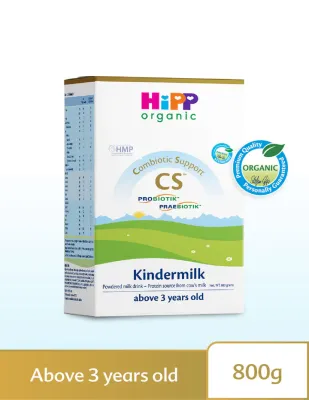
Prices are valid at publication and may change. Please refer to the product page for the latest price.
Before making any decisions or switching brands, you must check the exact product label for the appropriate age stage. Always consult a healthcare professional or pediatrician to ensure the formula aligns with your baby’s health profile.
Brand Overview: HiPP CS, Nido, NAN, and Enfagrow
Understanding the market positioning and target age groups of each brand is the first step in narrowing down your options. Formula milks are highly specialized, and manufacturers design them to meet the nutritional requirements of specific age brackets.
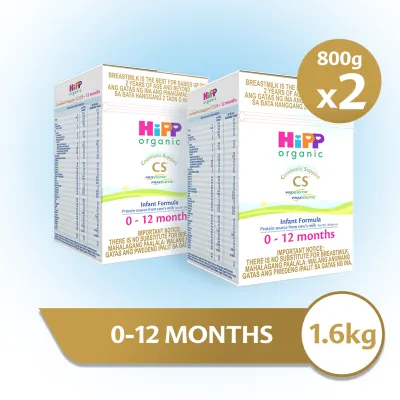
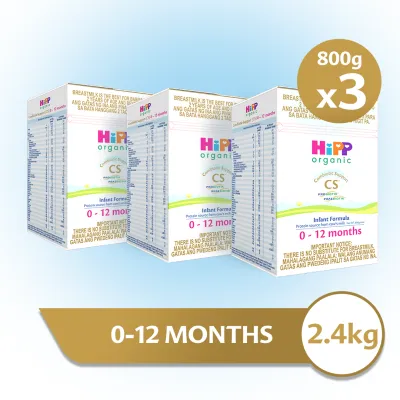
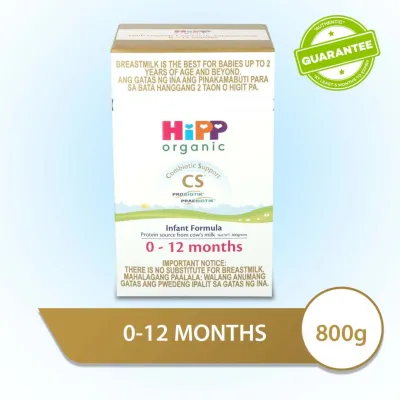
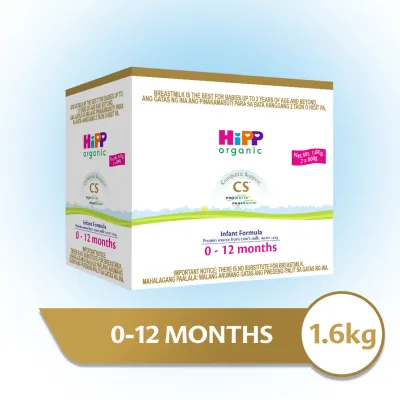
HiPP CS represents a brand philosophy deeply rooted in organic farming standards. Originating from Europe, the brand emphasizes sustainable sourcing and minimal synthetic additives. When purchasing HiPP CS in the Philippines, parents should carefully inspect the local packaging to verify specific organic certifications, ingredient origins, and stage designations, as formulations can vary by region.
Nido is widely recognized as a household staple, but it is crucial to understand its specific positioning. Nido is primarily formulated as a growing-up milk or powdered milk drink, typically targeted at toddlers aged one year and older. It is not designed as an infant formula, and parents must not use it as a breastmilk substitute for babies under twelve months old.
NAN, produced by Nestlé, focuses heavily on scientific research regarding protein quality and gut health. Their product lines span from birth through toddlerhood. When evaluating NAN, parents should check the labels for specific protein blends, such as partially hydrolyzed proteins, which are designed for easier digestion in sensitive tummies.
Enfagrow, manufactured by Mead Johnson, is positioned primarily for toddlers and preschoolers. The brand frequently highlights specific nutrient blends, particularly those containing docosahexaenoic acid (DHA), aimed at supporting brain development. Parents should verify these nutrient claims and concentrations directly on the tin to understand what their child is consuming.
A critical rule of formula comparison is to compare identical age stages rather than comparing across different categories. For example, you should only compare a Stage 1 infant formula from one brand with a Stage 1 infant formula from another. Comparing an infant formula with a growing-up milk like Nido is inaccurate and can lead to dangerous nutritional imbalances for a young infant.
Nutritional Profiles and Ingredient Checklist
Deciphering the nutrition facts panel and ingredient list on a formula tin is the most reliable way to compare brands. Marketing claims on the front of the packaging can be distracting, but the back of the tin holds the factual data you need.

When examining macronutrients, look closely at the protein, fat, and carbohydrate sources. For carbohydrates, check whether the formula relies primarily on lactose, which is the natural sugar found in breastmilk, or if it contains added sugars like corn syrup solids, sucrose, or maltodextrin. Some parents prefer lactose-based formulas, while others may require alternative carbohydrate sources based on their pediatrician’s advice.
Micronutrients require careful attention to ensure they meet local dietary guidelines, such as the Philippine Dietary Reference Intakes. Compare the levels of iron, calcium, vitamin D, and zinc across the brands. Iron is particularly vital for babies over six months old as their natural iron stores begin to deplete, while calcium and vitamin D support bone development during rapid growth phases.
Special additions are common selling points for premium formulas. Look for ingredients like DHA and arachidonic acid (ARA), which are omega-3 and omega-6 fatty acids. Additionally, check for prebiotics (such as galacto-oligosaccharides or GOS) and probiotics, which are live beneficial bacteria. Verify these additions on the ingredient list rather than relying on promotional slogans, and discuss their benefits with your doctor.
Allergens and sensitivities are critical safety considerations. Standard formulas are based on cow’s milk protein, which can trigger allergic reactions or digestive issues in some infants. If your baby experiences persistent gas, skin rashes, or vomiting, check the label for potential allergens like soy or lactose. If you suspect a cow’s milk protein allergy, stop use immediately and consult your pediatrician about specialized hypoallergenic or amino acid-based formulas.
Price, Sizing, and Value Comparison
Feeding a baby formula is a significant ongoing expense, making budget planning essential for Filipino families. However, comparing prices requires looking beyond the retail price tag of a single tin.
To find the true cost of feeding, you should calculate the cost per serving. Start by checking the net weight of the tin (e.g., 400g, 800g, or 1.2kg) and the manufacturer’s feeding table. Divide the retail price in ₱ by the estimated number of servings the tin yields based on the recommended scoop size and water ratio. This calculation reveals the actual daily or monthly cost, helping you avoid the misconception that a cheaper tin is always more economical.
Packaging variations also impact both cost and freshness, especially in the humid, tropical climate of the Philippines. Standard tins provide excellent protection against moisture and pests, which is crucial for maintaining powder quality. Bulk tins often offer a lower cost per gram but must be consumed within a specific timeframe after opening to prevent spoilage. Sachet formats offer convenience for travel or occasional use, but they typically carry a higher price per gram.
Where you purchase formula milk matters for safety and authenticity. Always source your products from official brand stores, major supermarkets, or reputable e-commerce platforms. These channels maintain proper storage conditions, ensuring the powder has not been exposed to extreme heat or humidity during transit.
Be extremely cautious of unusually low prices on unauthorized online shops. Counterfeit or expired formula milk poses severe health risks to your baby, including severe bacterial infections or nutritional deficiencies. If a price seems too good to be true, it is safest to avoid the purchase and stick to authorized retailers.
Decision Framework: Matching Formula to Your Baby's Needs
Choosing the right formula involves matching the specific health profile of your child with your family’s logistical and financial realities. Use this structured framework to guide your final decision.
- Choose HiPP CS if: You prefer a brand with a strong focus on organic ingredient sourcing and minimal synthetic additives. Your pediatrician has reviewed the specific ingredient profile and confirmed it is suitable for your baby's current developmental stage. Your household budget comfortably accommodates a premium-priced formula option.
- Choose Nido if: Your child is an older toddler or preschooler (typically one year or older) transitioning away from infant formula. You are looking for a widely available, cost-effective powdered milk drink to supplement a balanced diet of solid foods. Your child has no known dairy allergies or severe lactose sensitivities.
- Choose NAN if: You are looking for specific infant or toddler formula variants that offer specialized protein blends. Your baby has shown good digestive tolerance to Nestlé's specific formulations in the past. You want a brand with a wide range of stages that can support your child from birth through early childhood.
- Choose Enfagrow if: Your toddler is in a rapid stage of cognitive and physical development and you want a formula with specific DHA and micronutrient levels. The monthly cost of this brand aligns with your calculated family budget. Your child tolerates the taste and formulation without any signs of digestive discomfort.
- Stop and consult a pediatrician if: Your baby exhibits signs of a potential allergy, such as hives, chronic eczema, or breathing difficulties. You notice symptoms of digestive distress, including severe reflux, persistent vomiting, chronic diarrhea, or hard, painful stools. Your child is not gaining weight at a healthy rate or shows signs of lethargy and unusual fussiness after feeding.
Frequently Asked Questions (FAQ)
Can I mix HiPP CS with Nido, NAN, or Enfagrow in the same bottle?
You should strongly avoid mixing different formula brands or stages in a single bottle. Each manufacturer designs their formula with a precise balance of nutrients, specific scoop sizes, and exact water-to-powder ratios. Mixing them alters these concentrations, which can lead to over-concentration or under-concentration.
Over-concentrated formula can strain your baby’s developing kidneys and cause severe dehydration, while under-concentrated formula can lead to nutritional deficiencies. If you need to transition your baby to a new brand, consult your pediatrician to obtain a safe, structured transition plan.
How do I safely transition my baby from one formula brand to another?
A safe transition should be gradual to minimize the risk of digestive upset. Parents often use a systematic method, such as alternating feeds between the old and new formula over several days, rather than mixing the powders in the same bottle. For example, you might replace one feed a day with the new formula, gradually increasing the frequency over a week.
During this transition period, closely monitor your baby for any signs of intolerance. Watch for changes in stool consistency, excessive gas, unusual crying, vomiting, or skin rashes. Always follow the specific preparation instructions, water temperature guidelines, and scoop measurements printed on the new brand’s packaging to ensure safety.

Community discussion
Share your experience or ask a question. Comments are reviewed before publication.