
Whether Heger baby toothpaste is safe for a baby who cannot spit yet depends entirely on the specific formulation of the product you have purchased. Parents must verify the packaging for explicit “fluoride-free,” “safe to swallow,” or “training toothpaste” designations before allowing an infant to ingest it. Because babies during the teething phase naturally swallow whatever is placed in their mouths, standard toothpastes containing fluoride or strong foaming agents are not safe for them.
In the warm, humid climate of the Philippines, keeping your baby comfortable during teething is already a daily challenge. Teething often brings drooling, swollen gums, and a natural urge to chew on anything in sight. Introducing oral hygiene at this stage is crucial, but it requires absolute certainty about the safety of the products you use.
Heger offers different product lines, and formulations can change over time. Therefore, the manufacturer’s label and ingredient list on your specific tube are the ultimate authority. Without independent clinical data or a specific dentist’s recommendation for your child, you must rely on careful label verification.
Products mentioned in this guide


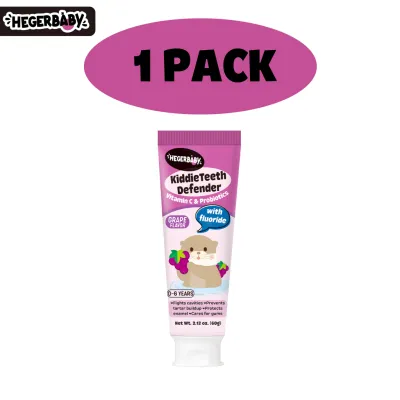
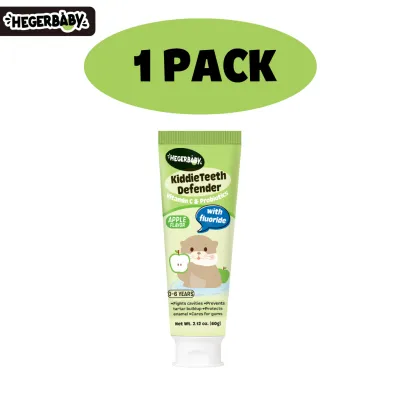
Prices are valid at publication and may change. Please refer to the product page for the latest price.
Evaluating Heger Baby Toothpaste for Non-Spitting Infants
Infants under the age of two generally lack the oral motor coordination required to spit out toothpaste. When you brush their newly erupted teeth, they will inevitably swallow the paste. This makes the chemical composition of the toothpaste a primary safety concern for parents.
Heger, like many baby care brands, designs products tailored to different developmental milestones. Some of their formulations are specifically marketed as training toothpastes. These are typically formulated without fluoride to ensure that if a baby swallows a small amount during brushing, it will not cause systemic issues.
However, parents must not assume that all products under the Heger brand are identical. Some variants may be formulated for older toddlers who have already mastered the ability to spit. These older-stage toothpastes might contain fluoride or other active ingredients that should not be swallowed regularly.
To evaluate the safety of your specific tube, inspect the outer box and the tube itself. Look for clear, localized English instructions or labels indicating age suitability (such as “0-2 years” or “6+ months”). If the packaging lacks clear English translations or does not explicitly state that it is safe if swallowed, treat it with caution and verify the ingredients manually.
Key Ingredients and Label Checks for Infant Toothpaste
When reading the ingredient list of a baby toothpaste, certain components require close inspection. For non-spitting infants, the absence of fluoride is often the primary indicator of a swallow-safe training paste. While fluoride is highly effective at preventing cavities in older children, swallowing it consistently during early infancy can lead to complications.

Another ingredient to watch out for is Sodium Lauryl Sulfate (SLS). SLS is a common foaming agent used in adult toothpastes to create a satisfying lather. However, in infants, SLS can cause mucosal irritation, dry out the delicate tissues of the mouth, or contribute to painful mouth sores. A safe infant toothpaste should ideally be SLS-free and low-foaming.
Artificial sweeteners, synthetic dyes, and strong artificial flavorings should also be minimized. While pleasant flavors encourage babies to cooperate during brushing, overly sweet pastes might encourage them to actively suck the toothpaste off the brush rather than allowing you to clean their teeth. Look for natural sweetening agents like xylitol, which also helps inhibit cavity-causing bacteria, but ensure it is listed alongside other safe, food-grade ingredients.
Always check the packaging for a clear batch number, manufacturing date, and expiration date. In tropical climates where high humidity and heat can affect the stability of cosmetic and oral care products, storing the toothpaste in a cool, dry place away from direct sunlight is essential to prevent ingredient separation or spoilage.
If you find the ingredient list confusing, untranslated, or missing crucial safety warnings, do not hesitate to consult a pediatric dentist. They can provide a professional assessment of the formulation and advise whether it aligns with your baby’s specific oral health needs, especially if your child has known food allergies or sensitive skin.
Safe Brushing Practices for Teething and Non-Spitting Babies
Even when using a verified swallow-safe training toothpaste, the quantity used must be strictly controlled. For infants and toddlers who cannot spit, pediatric dental guidelines recommend using only a tiny “smear” or a portion no larger than a single grain of rice. This minimal amount ensures that even if the baby swallows the entire portion, the systemic exposure to any ingredient is negligible.
To apply this safely, squeeze a tiny dot of toothpaste onto the bristles of an age-appropriate infant toothbrush. A soft-bristled brush with a small, rounded head is ideal for protecting delicate gums. Alternatively, for very young babies with only one or two erupted teeth, a clean silicone finger brush can be used to gently massage the gums and clean the tooth surfaces.
Teething can make a baby’s gums highly sensitive, leading to fussiness during brushing. To manage this discomfort without relying excessively on toothpaste, you can introduce non-chemical soothing methods. Offering a chilled (not frozen) teething ring or gently massaging the gums with a clean, damp washcloth can provide significant relief. The physical friction of the cloth or ring helps soothe the pressure of emerging teeth.
Parents must remain vigilant for any adverse reactions during and after brushing. Stop using the toothpaste immediately and consult a healthcare professional if you observe signs of an allergic reaction, such as redness, swelling of the lips or tongue, or a rash around the mouth. Similarly, if your baby experiences unexplained stomach upset or diarrhea after brushing, it may indicate that they are swallowing too much paste or reacting to a specific ingredient.
When to Transition to Fluoride and Spitting Toothpaste
The transition from a swallow-safe training toothpaste to a fluoride-containing toothpaste is a major milestone in a child’s oral care routine. Pediatric dentists generally recommend introducing fluoride toothpaste once a child can reliably spit out the excess paste, which typically occurs around the age of three. However, this timeline can vary based on an individual child’s risk of tooth decay.
The primary reason for delaying fluoride toothpaste until spitting is mastered is the risk of dental fluorosis. Fluorosis is a cosmetic condition that occurs when young children ingest too much fluoride while their permanent teeth are still developing under the gums. It can manifest as faint white lines or, in more severe cases, brown spots and pitting on the enamel of the permanent teeth.
To determine if your child is ready to make the switch, look for specific behavioral signs of oral control. A child who is ready should be able to hold water in their mouth and spit it out completely on command, rather than swallowing it. You can practice this skill during bath time or over the sink using plain water.
Ultimately, the decision to transition to fluoride toothpaste should be guided by a pediatric dentist. They can evaluate your child’s specific cavity risk, the local water fluoridation levels, and the child’s developmental progress to provide a personalized recommendation on when and how to safely introduce fluoride.
Frequently Asked Questions (FAQ)
Can I use regular adult toothpaste for my baby in an emergency?
No, you should never use adult toothpaste for an infant, even in an emergency. Adult toothpastes contain much higher concentrations of fluoride, strong flavoring agents, and harsh foaming chemicals like SLS that are unsafe for babies to swallow. If you run out of baby toothpaste, it is much safer to brush your baby’s teeth using a clean toothbrush dampened with plain water or to wipe their teeth and gums with a clean, damp cloth.
What should I do if my baby swallows a large amount of toothpaste?
If your baby accidentally swallows a small smear of training toothpaste, it is generally harmless. However, if they ingest a large amount directly from the tube, give them a small amount of milk or water to help dilute the ingredients in their stomach. Calcium in milk can bind to fluoride if the toothpaste contains it, reducing absorption. Monitor your baby closely, and seek immediate medical attention or contact emergency services if they exhibit symptoms like vomiting, severe stomach pain, or unusual lethargy.
Is it necessary to brush a baby's gums before teeth erupt?
While you do not need to use toothpaste before the first tooth appears, establishing an early oral hygiene routine is highly beneficial. Wiping your baby’s gums with a clean, damp washcloth or a soft silicone finger brush after feedings helps remove food residue and bacteria. This practice also helps acclimate your baby to the sensation of having their mouth cleaned, making the transition to a toothbrush much easier once their first teeth begin to erupt.

Community discussion
Share your experience or ask a question. Comments are reviewed before publication.