
Determining if Heger Baby toothpaste is safe for your child requires looking closely at the specific product variant, your child’s age, and their physical development. There is no single formula that fits every stage of infancy and toddlerhood. While some Heger Baby formulations are fluoride-free and designed to be safe if swallowed in tiny amounts, other variants contain fluoride to protect older toddlers against cavities. Because infants cannot reliably spit out toothpaste, parents must match the product variant to their child’s developmental milestones. Always verify the age recommendations, fluoride content, and safety warnings printed on the exact product packaging before introducing it to your child’s daily routine.
Understanding Fluoride and Swallow Risks in Baby Toothpaste
Fluoride is a powerful tool in pediatric oral health, but its use in early childhood requires careful balance. On one hand, fluoride is highly effective at strengthening developing tooth enamel and preventing early childhood caries. In the tropical climate of the Philippines, where sweet snacks, local fruits, and juices are common parts of a toddler’s diet, protecting primary teeth from decay is a major priority. On the other hand, young children who have not yet learned how to spit tend to swallow toothpaste. Consistently ingesting too much fluoride during the critical years of tooth development can lead to dental fluorosis, a condition that causes mild white spots, streaks, or in severe cases, pitting on the permanent teeth growing beneath the gums.
To address this risk, manufacturers design different types of baby toothpaste. Fluoride-free formulations are widely available for infants and very young toddlers. These products rely on alternative ingredients to clean the mouth without the risk of fluorosis if swallowed. As children grow and develop the coordination to spit, low-fluoride toothpastes are introduced to provide active cavity protection. When evaluating Heger Baby toothpaste, you must determine whether your child’s current cavity risk and developmental stage warrant a fluoride-free or a low-fluoride formula.
Products mentioned in this guide
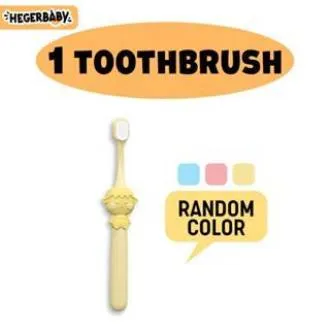

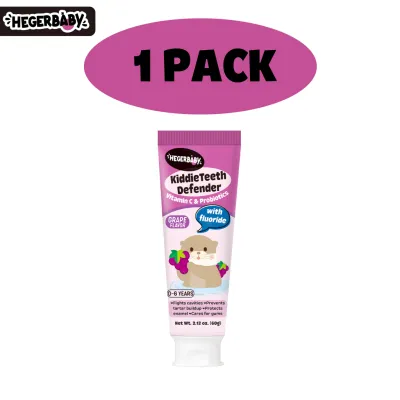
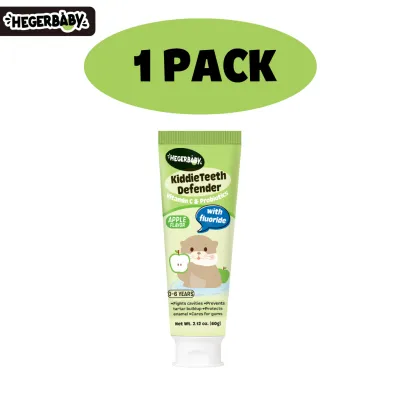
Prices are valid at publication and may change. Please refer to the product page for the latest price.
It is also vital to remember that no toothpaste is entirely risk-free if consumed in large quantities. Even fluoride-free formulas can cause mild stomach upset if a toddler eats a significant amount directly from the tube. Consequently, parental supervision and strict dosage control remain the most important safety measures, regardless of which variant you choose for your child’s daily oral hygiene routine.
Age-Specific Guidelines: From First Tooth to Toddler Years
A child’s oral care needs evolve rapidly during their first few years, and the way you use Heger Baby toothpaste must change accordingly. Before the very first tooth erupts, toothpaste of any kind is generally unnecessary. During this pre-teething stage, baby gums should be cleaned gently using a clean, damp cloth or a soft silicone finger brush after feedings. This practice helps remove milk residue and gets your baby accustomed to the sensation of oral cleaning long before their first tooth appears.

Once the first tooth erupts, which typically occurs around six months of age, you can begin using a tiny amount of baby toothpaste. From the appearance of the first tooth until the age of three, the standard safety guideline is to use a “smear” or a “rice-sized” amount of toothpaste on a soft-bristled baby brush. Because children in this age group will inevitably swallow whatever is put in their mouths, using a fluoride-free Heger Baby variant is a common choice to eliminate the risk of fluorosis. If your pediatric dentist recommends a fluoride toothpaste due to high decay risk, keeping the dose strictly to a tiny, flat smear ensures that the amount of swallowed fluoride remains well within safe limits.
As your child reaches three to six years of age, their motor skills and coordination mature, allowing them to learn how to spit out excess toothpaste. At this stage, you can transition to a “pea-sized” amount of toothpaste. This is also the ideal time to introduce a low-fluoride Heger Baby variant if you have been using a fluoride-free one. Training a toddler to spit takes patience; you can make it a game by modeling the behavior yourself or letting them practice spitting clean water into the sink. Adjusting the product type and dosage as your child crosses these developmental milestones is key to maintaining both safety and oral health.
How to Read the Label: Verifying Ingredients and Safety Marks
When shopping for Heger Baby toothpaste in local supermarkets or online marketplaces, you should never rely solely on cute packaging, bright colors, or appealing fruit flavors. Instead, make it a habit to read the ingredient list and product specifications carefully to verify that the product is suitable for your child’s exact age group.
First, check the fluoride concentration, which is typically measured in parts per million (ppm). Fluoride-free formulas should clearly state “0 ppm” or “fluoride-free” on the label. If the variant does contain fluoride, ensure the concentration matches the age grading on the tube; toddler formulas generally contain lower concentrations than adult toothpastes to minimize ingestion risks.
Second, look closely at the other ingredients listed on the back of the tube. Safe baby toothpastes should be free from harsh foaming agents like Sodium Lauryl Sulfate (SLS), which can irritate the delicate oral mucosa of infants and potentially cause painful mouth ulcers. You should also check for the absence of harsh abrasives that could wear down thin baby enamel, as well as artificial dyes, parabens, and strong chemical preservatives.
Third, verify the safety certifications and regulatory marks. In the Philippines, look for products that carry notification or registration marks from the Food and Drug Administration (FDA). This registration indicates that the product has met local safety, quality, and labeling standards. If you are purchasing Heger Baby toothpaste online, ensure you are buying from authorized distributors to avoid counterfeit products that may not adhere to these strict safety standards.
Safe Brushing Routines and When to Consult a Pediatric Dentist
Establishing a safe and consistent brushing routine is just as important as choosing the right toothpaste. To brush your infant’s teeth safely, find a secure and comfortable position. You can cradle your baby’s head in your lap, or sit your toddler on your lap facing away from you while looking into a bathroom mirror. Use a toothbrush specifically designed for infants, featuring an ultra-soft brush head and a handle that is easy for a parent to grip. Apply the precise, age-appropriate amount of Heger Baby toothpaste and brush gently in small, circular motions, paying close attention to the gumline where plaque tends to accumulate.
Proper storage is another critical safety measure that parents often overlook. Because baby toothpastes are formulated with sweet, child-friendly flavors like strawberry, grape, or banana, toddlers may view them as a tasty treat. Always store the toothpaste tube completely out of your child’s reach and sight, preferably in a high cabinet. This prevents accidental ingestion of large amounts, which can lead to stomach pain, nausea, or more serious complications depending on the ingredients.
Parents must also remain vigilant for any adverse reactions. If your child shows signs of an allergic reaction—such as an oral rash, swelling of the lips or tongue, or unusual fussiness and discomfort during or after brushing—discontinue using the toothpaste immediately. Wash their mouth gently with plain water and consult a pediatrician or pediatric dentist to identify the cause of the irritation.
Finally, do not wait for dental problems to arise before seeking professional guidance. Pediatric dental associations recommend scheduling your child’s first dental visit by their first birthday, or within six months of the eruption of their very first tooth. A pediatric dentist can evaluate your child’s specific cavity risk, assess their jaw development, and provide personalized recommendations on whether a fluoride or fluoride-free Heger Baby variant is the best choice for their unique oral health needs.
Frequently Asked Questions (FAQ)
Can I use Heger Baby toothpaste before my baby's first tooth erupts?
No, toothpaste is not necessary or recommended before your baby’s first tooth appears. During the pre-teething stage, your baby’s gums only need gentle cleaning to remove milk residue and prevent bacterial buildup. You can easily accomplish this by wrapping a clean, damp washcloth or a sterile gauze pad around your finger and gently wiping your baby’s gums after feedings. Alternatively, you can use a soft silicone finger brush with plain water. This simple routine keeps the oral cavity clean while helping your baby get used to a regular oral hygiene schedule.
What should I do if my toddler eats a large amount of toothpaste?
If your toddler accidentally consumes a large amount of toothpaste, your immediate response should depend on the type of toothpaste ingested. If it was a fluoride-free Heger Baby variant, they may experience mild stomach discomfort or nausea, but serious toxicity is unlikely. You can offer them a small glass of water to help rinse their mouth. However, if they swallowed a significant amount of a fluoride-containing toothpaste, give them a small serving of milk, yogurt, or another calcium-rich food. Calcium binds to fluoride in the stomach, reducing its absorption. Monitor your child closely for symptoms like vomiting, diarrhea, or unusual lethargy, and contact a pediatrician or a local poison control center immediately for professional guidance.
Are natural sweeteners like xylitol safe in infant toothpaste?
Yes, xylitol is a natural sweetener that is widely recognized as safe for human infants and toddlers when used in appropriate cosmetic amounts. In baby toothpastes, xylitol serves a dual purpose: it provides a pleasant, sweet taste without causing tooth decay, and it actually helps inhibit the growth of cavity-causing bacteria in the mouth. However, parents must be aware of a critical safety hazard regarding pets. Xylitol is highly toxic to dogs and can cause rapid, life-threatening drops in blood sugar and liver failure if ingested. Always store your child’s toothpaste securely in a place where household pets cannot access it.

Community discussion
Share your experience or ask a question. Comments are reviewed before publication.