
Deciding between Polyphenylsulfone (PPSU) and glass for your toddler’s transition to a straw cup involves balancing physical safety, durability, and daily usability. While both materials are excellent choices for early childhood feeding, the safest option for a Hegen straw cup conversion depends heavily on your toddler’s developmental stage, motor skills, and where the cup will be used. PPSU is highly shatterproof and lightweight, making it the more practical and physically safer choice for active toddlers who are learning to drink independently and frequently drop their cups. On the other hand, glass offers a highly scratch-resistant, odor-free surface that excels in long-term hygiene, making it ideal for supervised feeding at home.
As toddlers transition from teats to straws, their interaction with their cup changes dramatically. They are no longer just lying back or being held during a feed; they are sitting up, walking, running, and exploring their environment with their cup in hand. This shift in behavior introduces new physical risks, such as drops onto hard tile floors or accidental impacts during play. Understanding how PPSU and glass perform under these real-world conditions will help you choose the right base for your Hegen straw conversion kit.
Safety and Durability: Drop Risks and Material Stability
When evaluating physical safety for an active toddler, the risk of breakage is a primary concern. Glass bottles, even those made from high-quality borosilicate glass, carry an inherent risk of shattering or chipping when dropped from high chairs, strollers, or toddler-height hands onto hard surfaces. In many homes, especially those with tiled or concrete floors common in tropical climates like the Philippines, a single drop can result in sharp shards that pose an immediate hazard to both the child and the caregiver. If you plan to let your toddler carry their straw cup around the house or use it during outdoor trips, the physical vulnerability of glass requires constant, close supervision.
Products mentioned in this guide
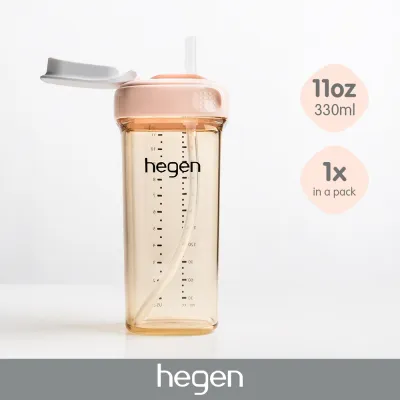
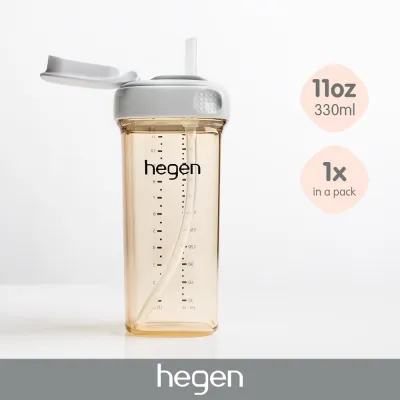
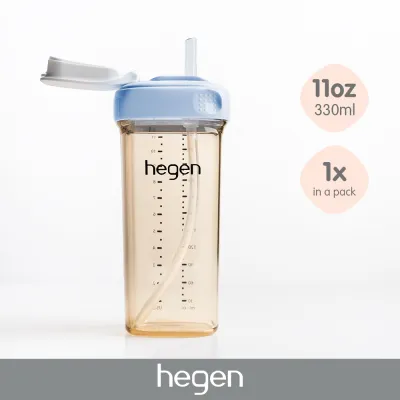
Prices are valid at publication and may change. Please refer to the product page for the latest price.
PPSU is a medical-grade thermoplastic known for its extreme durability and high impact resistance. It is virtually shatterproof, meaning it can withstand repeated drops onto hard surfaces without cracking or breaking. This makes PPSU exceptionally safe for independent toddlers who are still developing their grip strength and spatial awareness. When converted into a straw cup, a PPSU bottle can be tossed from a high chair or dropped on a concrete patio during an afternoon play session without the risk of creating dangerous debris.
From a chemical stability standpoint, both high-grade glass and PPSU are excellent choices because they are inherently free from harmful chemicals like BPA and BPS. However, it is always wise to check the manufacturer’s labels for specific heat degradation limits, especially when exposing the materials to high-temperature sterilization over several years. While both materials handle heat exceptionally well, they react differently to physical wear.
Over months of daily use and cleaning, plastic materials like PPSU can develop micro-scratches on the inner walls. These tiny abrasions, often caused by stiff bottle brushes or abrasive cleaning pads, can become breeding grounds for bacteria if not sanitized thoroughly. Glass, by contrast, is highly resistant to scratching. Its smooth, non-porous surface remains structurally intact even after years of scrubbing, ensuring that there are no microscopic crevices where milk residue or bacteria can hide.
Weight and Ergonomics: Can Your Toddler Hold It?
The weight of the bottle plays a crucial role in how easily your toddler can transition to using a straw cup. Glass is naturally much heavier than PPSU. When a glass bottle is filled to its capacity with water, milk, or juice, the combined weight can be surprisingly heavy for a one-year-old or two-year-old to lift and hold for extended periods. This added weight can lead to hand fatigue, causing the toddler to drop the cup more frequently or refuse to use it altogether, hindering their progress toward independent drinking.

PPSU is remarkably lightweight, offering a featherweight base that minimizes the physical effort required by small hands. A lightweight bottle allows toddlers to easily lift, tilt, and carry their straw cup as they move around. This ease of handling encourages self-feeding and helps build confidence as they master the coordination required to sip from a straw while holding the cup steady.
The ergonomic design of the bottle also interacts with the material’s weight. Hegen’s signature square-round shape is designed to be easy for small hands to grasp. However, the effectiveness of this shape depends on the overall weight of the container. A lightweight PPSU bottle combined with the ergonomic square-round design allows for a secure, comfortable grip, even when the toddler’s hands are wet or sticky. With a heavier glass bottle, the same grip requires significantly more muscle strength, increasing the likelihood of the bottle slipping out of a toddler’s grasp during a sudden movement.
Cleaning, Sterilization, and Long-Term Wear
Maintaining strict hygiene is essential when managing toddler straw cups, as the straw mechanism itself introduces extra parts that require careful cleaning. Both PPSU and glass bottle bodies are compatible with standard sterilization methods, including steam sterilization, boiling water, and chemical sterilizing tablets. However, because the straw conversion lid contains silicone valves and plastic straw components, caregivers must separately verify the heat tolerance and sterilization guidelines for these specific accessory parts to prevent warping or premature wear.
In warm, humid environments, milk fat and odors can quickly cling to feeding gear, making stain and odor resistance a major priority for parents. Glass is highly effective in this category. It does not absorb odors, oils, or colors from juices and milks, meaning a glass bottle will smell fresh and look crystal clear even after hundreds of uses. PPSU is highly resistant to staining and odors compared to standard polypropylene bottles, but over time, it may still absorb slight discoloration or faint odors if left unwashed for extended periods in hot weather.
The long-term wear and replacement cycles of these materials also differ significantly. PPSU bottles are incredibly durable, but they do have a finite lifespan. Parents should regularly inspect PPSU bottles for visual cues of wear, such as deep scratches, cloudiness, stubborn discoloration, or a sticky texture, which indicate it is time to replace the bottle body. Glass, assuming it remains completely free of chips, cracks, or deep scratches, has an almost indefinite lifespan and does not need to be replaced due to material degradation, making it a highly sustainable option if handled carefully.
Hegen Straw Conversion: Fit and Leak Prevention
When converting your existing bottles into straw cups, compatibility and ease of assembly are key to preventing leaks and spills. Hegen’s straw lids are designed to be universally compatible with both their PPSU and glass bottles of the corresponding volume. This means you can easily screw the straw collar onto either a PPSU or a glass base, allowing you to mix and match your existing bottle collection as your child grows.
However, the physical interaction between the plastic lid collar and the bottle neck can feel slightly different depending on the material. When threading the plastic lid onto a PPSU bottle, the plastic-on-plastic connection glides smoothly and locks securely with a simple twist. When screwing the same plastic lid onto a glass bottle neck, the friction between the plastic collar and the glass threads can feel different. Caregivers must be careful to align the threads properly to avoid cross-threading, which can damage the plastic lid threads and lead to slow leaks during use. Always perform a quick visual check to ensure the lid sits perfectly level on the glass neck before handing it to your child.
Regardless of whether you choose a PPSU or glass base, the internal straw mechanism requires dedicated maintenance to remain sanitary and leak-free. The flexible silicone straw and the weighted ball or valve assembly must be cleaned daily using a specialized, slim straw brush to remove any trapped liquid or milk residue. In humid climates, ensuring that all straw components are completely dry before reassembly is crucial to prevent the growth of mold and mildew inside the narrow tubing.
Decision Framework: Which Material Fits Your Toddler?
To make the best choice for your family, consider your toddler’s daily habits, where they will be drinking, and your personal cleaning preferences.
Choose PPSU if:
- Your toddler is highly active, loves to carry their cup while walking, or frequently drops items from their high chair or stroller.
- You need a lightweight, durable straw cup for travel, outdoor play, or trips where concrete or tiled floors are common.
- You want to encourage independent drinking and want a bottle that is easy for your child to lift and hold without assistance.
Choose Glass if:
- Your toddler's straw cup use is primarily supervised at home, such as during designated meal times at the dining table.
- You prioritize a material that is completely scratch-resistant, does not retain any food odors, and maintains pristine clarity over years of use.
- You want a highly sustainable option that does not require regular replacement, provided it is handled carefully to avoid drops.
Verify first if:
- You are mixing and matching older bottles with new Hegen straw lids. Always inspect the condition of the bottle necks for any wear, check that the volume markings are still legible, and verify that the silicone valves in the straw lid are intact and properly seated to prevent leaks.
Frequently Asked Questions (FAQ)
Can I use a UV sterilizer for the Hegen straw lid and PPSU bottle?
Yes, but you must check the manufacturer’s current guidelines for UV exposure limits on both PPSU and the specific plastics and silicone used in the straw lid. While PPSU is highly heat-resistant, prolonged or intense UV exposure over many cycles can accelerate the aging and degradation of certain plastics and silicone valves, causing them to become brittle or discolored faster than they would under steam sterilization. Glass, by contrast, is completely unaffected by UV light. If you use a UV sterilizer, inspect the silicone straw and valve regularly for signs of wear or loss of elasticity.
Does the Hegen straw leak more on glass bottles than on PPSU?
The bottle material itself does not cause the Hegen straw to leak, as the sealing mechanism relies on the silicone valve and the tight fit of the collar. Leaking is almost always caused by improper assembly, a misaligned or damaged silicone valve, or cross-threading when screwing the lid onto the bottle. Because glass threads have a different texture than plastic, it is easier to accidentally cross-thread the lid on a glass bottle. To prevent leaks, always ensure the silicone straw is pulled securely through the collar, check that the valve is flat, and verify that the lid is screwed on straight and level.

Community discussion
Share your experience or ask a question. Comments are reviewed before publication.