
Finding the right heartbeat monitor for your baby in the Philippines requires a clear understanding of what these consumer devices can and cannot do. While many parents seek out these high-tech tools to gain reassurance during the night, it is vital to recognize that consumer-grade biometric trackers are wellness products rather than medical devices. To make an informed choice, you must evaluate how different sensor types perform in a tropical climate, assess their connectivity requirements against your home internet setup, and understand the critical safety guidelines that govern their use. By focusing on verification and practical usability, you can select a monitoring solution that truly supports your caregiving routine without introducing unnecessary anxiety.
Understanding the Role of Baby Heartbeat Monitors
When exploring the market for baby monitors, it is essential to distinguish between consumer-grade biometric devices and medical-grade equipment. Consumer baby monitors, such as smart socks, wearable bands, and under-mattress sensor pads, are designed to track general wellness trends. They typically measure heart rate, oxygen levels, or movement patterns to provide parents with a general sense of reassurance. These devices use consumer-grade sensors that are not calibrated for clinical diagnostics, meaning they are intended for home use by healthy infants rather than medical monitoring.
In contrast, medical-grade monitors are highly regulated clinical instruments prescribed by pediatricians for infants with specific medical conditions, such as severe respiratory issues or cardiac anomalies. These clinical devices undergo rigorous testing and calibration to ensure absolute precision. It is also important to separate infant heartbeat monitors from fetal dopplers. Fetal dopplers are handheld ultrasound devices used by healthcare professionals to listen to a baby’s heartbeat in the womb during pregnancy. They serve an entirely different purpose and are not designed or safe for monitoring a newborn infant’s sleep.
Products mentioned in this guide
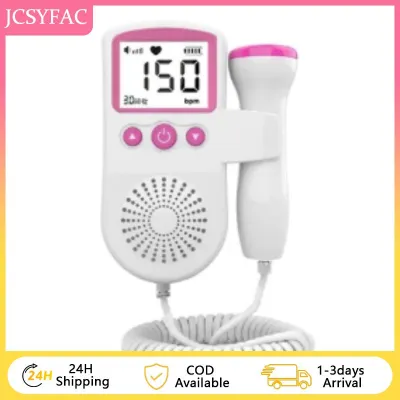
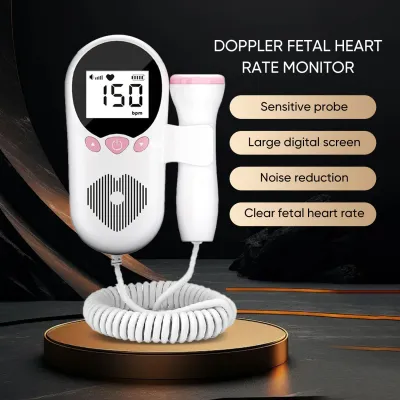
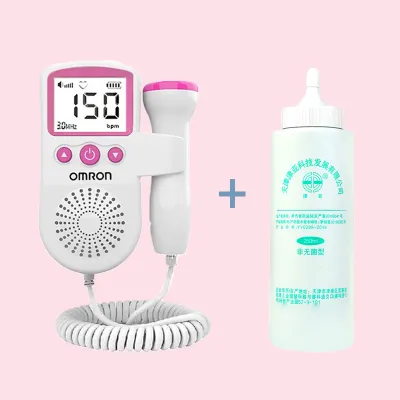
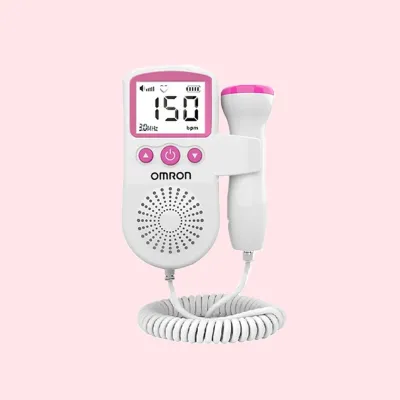
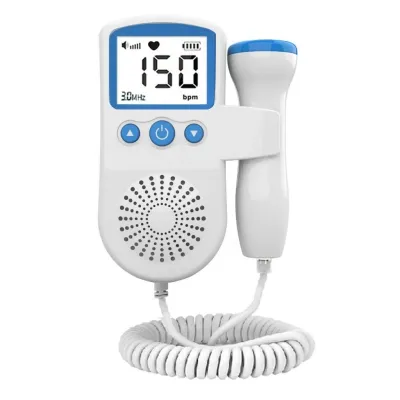
Prices are valid at publication and may change. Please refer to the product page for the latest price.
Setting realistic expectations is crucial when integrating a biometric monitor into your nursery. These devices are excellent for tracking sleep patterns and providing general peace of mind, but they do not diagnose, treat, or prevent medical conditions. They are tools to observe trends over time rather than active life-saving devices.
For the vast majority of healthy babies, a standard audio or video baby monitor is more than sufficient. These traditional monitors allow you to see and hear your baby clearly, enabling you to respond to their needs without the complexity of wearable sensors. However, if you prefer the additional data points offered by biometric tracking, understanding the technical specifications and safety parameters of these devices will help you make a safe and practical choice.
Core Features to Compare Across Different Models
To find a monitor that fits seamlessly into your daily routine, you must compare the physical design of the sensors, their connectivity requirements, and how they handle environmental factors.

Sensor form factors vary widely, and each has distinct trade-offs regarding comfort, accuracy, and suitability for local conditions. Smart socks wrap securely around the baby’s foot and use optical sensors to track heart rate and oxygen levels. While they offer continuous tracking, the warm and humid climate of the Philippines presents a unique challenge. Synthetic fabrics wrapped tightly around an infant’s foot can trap sweat and moisture, potentially leading to skin chafing, heat rash, or contact dermatitis.
Wearable bands and diaper clips offer an alternative by attaching directly to the baby’s clothing or diaper to monitor abdominal movement. These sensors do not have direct skin contact over a large area, making them more comfortable in hot weather. However, they can easily shift or become misaligned if your baby is an active sleeper who rolls or wiggles during the night. A displaced sensor often triggers a false alarm, which can disrupt both your sleep and your baby’s rest.
Under-mattress sensor pads detect micro-movements, including breathing and heartbeat vibrations, through the crib mattress. Because there is no physical contact with the baby, they completely eliminate the risk of skin irritation. The trade-off is their sensitivity to environmental vibrations. In a typical Philippine household, a powerful ceiling fan, a stand fan, or an air conditioning unit running near the crib can transmit vibrations through the floor or furniture. The sensor pad may mistake these external vibrations for the baby’s movement, which could delay an alert if the baby actually stops moving.
Connectivity is another critical factor to evaluate. Many smart monitors rely on a combination of Bluetooth and Wi-Fi. The wearable sensor transmits data to a nearby base station via Bluetooth, and the base station connects to your home Wi-Fi network to send real-time updates to your smartphone. Given that internet connectivity can be inconsistent and power interruptions are common in various regions of the Philippines, a system that relies entirely on a continuous cloud connection to trigger alerts may fail during an outage. Look for models where the physical base station has an independent, local alarm system that will sound even if the Wi-Fi connection is lost.
Alert mechanisms should be clear and reliable. Some systems rely solely on smartphone push notifications, which can easily be missed if your phone is on silent or if you are a deep sleeper. A dedicated base station that emits a loud, physical alarm is highly preferable. Additionally, look for models that allow you to adjust sensitivity thresholds to reduce alarm fatigue—a state where parents become desensitized to alerts due to frequent false alarms caused by minor movement or temporary signal drops.
Finally, consider battery life and charging routines. Wearable sensors require regular charging to ensure continuous overnight use. A reliable monitor should easily last through a 12-hour night sleep and subsequent daytime naps on a single charge. Look for devices with magnetic charging bases or quick-charge capabilities to make daily maintenance as convenient as possible.
Safety Checks and Manufacturer Warnings to Verify
Before purchasing any baby monitor, you must thoroughly review the manufacturer’s safety guidelines, age restrictions, and physical safety warnings.
Always check the product documentation for precise age, weight, and developmental milestone restrictions. Some wearable smart socks are designed only for infants within a specific weight range, such as from birth up to 13.6 kilograms. Using a sensor on a baby who has outgrown these limits can result in inaccurate readings, poor fit, and physical discomfort. Furthermore, once a baby begins to roll over, crawl, or pull themselves up, certain wearable bands or diaper clips may pose a displacement risk or become a physical hazard.
Physical safety hazards must be carefully managed. Inspect the device and its accessories to ensure there are no small, detachable parts that could present a choking hazard. Skin irritation is a significant concern, especially in tropical climates. To prevent contact dermatitis or pressure sores, parents must inspect the baby’s skin daily, rotate the sensor to the opposite foot or limb as recommended by the manufacturer, and ensure the sensor band is washed regularly according to the instructions.
Cord safety is another critical consideration. Any wired components, such as the power cord for a base station or an under-mattress pad, must be kept completely out of the baby’s reach. Ensure all cords are secured at least 3 feet (0.9 meters) away from the crib to prevent any risk of strangulation.
Understand the limitations of consumer devices and identify red flags that require you to stop using the monitor. Consumer biometric monitors are subject to signal dropouts, battery depletion, and software glitches. If a device frequently displays error states, fails to connect, or triggers persistent false alarms, do not rely on it. Discontinue use and troubleshoot the device or contact the manufacturer.
Most importantly, these devices must never be used as a substitute for safe sleep practices. No monitor can replace active parental supervision or established safe sleep guidelines. Always place your baby to sleep on their back on a firm, flat mattress in a crib free of loose bedding, pillows, bumpers, or soft toys.
Building Your Shortlist and Verifying Products Before Purchase
To build a reliable shortlist of baby heartbeat monitors, you should follow a systematic workflow that prioritizes verification over marketing claims.
Start by identifying your primary monitoring goals and matching them to the sensor types that best fit your home environment. Once you have identified a few candidate models, cross-reference the manufacturer’s marketing claims with the official user manual. You can usually download these manuals in PDF format from the brand’s official website. Pay close attention to the technical specifications, installation requirements, and safety warnings rather than relying solely on product listings on e-commerce platforms.
Warranty and local support are critical considerations for high-tech electronics. Many advanced baby monitors are imported into the Philippines. Before purchasing, verify if the brand has an authorized local distributor or service center. Purchasing from an unauthorized seller or an overseas parallel importer may leave you without a valid warranty or access to customer support if the device malfunctions.
Evaluate the ongoing financial commitments associated with each model. Some smart monitors require an ongoing monthly or annual subscription to access historical sleep data, advanced tracking features, or cloud storage. Factor these recurring costs into your budget. Additionally, check the availability and cost of replacement parts in the local market. Wearable bands, smart socks, and charging cables will wear out over time and need replacement. Verify if these accessories are readily available on local e-commerce platforms and note their typical costs in ₱ to ensure long-term affordability.
Create a personalized checklist to compare shortlisted models against your specific nursery environment and caregiving routine:
- Is my home Wi-Fi signal strong and stable in the nursery?
- Does the monitor have a local alarm that works independently of the internet?
- Are there environmental factors, such as a powerful fan or air conditioner, that might interfere with an under-mattress sensor?
- Am I prepared to maintain a daily charging and cleaning routine for a wearable sensor?
- Does the brand offer reliable customer support in the Philippines?
By systematically verifying these factors, you can select a monitor that provides reliable performance and genuine peace of mind.
Frequently Asked Questions (FAQ)
Can a consumer heartbeat monitor prevent Sudden Infant Death Syndrome (SIDS)?
No. Consumer biometric monitors are not medical devices and have not been proven to prevent SIDS. The global medical consensus emphasizes that the most effective way to reduce SIDS risk is to follow safe sleep guidelines: placing your baby to sleep on their back, using a firm sleep surface, keeping the sleep area clear of soft objects, and avoiding overheating.
What should I do if the monitor loses connection or triggers frequent false alarms?
First, check the physical placement of the sensor to ensure it is snug and positioned correctly according to the manual. Verify that your Wi-Fi router or Bluetooth connection is stable and free from interference from other household electronics. If the false alarms persist, or if you notice any signs of skin redness or irritation on your baby, discontinue use immediately and contact the manufacturer’s customer support.
Are there alternatives to wearable heartbeat monitors for tracking a baby's sleep?
Yes. Standard audio and video baby monitors remain the primary tools for infant observation, allowing you to visually check on your baby’s breathing movements and hear their cries. Non-wearable alternatives include motion-activated video cameras that use software to track pixel movement, or simple room environment sensors that monitor temperature and humidity to ensure a comfortable sleep space.

Community discussion
Share your experience or ask a question. Comments are reviewed before publication.