
Deciding between a Haakaa silicone milk collector and a traditional manual breast pump depends on whether you need to passively catch leaking milk or actively express it to build a supply. If your goal is to collect the natural let-down from one breast while your baby nurses on the other, a silicone collector is the ideal, low-effort tool. However, if you need to fully empty your breasts, replace missed feeds, or maintain your milk supply while away from your baby, a manual breast pump is the necessary choice.
In the warm, humid climate of the Philippines, managing breast milk collection requires tools that fit seamlessly into your daily routine and storage capabilities. Many mothers find themselves navigating the demands of returning to work or managing household chores in tropical heat, making convenience and ease of cleaning top priorities. Understanding how each device operates allows you to make an informed decision that supports your breastfeeding journey without unnecessary stress.
By evaluating your daily schedule, milk storage goals, and physical comfort, you can determine which tool—or combination of both—best serves your needs. Let us break down the mechanics, ideal use cases, and practical considerations for both options to help you build a reliable breastfeeding setup.
Products mentioned in this guide
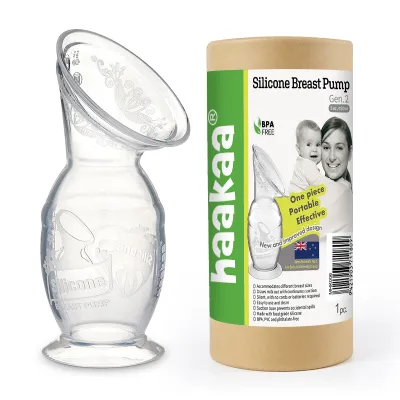
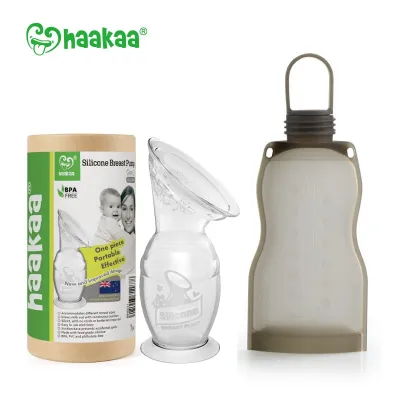
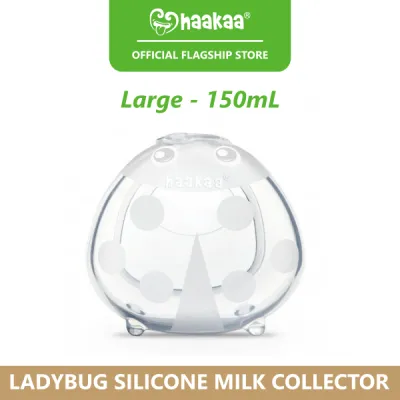
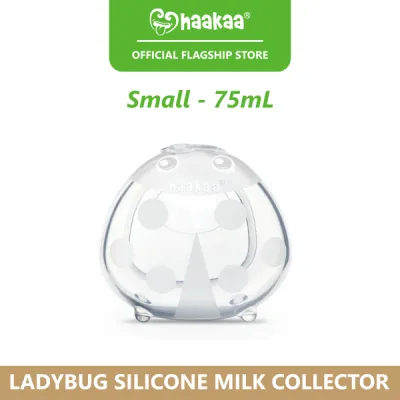
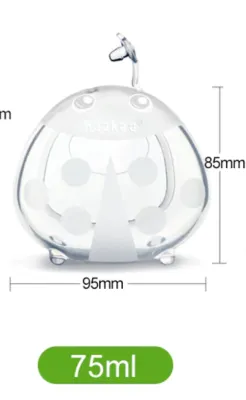
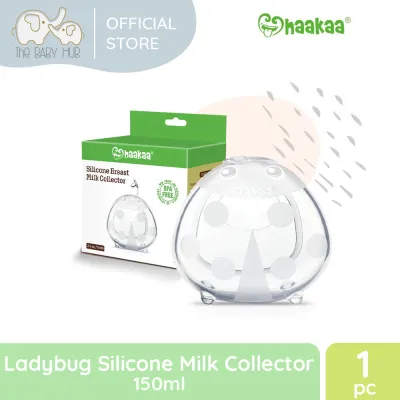
Prices are valid at publication and may change. Please refer to the product page for the latest price.
Core Differences in Design and Function
To choose the right tool, it is essential to understand that a silicone milk collector and a manual breast pump operate on entirely different mechanical principles. A silicone collector relies on continuous, passive suction. Once you squeeze the food-grade silicone body and apply it to your breast, it creates a constant vacuum that gently draws out milk that is already letting down naturally. It does not mimic a baby’s active sucking pattern; instead, it simply catches the milk that your body releases in response to stimulation on the opposite side.
In contrast, a traditional manual breast pump is an active, mechanical device. It features a rigid plastic flange, a collection bottle, and a manual handle or lever that you squeeze repeatedly. This action creates a rhythmic, adjustable vacuum that mimics the natural suckling of an infant. This active suction is designed to stimulate a let-down even when your baby is not nursing, allowing you to draw milk from deep within the breast tissue and fully empty the breast.
Because of these mechanical differences, the design intent of each tool is distinct. The silicone collector is primarily a saver-style device meant to prevent precious milk from soaking into your nursing pads. The manual breast pump is a dedicated extraction tool built to stimulate production and draw out larger volumes of milk on demand.
Before using either device, you must carefully review the manufacturer’s instructions regarding suction limits, material safety, and intended use cases. Not all silicone collectors are designed for prolonged suction, and using them incorrectly can lead to tissue discomfort. Checking the product manual ensures you use the correct technique for your specific model.
When the Haakaa Silicone Milk Collector Makes Sense
The Haakaa silicone milk collector is highly effective for mothers who experience a strong let-down on the opposite breast while nursing. When your baby latches onto one side, your body naturally releases milk from both breasts simultaneously. Placing the silicone collector on the non-nursing side allows you to catch this leaking milk effortlessly, saving every drop for your freezer stash without requiring extra pumping sessions.

This tool is also highly beneficial for relieving mild engorgement between feeds or gently drawing out flat or inverted nipples. If your breasts feel uncomfortably full but it is not yet time for a full feed, the gentle, continuous suction of the silicone collector can relieve pressure without overstimulating your milk supply. This hands-free operation allows you to tend to your baby or relax while the collector does its work.
For mothers who are often on the move or managing busy households in warm weather, the simplicity of a single-piece silicone collector is a major advantage. It is completely silent, requires no cords or batteries, and has no small valves or membranes to lose. This makes it incredibly portable and easy to slip into a diaper bag for quick, discreet use outside the home.
However, you should always verify the collector’s maximum capacity and silicone grade on the product label before purchase. Ensuring the device is made from high-quality, food-grade silicone guarantees safety for your baby and durability through repeated sterilization cycles in tropical humidity.
When a Traditional Manual Breast Pump is the Better Choice
A traditional manual breast pump becomes necessary when your primary goal is active milk expression and supply maintenance. If you are returning to work, skipping a feed while your partner bottle-feeds the baby, or working to build a robust freezer stash, a passive collector will not suffice. You need the active, rhythmic suction of a manual pump to fully empty the breast tissue and signal your body to produce more milk.
The adjustable handle of a manual pump allows you to control the speed and strength of each suction cycle. This control is crucial for stimulating a let-down when you are away from your baby, as you can start with short, quick squeezes to mimic a baby’s initial latch, then transition to longer, deeper strokes once the milk begins to flow. This level of customization helps maintain your milk supply over the long term.
For mothers who are exclusively pumping or need to feed expressed milk via a bottle regularly, the manual pump offers a reliable, high-volume solution. It directly connects to standard baby bottles, reducing the risk of spills during transfer. This makes it a practical choice for preparing feeds ahead of time, especially when navigating busy daily schedules.
When choosing a manual pump, it is vital to check the available flange sizes and the availability of replacement parts. A flange that is too large or too small can cause friction, pain, and inefficient milk removal. Ensuring you can easily source replacement valves and membranes locally is also essential for keeping your pump functioning at its best.
Side-by-Side Comparison Checklist
To help you evaluate both tools against your daily routine, consider how they compare across key operational categories. Suction control is highly customizable on a manual pump through the handle mechanism, whereas a silicone collector offers a single, continuous level of suction determined by how firmly you squeeze the base during application.
In terms of collection capacity, manual pumps typically hold larger volumes of milk, often ranging from 120ml to 150ml or more, and drain directly into secure bottles. Silicone collectors generally have a smaller capacity, usually around 100ml to 120ml, and their open-top design makes them more susceptible to being kicked off by an active baby.
Portability and ease of cleaning are areas where the silicone collector excels. Being a single piece of molded silicone, it can be washed and sterilized in minutes with no assembly required. A manual pump consists of multiple plastic and silicone parts, including valves, diaphragms, and handles, which require careful disassembly, washing, and reassembly after every use.
Use this decision matrix to guide your choice:
- Choose the Haakaa silicone milk collector if: You want to catch passive leaks while nursing, prefer a silent and single-piece tool, need quick relief from mild engorgement, and want minimal cleanup.
- Choose the manual breast pump if: You need to actively express milk when away from your baby, want to control suction rhythm, need to fully empty your breasts to maintain supply, or are building a large freezer stash.
Keep in mind that exact prices in ₱ will vary depending on the retailer, specific model, and any included accessories. To find the most accurate pricing, you should compare current listings on authorized online stores, official brand websites, or trusted pharmacy platforms in the Philippines.
Combining Both Tools in Your Breastfeeding Routine
Many mothers find that they do not have to choose just one tool; instead, they integrate both into a comprehensive breastfeeding routine. For example, you can use the passive silicone collector on one breast to catch the let-down while your baby nurses on the other. Later in the day, if you miss a feed or need to prepare a bottle for an outing, you can use the manual breast pump to actively express a full serving of milk.
When using these devices, safety and comfort must always come first. Avoid using excessive suction with the silicone collector, as squeezing the base too tightly can cause intense vacuum pressure that leads to nipple pain or bruising. Similarly, do not leave either device attached to your breast for prolonged periods, as continuous pressure can cause tissue damage, blistering, or unwanted oversupply.
Maintaining strict hygiene is essential, especially in warm, tropical climates where bacteria can multiply quickly on damp surfaces. After each use, empty the collected milk into a sterile storage container, rinse the device with cold water to prevent milk film buildup, and wash thoroughly with warm, soapy water. Follow this by sterilizing the parts according to the manufacturer’s specific care instructions, ensuring they dry completely in a clean, dust-free area.
Always listen to your body during your breastfeeding journey. If you experience persistent pain, blocked ducts, localized redness, or bleeding, stop using both devices immediately. Consult a certified lactation specialist or your healthcare provider to evaluate your latch, pump fit, and overall breast health.
Frequently Asked Questions (FAQ)
Can I use the Haakaa milk collector as my primary pump?
No, a silicone milk collector is not designed to serve as a primary breast pump. Because it relies on passive, continuous suction rather than active, rhythmic expression, it cannot thoroughly empty the breast tissue or stimulate the hormonal response required to build and maintain a long-term milk supply. If you rely solely on a passive collector without regular nursing or active pumping, your milk supply may gradually decrease over time.
How do I properly clean and sterilize silicone collectors and manual pumps?
To clean these tools, disassemble all removable parts and wash them thoroughly with warm, soapy water using a dedicated bottle brush. Rinse them well with clean water to remove all soap residue. To sterilize, you can submerge the heat-resistant parts in boiling water or use a steam sterilizer, but you must check your specific product manual for exact temperature limits and recommended boiling times to prevent warping or degrading the materials.
Will using a milk collector cause oversupply or nipple trauma?
Using a silicone collector can potentially contribute to an oversupply if it is used constantly throughout the day, as the continuous suction signals your body to produce more milk than your baby actually needs. To prevent this, limit its use to one or two nursing sessions per day. Additionally, to avoid nipple trauma, ensure the collector is centered properly on the nipple and release the suction immediately if you feel any pinching, blanching, or pain.

Community discussion
Share your experience or ask a question. Comments are reviewed before publication.