
When preparing for a newborn’s arrival, selecting the right feeding equipment is one of the most critical decisions you will make. Among the options, choosing the safest and most practical bottle material can feel overwhelming. Parents often find themselves comparing glass, PPSU (polyphenylsulfone), and silicone options within popular lines like the avent feeding bottle newborn set. Each material presents distinct advantages and trade-offs regarding chemical stability, durability, weight, and ease of sterilization.
Understanding how these materials perform under daily use helps you make an informed choice that aligns with your family’s lifestyle and feeding preferences. By evaluating these materials objectively, you can ensure a safe, comfortable, and efficient feeding routine for both you and your baby.
Understanding Avent Bottle Materials for Newborns
Newborn feeding requires materials that meet strict safety standards. When evaluating bottles, the baseline requirement is chemical safety, specifically ensuring that all components are verified as BPA-free and BPS-free by checking the manufacturer’s packaging. Because newborns have developing immune and metabolic systems, minimizing exposure to potential chemical leachates is a primary concern for parents. Always verify these safety labels on the specific product packaging before purchasing.
Products mentioned in this guide
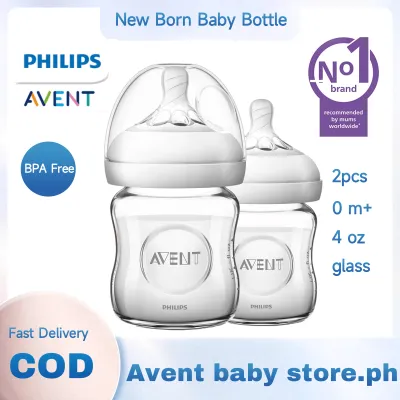
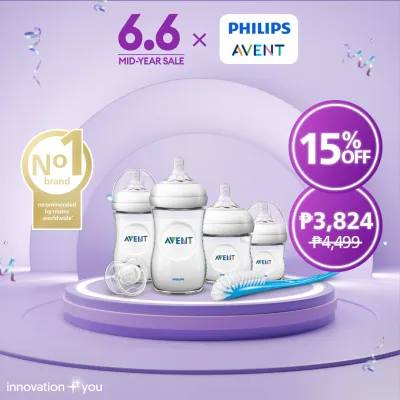
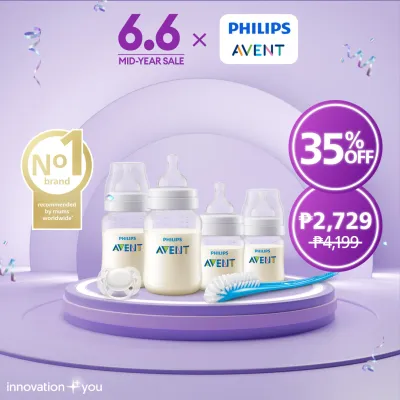
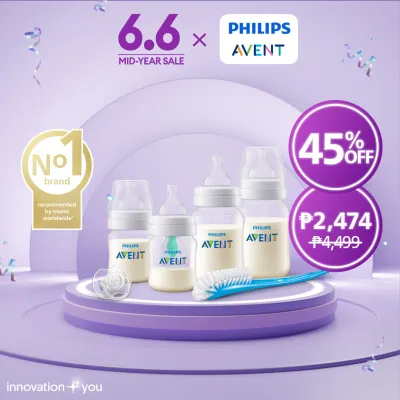
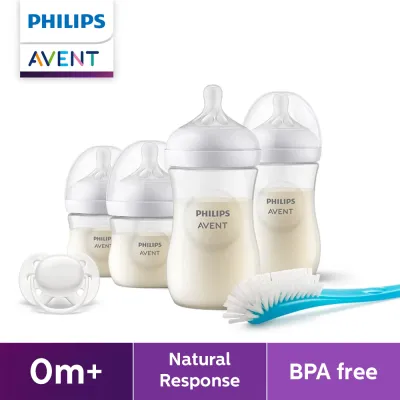
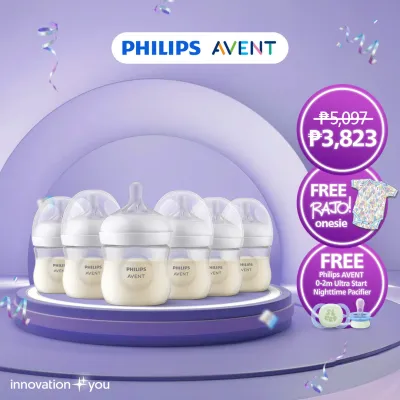
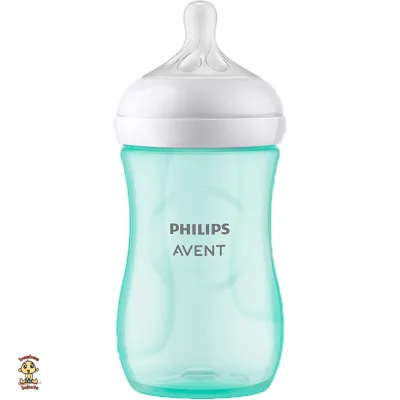
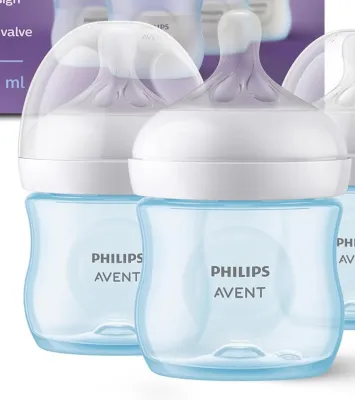
Prices are valid at publication and may change. Please refer to the product page for the latest price.
Glass is a traditional choice known for its exceptional chemical inertness and resistance to scratching. It does not absorb odors or colors and maintains its clarity over years of use. However, its weight and susceptibility to breaking are key considerations during late-night feeds. Parents who prioritize a completely plastic-free milk path often favor glass for its pure composition.
PPSU (Polyphenylsulfone) is a high-performance medical-grade plastic. It combines the lightweight convenience of plastic with superior heat resistance and durability, far exceeding standard polypropylene (PP) bottles. It has a natural honey-colored tint and can withstand repeated sterilization cycles without degrading quickly. This makes it an increasingly popular choice for busy households.
Medical-grade silicone is a flexible, soft material that has gained popularity for its tactile similarity to skin. It is highly durable, shatterproof, and offers a unique grip. Because it is pliable, some designs allow for gentle squeezing to assist with feeding dynamics, though this requires careful supervision. It represents a modern middle ground between the rigidity of glass and the lightweight nature of plastics.
Choosing between these materials directly impacts both infant safety and caregiver convenience. In a tropical climate where high humidity can encourage microbial growth, frequent and thorough sterilization is essential. The material you choose dictates how easily you can clean, sterilize, and handle the bottles during the demanding newborn stage.
Comparing Glass, PPSU, and Silicone Across Key Dimensions
To determine which material fits your household best, it is helpful to evaluate them across several practical dimensions. Rather than searching for a single “perfect” bottle, parents should weigh chemical stability, physical durability, heat tolerance, and ergonomic handling against their daily routines. What works well for one family may not suit another’s specific circumstances.

Each material excels in different environments. For instance, a bottle that works perfectly for quiet home feedings might not be the most practical option for travel or when outsourcing care to relatives. By analyzing these trade-offs, you can select a material—or a combination of materials—that keeps feeding times safe and stress-free.
Durability and Breakage Risks
Physical durability is a primary safety concern when handling bottles multiple times a day. Glass bottles carry an inherent risk of shattering or chipping if dropped on hard surfaces, such as tile or concrete floors. Even a minor impact can cause micro-cracks that compromise the bottle’s structural integrity, making regular visual inspections mandatory. If a glass bottle is dropped, it must be inspected immediately for internal fractures.
PPSU and silicone offer excellent impact resistance, making them virtually shatterproof. PPSU can withstand high-impact drops without cracking, which is highly beneficial as your baby grows and begins to hold the bottle. Silicone is entirely flexible and cannot shatter, providing peace of mind during hectic moments or when traveling. These materials eliminate the physical safety hazards associated with broken glass.
Consider who will be handling the bottles. If older siblings are eager to help with feeding, or if you frequently feed your baby on the go, the drop-resistant nature of PPSU or silicone presents a clear safety advantage. Unsupervised or semi-supervised handling of glass bottles by young children should always be avoided to prevent accidental cuts or ingestion of glass fragments.
Heat Resistance and Sterilization Compatibility
Sterilization is non-negotiable for newborn feeding equipment to protect against harmful pathogens. Glass possesses outstanding thermal shock resistance, allowing it to transition from cold storage to hot water baths without cracking. It can easily withstand boiling, steam, and UV sterilization methods without any risk of material degradation.
PPSU is engineered to endure extreme temperatures, often up to 180°C or higher depending on the specific manufacturer specifications. This high thermal stability makes it highly compatible with repeated steam sterilization and boiling. However, you must verify the manufacturer’s guidelines regarding UV sterilizer compatibility, as some plastics can discolor or degrade faster under prolonged UV exposure.
Silicone is also highly heat-resistant and compatible with boiling, steam, and most UV sterilizers. Because it is a flexible polymer, it does not warp easily under standard sterilization temperatures. Always check the product packaging and your sterilizer’s manual to confirm the exact temperature thresholds and recommended cycle times for each specific material to avoid premature wear.
Weight, Grip, and Handling
The physical feel of a bottle significantly affects the feeding experience for both caregiver and infant. Glass bottles are noticeably heavier, especially when filled with expressed breast milk or formula. During long, frequent newborn feeding sessions, this extra weight can contribute to caregiver hand and wrist fatigue, particularly during late-night feeds when exhaustion sets in.
PPSU bottles are exceptionally lightweight, making them easy to hold for extended periods. This lightweight profile is also advantageous when packing a diaper bag for outings. The rigid structure of PPSU ensures that the bottle maintains its shape, providing a consistent flow rate and a stable base when setting the bottle down on a table.
Silicone bottles offer a unique, soft texture that is easy to grip and mimics a natural feel. The squeezable body can be comforting for babies transitioning between breast and bottle. However, the flexible walls can sometimes make it challenging to measure liquid levels precisely, and the bottle may tip over more easily on soft surfaces compared to rigid glass or PPSU.
Material Comparison at a Glance
To help you quickly compare these options, the table below summarizes the key characteristics of each material based on standard manufacturer specifications. Keep in mind that prices and specific features may vary, so always check current product labels.
| Material | Weight Profile | Durability | Heat Tolerance | Relative Cost | Best Suited For |
|---|---|---|---|---|---|
| Glass | Heavy | Fragile (Shatter risk) | Excellent | Moderate to High | Strictly supervised home feeding, maximum scratch resistance |
| PPSU | Very Lightweight | Highly Durable (Shatterproof) | Excellent (Up to 180°C+) | High | Frequent sterilization, travel, long-term daily use |
| Silicone | Lightweight | Highly Durable (Shatterproof) | Excellent | High | Breast-to-bottle transition, tactile comfort, drop-prone environments |
This comparison highlights that no single material is universally superior. Your choice should depend on whether you prioritize the scratch-free purity of glass, the lightweight durability of PPSU, or the soft, tactile experience of silicone. Balancing these factors against your budget in ₱ and daily routine will guide you to the right option.
How to Choose the Right Avent Bottle Material
Selecting the right material from an avent feeding bottle newborn set involves matching the material’s properties to your family’s daily lifestyle and feeding setup. If your primary goal is maximum chemical inertness and scratch resistance, glass is an excellent choice. It is ideal for families who feed their infants primarily at home under strict adult supervision, where the risk of dropping the bottle on hard surfaces is minimized.
If you require a lightweight, highly durable option that can withstand the rigors of frequent travel, daycare, and constant sterilization, PPSU is highly recommended. Although PPSU bottles often carry a higher initial price tag compared to standard plastic, their long lifespan and resistance to clouding make them a cost-effective investment for long-term use. They are particularly suited for active parents who need a reliable, grab-and-go option.
For parents seeking a soft, unbreakable bottle that mimics natural feeding dynamics, silicone is a compelling alternative. It is particularly useful for babies who prefer a more tactile, squeezable bottle or those transitioning from breastfeeding. The flexible body is highly forgiving of drops, making it a safe option for active households.
Before mixing different bottle materials or using third-party sterilization equipment, always verify compatibility by checking the official manufacturer guidelines. Some sterilizers or bottle warmers may have specific placement rules or temperature limits for plastics and silicone compared to glass. Following these instructions preserves the warranty and ensures the safety of your feeding equipment.
Essential Safety Checks and Care Instructions
Regardless of the material you choose, regular safety inspections are vital to protect your newborn. Before every feeding, perform a thorough visual and tactile check. Inspect glass bottles for hairline cracks, chips, or sharp edges; inspect PPSU and silicone bottles for deep scratches, cloudiness, or a sticky texture, which indicates material degradation. If you notice any of these signs, stop using the bottle immediately.
Proper cleaning tools are essential to maintain the integrity of your bottles. Use soft-bristled brushes or silicone bottle brushes rather than harsh abrasive sponges. Abrasive scrubbers can create micro-scratches on PPSU and silicone surfaces, creating tiny crevices where bacteria can accumulate and making the bottle harder to sterilize effectively. Gentle cleaning preserves the smooth surface of the material.
Establish clear criteria for when to retire and replace your feeding bottles. Glass bottles should be discarded immediately if any chip or crack is detected. PPSU bottles generally last longer than standard PP plastic but should be replaced if they become heavily scratched, cloudy, or discolored. Silicone bottles should be retired if they develop tears, punctures, or a persistent sticky residue that cannot be cleaned. If you have persistent concerns about feeding safety or your baby’s feeding behavior, consult a qualified pediatrician or lactation specialist.
Frequently Asked Questions (FAQ)
Can I mix different bottle materials in the same sterilizer?
Yes, you can generally sterilize glass, PPSU, and silicone bottles together in standard steam or UV sterilizers, provided all materials are rated for the sterilizer’s operating temperature. However, always consult the sterilizer’s instruction manual for specific loading guidelines. Some UV sterilizers recommend placing plastic and silicone components on specific racks to ensure even exposure and prevent localized overheating.
Do silicone bottles absorb odors or stains more than glass or PPSU?
Silicone is a slightly more porous material than glass or PPSU, meaning it can occasionally absorb food pigments or milk odors over time. To minimize this, rinse bottles immediately after use to prevent milk fats from drying on the surface. If odors persist, many manufacturers recommend boiling the silicone components in clean water or using a mild baking soda soak, following the official care instructions to avoid damaging the material.
Are anti-colic nipples compatible with all Avent bottle materials?
Nipple and collar compatibility depends on the specific product line (such as Natural or Classic+) rather than the bottle material itself. For example, an Avent Natural nipple is designed to fit the Natural collar, whether that collar is attached to a glass, PPSU, or plastic bottle of the same line. Always verify compatibility by checking the product packaging or the manufacturer’s official compatibility charts before mixing components.

Community discussion
Share your experience or ask a question. Comments are reviewed before publication.