
Selecting the right feeding bottle set is one of the most frequent decisions you will face when preparing for your baby’s daily feeding routine. A 9oz 3-piece set is a popular configuration, offering a practical volume that accommodates growing appetites from infancy through toddlerhood. However, the material you choose—glass, polyphenylsulfone (PPSU), or standard plastic—directly impacts safety, durability, and daily convenience.
To make an informed choice, you must weigh the pure chemical inertness of glass against the lightweight, shatterproof resilience of PPSU and the budget-friendly accessibility of standard plastic. Glass remains the gold standard for chemical purity at home, while PPSU offers a premium, highly durable alternative that withstands rigorous sterilization without the weight or breakage risks of glass. Standard plastic serves as an affordable, lightweight option, though it requires more frequent replacement due to wear and tear. By evaluating how each material performs under daily sterilization, accidental drops, and long-term use, you can select the bundle that best aligns with your family’s lifestyle and budget.
Understanding Glass, PPSU, and Plastic Bottle Materials
To choose the right bottle, it helps to understand what these materials actually are. Glass bottles are made from borosilicate glass, which is highly transparent, heavy, and cool to the touch. It has a classic, premium feel and remains completely clear throughout its lifespan, never absorbing odors or colors from milk or juices.
Products mentioned in this guide
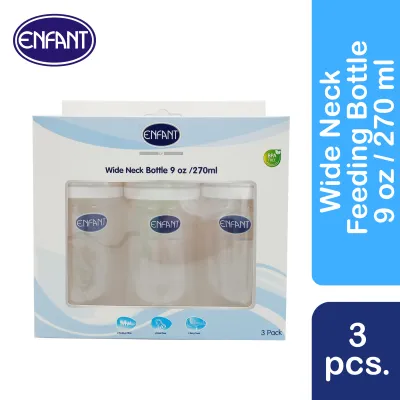
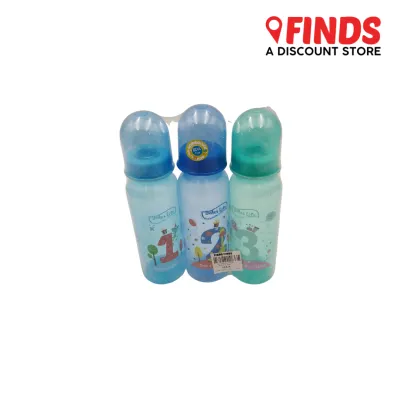
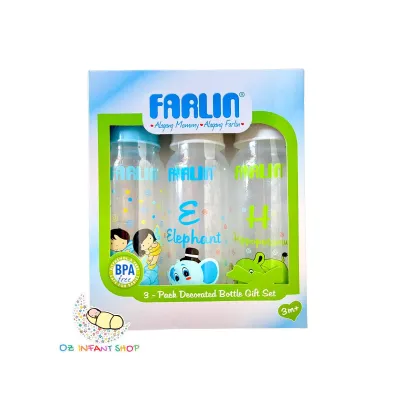
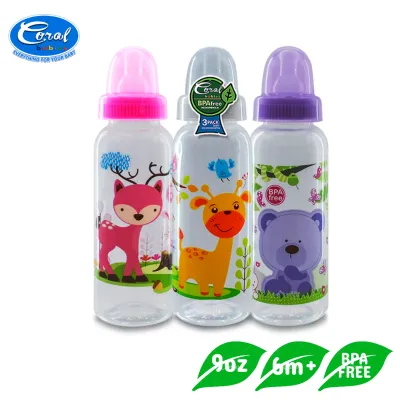
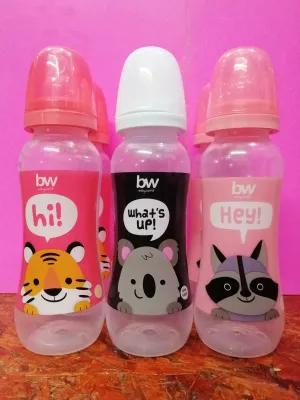
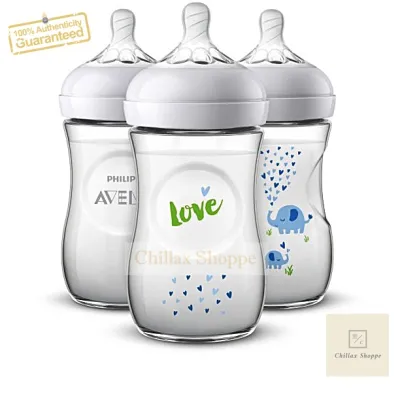
Prices are valid at publication and may change. Please refer to the product page for the latest price.
PPSU, or polyphenylsulfone, is a medical-grade thermoplastic known for its distinct natural honey or amber tint. It is incredibly lightweight, highly rigid, and possesses a smooth, glass-like surface that resists cloudiness. Unlike standard plastics, PPSU does not easily absorb odors or stains, making it a highly durable hybrid that bridges the gap between the safety of glass and the convenience of plastic.
Standard plastic bottles are typically made from polypropylene (PP). These bottles are lightweight, slightly flexible, and have a slightly cloudy or milky appearance. While they are highly affordable and virtually unbreakable, they are more prone to absorbing odors, staining, and showing signs of wear, such as cloudiness and fine scratches, after repeated use.
Heat tolerance varies significantly across these materials, which is crucial for safe sterilization. While borosilicate glass and PPSU are engineered to withstand exceptionally high temperatures, standard PP plastic has a lower thermal threshold. Always check the specific manufacturer’s label on your bottle set to verify the exact temperature limits before exposing them to high-heat appliances.
The expected lifespan of each material also dictates how often you will need to purchase replacements. Glass bottles can theoretically last indefinitely, provided they do not chip, crack, or shatter. PPSU bottles are highly durable and typically last up to a year of daily use and sterilization. In contrast, standard PP plastic bottles degrade much faster under daily wear and heat, often requiring replacement every few months to maintain optimal hygiene.
Evaluating Safety and Health Standards
Safety is the primary concern for any parent assembling a feeding routine. When exposed to high temperatures during heating or sterilization, standard plastics can pose risks of chemical leaching or the shedding of microplastics. To mitigate these risks, it is essential to look for explicit “BPA-free” and “BPS-free” labels on all plastic and PPSU bottle packaging.

While glass is completely free of chemical leaching concerns, it introduces a physical safety risk. Glass bottles can chip or shatter if dropped on hard surfaces, such as tiled kitchen floors or outdoor pavements. This risk becomes particularly relevant as your baby grows and begins to transition to independent self-feeding, requiring constant caregiver supervision to prevent accidental injuries from broken glass.
Conversely, standard plastic and PPSU bottles do not shatter, making them physically safer for active babies. However, standard plastic is highly susceptible to scratching from bottle brushes during cleaning. These microscopic scratches can become breeding grounds for bacteria and can trap milk fat, making the bottles difficult to sanitize thoroughly over time.
To ensure the highest health standards, always verify food-grade certifications and safety marks directly on the product packaging and instruction inserts. Look for recognized regulatory compliance marks, such as those from the European Committee for Standardization (EN) or the United States Food and Drug Administration (FDA). If you notice any deep scratches, persistent odors, or structural changes in any bottle, stop using it immediately and consult a healthcare professional if you have concerns about your baby’s feeding hygiene.
Comparing Durability and Sterilization Compatibility
Daily feeding requires a bottle material that can withstand constant washing, dropping, and sterilization. Glass excels in scratch resistance, maintaining a perfectly smooth surface that prevents milk residue and bacteria from clinging to the interior. This makes glass exceptionally hygienic and easy to clean, even after months of heavy use.
PPSU also offers outstanding scratch resistance for a polymer, far surpassing standard PP plastic. It can endure hundreds of sterilization cycles without losing its structural integrity or becoming brittle. Standard plastic, however, scratches easily, which not only compromises hygiene but can also affect milk fat retention, as fats tend to cling to rough, scratched surfaces.
Sterilization compatibility is another critical factor, especially in warm, humid climates where mold and bacteria thrive. Glass and PPSU are highly compatible with all common sterilization methods, including boiling water, steam sterilizers, and ultraviolet (UV) sterilizers. However, standard PP plastic can degrade rapidly under UV light, leading to premature yellowing, brittleness, and warping. Always refer to the manufacturer’s manual to confirm which sterilization methods are safe for your specific bottle set.
Weight and ergonomics play a significant role as your baby develops. A 9oz glass bottle is relatively heavy, especially when filled with milk, making it difficult for a baby to hold independently. PPSU and standard plastic bottles are incredibly lightweight and easy to grip, supporting your baby’s motor skill development and encouraging self-feeding under close supervision.
Assessing the Value of a 9oz 3pcs Bundle
When looking at a 9oz 3pcs set, understanding the price tiers and long-term value is key to managing your household budget. Standard PP plastic sets sit at the entry-level budget tier, offering an affordable upfront cost. However, because they require frequent replacement due to scratching and cloudiness, the long-term cost can accumulate over time.
PPSU bottle sets occupy a premium price tier, requiring a higher upfront investment in ₱. Despite the higher initial cost, their extreme durability and long lifespan mean you will rarely need to replace them during your baby’s bottle-feeding stage. This makes PPSU a highly cost-effective option in the long run, especially for daily, heavy-duty use.
Glass bottle sets generally fall into a mid-to-high price tier. While they do not degrade over time, the primary cost factor is the potential for breakage. If your household is prone to accidental drops, the cost of replacing broken glass bottles can quickly add up, whereas a careful household might find glass to be a one-time purchase that lasts through multiple children.
To calculate the best value for your family, consider your daily routine, travel frequency, and sterilization habits. If you frequently travel or send your baby to daycare, a lightweight, durable PPSU or plastic set may offer better practical value. If you primarily feed at home and prioritize maximum chemical purity, a glass set may be the most rewarding investment.
Decision Guide: Which Material Fits Your Routine?
To finalize your choice, consider how each material aligns with your daily lifestyle and feeding habits.
Choose Glass if you prioritize absolute chemical inertness, primarily feed your baby at home, and have a reliable, supervised setup where the risk of dropping is minimized. Glass is ideal for parents who want a material that never stains, never absorbs odors, and can be sterilized repeatedly without any risk of material degradation.
Choose PPSU if you want a premium, lightweight, and virtually indestructible bottle that can handle high-heat sterilization and UV exposure daily. This material is perfect for active families, travel, daycare, and babies who are learning to hold their own bottles, offering the safety benefits of glass without the heavy weight or breakage risks.
Choose Plastic if you are looking for an affordable, lightweight backup set for occasional travel or short trips. Standard PP plastic is a practical choice if you are diligent about inspecting the bottles regularly and do not mind adhering to a strict, frequent replacement schedule to maintain hygiene.
Verify first if your baby has specific medical needs, colic symptoms, or requires specialized warming equipment. Always ensure that the nipples included in your 3-piece set match your baby’s current developmental stage and flow rate. If you use high-heat commercial sterilizers or specialized UV appliances, double-check the manufacturer’s instructions to ensure your chosen bottle material is fully compatible.
Frequently Asked Questions (FAQ)
Can I mix different bottle materials in a 3-piece set?
Yes, mixing different bottle materials is a highly practical approach for many families. You might choose to use glass bottles for nighttime feedings at home when you are handling the bottle, and switch to lightweight PPSU or plastic bottles during the day or when traveling. When mixing materials, it is highly recommended to stick to the same brand to ensure nipple consistency and prevent nipple-flow confusion for your baby. Standardizing your sterilization routine is also easier when the bottles share compatible parts and accessories.
How do I know when to replace PPSU or plastic bottles?
You should inspect your baby’s bottles regularly for visible and tactile signs of wear. For standard plastic bottles, look for persistent cloudiness, deep scratches, a sticky texture, or stubborn odors that do not disappear after thorough washing and sterilization. PPSU bottles should be replaced if you notice deep scratches, cracks, or structural warping, though they resist these issues much longer than PP. Always follow the manufacturer’s recommended maximum lifespan guidelines, and immediately discard any bottle that shows signs of physical damage or compromised hygiene.

Community discussion
Share your experience or ask a question. Comments are reviewed before publication.