
Choosing the right bottle for your baby often comes down to balancing daily convenience with long-term durability. There is no single material that reigns supreme for every household; instead, the ideal choice depends on your specific priorities, such as the scratch-resistant purity of glass, the lightweight portability of plastic, or the shatterproof flexibility of silicone.
When shopping for a wide neck feeding bottle set, you are not just choosing a container, but also establishing a daily routine of washing, sterilizing, and feeding. Wide neck designs are highly favored because their broader opening makes pouring formula or breast milk much easier and simplifies manual scrubbing. By understanding how glass, plastic, and silicone compare across key performance areas, you can confidently select the material that fits seamlessly into your lifestyle.
Core Characteristics of Glass, Plastic, and Silicone
Each bottle material has distinct physical properties that influence how it feels in your hand, how it reacts to heat, and how well it holds up over months of constant use. Understanding these baseline characteristics helps clarify why certain bottles are better suited for specific environments, such as quiet home feedings versus busy travel days.
Products mentioned in this guide
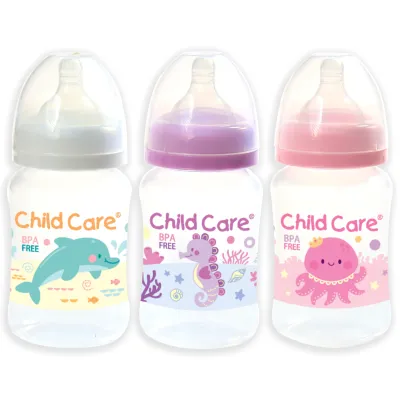
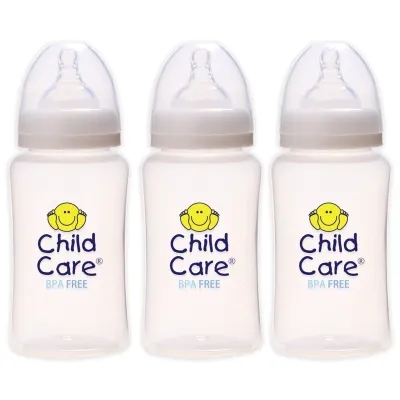
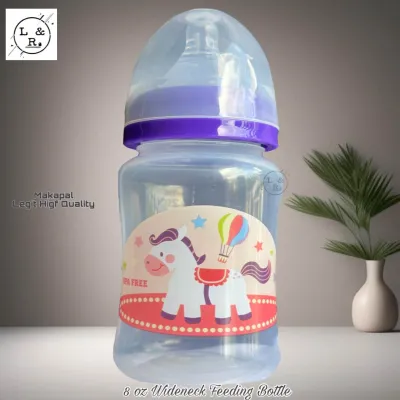
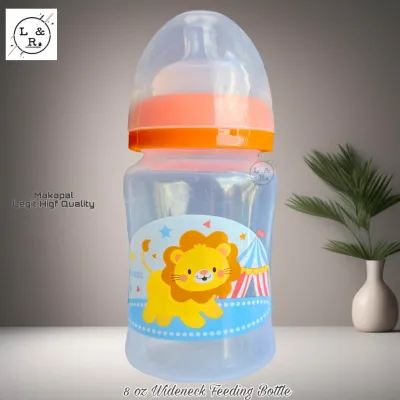
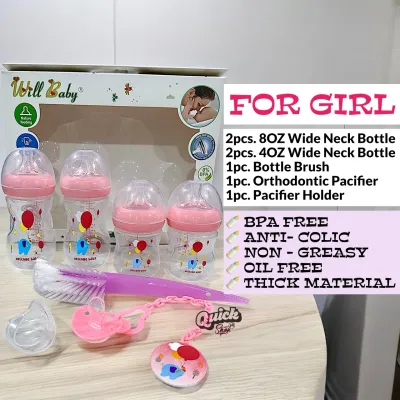
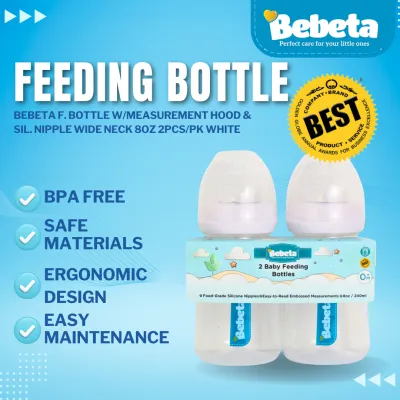
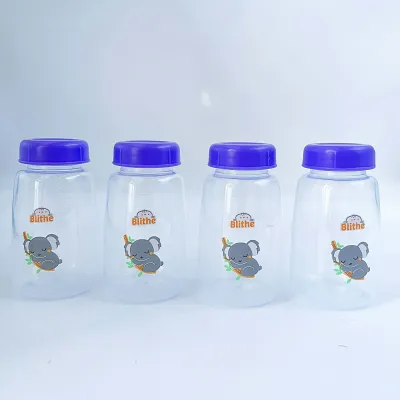
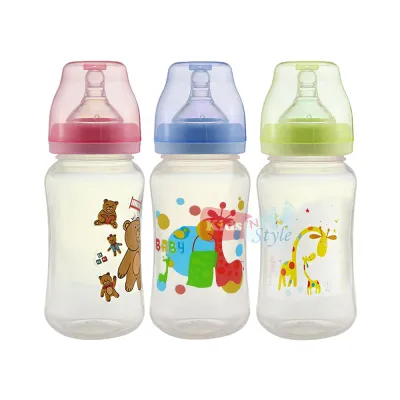
Prices are valid at publication and may change. Please refer to the product page for the latest price.
Glass is the traditional choice, valued primarily for its structural integrity and chemical stability. It is naturally resistant to odors, stains, and micro-scratches, meaning it remains clear and pristine even after hundreds of sterilization cycles. However, glass is inherently heavy and fragile, making it prone to chipping or shattering if dropped on hard kitchen tiles or outdoor pavements.
Plastic bottles, typically made from polypropylene (PP), polyphenylene sulfone (PPSU), or polyethersulfone (PES), are highly popular due to their lightweight and shatterproof nature. PP is the most common and budget-friendly option, though it tends to wear out faster, while PPSU and PES offer higher heat resistance and greater durability. When selecting plastic, it is essential to check the manufacturer’s labels to ensure the material is certified BPA-free and rated for high-temperature sterilization.
Silicone is a modern alternative that bridges the gap between glass and plastic, offering a soft, skin-like texture that many babies find comforting to hold. It is highly flexible, squeeze-able, and virtually unbreakable, making it an excellent option for active households. Because silicone is naturally slip-resistant and structurally stable under extreme temperatures, it provides a secure grip during late-night feedings.
Comparing Safety, Durability, and Cleaning Ease
To determine which material fits your lifestyle, it is helpful to compare them across the practical dimensions of daily parenting: hygiene, longevity, and maintenance. Each material presents unique trade-offs that can either simplify or complicate your kitchen routine.

In terms of safety and hygiene, glass is highly reliable because its non-porous surface resists micro-scratches. Plastic, by contrast, is softer and more susceptible to fine scratches from cleaning brushes, which can create tiny crevices where milk residue and bacteria might accumulate over time. Silicone sits in the middle; while it resists scratching better than plastic, its slightly tacky surface can attract lint and dust, requiring careful storage after drying.
Durability and lifespan vary significantly among the three options. Glass bottles can theoretically last indefinitely if they do not chip or break, though they must be inspected regularly for hairline fractures. Plastic bottles have the shortest lifespan and generally require replacement every few months, especially if they become cloudy, scratched, or warped. Silicone bottles are exceptionally durable against drops and impacts, often lasting through multiple stages of development, provided the collars and nipples are replaced regularly.
Cleaning and sterilization routines must always align with the specific material’s heat tolerance. While glass can easily withstand boiling water, steam, and UV sterilization, certain plastics may degrade or release compounds under intense UV exposure or extreme heat. Silicone is generally highly heat-resistant, but because formulations vary, you must verify the manufacturer’s instructions before placing silicone bottles in a UV sterilizer or dishwasher.
Below is a general comparison guide to help you weigh these essential factors:
| Feature | Glass Bottles | Plastic Bottles (PP/PPSU) | Silicone Bottles |
|---|---|---|---|
| Scratch Resistance | High (Resists micro-scratches) | Low to Moderate (Prone to wear) | Moderate (Resists brush scratches) |
| Drop Durability | Low (Can shatter or chip) | High (Shatterproof) | High (Shatterproof and flexible) |
| Weight | Heavy (Harder for babies to hold) | Very Lightweight | Lightweight and soft |
| Odor & Stain Resistance | High | Low (Can absorb odors/stains) | Moderate (May retain strong odors) |
| Sterilization Compatibility | Boiling, Steam, UV | Steam, Boiling (Verify UV limits) | Steam, Boiling (Verify UV limits) |
| Typical Lifespan | Long (Until chipped or cracked) | Short to Medium (Replace if cloudy) | Long (Replace if sticky or torn) |
Decision Framework: Which Material Fits Your Routine?
Selecting the right material is not about finding a universal winner, but rather matching a bottle’s strengths to your family’s daily habits and environment. By analyzing where and how you feed your baby, you can narrow down the choices to the most practical option.
You should choose glass if your primary feeding environment is at home, where you can safely manage the risk of drops on carpeted or cushioned floors. Glass is ideal for parents who prioritize maximum scratch resistance and want a bottle that can be sterilized repeatedly without any risk of material degradation. If you prefer a highly hygienic, long-lasting option and do not mind the extra weight during feedings, glass is an excellent investment.
You should choose plastic if you need a lightweight, budget-friendly option that can easily be packed into a diaper bag for travel, daycare, or outdoor errands. Plastic is highly practical for busy, on-the-go lifestyles where dropping a bottle is a frequent occurrence. It is also a great choice if you want to purchase a larger wide neck feeding bottle set without a significant upfront cost, allowing you to keep multiple spares on hand.
You should choose silicone if you want a soft, tactile bottle that mimics a natural feel, making it highly suitable for transitioning babies or older infants who are learning to hold their own bottles. The shatterproof, squeezable nature of silicone provides peace of mind during self-feeding milestones. It offers the drop-proof benefits of plastic while maintaining a high level of durability and heat resistance.
Before making your final purchase, verify if your baby has specific feeding preferences or if you have personal physical constraints. For instance, if you experience wrist fatigue or joint pain, holding heavy glass bottles multiple times a day may become uncomfortable. Conversely, if your baby struggles with a weak latch, a squeezable silicone bottle might allow you to gently assist their feeding pace, though you should consult a pediatric feeding specialist for tailored guidance.
Care, Sterilization, and Replacement Guidelines
Proper maintenance is crucial to ensure the hygiene and longevity of your wide neck feeding bottle set, regardless of the material you choose. Establishing a consistent inspection and cleaning routine helps protect your baby and ensures you replace worn-out parts before they become a hazard.
Always cross-reference your sterilization methods—whether boiling, steam, or UV light—with the specific bottle manufacturer’s instructions. Some plastic materials can warp or degrade faster under high heat, while certain silicone components may discolor or lose their elasticity if exposed to prolonged UV cycles. Following the manufacturer’s temperature limits prevents premature wear and preserves the structural integrity of the bottle.
In warm, humid environments, ensuring bottles dry completely in a well-ventilated area is crucial to prevent moisture buildup, especially on the slightly tacky surface of silicone. Perform a regular visual inspection of your bottles using this quick checklist to identify when it is time to retire them:
- For Glass: Check for hairline cracks, chips around the rim, or deep scratches that could weaken the structure.
- For Plastic: Look for persistent cloudiness, deep scratches, warping, or a lingering sour odor that does not wash away.
- For Silicone: Check for a sticky or tacky texture, discoloration, or tiny tears in the material.
Pay close attention to nipple and collar maintenance, as these parts experience the most wear and tear from suction and frequent assembly. Nipples and collars are typically made of soft silicone or latex and require replacement much more frequently than the bottle bodies themselves. Inspect nipples daily by pulling on the bulb to check for tears, changes in flow rate, or thinning of the material, and replace them immediately if you notice any signs of weakness.
Frequently Asked Questions (FAQ)
Can I mix different bottle materials in one feeding routine?
Yes, mixing different bottle materials in your daily routine is highly practical and safe, provided you maintain consistency where it matters most. Many parents prefer using glass bottles at home for easy sterilization and switching to lightweight plastic or silicone bottles when traveling or sending their baby to daycare. When mixing materials, the key is to ensure that the nipple shape, material, and flow rate remain consistent across all bottles. Babies are highly sensitive to changes in nipple texture and flow, so keeping the nipple design uniform will help prevent feeding confusion, even if the bottle body changes.
Do wide neck bottles require special cleaning brushes?
Wide neck bottles generally require brushes designed specifically to accommodate their broader shape and unique contours. While the wide opening makes manual cleaning much easier than narrow-neck alternatives, standard narrow brushes may slide around without effectively scrubbing the wider base and corners. Look for a cleaning brush with a wide, contoured head that can easily reach the bottom edges where milk residue tends to settle. Additionally, ensure the brush bristles are compatible with your bottle material; for example, use soft sponge brushes or gentle silicone bristles on plastic and silicone bottles to prevent micro-scratches and tears.

Community discussion
Share your experience or ask a question. Comments are reviewed before publication.