
Selecting the right baby feeding bottle is one of the most frequent decisions you will face as a parent. With options ranging from traditional glass to modern engineered plastics like PPSU, finding a balance between safety, durability, and convenience can feel overwhelming.
There is no single material that fits every family perfectly. The safest and most practical bottle depends on your baby’s age, your daily routine, and how you prefer to clean and sterilize your feeding gear. By understanding the unique strengths and limitations of glass, plastic, silicone, and PPSU, you can make an informed choice that keeps your baby safe and your daily routine manageable.
Quick Answer: Matching Bottle Materials to Your Feeding Needs
To simplify your decision, you can match the bottle material directly to your primary feeding environment and lifestyle requirements:
Products mentioned in this guide
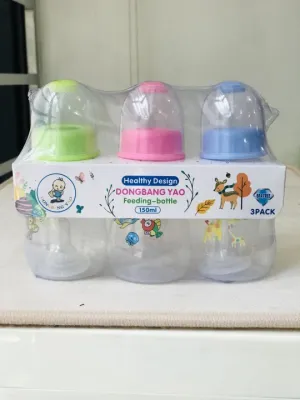
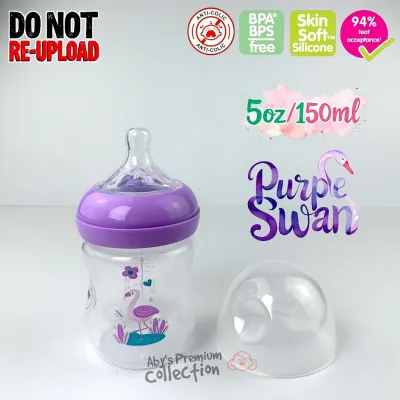
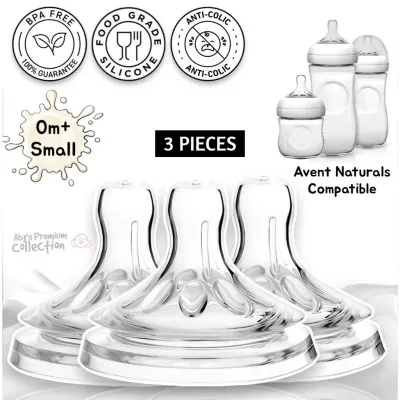
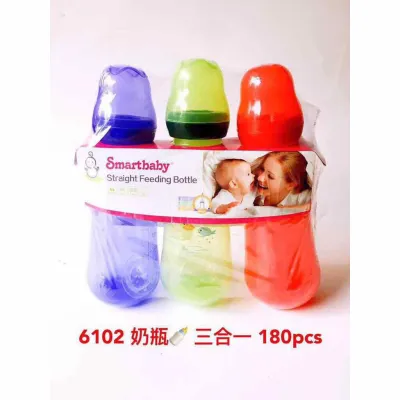
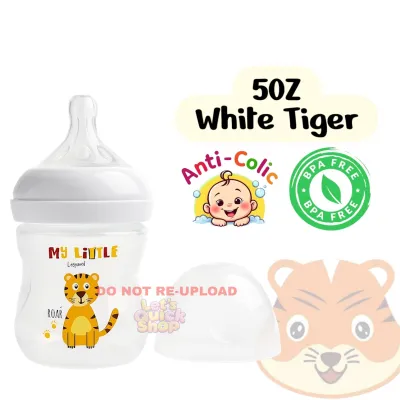
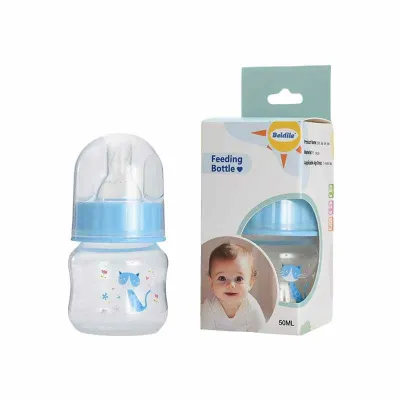
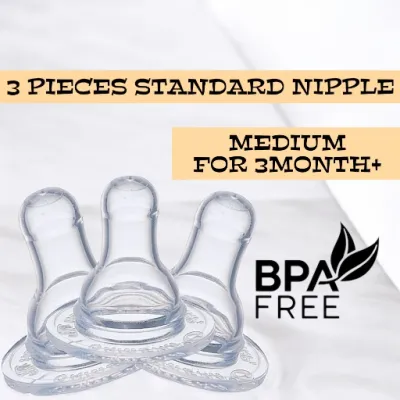
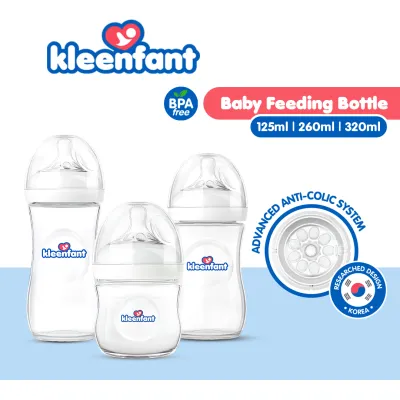
Prices are valid at publication and may change. Please refer to the product page for the latest price.
- Choose Glass if your primary concern is chemical purity, scratch resistance, and long-term durability, and you plan to handle all feeding sessions yourself.
- Choose Plastic if you need an ultra-lightweight, highly affordable option for travel, daycare, or outdoor trips, and you are diligent about checking safety labels.
- Choose Silicone if you want a soft, shatterproof bottle that mimics the natural feel of breastfeeding to help your baby transition more smoothly.
- Choose PPSU if you want a premium, highly durable, and heat-resistant bottle that offers the safety benefits of glass with the lightweight convenience of plastic.
Comparing Glass, Plastic, Silicone, and PPSU Bottles
Each material behaves differently under daily wear, high-temperature sterilization, and physical impact. Understanding these differences helps you choose a bottle that fits your home environment.

Glass Baby Bottles
Glass has long been trusted by parents who prioritize material purity. Because glass is non-porous, it naturally resists odors, stains, and scratches, ensuring that no residues from previous feeds or dishwashing liquids linger on the surface. This makes glass highly hygienic and exceptionally easy to clean, even after repeated use.
However, glass bottles are significantly heavier than their synthetic counterparts. This weight can make feeding sessions tiring for parents, and it makes it difficult for older babies to hold the bottle independently as they develop their motor skills.
The most notable drawback of glass is the risk of breakage. In homes with hard tile floors, a dropped glass bottle can shatter instantly, creating a safety hazard. To mitigate this risk, many parents use protective silicone sleeves, which improve grip and offer basic drop protection.
Plastic Baby Bottles
Plastic baby bottles are widely popular due to their lightweight design and budget-friendly price points. They are highly practical for active families who frequently feed on the go, as they will not break when dropped on hard pavement or packed tightly into a diaper bag.
When choosing plastic, safety verification is your most important step. You must carefully inspect product packaging or manufacturer specifications to ensure the bottles are labeled as BPA-free and BPS-free. These labels verify that the plastic does not contain harmful bisphenol compounds.
The primary limitation of standard plastic is its susceptibility to scratching. Over time, bottle brushes and abrasive cleaning can create micro-scratches on the inner walls. In warm, humid environments, these tiny crevices can trap moisture, milk residue, and bacteria, requiring you to replace the bottles more frequently.
Silicone Baby Bottles
Silicone bottles represent a modern approach to infant feeding, offering a soft, flexible body that feels more natural to an infant’s touch. This skin-like texture can be highly beneficial for breastfed babies who struggle to accept rigid plastic or glass bottles.
The flexible design of silicone also allows parents to gently squeeze the bottle body. This feature can support paced feeding and help mimic the natural flow of nursing, making the transition between breast and bottle much smoother for both parent and child.
Despite these benefits, silicone requires careful maintenance. The material is semi-porous compared to glass, meaning it can absorb strong odors or become discolored over time. You must also check the manufacturer’s guidelines regarding sterilization limits, as prolonged exposure to extreme heat can cause some silicone components to degrade or lose their shape.
PPSU Baby Bottles
Polyphenylsulfone, commonly known as PPSU, is a medical-grade thermoplastic recognized for its distinct honey-tinted color. It has become a popular premium choice because it combines the best qualities of glass and plastic into a single, high-performance material.
PPSU is exceptionally durable and highly resistant to repeated high-temperature sterilization. Unlike standard plastics, it does not warp, degrade, or release odors when subjected to boiling water, steam, or UV sterilizers, making it an incredibly robust option for daily hygiene routines.
While PPSU is lightweight and shatterproof like plastic, it resists scratches almost as well as glass. This durability means you will not have to replace PPSU bottles nearly as often as standard plastic ones. While a standard plastic bottle might cost a few hundred Pesos, a premium PPSU bottle represents a larger upfront investment in ₱, though it may save money over time due to its long lifespan.
How to Choose Based on Age, Lifestyle, and Sterilization Habits
Selecting the right bottle involves looking at your baby’s developmental stage and your family’s daily habits.
- Baby's Age and Motor Skills: For newborns who are always fed by an adult, glass bottles are highly practical because the risk of dropping is low. As your baby grows and begins to hold their own bottle, transitioning to lightweight, shatterproof materials like silicone, plastic, or PPSU prevents accidental drops and supports self-feeding milestones.
- Sterilization Habits: If you sterilize your bottles after every use using steam, boiling water, or UV sterilizers, you need a material that can withstand constant thermal stress. Glass and PPSU are highly resilient under extreme heat and UV exposure. Standard plastics, however, can degrade quickly under intense heat, making them less suitable for heavy sterilization routines.
- Budget and Replacement Frequency: While standard plastic bottles require a lower initial investment in ₱, they must be replaced regularly due to scratching and cloudiness. Investing in PPSU or glass may cost more upfront, but their long lifespan often makes them more economical over time.
Cleaning, Sterilization, and When to Replace Your Bottles
Proper maintenance is essential to keep your baby feeding bottles safe and hygienic. Always follow the manufacturer’s specific temperature limits and instructions for boiling, steam, or UV sterilizers to prevent premature wear.
Regular visual inspections are critical for all bottle types. Before washing, hold the bottle up to the light to check for physical damage. Micro-scratches, cracks, or chips can harbor bacteria that standard washing cannot remove.
You should establish clear stopping conditions for each material:
- Plastic and PPSU: Discard immediately if the material becomes cloudy, deeply scratched, or retains a persistent sour odor.
- Glass: Discard at the first sign of a chip, crack, or internal scratch, as these compromise structural integrity and pose a physical hazard.
- Silicone: Replace if the bottle body feels sticky, develops tears, or shows signs of thinning.
In tropical climates where humidity is high, drying your bottles thoroughly is just as important as sterilizing them. After washing and sterilizing, place all components on a clean, elevated drying rack in a well-ventilated area to prevent mold and bacterial growth.
Frequently Asked Questions (FAQ)
Can I mix different bottle materials for my baby?
Yes, mixing different bottle materials is entirely safe and highly practical for many families. To ensure a smooth transition between bottles, try to use the same nipple brand and flow rate across all your bottles so your baby does not experience nipple confusion. A common strategy is to use glass bottles at home for maximum purity, and lightweight PPSU or plastic bottles when traveling or visiting daycare to prevent breakage.
How often should I replace plastic or PPSU bottles?
Rather than relying on a strict calendar timeline, you should replace bottles based on observable wear and tear. Standard plastic bottles typically need replacement every few months because they scratch easily during cleaning. PPSU bottles, which are much more scratch-resistant, can last significantly longer and only need replacement if they show visible damage, deep scratches, or persistent discoloration. Always inspect the bottle nipples separately, as they wear out much faster than the bottle bodies.

Community discussion
Share your experience or ask a question. Comments are reviewed before publication.