
Selecting the safest baby bottle material for your sterilization routine is not about finding a single “perfect” option, but rather about matching the physical properties of glass, plastic, or silicone to the specific mechanism of your sterilizer. In a warm, humid tropical climate, keeping feeding equipment completely dry and sterile is a constant priority to prevent the rapid growth of mold and bacteria.
While glass offers exceptional resistance to both high-heat steam and ultraviolet (UV) light, lightweight plastics and flexible silicones present distinct advantages and vulnerabilities depending on whether they are exposed to wet heat or photochemical radiation. To protect your infant’s health, the safest choice is always the material that aligns with your sterilizer’s operating limits and shows no signs of physical degradation.
How Steam and UV Sterilization Affects Different Materials
Steam sterilization is a traditional, highly reliable method that utilizes boiling water vapor to eliminate pathogens. This process subjects baby bottles to sustained high temperatures, typically reaching or exceeding 100°C, alongside high humidity levels. Consequently, any bottle material placed inside a steam sterilizer must possess excellent thermal stability to prevent warping, melting, or the structural weakening of joints and collars. In tropical environments, the moisture left behind after a steam cycle can quickly become a breeding ground for microbes if the sterilizer does not feature an efficient, built-in drying cycle.
Products mentioned in this guide
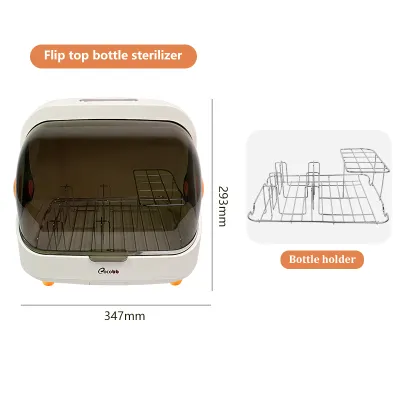
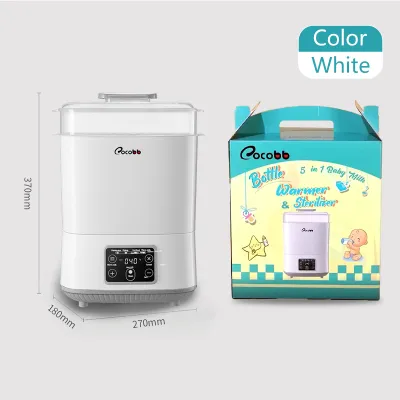
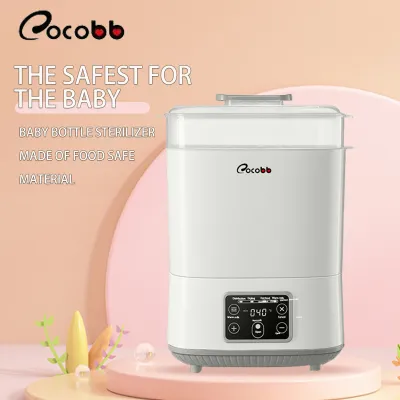
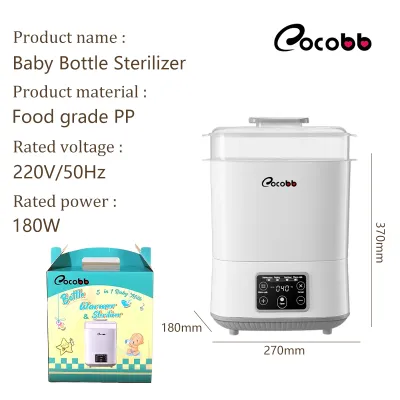
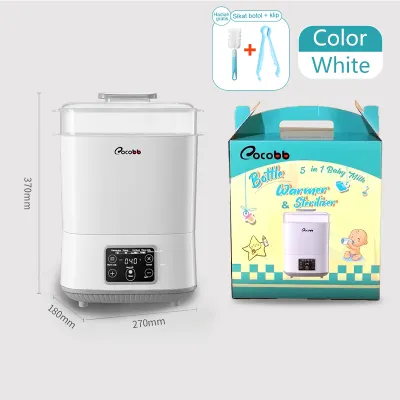
Prices are valid at publication and may change. Please refer to the product page for the latest price.
In contrast, UV sterilization relies on ultraviolet light—specifically UV-C rays—to disrupt the DNA of microorganisms without generating extreme heat. This dry method is highly convenient and eliminates the risk of moisture-induced mold, but it introduces a different set of material challenges. Ultraviolet radiation can break down the chemical bonds in certain polymers over time, leading to accelerated aging, discoloration, and structural brittleness.
Because these two sterilization methods interact with materials on entirely different physical levels, parents must carefully cross-reference the bottle manufacturer’s instructions with the sterilizer’s user manual. Mixing incompatible materials or using the wrong sterilization method can compromise the safety and lifespan of your baby’s bottles.
Glass Bottles: Heat Resistance and Handling Considerations
Glass is widely recognized for its outstanding thermal and chemical stability, making it highly compatible with both steam and UV sterilization systems. Because glass is non-porous, it does not absorb odors, colors, or fats from breast milk and infant formula, nor does it undergo chemical degradation when exposed to repeated UV-C light cycles. This material can withstand the intense heat of steam sterilization indefinitely without warping or releasing volatile compounds, offering a highly durable option for long-term use.

However, utilizing glass bottles in your daily routine requires careful handling and physical precautions. Glass is significantly heavier than plastic or silicone, which can make self-feeding more challenging for older infants and increase caregiver fatigue during late-night feeds. The most critical risk is breakage; a dropped glass bottle can shatter into dangerous shards, posing an immediate safety hazard in the home.
Additionally, rapid temperature changes—such as pouring cold milk directly into a hot, freshly sterilized glass bottle—can cause thermal shock, leading to cracks or sudden shattering. To minimize these risks, caregivers should verify whether their glass bottles are made from borosilicate or tempered glass, as specified on the product packaging. Borosilicate glass is engineered to withstand drastic temperature fluctuations far better than standard soda-lime glass, providing an extra layer of safety during high-heat steam cycles.
Always inspect glass bottles before every feed, running a finger along the rim and base to check for hairline fractures, chips, or internal stress cracks. Discard any damaged bottles immediately to prevent injury or glass ingestion.
Plastic Bottles: Lightweight Convenience and Degradation Signs
Plastic baby bottles are highly popular due to their lightweight, shatterproof nature and affordable price point. The most common plastics used in modern bottle manufacturing are polypropylene (PP) and polyphenylsulfone (PPSU). While PP is highly affordable and widely available, PPSU is a medical-grade plastic known for its superior heat resistance and durability. Both materials generally perform well under the high temperatures of steam sterilization, but caregivers must always check the specific temperature limits printed on the packaging to ensure they do not exceed the sterilizer’s heat output.
Despite their convenience, plastic bottles are highly susceptible to degradation when subjected to repeated sterilization cycles, particularly in UV sterilizers. Ultraviolet light gradually breaks down the polymer chains in plastics, which can cause them to become cloudy, yellowed, or brittle over time. This degradation is not merely cosmetic; brittle plastic is prone to cracking, and the breakdown of the material can create micro-scratches on the inner walls of the bottle. These tiny crevices can harbor milk residues and bacteria, compromising the hygiene of the feeding equipment.
To maintain a safe feeding routine, establish a strict inspection schedule for all plastic bottles. Look closely for signs of wear, such as a cloudy appearance that does not wash away, visible discoloration, a sticky or rough texture, or fine micro-scratches inside the bottle. If you notice any of these changes, or if the plastic feels unusually soft or brittle, it is time to replace the bottle immediately. As a general safety practice, many manufacturers recommend replacing standard PP plastic bottles every three to six months, especially when they are sterilized daily.
Silicone Bottles: Flexibility and Temperature Limits
Food-grade silicone has emerged as a highly versatile material for baby bottles, offering a soft, breast-like texture that many infants find comforting. This material is highly resilient, easily surviving drops and rough handling without any risk of shattering. From a sterilization perspective, high-quality food-grade silicone possesses excellent thermal stability, allowing it to withstand the high temperatures of steam sterilization without warping or losing its shape. It is also highly resistant to UV-C light, meaning it will not degrade or become brittle under repeated UV sterilization cycles in the way that many plastics do.
However, silicone has unique physical properties that require specific maintenance and care, particularly in warm and humid climates. Silicone is naturally semi-porous, which means it can easily absorb oils from breast milk or formula, leading to persistent odors or a cloudy film over time. If the bottles are not thoroughly scrubbed with hot, soapy water to remove all fat residues before being placed in a steam or UV sterilizer, the heat or light can bake these residues into the material, causing the silicone to become sticky, discolored, or foul-smelling.
Before sterilizing silicone bottles, always verify the exact temperature limits specified by the manufacturer on the product packaging. While pure food-grade silicone can tolerate very high temperatures, some silicone bottles feature rigid plastic collars, bases, or venting systems made of different materials that may have much lower heat thresholds. Ensure that all components are fully disassembled before sterilization to allow steam or UV light to reach every surface, and inspect the silicone regularly for any signs of stickiness, tearing, or persistent odors that indicate the material has reached the end of its useful lifespan.
Verifying Compatibility with Your ccobb sterilizer or Other Models
Ensuring the safety of your sterilization routine requires a careful cross-reference between your specific appliance and your chosen bottle materials. If you are using a specialized device, such as a ccobb sterilizer, your first step should always be to locate the approved materials list in the user manual. Different sterilizer models utilize varying heat levels, drying temperatures, and UV lamp intensities, meaning that a bottle material safe for one device might not be compatible with another.
When purchasing new baby bottles, look for explicit sterilizer-safe or UV-safe symbols on the packaging, along with clear temperature ratings. Do not assume that a bottle is safe for all sterilization methods simply because it is labeled “sterilizer-safe”; some bottles are designed exclusively for steam and may degrade rapidly if placed in a UV unit, while others may have plastic components that cannot handle the intense heat of a steam cycle. If the packaging lacks clear, unambiguous guidelines regarding steam or UV compatibility, contact the manufacturer directly for clarification before use.
Caregivers must remain vigilant during and after every sterilization cycle. If you open your sterilizer and notice any warping, melting, unusual chemical odors, or structural changes in your bottles, stop using those items immediately. These signs indicate that the material’s thermal or radiation limits have been exceeded, which can compromise the structural integrity of the bottle and potentially release unwanted substances. When in doubt, consult the manufacturer of both the bottle and the sterilizer to verify compatibility and ensure a safe feeding environment for your baby.
Decision Guide: Which Material Fits Your Sterilization Routine?
Choosing the right bottle material involves balancing your primary sterilization method, your lifestyle, and your daily routine. If your sterilization routine relies heavily on high-heat steam and you prioritize absolute chemical stability and longevity, glass bottles are an excellent choice. They can withstand endless steam cycles without degrading, provided you are willing to manage their heavier weight and take precautions against accidental drops and thermal shock.
If you require a lightweight, shatterproof option for travel, daycare, or on-the-go feeding, plastic bottles offer unmatched convenience. However, if you choose plastic, you must commit to a regular replacement schedule, particularly if you use a UV sterilizer, as ultraviolet light will accelerate the aging of the polymer. Be prepared to inspect these bottles daily and replace them at the first sign of cloudiness, scratching, or discoloration to maintain optimal hygiene.
Silicone bottles provide a highly durable, flexible, and unbreakable middle ground that performs exceptionally well in both steam and UV sterilizers. They are ideal for parents who want the safety of a shatterproof material without the rapid UV degradation associated with plastics. To make silicone work for your household, you must be diligent about thorough pre-cleaning to prevent odor and oil retention, and you must verify that any accompanying plastic collars or valves are also compatible with your sterilizer’s heat and light settings.
Ultimately, if your sterilizer’s user manual explicitly forbids a specific material, or if a bottle lacks clear temperature and sterilization ratings on its packaging, that combination should be avoided entirely. Always prioritize the manufacturer’s safety guidelines over convenience to ensure that your sterilization routine remains highly effective and completely safe for your infant.
Frequently Asked Questions (FAQ)
Can I sterilize glass, plastic, and silicone bottles together in the same cycle?
Whether you can mix glass, plastic, and silicone bottles in a single sterilization cycle depends entirely on the guidelines provided in your sterilizer’s user manual. Some steam and UV sterilizers have specific loading configurations or mixed-material restrictions to ensure even heat distribution and proper exposure. In UV sterilizers, proper spacing is particularly critical; placing different materials too close together can cause larger or opaque bottles to block the path of the ultraviolet light, preventing it from reaching and sterilizing adjacent items.
For steam sterilizers, overloading the chamber with a mix of heavy glass and lightweight plastic can disrupt the flow of water vapor, leading to cold spots where bacteria might survive. Additionally, mixing materials with different thermal properties can sometimes affect the drying cycle, leaving condensation on plastic or silicone surfaces while glass dries completely. Always arrange your bottles according to the manufacturer’s spacing instructions, ensuring that steam can circulate freely and UV light can directly illuminate every surface of every bottle.

Community discussion
Share your experience or ask a question. Comments are reviewed before publication.