
Choosing the safest feeding bottle for your baby girl does not come down to a single material, but rather how well a material fits your daily routine, sterilization habits, and your baby’s developmental stage. While glass, plastic, and silicone each offer distinct benefits, safety is ultimately determined by how you maintain, inspect, and replace these items over time. Whether you are preparing a nursery in a warm, humid tropical climate or setting up a simple feeding station at home, understanding the physical limits of each material ensures your baby’s feeding journey remains clean and secure.
Many parents wonder if a baby girl requires specific bottle features, but physiological safety and developmental needs are identical for all infants. While you might find bottles styled in pastel pinks, floral patterns, or neutral tones, the core priority must always be the structural integrity of the container and the safety of the food-contact surfaces. By focusing on certified materials and proper hygiene practices, you can confidently select a bottle that protects your little one’s health.
Understanding the Physical Traits of Glass, Plastic, and Silicone
To make an informed decision, you must first understand how glass, plastic, and silicone behave under daily use. Glass is a traditional choice known for its excellent chemical stability and resistance to scratching. However, it is inherently heavy and fragile, meaning a single drop on a hard tile floor can cause it to shatter. This makes glass highly durable in terms of wear but high-risk in terms of physical breakage, requiring careful handling by caregivers.
Products mentioned in this guide
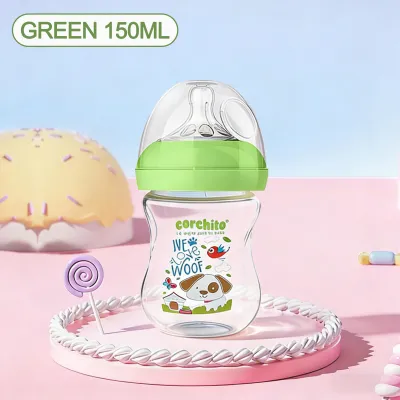
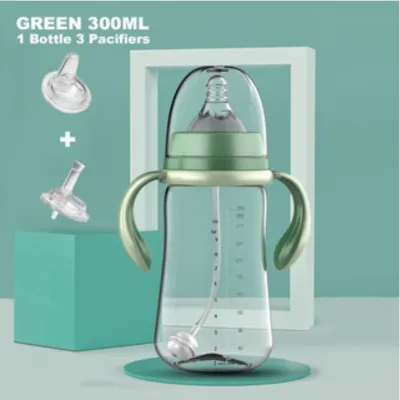
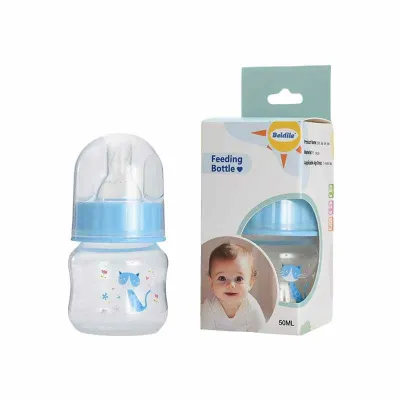
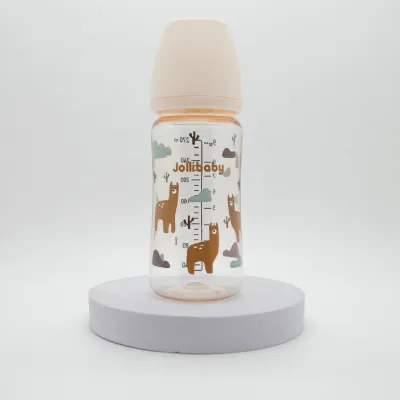
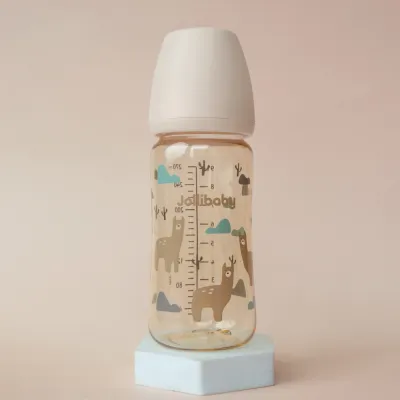
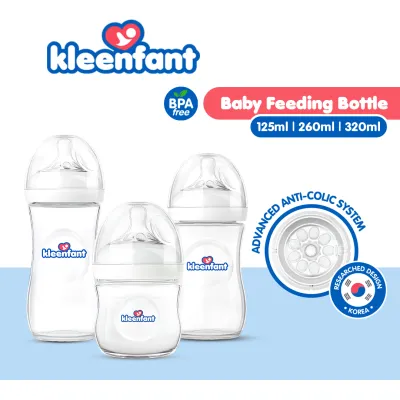
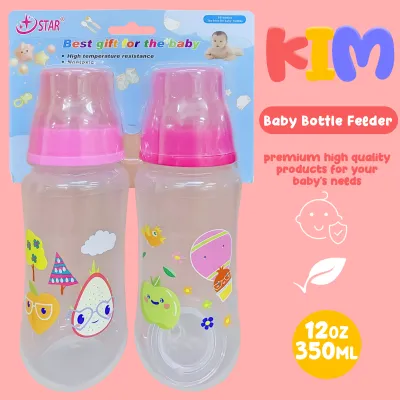
Prices are valid at publication and may change. Please refer to the product page for the latest price.
Plastic bottles, typically made from polypropylene (PP) or polyphenylsulfone (PPSU), offer a lightweight and shatterproof alternative. They are highly convenient for travel and active households, but they are softer than glass and more susceptible to surface scratches. These micro-scratches can become breeding grounds for bacteria if not cleaned meticulously, especially in warm, humid environments where microbes thrive quickly.
Silicone is a modern, semi-flexible material that bridges the gap between glass and plastic. It is lightweight, shatterproof, and has a soft, skin-like texture that many babies find comforting. Silicone is highly heat-resistant and does not scratch as easily as plastic, but it can be more expensive upfront and may absorb odors or oils from breast milk and infant formula over time.
When evaluating these materials, always look for specific heat resistance indicators and chemical-free claims on the product packaging. Do not assume a bottle is safe simply because of its material type; instead, verify that the manufacturer explicitly states the bottle is free from Bisphenol A (BPA) and Bisphenol S (BPS). These chemical-free assurances, along with clear temperature limits for heating and sterilization, are the true markers of a high-quality feeding vessel.
Evaluating Durability and Wear Signs for Ongoing Safety
No feeding bottle lasts forever, and monitoring wear and tear is essential for preventing physical and chemical hazards. Plastic bottles require the most frequent inspection because they degrade faster under high heat. Over time, repeated sterilization can cause plastic to become cloudy, warped, or covered in fine micro-scratches. If you notice any of these signs, or if the plastic begins to feel sticky, it is time to discard the bottle immediately to prevent bacterial buildup.

Silicone bottles are highly durable, but they are not immune to wear. You should regularly squeeze and stretch the silicone body to check for tiny tears, punctures, or structural softening. Because silicone is flexible, a deep scratch or a small tear can quickly turn into a split under pressure, leading to leaks or choking hazards if small pieces break off. Additionally, if the silicone develops a persistent oily film or a strong, sour odor that does not wash away, replace the bottle.
Glass bottles can theoretically last for years, but they present unique physical risks that require vigilant inspection. Before every feeding, run your fingers along the rim, threads, and base of the glass bottle to check for hairline cracks, chips, or sharp edges. Even a microscopic chip can detach during cleaning or feeding, posing a severe safety risk to your baby. Any glass bottle showing even the slightest sign of structural compromise must be recycled or discarded immediately.
To ensure you are buying a product built to last, always verify safety standard marks directly on the packaging before purchasing. Look for recognized regulatory markings, such as compliance with European Standards (EN 14350) or US Food and Drug Administration (FDA) guidelines. These marks confirm that the manufacturer has subjected the materials to rigorous testing for durability, chemical migration, and structural safety under normal feeding conditions.
Aligning Bottle Weight and Grip With Your Baby's Motor Skills
As your baby girl grows, her physical interaction with her bottle will change, making weight and grip crucial factors in your decision. During the newborn stage, when feedings are entirely managed by a caregiver, heavier glass bottles are highly practical. Since you are holding the bottle, the risk of dropping is minimal, and you can take advantage of glass’s superior heat retention and scratch resistance without worrying about your baby’s limited motor skills.
As your baby reaches the age where she attempts to hold her own bottle, lightweight materials like plastic and silicone become much more suitable. A heavy glass bottle can be difficult for tiny hands to support and can cause injury if dropped onto your baby’s face or chest. Lightweight plastic or soft, squeezable silicone bottles allow your baby to practice her grasp and develop hand-eye coordination safely, turning feeding time into an opportunity for motor skill development.
To assist your baby in transitioning to independent holding, look for bottles designed with ergonomic shapes, contoured midsections, or textured surfaces. Many manufacturers offer removable silicone sleeves for glass bottles, which provide a non-slip grip while offering a layer of shock absorption against accidental drops. These sleeves allow you to enjoy the hygienic benefits of glass while mitigating the safety risks associated with breakage.
Always cross-reference the manufacturer’s age and weight recommendations printed on the product packaging. These guidelines help you choose the appropriate bottle size and weight capacity for your baby’s current developmental stage. Introducing a bottle that is too large or heavy too early can frustrate your baby and disrupt her feeding rhythm, so it is best to scale up gradually as her grip strength improves.
Navigating Sterilization and Care Instructions by Material
Proper hygiene is paramount, especially in tropical climates where high humidity can encourage mold and bacterial growth on damp surfaces. However, sterilization methods must be tailored to the specific material of your bottle to avoid damaging it. Always read the product manual to verify whether your bottle is compatible with boiling, electric steam sterilizers, or UV sterilization systems. For instance, some plastics can degrade or release microplastics under extreme UV exposure, while certain silicone grades may require specific temperature limits.
When cleaning your bottles, avoid using harsh abrasive brushes, steel wool, or strong chemical detergents. These abrasive tools can easily scratch plastic surfaces, creating microscopic grooves where bacteria and milk residue can hide. Instead, use soft silicone brushes or sponge bottle wands designed specifically for delicate baby gear. For silicone bottles, gentle washing with mild, fragrance-free dish soap is usually sufficient to prevent the material from absorbing unwanted scents.
While the bottle body is important, do not forget to inspect the smaller components, including the silicone nipples, collars, and sealing discs. Nipples are subjected to constant biting and stretching, making them wear out much faster than the bottle itself. Check the nipple regularly by pulling on the bulb; if it loses its elasticity, becomes sticky, swells, or shows a change in flow rate, replace it immediately to prevent choking or feeding frustration.
Establish clear stopping conditions for every bottle in your inventory. If you observe any change in the material’s texture, persistent discoloration, or an odor that remains after thorough washing and sterilization, halt use immediately. Consulting the manufacturer’s customer service or referring to their official care guidelines can help you determine if the change is normal or if the bottle has reached the end of its safe lifespan.
Creating Your Final Shortlist: A Buyer's Checklist
When you are ready to purchase feeding bottles at a local baby boutique or a trusted online marketplace, having a structured checklist will help you make a safe and practical choice. First, verify that the packaging is fully sealed and displays clear material labeling, including a visible manufacturing date. Avoid buying loose or unboxed bottles that lack clear brand accountability or safety certifications, as these may not meet local health standards.
Next, balance your initial budget with the long-term replacement frequency of each material. While plastic bottles are often highly affordable upfront, costing around ‑150 to ‑300, they require replacement every few months due to scratching and wear. Glass and high-grade silicone bottles may carry a higher initial price tag, often ranging from ‑500 to ‑1,200, but their superior durability means they can last significantly longer if handled carefully, potentially saving you money over time.
Finally, prioritize ease of disassembly and cleaning to ensure the bottle fits seamlessly into your daily routine. A bottle with too many intricate parts, valves, or narrow crevices can be incredibly difficult to clean thoroughly, increasing the risk of mold buildup in humid weather. Choose a design with a wide neck and minimal components that you can easily take apart, wash, and sterilize without adding unnecessary stress to your busy caregiving schedule.
Frequently Asked Questions (FAQ)
Are pink or floral designs on plastic bottles safe for my baby girl?
Yes, decorative designs on the exterior of plastic bottles are safe, provided they do not come into contact with the milk or formula inside. The safety of a feeding bottle depends entirely on the food-contact surfaces of the interior and the structural integrity of the material. When purchasing decorated bottles, verify that any paints, inks, or wraps are applied strictly to the outside of the bottle and are certified lead-free and non-toxic by the manufacturer.
Can I mix glass and silicone bottles for the same baby?
Yes, you can safely use a mix of glass and silicone bottles for the same baby, which is often a practical strategy as your baby transitions to self-feeding. To prevent feeding confusion or rejection, try to use the same brand or shape of silicone nipple across both bottle types so the flow rate and mouth feel remain consistent. Remember to follow the specific sterilization, cleaning, and replacement guidelines for each material, as glass and silicone have different wear patterns and care requirements.

Community discussion
Share your experience or ask a question. Comments are reviewed before publication.