
Choosing the right feeding bottle material is a personal decision that depends on your baby’s developmental stage, your daily routine, and your cleaning preferences. There is no single “best” material for every family. Glass offers strong durability against stains and odors, plastic provides lightweight convenience for travel, and silicone balances drop-resistance with a soft, squeezable texture. By understanding the practical trade-offs of each material, you can select the option that fits your lifestyle and ensures a comfortable feeding experience. Always verify manufacturer specifications and safety labels before making a final purchase.
Evaluating Glass, Plastic, and Silicone Bottles
When comparing feeding bottle materials, it helps to look at how they perform during daily handling, cleaning, and long-term use. Parents often balance the physical properties of each material against their baby’s age and feeding environment. For instance, a bottle that works well for quiet feedings at home might not be the most practical choice for a busy daycare setting or a family trip.
Because formulations and designs vary significantly by brand, you should always check specific product labels for exact material specifications. Some bottles feature hybrid designs, specialized coatings, or unique venting systems that alter how the material behaves. Evaluating these options based on observable traits rather than universal performance claims will help you find a reliable solution for your household.
Products mentioned in this guide
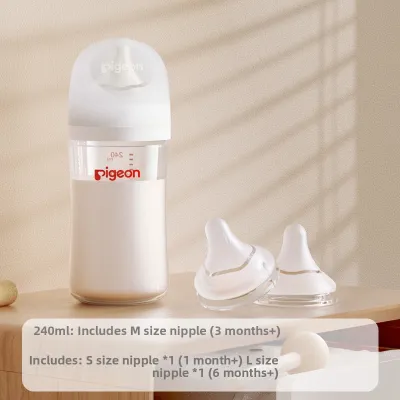
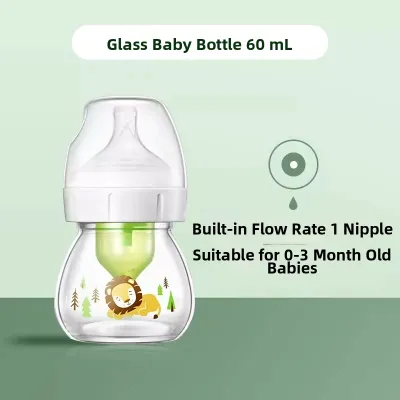
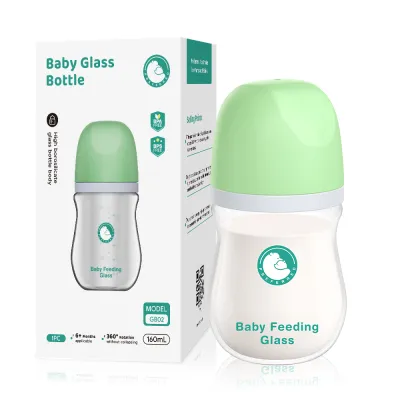
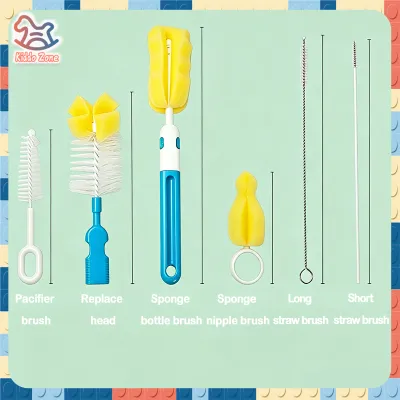
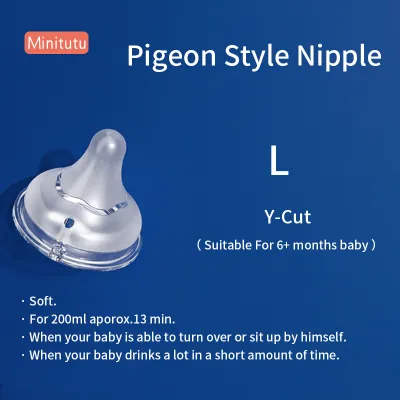
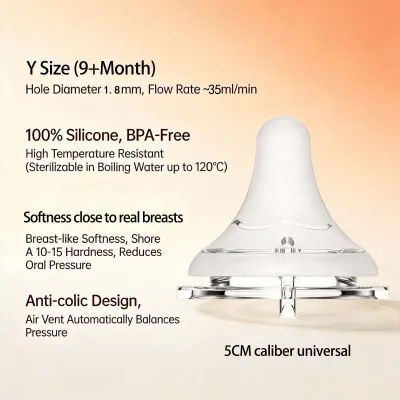
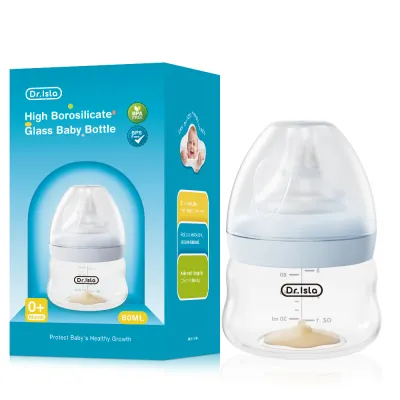
Prices are valid at publication and may change. Please refer to the product page for the latest price.
Glass Feeding Bottles
Glass feeding bottles are highly valued for their hygiene and long-term durability. Because glass is non-porous, it naturally resists odor retention and stubborn milk stains, even after months of continuous use. This makes glass exceptionally easy to clean and sterilize, as it does not harbor residual oils or smells from breast milk or infant formula.
However, glass bottles come with distinct physical limitations that you must manage. They are significantly heavier than plastic or silicone alternatives, which can make feeding sessions tiring for your wrists and difficult for older babies who want to hold their own bottles. Glass is also fragile and can crack or shatter if dropped on hard tile floors, which are common in many homes.
To mitigate these risks, many parents use protective silicone sleeves to improve grip and cushion minor impacts. When shopping for a glass feeding bottle, always check the packaging to verify the manufacturer’s stated thermal shock resistance. This rating indicates whether the bottle can safely transition from cold refrigeration to warm water baths without cracking. Additionally, confirm if the bottle is labeled as dishwasher-safe or compatible with high-temperature steam sterilizers.
Plastic Feeding Bottles
Plastic feeding bottles are a popular choice for families seeking lightweight convenience and shatterproof durability. Because they are highly resistant to drops, plastic bottles are highly practical for travel, outdoor strolls, and older babies who are developing the motor skills to hold their own bottles during feeding times.
Despite their convenience, plastic bottles require careful monitoring over time. Plastic is a softer material than glass, making it highly susceptible to surface scratches from bottle brushes or abrasive cleaning pads. These tiny scratches can trap milk residue and harbor bacteria if not cleaned thoroughly. Plastic is also more prone to absorbing odors and becoming cloudy or discolored after repeated sterilization cycles.
When selecting plastic bottles, safety verification is paramount. You should inspect the product packaging or the official brand website to verify that the bottles are certified as BPA-free, BPS-free, and phthalate-free. Look for high-quality plastics such as polypropylene (PP), polyethersulfone (PES), or polyphenylsulfone (PPSU), which offer varying levels of heat resistance and durability. Always follow the manufacturer’s guidelines regarding maximum temperature limits during sterilization to prevent the plastic from degrading.
Silicone Feeding Bottles
Silicone feeding bottles represent a modern middle ground, offering a unique combination of durability and tactile comfort. The soft, squeezable texture of food-grade silicone closely mimics the natural feel of skin, which many parents find helpful when transitioning their baby from breastfeeding to bottle-feeding.
In terms of durability, silicone is highly drop-resistant and will not shatter like glass or crack like rigid plastic. This makes it an excellent option for active households and travel. However, the flexible, slightly tacky surface of silicone has a tendency to attract lint, dust, and pet hair, requiring frequent rinsing. Silicone can also retain strong soapy smells or formula odors if it is not washed immediately after use with a mild, fragrance-free dish soap.
Before purchasing a silicone bottle, check the manufacturer’s label to confirm the specific grade of silicone used, ensuring it is designated as food-grade or medical-grade. You should also verify the recommended temperature limits for both the bottle body and its collar. Because silicone is highly heat-resistant, it can typically withstand boiling and steam sterilization, but the plastic collar holding the nipple may have different temperature tolerances that you must respect to prevent warping.
Key Factors for Safety, Cleaning, and Durability
Selecting the right bottle material involves evaluating how each option fits into your daily maintenance routine and safety standards. In warm, humid climates, proper hygiene and storage are critical to preventing the growth of mold and bacteria on feeding equipment.

Safety Verification Always read product labels to confirm that all bottle components—including the bottle body, collar, cap, and nipple—are free from harmful chemicals. Beyond material safety, ensure you select an age-appropriate nipple flow rate. Newborns require a slow-flow nipple to prevent choking and gas, while older infants need faster flow rates to match their developing suction strength. Check the manufacturer’s age recommendations on the packaging as a starting point, and observe your baby’s feeding behavior for signs of frustration or gulping.
Cleaning and Sterilization Different materials require distinct care routines to prevent premature degradation. While glass can easily withstand frequent boiling, steam sterilizing, and dishwasher cycles, plastic bottles may degrade faster under extreme heat. Silicone is generally highly heat-tolerant, but its flexible body may require specialized drying racks to ensure air circulates fully inside the bottle, preventing moisture buildup in humid environments. Always follow the specific manufacturer’s instructions for washing and sterilizing to maintain the structural integrity of the bottle.
Wear and Tear Indicators Regardless of the material you choose, you must regularly inspect your baby’s feeding bottles for physical signs of wear and tear. For plastic bottles, look for deep scratches, persistent cloudiness, or a sticky residue, which indicate that the plastic is breaking down and needs immediate replacement. For glass bottles, inspect the rim and body for hairline cracks, chips, or sharp edges. Silicone bottles should be checked for tears, discoloration, or a tacky texture. Nipples generally wear out much faster than bottle bodies; inspect them weekly by pulling on the bulb to check for tears, thinning, or changes in flow rate.
Matching the Bottle to Your Feeding Routine
To make an informed decision for your family, map the unique properties of glass, plastic, and silicone to your specific lifestyle, your baby’s age, and your primary feeding environments.
Choose Glass if:
- You primarily feed your baby at home where the bottle can be handled safely over soft surfaces.
- You prioritize a highly hygienic material that does not retain odors, stains, or cloudiness over time.
- You want a durable option that can be sterilized repeatedly at high temperatures without material degradation.
Choose Plastic if:
- You need a lightweight, shatterproof option for travel, daycare, or outdoor errands.
- Your baby is reaching the developmental stage where they want to hold the bottle independently.
- You are looking for an affordable, widely available option that is easy to pack in a diaper bag.
Choose Silicone if:
- You want a drop-resistant bottle that offers a soft, natural feel to ease the transition from breast to bottle.
- You prefer a lightweight material that is easier for small hands to grip compared to glass.
- You want a durable, flexible bottle that does not crack when dropped on hard floors.
Verify First if:
- You plan to mix different bottle materials or brands within your feeding routine.
- You use specific electric bottle warmers or steam sterilizers, as you must ensure the bottle dimensions and material heat tolerances are compatible.
- You are buying third-party nipples or accessories, as cross-compatibility is not guaranteed and should be verified using the manufacturer's official compatibility charts.
Frequently Asked Questions (FAQ)
Can I mix different bottle materials for my baby?
Yes, mixing different bottle materials is a practical approach for many families. You might choose to use glass bottles for nighttime feedings at home due to their ease of cleaning, while relying on lightweight plastic or silicone bottles for daytime outings and daycare. If you do mix materials, pay close attention to their individual sterilization and cleaning requirements. Plastic bottles may degrade faster under high heat compared to glass or silicone, so you will need to adjust your sterilization routines accordingly to keep all components safe.
How often should I replace feeding bottles?
There is no universal timeline for replacing feeding bottles, as lifespan depends on the material and how often the bottle is used and sterilized. Instead of relying on a calendar, monitor the bottle for physical triggers. Replace plastic bottles immediately if they show deep scratches, permanent cloudiness, or a sticky texture. Glass bottles should be replaced if you detect any chips or hairline cracks. Silicone bottles require replacement if they become torn or sticky. Nipples wear out much faster and typically need replacement every few months or as soon as they show signs of thinning, tearing, or an altered flow rate.
Are silicone sleeves necessary for glass bottles?
Silicone sleeves are not strictly necessary, but they offer significant practical benefits for glass feeding bottles. A sleeve improves your grip on the smooth glass surface, making it less likely to slip out of your hands during late-night feedings. It also provides a minor cushion against low-impact drops on soft surfaces. However, a silicone sleeve does not make a glass bottle completely shatterproof. If you use a sleeve, remember to remove it periodically during cleaning to wash away any trapped moisture or milk residue, which can lead to mold growth in humid climates.

Community discussion
Share your experience or ask a question. Comments are reviewed before publication.