
Choosing the right feeding bottle for your baby boy involves balancing chemical safety, physical durability, and daily convenience. In tropical climates like the Philippines, where high humidity can accelerate bacterial growth on improperly cleaned surfaces, your choice of bottle material directly impacts your daily sterilization and maintenance routine. There is no single universal material that suits every family; instead, the safest option is the one you can maintain, sterilize, and inspect correctly according to the manufacturer’s guidelines.
Evaluating glass, plastic, and silicone requires looking past marketing claims and focusing on material specifications. Each material interacts differently with heat, cleaning tools, and active baby hands. By understanding these differences, you can establish a feeding routine that keeps your baby boy safe while fitting seamlessly into your household’s daily workflow.
Understanding the Core Materials: Glass, Plastic, and Silicone
Glass feeding bottles are a traditional choice known for their non-porous surfaces that do not retain odors or stains. When shopping, you will generally encounter standard soda-lime glass and borosilicate glass. Borosilicate glass is highly regarded for its thermal shock resistance, meaning it can transition from cold refrigeration to hot water baths without cracking. This makes it highly practical for parents who need to warm breast milk or formula quickly during late-night feeds.
Products mentioned in this guide
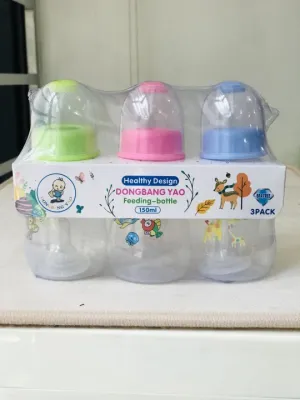
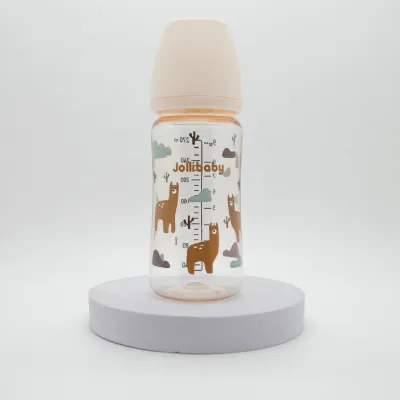
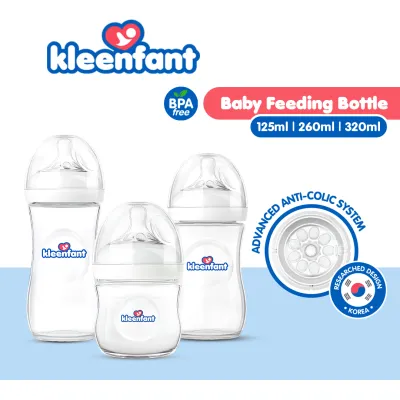
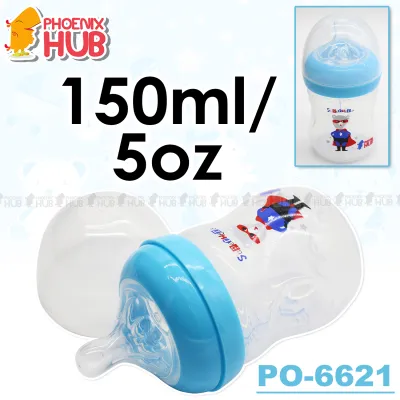
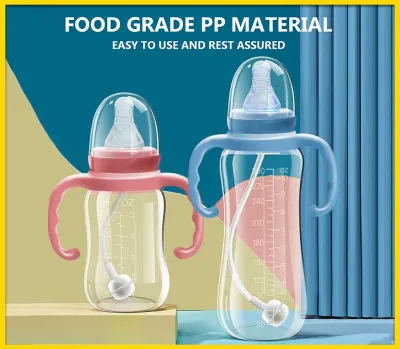
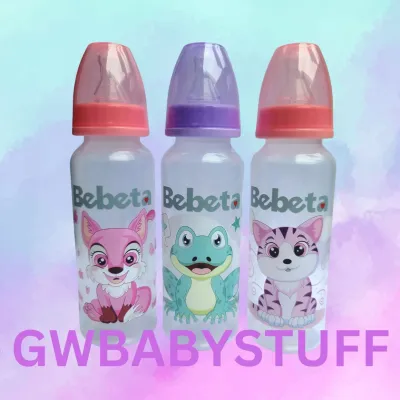
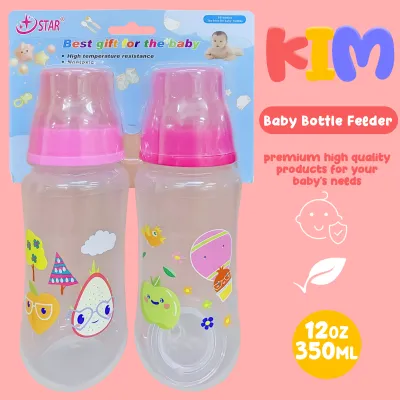
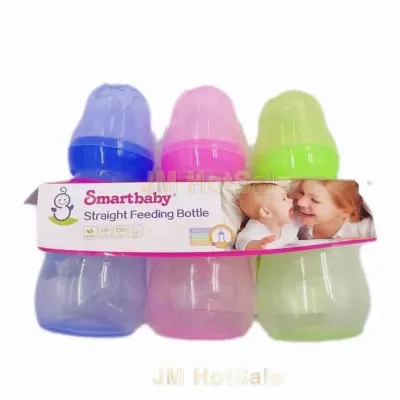
Prices are valid at publication and may change. Please refer to the product page for the latest price.
Plastic bottles are popular due to their lightweight and shatterproof nature, making them highly convenient for travel or when your baby boy begins to hold his own bottle. Common food-grade plastics include Polypropylene (PP), Polyphenylsulfone (PPSU), and Polyethersulfone (PES). PP bottles are typically translucent and budget-friendly but may wear out faster under high heat. PPSU and PES bottles feature a distinct honey-colored tint, offering higher heat resistance and greater structural durability over repeated sterilization cycles.
Silicone bottles represent a modern alternative, utilizing food-grade silicone to create a soft, squeezable texture that mimics natural feeding. Because silicone is naturally flexible, these bottles often feature a rigid plastic collar or an outer structural ring to keep the bottle upright and prevent leaks at the nipple joint. Some designs also incorporate a protective outer sleeve to help parents maintain a steady grip during feeding sessions.
Safety and Health Considerations for Daily Feeding
Chemical safety is a primary concern for parents selecting a feeding bottle for baby boy. While modern manufacturing has largely phased out Bisphenol A (BPA), it is essential to verify that any plastic or silicone bottle you purchase is explicitly labeled as BPA-free, BPS-free, and PVC-free. Do not assume all clear or flexible materials share the same chemical profile; always inspect the packaging or the manufacturer’s official documentation for certified food-grade compliance.

Physical integrity is just as critical as chemical safety when evaluating bottle materials. Plastic bottles are susceptible to micro-scratches from bottle brushes, which can create microscopic crevices where bacteria and milk residue can accumulate despite thorough washing. Glass bottles do not scratch easily, but they must be inspected before every feed for hairline cracks, chips, or internal fractures that could compromise structural integrity or pose a physical hazard to your baby.
Heat tolerance varies significantly across these materials and dictates how you can safely sterilize them. Before using steam sterilizers, UV sterilizers, or boiling water, you must check the manufacturer’s maximum temperature limits printed on the product label. For instance, while high-grade PPSU and borosilicate glass can withstand extreme sterilization temperatures, standard PP plastics may degrade or warp if exposed to temperatures exceeding their rated limits, potentially releasing microplastics into the feed.
Practicality and Daily Use: Weight, Grip, and Cleaning
The weight and grip of a bottle play a major role as your baby boy grows and begins to develop his motor skills. Glass bottles are significantly heavier, which can make independent holding difficult and tiring for a developing infant. Lightweight plastic and soft, squeezable silicone are much easier for tiny hands to grasp, encouraging self-feeding milestones under close caregiver supervision.
Drop and breakage risks are a constant reality in a busy household. If a glass bottle slips from a high chair or counter onto a hard tile floor, it can shatter into dangerous shards, requiring immediate cleanup and posing an injury risk. Plastic and silicone bottles naturally bounce when dropped, offering peace of mind during active daytime routines or when traveling outside the home. To mitigate the drop risks of glass, many parents utilize protective silicone sleeves that absorb impact and improve grip.
Cleaning requirements differ based on the material’s surface texture and durability. Silicone’s flexible, slightly tacky surface can attract lint and dust, requiring a dedicated cleaning routine and soft-bristled brushes to prevent tearing the material. Plastic bottles require gentle cleaning with non-abrasive sponge brushes to avoid scratching the interior walls. Glass is the easiest to clean thoroughly because its hard, smooth surface resists residue buildup and is highly compatible with standard dishwashers, provided the manufacturer’s label confirms dishwasher safety.
Cost and Longevity: Evaluating Value Over Time
When planning your budget, comparing the initial retail cost against the expected lifespan of each bottle material helps determine the true value over time. In the local market, standard PP plastic bottles are generally the most affordable upfront option, while borosilicate glass, PPSU plastic, and food-grade silicone bottles sit at a higher price tier in ₱. While the initial investment for premium materials is higher, their durability often offsets the cost of frequent replacements.
The lifespan of a feeding bottle depends heavily on how the material handles daily wear and tear. Glass bottles can theoretically last indefinitely if they remain free of chips, cracks, and deep scratches, making them highly sustainable for long-term use or subsequent siblings. In contrast, plastic bottles generally require replacement every few months due to gradual cloudiness, scratching, or odor retention, while silicone bottles should be replaced if they become sticky, discolored, or show signs of material degradation.
Hidden costs should also be factored into your purchasing decision. If you choose glass bottles, you may need to purchase protective silicone sleeves to minimize breakage risks. Additionally, certain silicone or specialty plastic bottles may require specific cleaning brushes, replacement nipples, or specialized sterilization racks that are compatible with their unique shapes, adding to the overall maintenance cost.
Decision Framework: Which Material Fits Your Family's Routine?
To choose the right feeding bottle for baby boy, evaluate how each material aligns with your daily lifestyle, sterilization setup, and budget.
Choose Glass if: You prioritize a highly hygienic, non-porous surface that resists scratches and odors, have a controlled kitchen environment for safe handling, and do not mind the heavier weight during feeding sessions.
Choose Plastic if: You require a lightweight, shatterproof, and highly portable option for travel, daycare, or encouraging your baby’s independent holding, and you are committed to regular visual inspections and timely bottle replacements.
Choose Silicone if: Your baby boy prefers a soft, tactile feel that mimics natural feeding, and you are comfortable managing the extra care required to clean flexible materials and verify structural collar seals.
Verify first if: You plan to use a specific UV sterilizer, steam sterilizer, or bottle warmer. Always cross-reference the device’s operating temperatures with the bottle manufacturer’s heat-tolerance specifications to prevent warping, cracking, or chemical degradation.
Frequently Asked Questions (FAQ)
Can I mix different bottle materials for my baby?
Yes, you can use different bottle materials simultaneously, provided you maintain a consistent nipple flow rate and monitor your baby’s acceptance. Some parents prefer using glass bottles at home where sterilization and handling are easily controlled, while switching to lightweight plastic or silicone bottles for travel and outdoor trips. When mixing materials, ensure that the nipples used across different bottles offer a similar shape and flow speed to prevent nipple confusion or feeding frustration for your baby boy.
How often should I replace plastic or silicone feeding bottles?
As a general guideline, plastic and silicone feeding bottles should be inspected daily and replaced at the first sign of wear. Look for observable indicators such as persistent cloudiness, stubborn odors, deep scratches, discoloration, or a sticky texture on silicone surfaces. While glass bottles can last for years if undamaged, plastic bottles typically require replacement every three to six months, and silicone bottles should be replaced according to the manufacturer’s specific lifespan recommendations or when physical degradation is visible.

Community discussion
Share your experience or ask a question. Comments are reviewed before publication.