
At one year old, your toddler is entering a highly active developmental stage. Choosing the safest baby bottle for a 1-year-old is no longer just about chemical purity; it is also about durability, weight, and how well the bottle handles being dropped, thrown, or squeezed. While glass offers the most inert, chemical-free surface, food-grade silicone and high-quality plastics provide the drop resistance and lightweight handling that active toddlers need for independent feeding. The safest choice is the one that matches your child’s motor skills, your daily cleaning routine, and your ability to regularly inspect the bottle for wear and tear.
To make an informed decision, caregivers must look beyond marketing claims and evaluate how each material performs under real-world conditions. A bottle that is perfectly safe in a controlled environment might pose risks if it chips easily or harbors bacteria in microscopic scratches. By understanding the trade-offs of glass, plastic, and silicone, you can select a bottle that supports your toddler’s growing independence while maintaining strict hygiene and safety standards.
Safety and Chemical Exposure: Reading the Labels
When evaluating baby bottles, chemical safety is often the primary concern for parents. To ensure you are choosing a safe option, you must learn to read and interpret manufacturer labels rather than relying on broad marketing promises. Chemical exposure risks vary significantly between materials, and understanding these differences is key to protecting your toddler.
Products mentioned in this guide
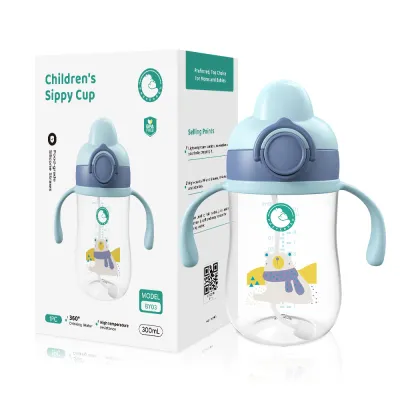
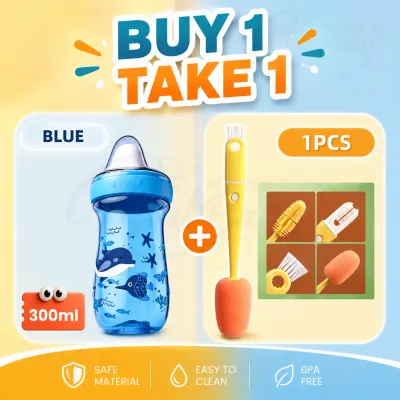
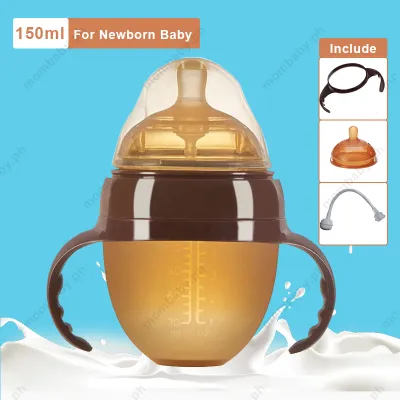
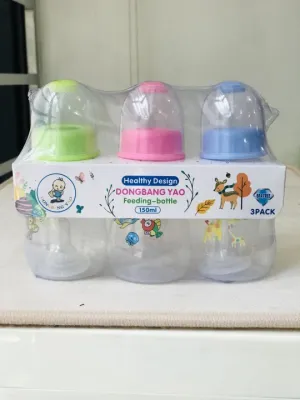
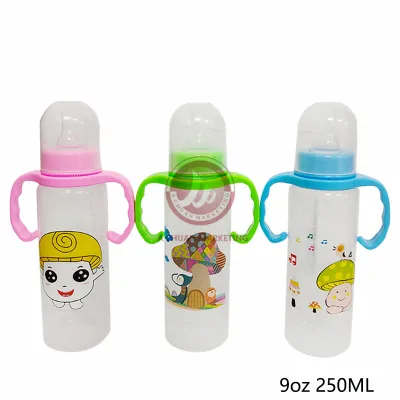
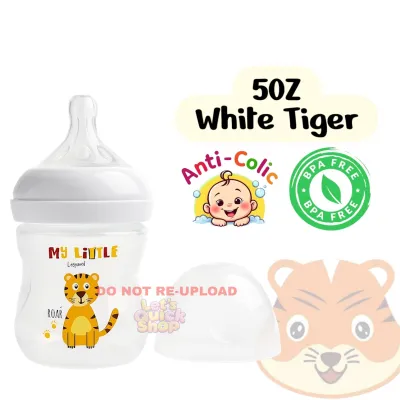
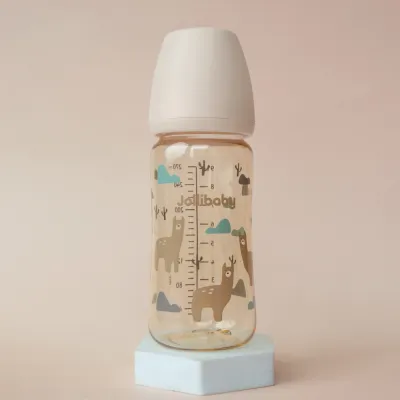
Prices are valid at publication and may change. Please refer to the product page for the latest price.
Plastic bottles have historically faced the most scrutiny due to chemical leaching. While modern regulations require baby bottles to be “BPA-free,” manufacturers often replace bisphenol A (BPA) with other bisphenols, such as BPS or BPF, which may carry similar properties. When purchasing plastic bottles, look for labels that explicitly state they are free from all bisphenols and phthalates. Additionally, check the packaging for compliance with international safety standards, such as those from the European Union or the United States Food and Drug Administration.
Glass and food-grade silicone are naturally inert materials, meaning they do not react with food or leach chemicals under normal conditions. However, not all silicone is created equal. When choosing a silicone bottle, verify that the packaging specifies “100% food-grade silicone” or “medical-grade silicone.” Lower-quality silicone products may contain plastic fillers that can leach chemicals when heated. You can perform a simple pinch test: twist or pinch a flat surface of the silicone; if white showing through the material appears, it likely contains fillers.
Heating guidelines are another critical factor in chemical safety. High temperatures can accelerate the degradation of plastic materials, potentially leading to the shedding of microplastics into the milk. If you use plastic bottles, check the manufacturer’s instructions regarding maximum temperature limits. To minimize risks, avoid heating milk directly in plastic bottles; instead, warm the milk in a glass container before transferring it to the plastic bottle for feeding.
Durability, Weight, and Grip: The Toddler Reality
At 1 year old, toddlers are rapidly developing their motor skills and often insist on holding their own bottles. This newfound independence introduces physical demands that the bottle material must be able to withstand. Dropping, throwing, and shaking are common toddler behaviors that directly impact bottle safety.

Glass bottles are highly durable in terms of scratch resistance and longevity, but they carry an obvious shatter risk. In homes with hard tile or concrete floors, a single drop from a high chair can cause a glass bottle to break into dangerous shards. If you choose glass, using a thick, shock-absorbing silicone sleeve is absolutely necessary. The sleeve provides a protective barrier against minor impacts and improves the toddler’s grip, though it does not make the glass entirely unbreakable.
Plastic and silicone bottles are virtually shatterproof, making them highly practical for active toddlers. Plastic is exceptionally lightweight, allowing small hands to hold the bottle easily without fatigue. This lightweight quality supports self-feeding and helps toddlers refine their hand-eye coordination. However, plastic bottles can crack if subjected to heavy impacts or repeated drops over time, so they still require regular inspection.
Silicone bottles offer a unique, soft texture that mimics the feel of natural skin, which some toddlers find comforting. The material is naturally slip-resistant, providing an excellent grip for tiny fingers. However, because silicone is flexible, a toddler might squeeze the bottle too hard, causing milk to squirt out of the nipple unexpectedly. When choosing silicone, look for designs that feature a rigid plastic collar or a firmer base structure to prevent accidental spills during enthusiastic handling.
Cleaning, Sterilization, and Maintenance
Maintaining strict hygiene is essential, especially in warm, humid tropical climates where bacteria and mold can multiply rapidly. The ease of cleaning and the material’s ability to withstand frequent sterilization are crucial factors in long-term safety.
Glass is the most resilient material when it comes to cleaning and sterilization. It can withstand extreme heat from boiling water, steam sterilizers, and dishwashers without warping, degrading, or losing clarity. Because glass has a smooth, non-porous surface, it does not absorb odors, colors, or milk fats, making it highly hygienic and easy to clean with a standard bottle brush.
Silicone also boasts high heat tolerance, allowing it to be sterilized safely using heat-based methods. However, silicone is slightly porous compared to glass. Over time, it can absorb soapy odors from dishwashing liquids or retain a greasy film from milk fats. To prevent this, use mild, fragrance-free dish soaps and ensure the bottles are dried thoroughly in a well-ventilated area to prevent mold growth in humid conditions.
Plastic is the most sensitive to heat and physical wear. Frequent exposure to high-temperature sterilization can cause plastic to warp, become brittle, or develop a cloudy appearance. Furthermore, plastic is easily scratched by stiff bottle brushes. These microscopic scratches can harbor bacteria and biofilm that are difficult to remove through standard washing. If you use plastic bottles, use soft sponge brushes instead of stiff nylon bristles, and follow the manufacturer’s specific sterilization limits.
Regardless of the material, caregivers must perform daily inspections and replace bottles immediately when signs of wear appear. Watch for these observable indicators:
- For plastic: Deep scratches, persistent cloudiness, warping, or cracks.
- For glass: Any chips, hairline fractures, or deep scratches that compromise structural integrity.
- For silicone: A sticky or tacky texture, permanent discoloration, or lingering sour odors that do not disappear after washing.
Decision Framework: Match the Bottle to Your Child
To choose the right bottle, you must balance your toddler’s behavior, your household environment, and your daily routine. Use the following guidelines to find the best match for your family.
Choose Glass if:
- You prioritize maximum chemical purity and want a bottle that will not degrade over time.
- Your toddler feeds primarily while seated in a high chair or on a padded play mat under direct adult supervision.
- You are willing to invest in protective silicone sleeves and do not mind the heavier weight of the bottle.
Choose Silicone if:
- Your toddler is actively transitioning to independent feeding and needs a lightweight, drop-proof bottle.
- You prefer a soft, tactile material that is easy for small hands to grip securely.
- Your budget allows for a higher upfront cost, as quality silicone bottles typically range from ₱500 to ₱1,200 or more per bottle.
Choose Plastic if:
- You need an affordable, lightweight, and highly portable option for travel, daycare, or outdoor activities.
- Your toddler frequently throws objects, making glass a safety hazard in your home.
- You are prepared to monitor the bottles closely and replace them every few months at the first sign of wear.
Verify first if:
- Replacement nipples, collars, and protective sleeves are readily available in local retail stores or trusted online marketplaces in the Philippines.
- The bottle's neck size and shape are compatible with your existing breast pump, bottle warmer, or sterilizer.
As you make your decision, keep in mind that a 1-year-old is at an age where transitioning away from bottles is highly recommended. Incorporating open cups or straw cups into your child’s daily routine is an important step for their oral development. Choosing a bottle that easily transitions—such as a silicone bottle that can be fitted with a straw lid accessory—can help bridge the gap and make the eventual weaning process smoother.
Frequently Asked Questions (FAQ)
Can I mix different bottle materials for my 1-year-old?
Yes, mixing bottle materials is a practical approach for many families. You might choose to use glass bottles at home where you can supervise feedings on carpeted or padded floors, and use lightweight silicone or plastic bottles when traveling, visiting the park, or sending your child to daycare. If you do mix materials, try to use the same brand or nipple shape across all bottles to maintain a consistent flow rate and prevent feeding frustration. Additionally, keep in mind that different materials have different sterilization limits, so you must adjust your cleaning routine accordingly.
Are silicone sleeves enough to prevent glass bottles from breaking?
Silicone sleeves provide excellent impact protection against minor drops, such as a bottle slipping from a toddler’s hands onto a wooden table or a low rug. They also significantly improve grip, making it easier for your child to hold the bottle. However, silicone sleeves do not make glass completely shatterproof. A forceful throw from a high chair onto a hard ceramic tile or concrete floor can still cause the glass inside the sleeve to crack or shatter. If your toddler is in a phase where they frequently throw objects, it is safer to use silicone or plastic bottles for independent feeding.
When should I stop using baby bottles entirely?
Pediatricians and pediatric dentists generally recommend weaning children off baby bottles between 12 and 18 months of age. Prolonged bottle use can affect jaw development, lead to tooth alignment issues, and increase the risk of early childhood cavities, especially if a child falls asleep with a bottle. Introducing straw cups or open cups at 1 year old helps develop the oral motor skills necessary for proper speech and swallowing. If you experience difficulties with weaning or have concerns about your child’s dental health, consult a pediatrician or a pediatric dentist for personalized guidance.

Community discussion
Share your experience or ask a question. Comments are reviewed before publication.