
Choosing the right breastmilk storage bottle depends on balancing safety, durability, convenience, and cost to match your household’s daily routine. While glass offers unmatched purity and longevity, plastic provides lightweight portability, and silicone delivers flexible, unbreakable durability. In tropical climates like the Philippines, where high humidity and warm temperatures require careful hygiene and storage practices, understanding these material differences helps ensure your expressed milk remains safe and fresh.
Every family has unique priorities. Some parents prioritize a material that is easy to sanitize and will last through multiple children, while others need lightweight, shatterproof options that can be easily packed into an insulated cooler bag for travel. By evaluating how each material performs under daily use, freezing, and sterilization, you can make an informed decision that fits your lifestyle and budget.
Core Decision Factors for Breastmilk Storage Bottles
When evaluating breastmilk storage bottles, several critical factors should guide your choice. The first is safety and chemical stability. Because breastmilk is frequently warmed, frozen, and sterilized, the material must withstand extreme temperature transitions without degrading or releasing unwanted substances. Parents should always verify that any bottle they choose is explicitly labeled as free from harmful chemicals.
Products mentioned in this guide
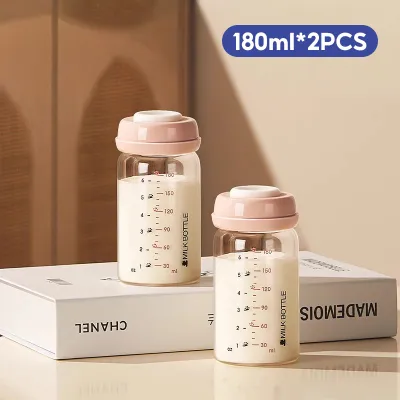
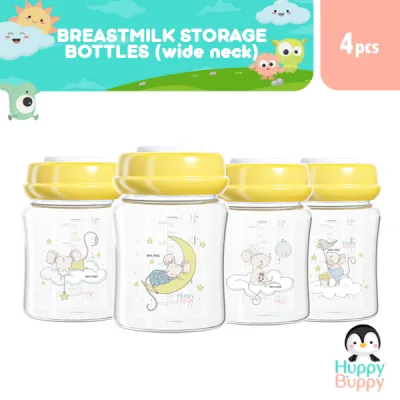
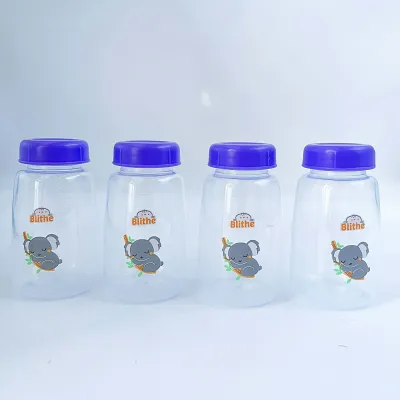
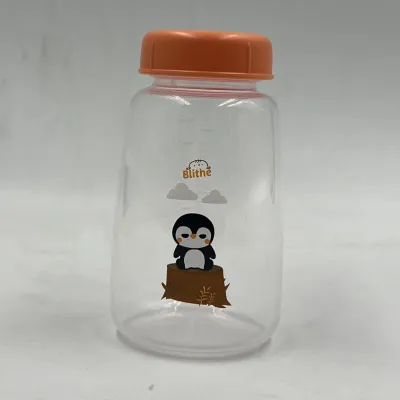
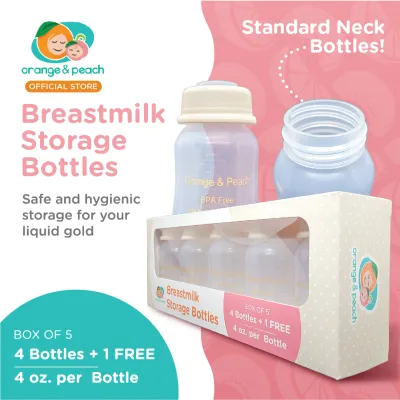
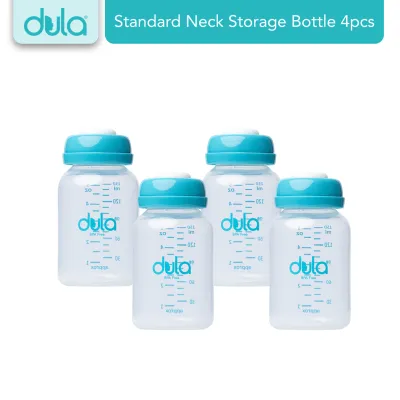
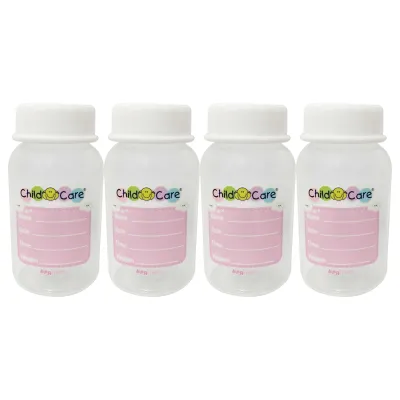
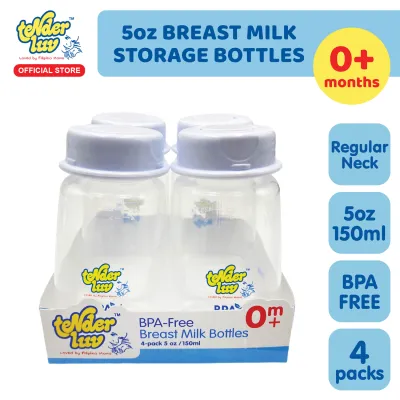
Prices are valid at publication and may change. Please refer to the product page for the latest price.
Durability is another essential consideration. A storage bottle needs to survive accidental drops on hard kitchen tiles or outdoor pavement. It must also resist physical wear, such as scratches from bottle brushes, which can create microscopic crevices where bacteria can accumulate.
Daily convenience plays a massive role in how sustainable a bottle system is for your routine. Consider the weight of the bottles, how quickly they allow milk to warm up, and how easy they are to clean. In humid environments, materials that dry quickly and do not retain moisture or odors are highly advantageous.
Finally, long-term cost and lifespan should be factored into your decision. While some materials have a higher initial purchase price, their durability means they rarely need replacement. Other materials may be inexpensive upfront but require frequent replacement due to wear and tear, ultimately costing more over time.
Glass Breastmilk Storage Bottles: Pros, Cons, and Best Use Cases
Glass has long been a traditional favorite for milk storage due to its exceptional purity and longevity. One of the primary advantages of glass is that it is completely non-porous. It does not absorb odors, colors, or residues from breastmilk or dish soap, ensuring that every feed tastes fresh. Glass is also highly resistant to scratching, meaning you can scrub it thoroughly with bottle brushes without damaging the surface.

From a temperature perspective, glass is incredibly stable. It can transition from freezing temperatures to warm water without degrading, provided the transition is gradual. It also heats up quickly and evenly in bottle warmers, which is highly convenient when dealing with a hungry baby.
However, glass has distinct limitations. The most obvious is its fragility; a single drop on a hard floor can shatter the bottle, resulting in lost breastmilk and a safety hazard. Glass bottles are also significantly heavier than plastic or silicone alternatives, making them less ideal for carrying in a diaper bag or for older babies who are learning to hold their own bottles.
Glass is best suited for households that primarily store and feed milk at home. If you have a dedicated sterilization routine and prioritize a material that can be used continuously for years—or even for future siblings—glass offers unmatched durability and chemical purity.
Plastic Breastmilk Storage Bottles: Pros, Cons, and Best Use Cases
Plastic storage bottles are widely popular due to their practicality and accessibility. The most significant advantage of plastic is that it is lightweight and virtually shatterproof. If a plastic bottle slips from your hands or gets knocked off a counter, there is no risk of breakage, making it an incredibly safe option for busy households and travel.
Plastic is also highly compatible with various breast pump systems. Many pump manufacturers design their flanges and connectors to screw directly onto standard or wide-neck plastic bottles, allowing you to pump directly into your storage container without transferring milk and risking contamination.
On the downside, plastic is susceptible to physical degradation. Over time, repeated washing, sterilization, and freezing can cause plastic to become cloudy, scratched, or stained. These scratches can harbor bacteria and make thorough cleaning difficult. Plastic can also retain strong odors, which may affect how your baby accepts the milk.
Plastic bottles are ideal for families who need a lightweight, portable, and budget-friendly solution. They are excellent for sending to daycare, taking on trips, or storing in a crowded freezer where space is tight and items are frequently shifted. However, parents must be prepared to inspect and replace plastic bottles regularly.
Silicone Breastmilk Storage Bottles: Pros, Cons, and Best Use Cases
Silicone is a modern alternative that combines many of the benefits of both glass and plastic. Made from a flexible, rubber-like material, silicone is completely shatterproof and highly durable. It can withstand extreme temperatures, making it safe for freezing, boiling, and steam sterilization without any risk of cracking or warping.
The soft, squeezable texture of silicone is unique. Many parents find that older infants enjoy holding silicone bottles because they are easy to grip and mimic a natural feel. Because silicone is lightweight, it is highly portable and convenient for on-the-go feeding.
Despite these benefits, silicone has a few drawbacks. The material is naturally semi-porous, meaning it can absorb odors and oils from breastmilk over time if not cleaned promptly. The exterior surface of silicone can also have a slightly tacky texture, which tends to attract lint, dust, and pet hair, requiring careful storage and handling. Additionally, silicone bottles generally carry a higher initial price point compared to plastic.
Silicone is an excellent choice for parents looking for a long-lasting, unbreakable bottle that transitions well from storage to active feeding. It is particularly suited for older babies who are developing self-feeding skills and for families who travel frequently and need highly resilient gear.
Material Comparison Matrix: Glass vs. Plastic vs. Silicone
To help you compare these materials at a glance, the table below outlines how glass, plastic, and silicone perform across key daily usage dimensions.
| Feature | Glass | Plastic | Silicone |
|---|---|---|---|
| Weight | Heavy | Very Lightweight | Lightweight |
| Drop Resistance | Low (Fragile) | High (Shatterproof) | High (Unbreakable) |
| Scratch Resistance | High | Low | Medium |
| Odor Resistance | High | Low | Medium |
| Warming Speed | Fast | Moderate | Slow |
| Expected Lifespan | Very Long (Years) | Short to Medium (Months) | Long (Years) |
| Relative Price Tier | Mid to High | Low | High |
When considering the financial aspect, keep in mind that while plastic bottles have a lower initial cost, the need for regular replacements can add up. Silicone and glass options require a larger upfront investment—often ranging from ₱300 to over ₱800 per bottle depending on the brand—but their extended lifespan can make them more cost-effective in the long run. Always check current retail prices in ₱ on your preferred online marketplace to compare options.
How to Verify Safety and Compatibility Labels
Before purchasing any breastmilk storage bottles, it is crucial to verify their safety certifications and compatibility with your existing feeding gear. Always inspect the product packaging or manufacturer website to confirm that the bottles are certified free from Bisphenol A (BPA), Bisphenol S (BPS), and phthalates. These chemical compounds are commonly restricted in modern baby products to ensure infant safety.
Next, carefully read the manufacturer’s instructions regarding temperature limits. Not all bottles are rated for the extreme cold of deep freezers or the high heat of steam sterilizers. Look for explicit labels such as “freezer-safe,” “dishwasher-safe,” or “suitable for steam sterilization” to avoid damaging the bottles or compromising the milk.
Finally, check mechanical compatibility with your breast pump. Pumping directly into your storage bottle minimizes milk transfer, reducing the risk of spills and contamination. Verify whether the bottle neck size (standard or wide-neck) matches your pump flanges, or check if the manufacturer offers compatible adapters to secure the connection.
Final Decision Framework: Which Material Fits Your Household?
To make your final selection, consider how your daily routine aligns with the unique strengths of each material.
Choose Glass if you:
- Prioritize maximum material purity and chemical stability.
- Feed primarily at home and have a safe, stable area for cleaning and storage.
- Want a long-lasting option that can be sterilized repeatedly without wearing out.
Choose Plastic if you:
- Need a lightweight, budget-friendly option for daily transport.
- Send milk to a daycare facility that requires shatterproof containers.
- Prefer to pump directly into storage bottles without using adapters.
Choose Silicone if you:
- Want an unbreakable, highly durable bottle that can transition to self-feeding.
- Value a soft, tactile feel that is easy for older babies to hold.
- Are willing to invest more upfront for a material that resists extreme temperatures.
Before finalizing your purchase, always verify that your chosen bottles will fit inside your current bottle warmer, UV sterilizer, or steam sterilizer. Taking a few moments to confirm these dimensions will ensure a seamless, stress-free feeding routine.
Frequently Asked Questions (FAQ)
Can I freeze breastmilk directly in glass bottles?
Yes, you can freeze breastmilk in glass bottles, but you must take specific physical precautions. Because breastmilk is primarily water, it expands as it freezes. If a glass bottle is filled to the brim, the expanding liquid will put pressure on the glass, causing it to crack or shatter in your freezer.
To prevent this, always leave at least one inch of headspace at the top of the bottle to allow for expansion. Additionally, ensure you only use bottles explicitly labeled as freezer-safe by the manufacturer, as these are tempered to withstand low temperatures. Avoid exposing frozen glass bottles to sudden hot water; let them thaw gradually in the refrigerator first.
How often should I replace plastic breastmilk storage bottles?
Plastic breastmilk storage bottles should be inspected regularly and replaced at the first sign of wear. Typically, active daily use warrants replacing plastic bottles every three to six months. However, you should replace them immediately if you notice deep scratches, persistent cloudiness, warping, or odors that do not go away after thorough washing.
Scratches on the inner surface of plastic bottles are particularly concerning because they can harbor bacteria and milk residue that standard cleaning cannot reach. In warm, humid climates, these microscopic crevices can compromise the hygiene of your stored milk.
Are silicone bottles compatible with all breast pumps?
Silicone bottles are not universally compatible with all breast pumps out of the box. Because silicone is a flexible, soft material, it can deform under the strong vacuum suction of a breast pump, which may cause the seal to break and lead to milk leakage.
To pump directly into a silicone bottle, you will usually need a rigid plastic adapter ring provided by the manufacturer to secure the bottle to the pump flange. Always check the bottle manufacturer’s compatibility guide to see if they offer specific adapters for your pump brand before attempting to pump directly into silicone.

Community discussion
Share your experience or ask a question. Comments are reviewed before publication.