
When selecting a 3-in-1 baby bottle, the best material depends on your baby’s age, your daily routine, and how the bottle transitions from a newborn nipple to a sippy spout or a straw cup. Glass offers unmatched hygiene but is heavy and prone to breaking. Plastic is lightweight and highly portable but requires careful monitoring for wear. Silicone provides a soft, squeezable texture that mimics breastfeeding but can absorb odors.
For parents in the Philippines, managing high humidity and tropical temperatures means bottle hygiene and sterilization are daily priorities. A 3-in-1 bottle system is an investment designed to grow with your child, making it essential to choose a base material that fits both your home sterilization setup and your baby’s developing motor skills.
Understanding 3-in-1 Bottle Designs and Material Impact
A 3-in-1 baby bottle is designed to adapt to your child’s growing feeding needs over their first few years. Typically, these systems feature a single bottle body that pairs with interchangeable lids and accessories. In the early months, it functions as a standard nipple bottle; as your baby develops coordination, you can swap the nipple for a sippy spout, and eventually transition to a straw cup.
Products mentioned in this guide
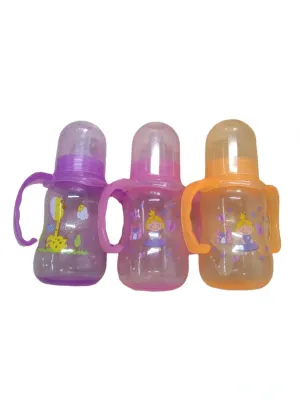
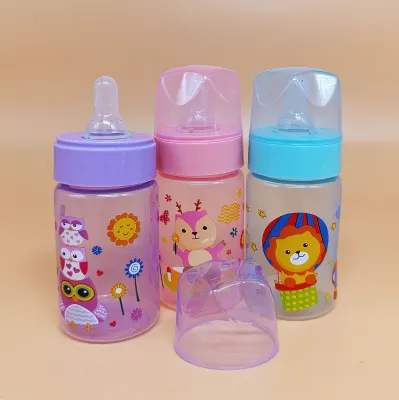
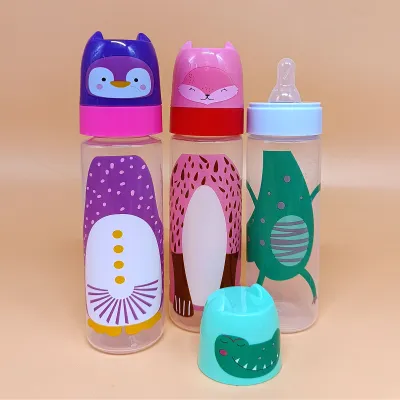
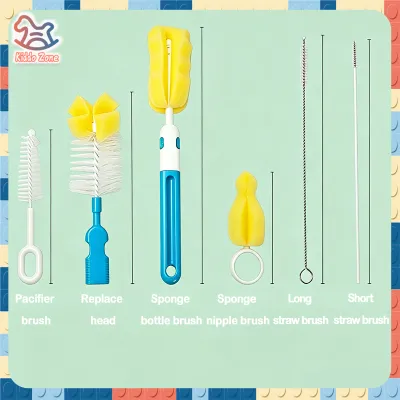
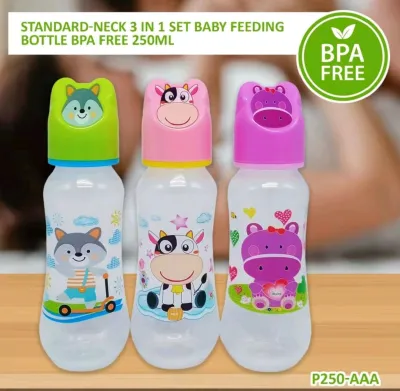
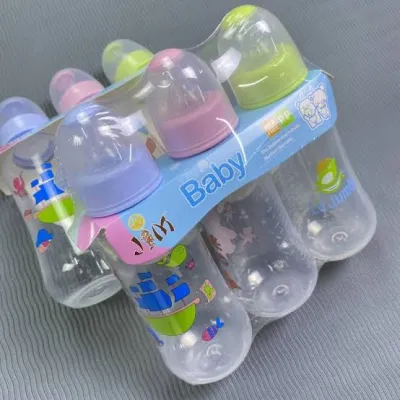
Prices are valid at publication and may change. Please refer to the product page for the latest price.
The base material of the bottle plays a critical role in how well these transitions work in practice. When you add heavier accessories like weighted gravity straws, handles, or specialized leak-proof valves, the overall weight and balance of the bottle change. A material that feels perfectly fine as a simple nipple bottle might become too heavy or awkward for a young toddler to tilt and hold independently once fully assembled.
Additionally, compatibility is a key factor when investing in a multi-stage system. You must verify the manufacturer’s specifications to ensure that replacement parts, conversion kits, and accessories are explicitly designed for your specific bottle model and material. Threads, collar sizes, and sealing rings can vary slightly even within the same brand, so checking compatibility prevents leaks and ensures a secure fit throughout every stage of use.
Glass Bottles: Hygiene Benefits and Handling Trade-offs
Glass has long been a traditional choice for baby bottles due to its non-porous surface, which resists scratches, stains, and lingering odors. This makes glass exceptionally easy to clean and sanitize, a vital benefit in warm, humid climates where bacteria can multiply rapidly on poorly cleaned surfaces. Glass also retains temperature well, keeping milk warm or cool for longer periods during feeds.

However, the weight of glass is a significant consideration as your baby transitions to self-feeding. A heavy glass bottle can be difficult for small hands to lift, hold, and tilt independently. This can delay their transition to independent drinking or cause frustration during feeding times. Caregivers must often support or hold the bottle for longer developmental periods compared to lighter materials.
Physical safety is another major trade-off. As babies enter the active toddler stage, they frequently drop or throw their bottles from high chairs, strollers, or play areas. To mitigate the risk of breakage and dangerous glass shards, using a protective, non-slip silicone sleeve is highly recommended. Furthermore, you must check the manufacturer’s thermal shock resistance guidelines before subjecting glass to extreme temperature changes, such as moving a cold bottle directly from the refrigerator into a hot steam sterilizer, to prevent cracking.
Plastic Bottles: Lightweight Convenience and Safety Verification
Plastic 3-in-1 bottles are highly popular for their lightweight construction and exceptional impact resistance. For babies learning to hold their own bottles, a lightweight plastic body is easy to grasp and manipulate, encouraging early self-feeding skills. For busy caregivers managing multiple feeds on the go, carrying several plastic bottles in a diaper bag is far less tiring than carrying heavy glass alternatives.
The durability of plastic is especially valuable during active toddler transitions. When dropped onto hard tile floors or pavement, a plastic bottle will not shatter, providing peace of mind during outdoor trips or active play. This shatterproof quality makes plastic a highly practical choice for travel, daycare, and daily errands.
Despite these conveniences, plastic requires strict safety verification and careful maintenance. Caregivers must look for clear BPA-free and BPS-free labels on the packaging to ensure the material is safe for food contact. Because plastic is softer than glass, it is prone to micro-scratches from bottle brushes, which can harbor bacteria over time. It is crucial to adhere strictly to the manufacturer’s maximum sterilization temperature limits, as excessive heat can accelerate material degradation, warping, or the release of microplastics.
Silicone Bottles: Flexibility for Feeding Transitions
Silicone is a modern material choice that offers a unique combination of flexibility, durability, and safety. The soft, skin-like texture of a silicone bottle body closely mimics the feel of breastfeeding, which can be incredibly helpful for babies who struggle to transition from breast to bottle. This tactile familiarity can ease feeding transitions and provide comfort to sensitive infants.
The squeezable nature of silicone bodies allows caregivers to gently assist with milk flow, but this feature requires careful handling. Caregivers must control the pressure applied to the bottle to prevent the baby from choking or taking in too much air. If a baby squeezes the bottle too hard during self-feeding, it can cause sudden spills or an overwhelming flow of liquid, so close supervision is necessary during these transitional stages.
Another practical consideration is silicone’s tendency to absorb strong food odors, soap scents, and colors over time. In tropical environments where humidity can intensify lingering smells, silicone bottles require diligent cleaning. Using mild, fragrance-free dish soaps and dedicated soft-bristle brushes, as outlined in the product manual, is essential to keep the material clean and odor-free. Regular inspection is also needed to ensure the flexible body maintains its shape and structural integrity.
Matching the Material to Your Baby’s Developmental Stage
To choose the right 3-in-1 bottle material, it helps to align the material’s characteristics with your baby’s developmental milestones and your daily environment. During the newborn stage, when caregivers handle all the feeding, hygiene and ease of cleaning are the top priorities. Since the weight of the bottle does not affect the baby’s ability to feed, glass is often an excellent choice for this stage, offering superior sanitation and thermal retention.
As your baby enters the transitional and toddler stages, their need for independence grows. During this phase, prioritizing lightweight, shatterproof materials like plastic or silicone becomes much more practical. These materials allow your child to practice holding, tilting, and drinking from a sippy spout or straw without the risk of heavy drops, breakage, or injury.
Your daily lifestyle and feeding environments should also guide your decision. If your routine involves frequent travel, outdoor play, or daycare, a lightweight plastic or silicone bottle is highly convenient and easy to pack. Conversely, if most feedings occur at home where sterilization equipment is readily available and drops can be managed with soft play mats, a glass bottle with a protective sleeve can serve as a durable, long-term base for your 3-in-1 system.
Material-Specific Care, Sterilization, and Replacement Checks
Proper maintenance is vital to ensure the safety and longevity of your 3-in-1 baby bottle system. It is important to recognize that the bottle body and its various accessories—such as silicone nipples, plastic collars, weighted straws, and valves—often have different heat tolerances. They may require separate sterilization methods to prevent damage.
Before using boiling water, steam sterilizers, or UV sterilizers, always verify the manufacturer’s instructions for each individual component. Some plastics can warp or degrade under high UV exposure, while certain silicone parts may lose their elasticity if boiled for too long. Following the specific temperature and time limits provided by the manufacturer protects the structural integrity of the parts and ensures they remain leak-free.
Regular safety inspections are crucial for all bottle materials. Caregivers should establish a routine of checking parts before every feed. You must immediately discard and replace any components that show signs of wear, such as cloudiness, cracks, stickiness, permanent odor retention, or changes in texture. Nipples and straws are particularly prone to wear from biting and stretching, making frequent replacement checks essential to prevent choking hazards.
Frequently Asked Questions (FAQ)
Can I mix and match different brand accessories with my 3-in-1 bottle?
No, you should avoid mixing and matching accessories from different brands with your 3-in-1 bottle system. Even if a nipple, collar, or straw appears to fit, minor differences in thread design, diameter, and sealing mechanisms can lead to persistent leaks or improper milk flow. More importantly, mismatched parts can create safety hazards, such as sudden collar detachment or choking risks from loose valves. To maintain safety, proper function, and warranty validity, stick strictly to manufacturer-approved accessories designed specifically for your bottle model.
How often should I replace the plastic or silicone parts of a 3-in-1 bottle?
Plastic and silicone parts degrade faster than glass bottle bodies and require regular replacement. As a general guideline, silicone nipples, spouts, and straws should be inspected daily and typically replaced every two to three months, or immediately if you notice stretching, tearing, bite marks, or a change in flow rate. Plastic collars, lids, and bottle bodies should be replaced if they show micro-scratches, cloudiness, or warping. Always follow the manufacturer’s recommended replacement timeline rather than waiting for visible failure to ensure optimal hygiene and safety.

Community discussion
Share your experience or ask a question. Comments are reviewed before publication.