
Quick Answer: Matching Bottle Materials to Your Feeding Needs
Selecting the right milk bottle for your baby boy is a highly personal decision that depends on your lifestyle, feeding environment, and budget. There is no single universal winner among glass, plastic, and silicone; instead, each material serves different caregiver priorities and developmental stages.
Glass bottles are ideal for parents who prioritize chemical purity and long-term durability at home, though they are heavy and breakable. Plastic bottles offer a lightweight, highly affordable, and shatterproof alternative that is perfect for travel and early self-feeding, but they require more frequent replacement. Silicone bottles combine the drop-resistant safety of plastic with a soft, squeezable texture that mimics natural feeding, though they often come with a higher price tag.
Ultimately, the best choice relies on verifying specific product labels, checking manufacturer guidelines, and observing which nipple shape and material your baby accepts. By understanding the trade-offs of each material, you can build a practical feeding routine that keeps your baby safe and comfortable.
Products mentioned in this guide
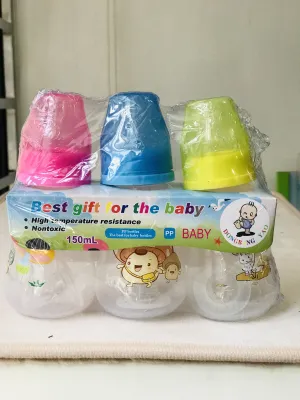
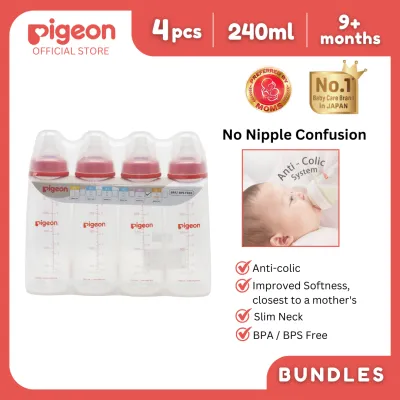
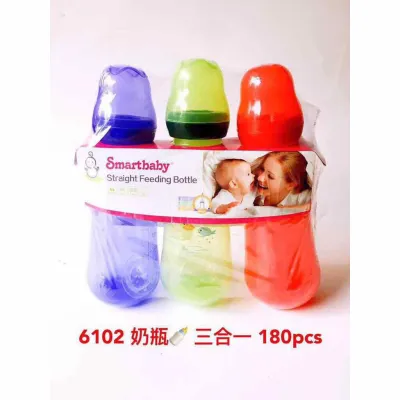
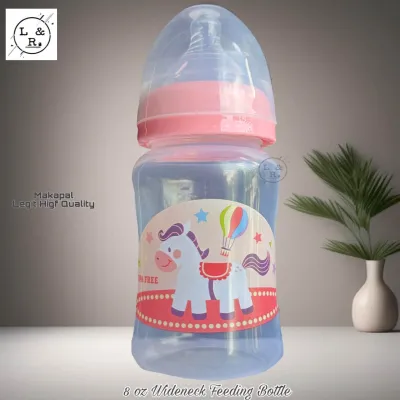
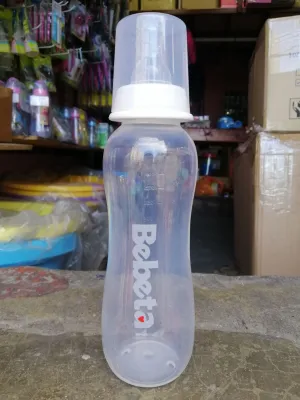
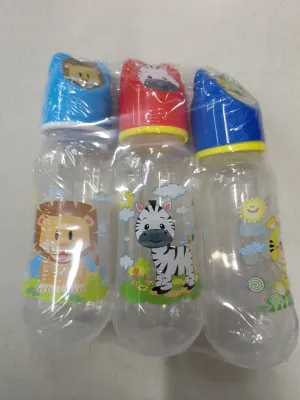
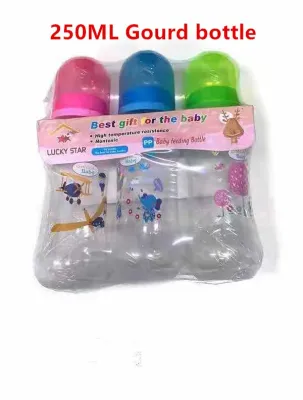
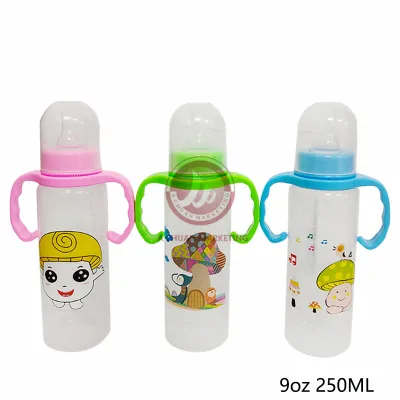
Prices are valid at publication and may change. Please refer to the product page for the latest price.
Safety and Material Integrity: What to Verify on the Label
When evaluating safety, understanding the chemical composition of each material is crucial for minimizing exposure risks. Glass is naturally inert, meaning it does not leach chemicals into milk or absorb odors and stains over time. When purchasing glass bottles, verify that any exterior paint, measurement markings, or decorative designs are certified lead-free by checking the product packaging.

Plastic bottles require careful label inspection because older or lower-quality plastics may contain harmful compounds. Always look for prominent labels indicating the bottle is free from Bisphenol A (BPA), Bisphenol S (BPS), and phthalates. Additionally, inspect the recycling code molded into the base of the bottle; high-quality, food-safe plastics like polypropylene (PP) or polyphenylsulfone (PPSU) are standard for modern baby products, but you must verify these markings directly rather than relying on generic descriptions.
Silicone is a flexible, rubber-like material that has gained massive popularity for its durability and safety. When choosing silicone, ensure the manufacturer explicitly states that the product is made from 100% food-grade or medical-grade silicone. Some manufacturers suggest performing a quick pinch test—twisting a flat section of the silicone to see if any white fillers appear—but the most reliable method is verifying official regulatory compliance marks printed on the box.
Avoid relying on vague marketing buzzwords like “eco-friendly” or “natural” without looking for concrete certifications. Reliable brands will always display clear compliance symbols and chemical-free guarantees on their physical packaging to give caregivers peace of mind.
Durability and Breakage: Assessing Risks in Your Home
The physical lifespan of a baby bottle depends heavily on how well it withstands daily drops, washes, and sterilization cycles within your home environment. Glass bottles are incredibly durable against scratches and clouding, meaning they can look brand new even after months of heavy use. However, they carry an obvious risk of shattering if dropped on hard surfaces, such as the ceramic tile floors common in many tropical kitchens. To mitigate this risk, check if the manufacturer offers protective, shock-absorbing silicone sleeves that cushion the glass against accidental impacts.
Plastic bottles are virtually shatterproof, making them highly resilient against accidental drops from high chairs or countertops. However, plastic is highly susceptible to surface scratches from abrasive bottle brushes during cleaning. These microscopic scratches can harbor stubborn milk residue and bacteria over time, leading to cloudiness, discoloration, and material degradation that signals the bottle must be retired.
Silicone bottles offer the ultimate drop-resistance, bouncing harmlessly off hard floors without cracking or chipping. Despite their flexibility, silicone bottles can still suffer damage from sharp objects, long fingernails, or improper exposure to direct heat sources. Over time, the material can develop weak points or tears, especially around the collar where the bottle connects to the plastic ring.
To ensure safety, establish a habit of inspecting every bottle before assembly. Check glass bodies for hairline cracks or chips, examine plastic bottles for deep scratches or warping, and squeeze silicone bodies to look for punctures, thinning areas, or structural compromise.
Weight, Grip, and Daily Practicality for Caregivers
The physical handling experience of a bottle changes as your baby boy grows and begins to develop his motor skills. Glass bottles are the heaviest option on the market, which can cause hand and wrist fatigue for caregivers during long, late-night feeding sessions. As your baby boy reaches the age where he wants to hold his own bottle, the substantial weight of glass can make self-feeding difficult and potentially dangerous if he accidentally drops the heavy bottle onto his face or chest.
Plastic bottles are exceptionally lightweight, making them the most practical choice for on-the-go feeding. They add minimal weight to your diaper bag when traveling to family gatherings or running errands, and their light profile is perfect for small hands learning to grasp, tilt, and hold a bottle independently.
Silicone bottles provide a unique tactile experience with a soft, skin-like texture that many babies find comforting during transitions from breastfeeding. The flexible body allows babies to squeeze the bottle, which can mimic natural feeding patterns. However, caregivers should note that the smooth surface of silicone can become quite slippery when wet or covered in soapy water during washing, requiring a firm grip to avoid spills.
When selecting a material, consider your daily routine and your baby’s current developmental stage. You may find that a heavier glass bottle works perfectly for controlled feedings at home, while lightweight plastic or silicone is far more practical for travel and self-feeding milestones.
Cleaning, Sterilization, and Maintenance Requirements
Maintaining strict hygiene is essential for protecting your baby’s developing immune system, and each material requires specific care to prevent damage. Glass bottles boast outstanding thermal resistance, allowing them to withstand boiling water, steam sterilizers, and UV sanitizers without degrading. However, you must check the manufacturer’s guidelines regarding thermal shock limits; exposing a cold glass bottle directly to boiling water can cause it to crack or shatter instantly.
Plastic bottles require the most caution during sterilization because high temperatures can cause warping, structural weakening, or the release of microplastics. Never expose plastic bottles to prolonged boiling or high-heat sterilization cycles unless the brand explicitly states the material is rated for those specific temperatures. Many modern PP and PPSU bottles are designed to handle standard steam sterilizers, but verifying the temperature limits on the packaging is mandatory.
Silicone bottles are highly heat-resistant and generally safe for boiling, steam, and microwave sterilizers. However, silicone is highly porous compared to glass, meaning it can easily absorb soapy scents from dishwashing liquids or retain the smell of sour milk if not cleaned promptly. To prevent this, use mild, fragrance-free baby bottle cleansers and ensure the bottle is completely dry before storage.
Regardless of the material you choose, pay close attention to the bottle threads, collar, and nipple attachment points. In humid tropical climates, moisture can easily trap in these tight spaces, leading to mold growth and bacterial buildup if the bottle is not fully disassembled and dried after every wash.
Decision Framework: How to Choose the Right Milk Bottle
To finalize your decision, evaluate how each material aligns with your household habits, travel frequency, and sterilization preferences.
Choose glass if:
- You primarily feed your baby at home and want to avoid any potential chemical leaching.
- You prefer a highly durable material that does not scratch, cloud, or retain odors.
- You want a long-lasting option that can be sterilized repeatedly and reused for future siblings.
Choose plastic if:
- You travel frequently and need a lightweight, shatterproof option for your diaper bag.
- You are on a budget and want an affordable, easily replaceable bottle system.
- Your baby boy is learning to self-feed and needs a lightweight bottle he can hold safely.
Choose silicone if:
- You want a soft, squeezable bottle that mimics natural breastfeeding and is completely drop-proof.
- You do not mind paying a premium price for a durable, modern material.
- You want a bottle that is easy to clean and highly resistant to thermal damage.
Verify first if:
- The brand you select has readily available replacement nipples, collars, and accessories in local retail stores or trusted online marketplaces in the Philippines, as shipping delays can disrupt your feeding routine.
- The bottle is compatible with your breast pump or existing sterilization equipment to avoid unnecessary extra purchases.
Before committing to a full set of six or eight bottles, purchase a single bottle or a small trial pack. This allows you to test your baby boy’s acceptance of the nipple shape and flow rate without wasting money. If your baby experiences persistent feeding difficulties, excessive gas, or reflux, consult your pediatrician or a lactation specialist to address these concerns rather than relying solely on a change of bottle material.
Frequently Asked Questions (FAQ)
Can I mix different bottle materials for the same baby?
Yes, mixing different bottle materials is a common and practical approach for many families. You might prefer using glass bottles at home for maximum chemical purity and switching to lightweight plastic or silicone bottles when traveling or visiting relatives. The most critical factor for baby acceptance is maintaining consistency in the nipple shape, material, and flow rate, rather than the bottle body itself. Additionally, verify if the different bottle brands you use share compatible collar threads, which allows you to swap nipples and accessories easily without buying entirely separate systems.
How often should I replace plastic or silicone baby bottles?
Plastic bottles generally require replacement every three to six months, or immediately if you notice deep scratches, persistent cloudiness, warping, or a stubborn odor that does not wash away. Silicone bottles are highly durable and can last longer, but they should be replaced if the material becomes sticky, discolored, or shows any signs of tearing or thinning. Always inspect the bottles daily and follow the specific replacement intervals and care guidelines provided by the manufacturer to ensure optimal hygiene and safety.
Are glass bottles safe for a baby boy learning to self-feed?
Glass bottles are generally not recommended for independent self-feeding due to the risk of dropping and shattering, which can cause injury to your baby or others nearby. If you choose to use glass during this developmental stage, active caregiver supervision is mandatory, and using a protective silicone sleeve is highly recommended to absorb impact. For unsupervised or highly active self-feeding moments, transitioning to lightweight plastic or silicone is a much safer alternative that prevents accidental injuries.

Community discussion
Share your experience or ask a question. Comments are reviewed before publication.