
Choosing the right milk bottle for a toddler involves balancing safety, durability, and daily convenience. As babies grow into active toddlers, their feeding habits change; they begin to hold their own bottles, carry them around the house, and occasionally drop them on hard floors. The choice between glass, plastic, and silicone depends largely on your family’s daily routine, your toddler’s developmental stage, and how you manage cleaning and sterilization in a warm, humid climate.
While there is no single material that fits every household perfectly, understanding the distinct characteristics of each option helps you make an informed decision. Glass offers exceptional hygiene and longevity but carries a risk of breakage. Plastic provides unmatched lightweight mobility and drop-resistance but requires more frequent replacement. Silicone combines a soft, tactile grip with high durability, though it can sometimes retain odors if not washed thoroughly. By evaluating these materials against your toddler’s motor skills and your home setup, you can select a bottle that ensures comfortable, hassle-free feeding.
Essential Safety and Practical Checks Before You Buy
Before comparing specific bottle materials, caregivers must verify several non-negotiable safety and practical standards on the packaging. Always look for clear food-grade markings and verified BPA-free or BPS-free claims to ensure the material does not contain these common chemical compounds. In tropical climates where high heat and humidity are constant, checking for heat-resistance ratings on the label is crucial for safe sterilization.
Products mentioned in this guide
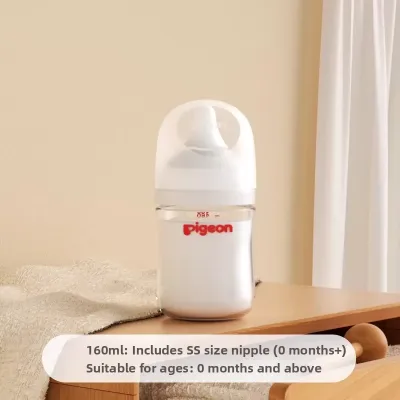
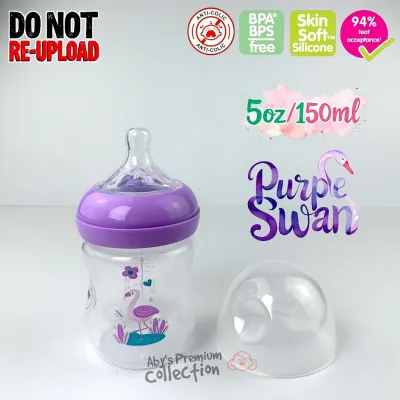
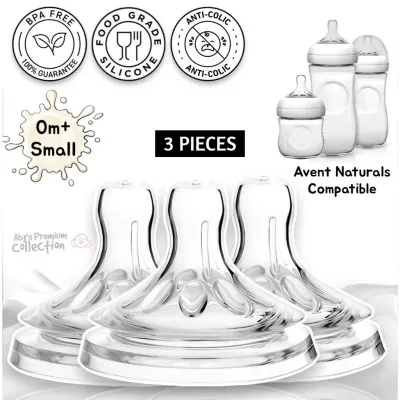
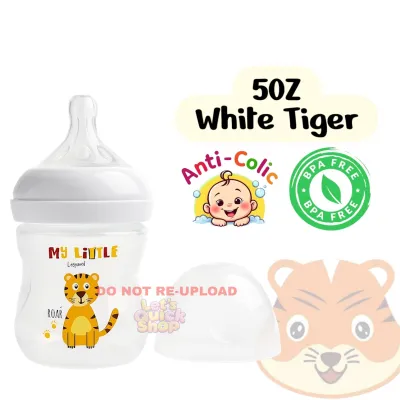
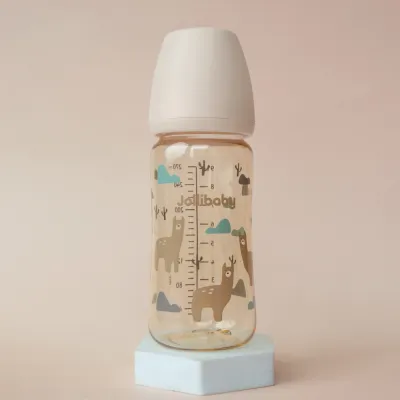
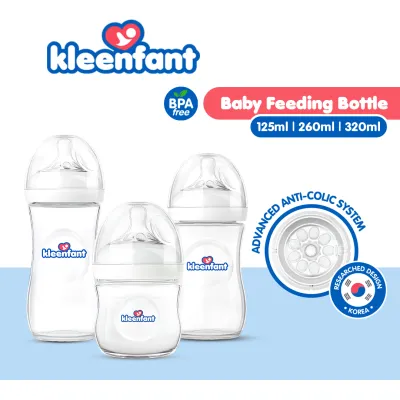
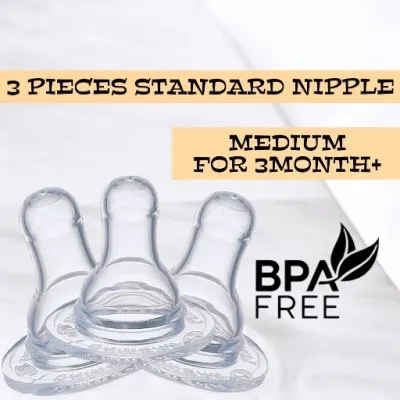
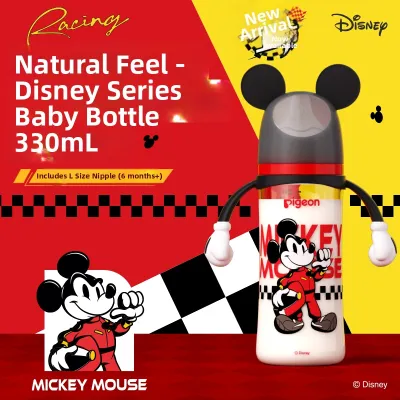
Prices are valid at publication and may change. Please refer to the product page for the latest price.
A toddler’s developing motor skills require a bottle that is easy to grip and lift independently. Consider the physical weight of the empty bottle and whether its shape allows small hands to hold it securely without slipping. A bottle that is too heavy or bulky can frustrate a child who is eager to self-feed, leading to accidental drops and spills.
Nipple and spout compatibility is another essential factor to check before making a purchase. Ensure the bottle system supports the appropriate flow rate for your toddler’s age, as a flow that is too fast can cause choking, while a flow that is too slow can cause frustration. Additionally, verify the presence of functional anti-colic valves or venting systems, which help reduce air ingestion during feeding.
Glass Bottles: Hygiene and Home Use
Glass bottles are highly valued for their exceptional hygiene standards and long-term durability under normal wear. Because glass is non-porous, it offers superior resistance to stubborn milk stains and does not retain strong odors or oily residues after washing. This makes it incredibly easy for parents to visually inspect the bottle and confirm that every corner is completely clean before the next use.

However, the primary trade-offs of glass are its heavy weight and the inherent risk of shattering when dropped. For an active toddler who likes to walk or run while drinking, a heavy glass bottle can be difficult to manage and poses a safety hazard if it hits a tiled floor. To mitigate this risk, caregivers should check if the manufacturer offers compatible, shock-absorbing silicone sleeves that wrap around the glass to cushion impacts.
Given these characteristics, glass bottles are ideal for supervised feeding sessions at home or for older toddlers who have developed a stable, reliable grip. If your daily routine involves feeding in a tiled dining area or while your child is seated securely in a high chair, glass remains an excellent, long-lasting choice. It withstands repeated sterilization cycles without degrading, making it a highly sustainable option for the household.
Plastic Bottles: Mobility and Independent Feeding
Plastic bottles are the traditional go-to option for families prioritizing mobility, lightweight handling, and drop-resistance. Because they are virtually shatterproof, these bottles allow toddlers to practice independent feeding without the risk of dangerous cleanups if the bottle slips from their hands. They are easy to pack into a diaper bag for trips to the park, family visits, or daycare environments where glass is often restricted.
Despite their convenience, plastic bottles are susceptible to micro-scratches on the inner walls over time, especially when cleaned with abrasive brushes. These tiny scratches can harbor milk residue and bacteria, making thorough sanitization more difficult as the bottle ages. Consequently, parents must strictly adhere to the manufacturer’s recommended replacement timelines, which are typically shorter than those for glass or silicone.
For on-the-go feeding and active self-feeding stages, plastic bottles offer unmatched practical advantages. They minimize the physical strain on a toddler’s wrists and hands, encouraging them to hold the bottle independently. When choosing plastic, look for high-quality, durable polymers like polypropylene (PP) or polyphenylsulfone (PPSU), which offer better heat resistance and durability than standard plastics.
Silicone Bottles: Tactile Comfort and Transitioning
Silicone bottles have gained popularity for their unique, soft texture that closely mimics the natural feel of breastfeeding. This squeezable, flexible material provides a comfortable tactile experience for toddlers, making it an excellent bridge for children transitioning from breast to bottle. The soft body is also highly drop-resistant and will not crack or shatter when dropped on hard surfaces.
One notable trade-off of silicone is its tendency to retain food odors and soapy scents if it is not cleaned and dried thoroughly. In humid environments, moisture can linger on the matte surface of silicone, requiring extra care during the drying process to prevent musty smells. Additionally, silicone bottles can sometimes be more challenging to find in larger volumes suitable for older toddlers who require bigger milk portions.
Silicone is highly suited for toddlers who prefer a soft, familiar grip or those who tend to squeeze their bottles while drinking. The flexible design often allows for easier storage and packing, as the bottles can flex slightly without losing their structural integrity. If you choose silicone, investing in a dedicated bottle brush designed for soft materials can help maintain cleanliness without damaging the surface.
Material Comparison at a Glance
To help you weigh your options, the following table compares glass, plastic, and silicone across key practical dimensions.
| Feature | Glass Bottles | Plastic Bottles | Silicone Bottles |
|---|---|---|---|
| Weight | Heavy | Very Lightweight | Lightweight to Moderate |
| Shatter Risk | High (requires care) | None | None |
| Heat Tolerance | High (verify manual) | Moderate to High (verify manual) | High (verify manual) |
| Stain Resistance | Excellent | Low to Moderate | Moderate |
| Maintenance Effort | Low (easy to clean) | Moderate (scratches easily) | Moderate (can retain odors) |
When using this comparison, cross-reference these material traits with your toddler’s specific daily routine and your household’s cleaning capacity. For instance, if you rely heavily on quick hand-washing between feeds, the stain resistance of glass might outweigh its weight. Conversely, if your toddler frequently feeds independently while traveling, the shatterproof nature of plastic or silicone may be your top priority.
Which Material Should You Choose?
Selecting the best milk bottle material ultimately depends on a conditional framework tailored to your household’s specific needs and lifestyle.
Choose Glass if your primary focus is long-term hygiene, easy sterilization, and stain resistance, and if feeding primarily occurs under direct supervision at home. This option is excellent for parents who want a bottle that can last through multiple developmental stages without material degradation.
Choose Plastic if you need a lightweight, highly portable, and completely drop-proof bottle for travel, daycare, or independent self-feeding. This is the most practical choice for active toddlers who enjoy carrying their drinks around different rooms or outdoor spaces.
Choose Silicone if your toddler is transitioning from breastfeeding, prefers a soft and squeezable grip, or enjoys a tactile feeding experience. It offers a middle ground between the durability of glass and the lightweight safety of plastic.
Before making your final decision, verify if your toddler has any specific sensitivities to certain textures or materials. Additionally, check if the bottle design requires specialized cleaning tools, such as extra-soft brushes or specific sterilizer racks, that you do not currently own.
Care, Cleaning, and When to Replace
Proper maintenance is essential to ensure the safety and longevity of any toddler milk bottle, regardless of the material. Always consult the manufacturer’s instructions to verify compatibility with your specific cleaning appliances, such as dishwashers, boiling water, steam sterilizers, or UV sterilizers. Some plastics and silicones may degrade faster when exposed to extreme UV light or prolonged boiling, so adhering to official guidelines is vital.
Regularly inspect each bottle for observable signs of wear and tear that indicate it is time for a replacement. For plastic bottles, look out for persistent cloudiness, deep scratches, or a sticky texture on the surface. For glass, check carefully for hairline cracks, chips around the rim, or deep scratches that could compromise structural integrity. For silicone, inspect for discoloration, warping, or a loss of elasticity.
Immediately stop using and discard any bottle or nipple that shows signs of structural damage, tearing, or severe degradation. Damaged nipples can become choking hazards if small pieces tear off during feeding, while cracked glass or compromised plastic can harbor harmful bacteria or break during use. Establishing a routine inspection before every feed helps keep your toddler’s feeding experience safe and hygienic.
Frequently Asked Questions (FAQ)
Can I mix and match bottle brands and nipples?
It is highly recommended to check the manufacturer’s guidelines before attempting to mix and match bottle bodies and nipples from different brands. While some parts may appear to fit together, slight differences in thread design or diameter can cause slow leaks, improper flow rates, or venting failures. Using incompatible parts can also lead to the nipple collapsing or detaching, which poses a potential choking hazard for your toddler.
How often should I replace my toddler's milk bottle?
The lifespan of a milk bottle depends heavily on its material, frequency of use, and cleaning methods. While glass bottles can last indefinitely if they remain free of chips and cracks, plastic bottles typically require replacement every few months due to micro-scratches and material wear. Always follow the manufacturer’s recommended replacement timeline and perform regular visual checks for discoloration, warping, or stickiness to determine if a bottle needs to be retired early.

Community discussion
Share your experience or ask a question. Comments are reviewed before publication.