
Selecting the right feeding bottle for toddler use is a decision that directly impacts your daily routine, your budget, and your child’s transition toward independent drinking. There is no single material that serves as a universal winner for every family. Instead, the ideal choice depends on your toddler’s motor skills, how often bottles are dropped, and your specific lifestyle needs.
While glass offers excellent material purity for supervised home use, lightweight plastic is highly convenient for travel, and flexible silicone provides an easy-to-grip surface for self-feeding. To ensure safety and long-term durability, caregivers must regularly inspect all bottles for physical wear and verify material specifications on manufacturer labels. By understanding the distinct trade-offs of each material, you can select a bottle that matches your toddler’s developmental stage and your household’s daily habits.
How Toddler Feeding Habits Change Bottle Requirements
As infants transition into toddlerhood, their feeding habits and physical capabilities undergo rapid changes. While infants rely entirely on caregivers to hold and position their bottles, toddlers actively seek independence. This developmental shift means bottles are no longer stationary objects; they are carried around the play area, shaken, and frequently dropped or thrown onto hard surfaces.
Products mentioned in this guide
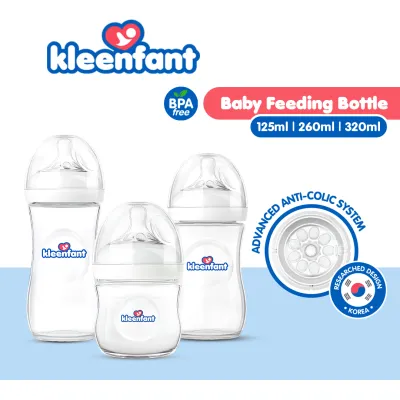
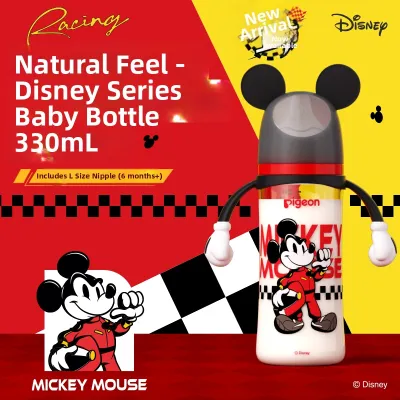
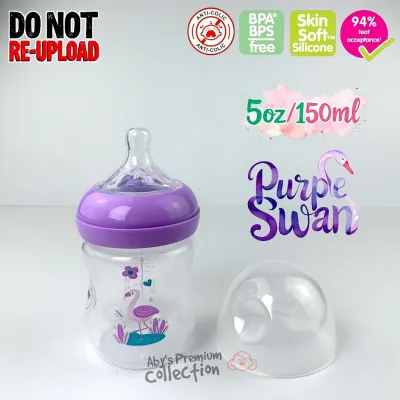
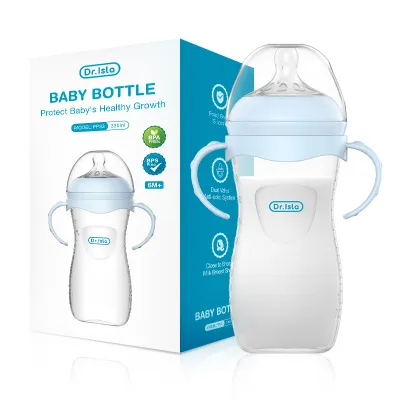
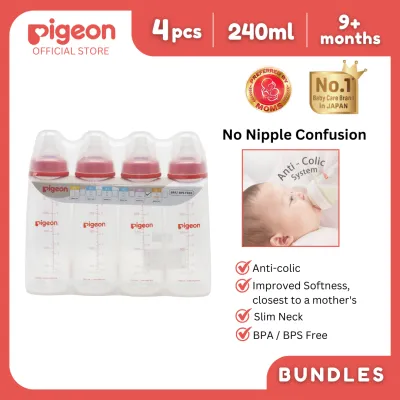
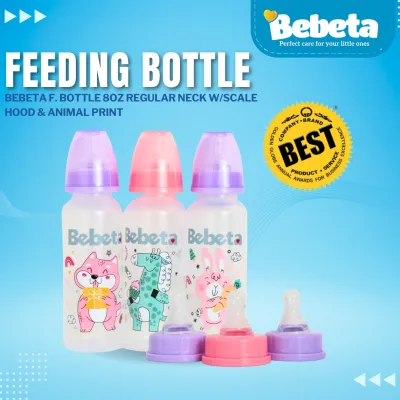
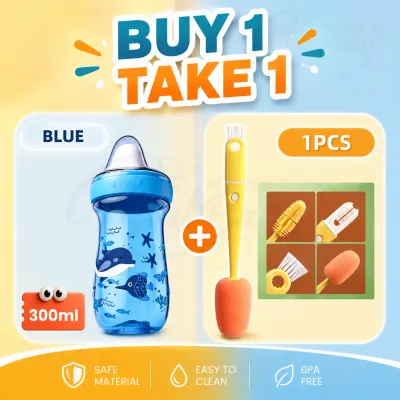
Prices are valid at publication and may change. Please refer to the product page for the latest price.
This increase in activity requires a shift in how caregivers evaluate bottle features. Durability, weight, and grip texture become just as important as nipple flow rate. A bottle that is too heavy or slippery can frustrate a toddler who is trying to self-feed, potentially leading to spills or accidental drops.
Furthermore, toddlers consume larger volumes of liquids, requiring a transition to larger capacity bottles. Before upgrading to a larger size, caregivers should check the manufacturer’s age and weight guidelines to ensure the bottle design is appropriate for the child’s developmental stage. Choosing a bottle that supports self-feeding helps foster fine motor skills while keeping mealtime manageable for parents.
Evaluating Glass, Plastic, and Silicone Bottles
Each bottle material offers a unique set of physical characteristics, maintenance requirements, and practical trade-offs. Understanding these differences allows caregivers to make an informed choice based on their specific household environment.

Glass Bottles: Durability and Weight Considerations
Glass bottles are highly valued for their material stability, as they do not retain odors, stain from juices, or degrade over time from repeated sterilization. However, the physical weight of glass is a significant factor to consider when feeding a toddler. A large glass bottle filled with milk or water can be heavy and difficult for small hands to maneuver independently, which may limit self-feeding progress.
Fragility is another critical consideration for active toddlers. When dropped on hard surfaces, such as ceramic tile floors common in many homes, glass bottles run a high risk of cracking, chipping, or shattering. To mitigate this risk, many caregivers use protective silicone sleeves, which provide impact resistance and improve grip.
When using glass, it is essential to check the manufacturer’s thermal shock specifications. Some glass bottles are designed to withstand rapid temperature changes, while others may crack if moved directly from a cold refrigerator to a hot sterilizer. Regular inspection around the rim and threads is necessary to ensure no micro-cracks have formed.
Plastic Bottles: Lightweight and Travel-Friendly Options
Plastic bottles are exceptionally lightweight and virtually shatterproof, making them a highly practical option for active toddlers who feed on the go. Because they do not break when dropped, they are widely accepted in daycare centers and are convenient to pack in travel bags for family outings.
When selecting plastic feeding bottles, caregivers must carefully verify the product labels. Look for specific plastic resin identification codes and clear indications of BPA-free and BPS-free certifications. Common high-quality plastics used for bottles include Polypropylene (PP), Polyethersulfone (PES), and Polyphenylsulfone (PPSU), each offering different levels of heat resistance and durability.
Despite their convenience, plastic bottles are prone to physical degradation over time. They scratch easily during cleaning, and these micro-scratches can harbor bacteria or trap soap residue. Caregivers should watch for visual signs of wear, such as persistent cloudiness, deep scratches, or stubborn odor retention, which indicate that the bottle needs immediate replacement.
Silicone Bottles: Flexibility and Grip for Little Hands
Silicone bottles have gained popularity due to their soft, squeezable texture, which closely mimics a natural feel and provides an excellent grip for small hands. This tactile quality helps toddlers transition to independent holding, as the slip-resistant surface is easy to grasp even when wet.
While silicone is highly durable and drop-resistant, the material is semi-porous. This means it can absorb strong odors or stains from certain foods, juices, or scented dish soaps if not washed promptly and thoroughly. Using unscented, gentle dish soaps can help prevent lingering odors from affecting the taste of your toddler’s milk.
Additionally, caregivers should evaluate the structural stability of the bottle’s base. Because silicone is flexible, some designs may tip over easily when placed on a flat surface if they lack a rigid plastic collar or a wide, reinforced base. Checking the stability of the bottle design before purchasing can prevent accidental spills during mealtime.
Side-by-Side Comparison of Bottle Materials
To help you weigh the practical trade-offs of each material, the table below summarizes how glass, plastic, and silicone compare across key daily usage dimensions.
| Material | Weight | Drop-Resistance | Grip Ease | Cleaning & Odor Resistance | Caregiver Verification Needed |
|---|---|---|---|---|---|
| Glass | Heavy; can tire toddler's hands | Low; prone to shattering on hard floors | Moderate; slippery without a sleeve | High; does not retain odors or stains | Check for thermal shock limits and micro-cracks |
| Plastic | Very lightweight; easy to carry | High; will not shatter when dropped | Moderate; smooth surface | Moderate; prone to scratches and odors | Verify BPA/BPS-free labels and resin codes (PP/PPSU) |
| Silicone | Lightweight to moderate | High; bounces without damage | High; soft, squeezable, non-slip texture | Moderate; can absorb strong food odors | Check base stability and collar security |
This comparison highlights that no single material excels in every category. Caregivers must balance the ease of cleaning and material purity of glass against the lightweight portability of plastic and the tactile, drop-proof benefits of silicone.
Decision Framework: Match the Material to Your Toddler's Lifestyle
To finalize your choice, consider how your toddler’s daily routine, feeding environment, and physical habits align with the characteristics of each material.
Choose Glass if:
- Your toddler primarily feeds at home under direct adult supervision.
- You prioritize a material that is highly resistant to scratches, stains, and odor retention.
- You prefer a bottle that can withstand frequent, high-temperature sterilization without material degradation.
- You are willing to use protective silicone sleeves to minimize the risk of breakage on hard floors.
Choose Plastic if:
- Your toddler attends daycare or frequently feeds while traveling, running errands, or playing outdoors.
- You need a highly budget-friendly option with a low upfront cost.
- Your toddler is highly active and prone to throwing objects, making drop-resistance a primary safety concern.
- You want to minimize the weight your toddler has to carry during self-feeding transitions.
Choose Silicone if:
- Your toddler is actively learning to self-feed and benefits from a soft, squeezable, and easy-to-grip texture.
- You want a durable, drop-proof bottle but prefer a softer material than rigid plastic.
- You are diligent about prompt washing to prevent food stains and soap odors from absorbing into the material.
- You want a bottle that maintains its shape and structural integrity through repeated drops.
Verify first if:
- Replacement parts, such as nipples, collars, and valves, are readily available from authorized local retailers.
- The pricing of the bottles and their compatible accessories fits within your household budget, keeping in mind that high-quality PPSU plastic or food-grade silicone options may range from ₱300 to ₱800 per bottle.
- The bottle neck design is compatible with your existing cleaning brushes and sterilizing equipment.
Cleaning, Sterilizing, and Knowing When to Replace
Maintaining proper hygiene is essential to protect your toddler’s health, especially in warm, humid tropical climates where moisture can quickly encourage mold and bacterial growth. Always refer to the manufacturer’s manual for specific washing, sterilizing, and drying instructions, as different brands and materials have unique temperature limits.
After washing, ensure all bottle components are placed on a clean, elevated drying rack in a well-ventilated area. Allowing parts to dry completely before reassembly is crucial for preventing mold buildup in hard-to-reach crevices, such as the inside of silicone nipples or the threads of plastic collars.
Establish a routine to physically inspect your toddler’s bottles during every wash. Use this quick checklist to identify wear and tear:
- For Glass: Run your finger carefully along the rim, threads, and base to check for chips, sharp edges, or internal micro-cracks.
- For Plastic: Hold the bottle up to the light to check for deep scratches, persistent cloudiness, warping, or a sticky texture.
- For Silicone: Gently stretch the bottle walls and nipple to check for tiny tears, discoloration, swelling, or a tacky surface.
If you detect any of these signs of degradation, stop using the bottle immediately. Damaged plastic or silicone can harbor bacteria, while cracked glass poses an immediate safety risk. Replacing worn bottles promptly ensures a safe and hygienic feeding experience for your growing toddler.
Frequently Asked Questions (FAQ)
Can I mix different bottle materials for my toddler?
Yes, mixing different bottle materials is a practical approach for many families. For example, you might choose to use glass bottles at home under your direct supervision to take advantage of their easy cleaning, while relying on lightweight plastic or silicone bottles for daycare, travel, and outdoor play. This approach works well as long as your toddler adapts easily to the different weights and textures of the bottles.
However, you should avoid mixing physical parts—such as nipples, collars, and caps—across different brands or materials unless the manufacturer explicitly states they are compatible. Mixing incompatible parts can cause improper seals, leading to frustrating leaks or sudden spills during feeding.
How do I know when it is time to replace a plastic or silicone bottle?
Plastic bottles generally need more frequent replacement than glass or high-quality silicone. You should replace a plastic bottle immediately if you notice deep scratches inside the bottle, persistent cloudiness that does not clear after washing, warping from heat, or a lingering sour smell that remains after thorough sterilization.
Silicone bottles should be replaced if the material becomes sticky to the touch, shows significant discoloration, swells, or exhibits any visible tearing, especially around the neck or base where the collar attaches. Regularly checking these areas ensures the bottle remains structurally sound and safe for your toddler to use.

Community discussion
Share your experience or ask a question. Comments are reviewed before publication.