
Choosing the right feeding bottle for your newborn baby is a frequent decision for new parents. There is no single “best” material for every household; the ideal choice depends on balancing chemical stability, weight, durability, and budget. Each material—glass, plastic, and silicone—presents distinct advantages and trade-offs that affect your daily feeding routine and sterilization habits.
In a tropical climate like the Philippines, where high humidity can influence drying times and hygiene, understanding these material differences is highly practical. This guide will help you evaluate the unique characteristics of each bottle type so you can select the option that best aligns with your family’s lifestyle and safety priorities.
What Matters Most When Choosing a Newborn Feeding Bottle?
When comparing feeding bottles for a newborn baby, several core criteria should guide your decision. The first is chemical stability and safety. Parents must inspect manufacturer packaging to verify that bottles are certified BPA-free and BPS-free, ensuring no harmful industrial chemicals leach into milk during heating or sterilization.
Products mentioned in this guide
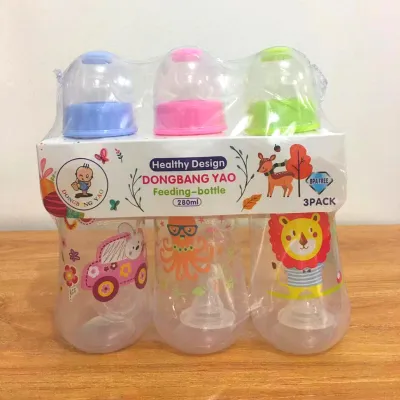
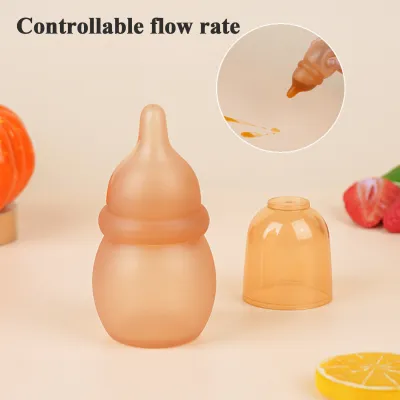
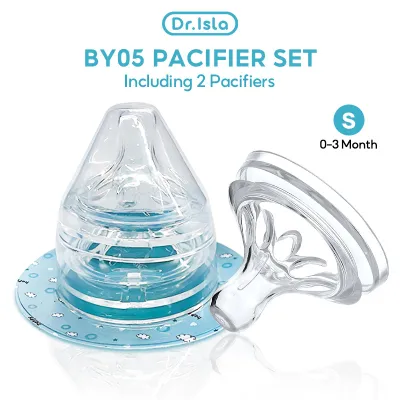
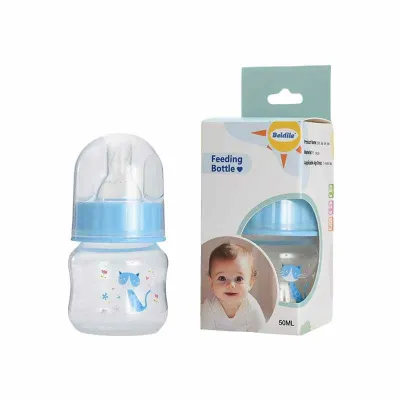
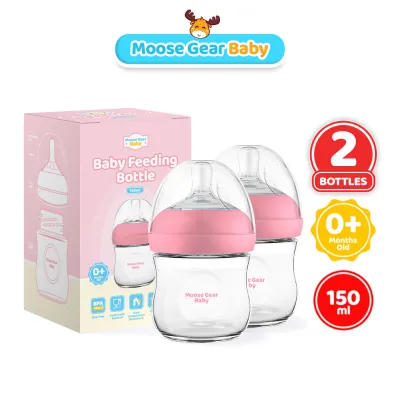
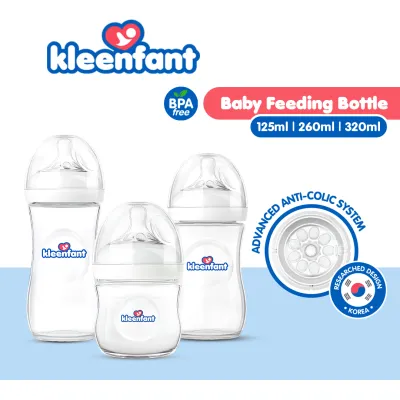
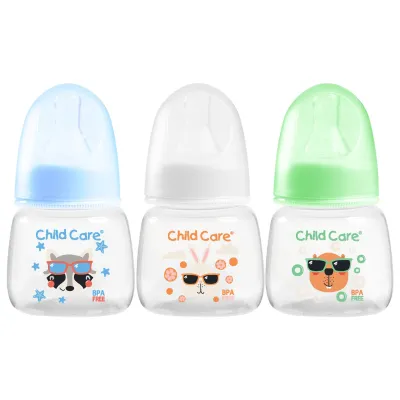
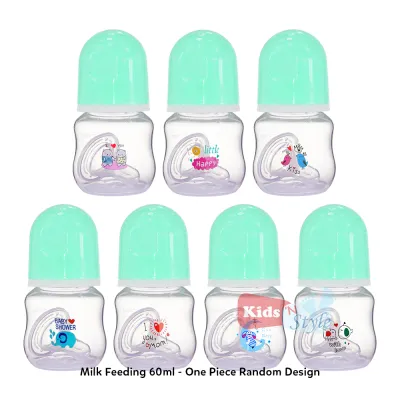
Prices are valid at publication and may change. Please refer to the product page for the latest price.
Weight and ergonomics play a significant role in daily comfort. During late-night feeds when fatigue sets in, a bottle that is easy to hold prevents hand strain for the caregiver. As your baby grows and begins to develop their grip, the weight of the bottle will also determine how easily they can transition to holding it themselves under close supervision.
Durability and lifespan directly impact your long-term household budget. Some materials degrade quickly under frequent sterilization, requiring regular replacement, while others can last through multiple childhood stages if handled carefully. Understanding how often a material shows signs of wear helps you plan for these recurring expenses.
Finally, ease of cleaning and sterilization compatibility are vital for maintaining infant health. In warm, humid environments, milk residues can quickly spoil and harbor bacteria if a bottle has hard-to-reach crevices or scratches easily. You must consider how well each material resists odors, stains, and the high temperatures of your chosen sterilization method.
Glass Bottles: Purity and Longevity vs. Weight and Fragility
Glass feeding bottles are favored by parents who prioritize chemical purity and exceptional longevity. The primary advantage of glass is its non-porous surface, which naturally resists scratches from bottle brushes. Because it does not absorb odors, milk fats, or colors, a glass bottle remains clear and clean even after months of continuous use.

However, the physical weight of glass is a notable trade-off. These bottles are significantly heavier than plastic or silicone, which can make night feeds tiring for caregivers. This weight also means that young babies cannot safely hold glass bottles on their own, requiring constant adult handling and supervision.
Fragility is another major consideration when choosing glass for your newborn baby. Dropping a glass bottle on hard floors can result in dangerous shattering, creating immediate safety hazards. To mitigate this risk, many parents choose to purchase protective silicone sleeves, which provide a better grip and absorb minor impacts.
Additionally, glass is subject to thermal shock, meaning rapid temperature changes can cause the material to crack. When preparing feeds or cleaning, you must strictly follow the manufacturer’s instructions regarding temperature limits. This includes avoiding sudden transitions from cold refrigerator temperatures to boiling water or high-heat steam sterilizers.
Plastic Bottles: Lightweight Convenience vs. Wear and Tear
Plastic feeding bottles are widely popular due to their lightweight convenience and affordability. They are virtually shatterproof, making them highly practical for busy households, travel, and outdoor use where drops are inevitable. This lightweight design also makes it much easier for growing babies to practice holding their own bottles under close caregiver supervision.
When selecting plastic bottles, verify that the manufacturer explicitly labels the product as BPA-free and BPS-free. Different types of plastics are used in bottle manufacturing, such as Polypropylene (PP), Polyethersulfone (PES), and Polyphenylsulfone (PPSU). Each type offers varying levels of heat resistance and durability, which you should verify on the product packaging.
The primary drawback of plastic is its susceptibility to wear and tear. Over time, frequent scrubbing with bottle brushes can create micro-scratches on the inner walls. These tiny grooves can trap milk proteins and harbor bacteria, making thorough cleaning increasingly difficult in humid tropical climates.
Parents must regularly inspect plastic bottles for visual signs of degradation, such as cloudiness, deep scratches, stubborn stains, or lingering odors. Most manufacturers recommend replacing plastic bottles every few months, depending on the specific plastic type and frequency of sterilization. Prolonged exposure to high heat in steam or UV sterilizers can accelerate this degradation.
Silicone Bottles: Softness and Heat Resistance vs. Cost and Care
Silicone feeding bottles utilize medical-grade silicone to offer a unique combination of flexibility and durability. The standout feature of silicone is its soft, squeezable texture, which closely mimics the natural feel of feeding. This pliable surface is exceptionally gentle on a newborn’s sensitive gums and developing palate.
In terms of durability, silicone is highly resistant to extreme temperatures and does not shatter when dropped. These bottles are generally compatible with dishwashers, steam sterilizers, and boiling water without warping or degrading over time. This high heat tolerance makes them a reliable option for parents who prioritize rigorous sanitation routines.
Despite these benefits, silicone bottles come with a premium price tag compared to standard plastic options. They can also be more challenging to find in local physical retail stores, often requiring parents to order them through specialized online marketplaces or official brand distributors.
Another practical consideration is silicone’s tendency to retain strong odors from dishwashing soaps or milk fats. Because the material is slightly porous compared to glass, you may need to adopt specific washing techniques, such as using fragrance-free baby bottle cleansers and ensuring thorough air-drying in a well-ventilated space to prevent lingering smells.
Glass vs. Plastic vs. Silicone: Feature Comparison
To help you quickly compare these three materials, the following table summarizes their key characteristics across essential decision-making dimensions. These qualitative descriptors reflect general material properties and should be verified against specific product labels.
| Feature | Glass Bottles | Plastic Bottles | Silicone Bottles |
|---|---|---|---|
| Weight | Heavy | Lightweight | Moderate to Lightweight |
| Durability | High (unless dropped) | Moderate (requires regular replacement) | High (shatterproof and flexible) |
| Scratch Resistance | Excellent | Low (prone to micro-scratches) | High |
| Sterilization Ease | High (requires thermal shock care) | Moderate (heat can degrade over time) | High (excellent heat tolerance) |
| Typical Price Range | Moderate to High | Budget-friendly to Moderate | Premium |
| Best Suited For | Stationary home use and maximum chemical purity | On-the-go feeding, travel, and budget-conscious parents | Parents seeking a soft, durable, and long-lasting alternative |
Which Material Should You Choose for Your Newborn?
Deciding on the best feeding bottle newborn baby material requires looking closely at your daily routine, budget, and feeding environment. If your primary goal is absolute chemical purity and you plan to feed your baby mostly at home where you can safely manage heavier items, glass is an excellent choice. Its resistance to scratches and odors means you will rarely need to replace the bottles, provided you use protective sleeves and handle them with care.
If you lead an active lifestyle, travel frequently, or need a budget-friendly option that is easy to pack into a diaper bag, plastic bottles offer unmatched convenience. They are lightweight and shatterproof, which eliminates the worry of breakage during outings. However, you must be prepared to inspect them regularly and budget for periodic replacements when they show signs of wear or cloudiness.
For parents who want a soft, tactile bottle that mimics natural feeding and offers high durability without the weight of glass, silicone is a compelling premium option. It is highly resilient against heat and drops, making it a long-lasting investment. If you choose silicone, be sure to source them from reputable distributors and use gentle, fragrance-free cleansers to maintain their quality.
Before finalizing your purchase of any bottle type, always verify its compatibility with your existing baby gear. If you are using a breast pump, check whether the pump’s expression collection containers can screw directly onto your chosen bottles, or if you will need to purchase specific material adapters. Ensuring compatibility beforehand will save you time and prevent unnecessary milk transfers during your busy daily routine.
Frequently Asked Questions (FAQ)
Can I mix and match different bottle materials for my newborn?
Yes, mixing and matching different bottle materials is generally safe and highly practical for many families. You might choose to use sturdy glass bottles for quiet home feedings and switch to lightweight plastic or silicone bottles when traveling or visiting relatives. The key is to ensure that every individual bottle you use meets current safety standards, is free from damage, and is cleaned according to its specific material guidelines. Keep in mind that different materials have distinct sterilization limits and replacement schedules, so you will need to track the condition of each bottle type separately.
Do I need to buy special nipples for glass or silicone bottles?
Nipple compatibility is determined by the bottle’s neck width and the manufacturer’s proprietary design, rather than the material of the bottle itself. Most bottle brands design their nipples to fit specific collar sizes, which are typically categorized as standard (narrow) or wide-neck. When purchasing replacement nipples, always check the manufacturer’s packaging to ensure they are explicitly compatible with your specific bottle model and size to prevent leaks and ensure a secure fit during feeding.

Community discussion
Share your experience or ask a question. Comments are reviewed before publication.