
Choosing the right baby bottle material is one of the most frequent decisions new parents face. There is no single “best” material that fits every family; instead, the ideal choice depends on your baby’s age, feeding style, and your daily routine. Glass offers exceptional purity and longevity, plastic provides lightweight convenience for travel, and silicone delivers a flexible, tactile transition from breastfeeding. Regardless of the material you select, you must verify safety certifications, check for age-appropriate flow rates, and inspect the product’s integrity before every feeding.
Glass Baby Bottles: Durability and Purity Trade-offs
Glass baby bottles are highly valued by parents who prioritize material purity and long-term durability. Because glass is non-porous, it does not absorb odors, resist scratching, or retain stains from milk fats or juices. This chemical stability means glass bottles maintain their crystal-clear appearance even after years of repeated sterilization and washing. In warm, humid tropical climates where bacteria can multiply rapidly on scratched surfaces, the smooth, scratch-resistant surface of glass offers an easily sanitizable option.
However, glass bottles present distinct practical trade-offs that caregivers must consider. They are significantly heavier than plastic or silicone alternatives, making it difficult for older babies to hold the bottle independently. The risk of shattering or chipping if dropped on hard tile floors—common in many homes—is a constant safety concern. Additionally, glass bottles generally carry a higher upfront retail cost, though their long lifespan can offset this initial investment if they remain unbroken.
Products mentioned in this guide
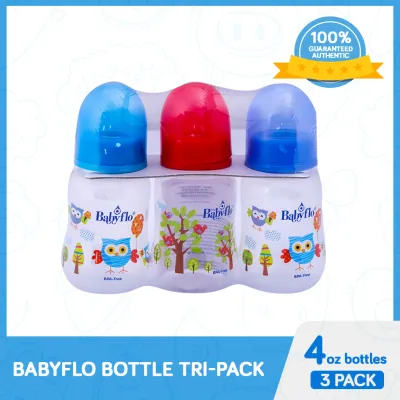
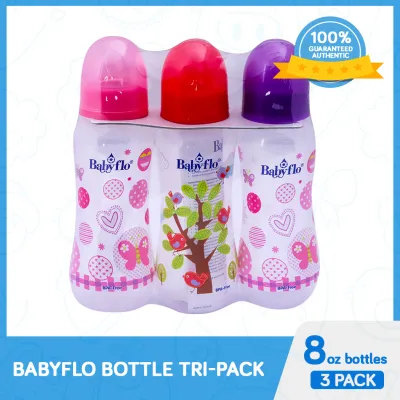
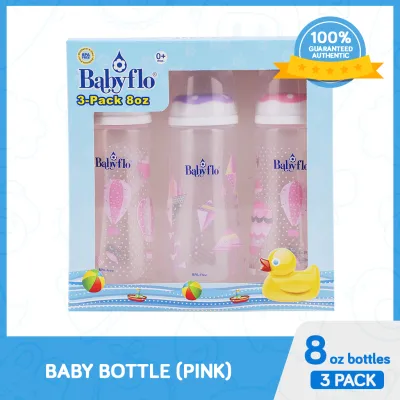
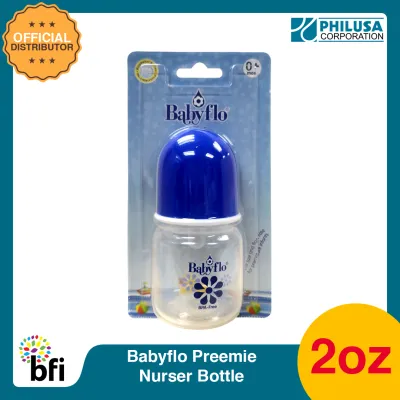
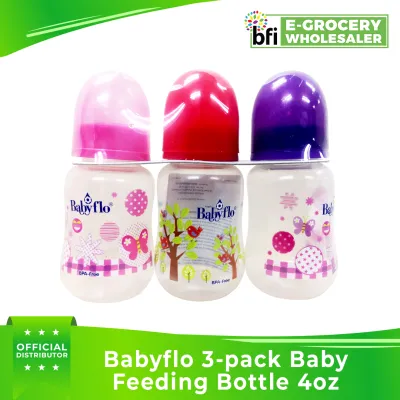
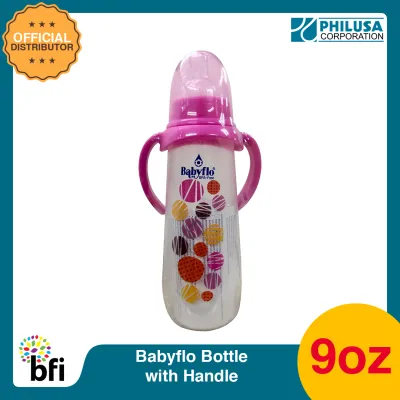
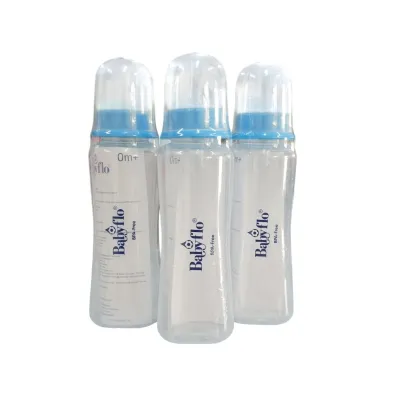
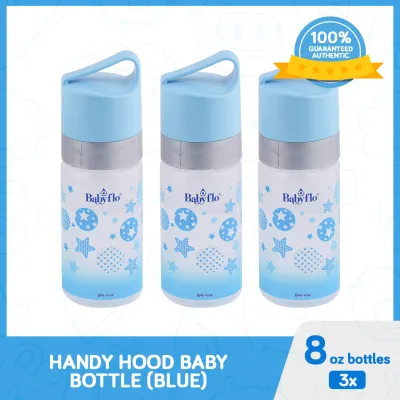
Prices are valid at publication and may change. Please refer to the product page for the latest price.
To ensure safety when using glass, caregivers must perform routine checks before every single feeding session. Inspect the rim, threads, and body of the bottle for hairline cracks, chips, or sharp edges. Utilizing protective silicone sleeves can significantly reduce the risk of breakage from accidental drops and provide a better grip for sweaty or wet hands.
This material is ideal for caregivers who primarily feed their babies at home, have access to secure storage, and prioritize a material that will not degrade or discolor over time. If your daily routine involves frequent travel or self-feeding, the weight and fragility of glass may require you to look at other options.
Plastic Baby Bottles: Lightweight Convenience and Safety Checks
Plastic baby bottles are a staple for active families due to their lightweight convenience and shatterproof nature. They are highly resilient, making them safe for older babies who are learning to hold their own bottles during feeds. Because they do not break when dropped, they are the practical choice for travel, daycare, and outdoor family outings. They are also widely accessible and generally the most budget-friendly option on the market.

Despite these benefits, plastic bottles require careful maintenance and have a shorter lifespan than glass. Plastic is prone to micro-scratches from bottle brushes, and these tiny crevices can harbor bacteria or trap milk residues. Over time, plastic can absorb odors, discolor, and become cloudy. In hot and humid environments, managing heat is critical; plastic bottles can degrade faster when exposed to frequent high-temperature boiling or steam sterilization.
When choosing plastic, caregivers must verify that the product is explicitly labeled as BPA-free and BPS-free to avoid chemical leaching. Avoid heating breast milk or formula directly in plastic bottles using a microwave, unless the manufacturer explicitly states it is safe, as uneven heating can create dangerous hot spots and accelerate material wear. Inspect plastic bottles regularly, and replace them immediately if they become cloudy, deeply scratched, or retain a persistent sour smell.
For parents considering a widely available option like a baby flo feeding bottle, plastic offers an accessible entry point for daily feeding. This material is best suited for busy, on-the-go lifestyles and for babies transitioning to self-feeding under close caregiver supervision.
Silicone Baby Bottles: Flexibility and Squeeze-Feeding Features
Silicone baby bottles represent a modern middle ground, offering a soft, flexible, and tactile feeding experience. The skin-like texture of silicone closely mimics the natural feel of breastfeeding, which can help ease the transition for babies who resist traditional rigid bottles. Silicone is highly durable, shatterproof, and possesses excellent heat resistance, allowing it to withstand various sterilization methods without degrading.
However, the unique properties of silicone come with specific maintenance challenges. The material has a natural tendency to attract dust and lint due to static electricity, requiring careful storage in clean, enclosed spaces. Silicone can also absorb strong odors from dish soaps or milk fats if not washed thoroughly with appropriate cleaning agents. Furthermore, because silicone bottles are flexible, they can sometimes be squeezed too hard by well-meaning caregivers or older babies, leading to unexpected milk spills or flow surges.
Safety checks for silicone bottles involve verifying that the material is certified as food-grade or medical-grade silicone. Caregivers should regularly stretch the bottle and nipple in all directions to check for tiny tears, punctures, or thinning areas, especially once the baby begins teething. Always follow the manufacturer’s specific cleaning instructions, which often recommend mild, fragrance-free soaps to prevent odor retention.
Silicone is highly recommended for breastfed babies transitioning to bottle-feeding, or for parents who want a lightweight, unbreakable bottle without using traditional plastics. It is also ideal for babies who prefer a squeezable, tactile bottle that they can easily manipulate during supervised feeding times.
Material Comparison Matrix and Decision Framework
To help you decide, the following matrix compares the three materials across key practical dimensions. Note that prices are approximate and can vary based on brand, bottle size, and retail location.
| Material | Weight | Durability | Heat Resistance | Typical Price Range (₱) |
|---|---|---|---|---|
| Glass | Heavy | Low (Shatter risk) | High | ₱350 – ₱900 |
| Plastic | Very Lightweight | High (Shatterproof) | Moderate | ₱100 – ₱300 |
| Silicone | Lightweight | High (Shatterproof) | High | ₱400 – ₱1,200 |
Decision Framework
- Choose Glass if: You prioritize chemical purity, feed primarily at home, want a bottle that lasts through multiple children, and do not mind the heavier weight and risk of breakage.
- Choose Plastic if: You need an affordable, lightweight, and shatterproof bottle for travel, daycare, or self-feeding, and you are willing to replace the bottles regularly as they wear out.
- Choose Silicone if: Your baby is transitioning from breastfeeding, prefers a soft and squeezable texture, and you want a durable, heat-resistant, shatterproof material despite a higher initial cost.
- Verify first if: The bottle's neck size, nipple shape, and flow rate match your baby's current developmental stage. Always ensure your sterilization routine (whether using boiling water, steam, or UV sterilizers) is compatible with the manufacturer's guidelines for that specific material.
Verifying Specifications for Your Preferred Brands
Before finalizing your purchase, it is crucial to look beyond marketing claims and carefully verify the manufacturer’s official specifications. When evaluating options like a baby flo feeding bottle or other popular brands, check the packaging or official product documentation for age recommendations, material safety certifications, and nipple flow compatibility. Nipple flow rates must align with your baby’s developmental stage to prevent choking or feeding frustration.
Additionally, ensure that replacement parts, such as matching nipples, collars, and caps, are readily available in local stores or online marketplaces. Using mismatched parts from different brands can lead to leaks, improper venting, or collapsed nipples during feeding. Always cross-reference the product label with your baby’s current weight, age, and feeding habits rather than relying solely on generic age guidelines.
Frequently Asked Questions (FAQ)
Can I mix different bottle materials for the same baby?
Yes, mixing different bottle materials is generally safe, provided that all bottles are thoroughly cleaned, sterilized, and meet current safety standards. Many parents use glass bottles at home for maximum purity and switch to lightweight plastic or silicone bottles when traveling or visiting daycare. The primary challenge when mixing materials is maintaining consistency in nipple shape and flow rate. If your baby becomes accustomed to a specific nipple design, switching between different brands or materials may cause nipple confusion or feeding resistance.
How often should I replace baby bottles regardless of the material?
The replacement frequency depends heavily on the material and how often the bottles are used and sterilized. Plastic bottles generally need replacement every three to six months, or immediately if they become cloudy, deeply scratched, or retain a persistent sour odor. Glass bottles can last indefinitely unless they develop chips, cracks, or deep scratches that compromise their structural integrity. Silicone bottles should be replaced if you notice any sticky residue, discoloration, tears, or thinning of the material. Always inspect all bottle components, including nipples and collars, before every feed, and consult the manufacturer’s guidelines for specific lifespan recommendations.

Community discussion
Share your experience or ask a question. Comments are reviewed before publication.