
Selecting the right dede bottle for baby is one of the most frequent decisions new parents face, and the choice often comes down to the material of the bottle itself. There is no single material that is universally superior for every household; instead, the ideal option depends on your specific safety priorities, daily routine, and your baby’s developmental stage. As your baby grows from a newborn who is entirely fed by a caregiver to an active infant who wants to hold their own bottle, your preferences for weight, durability, and ease of cleaning will likely shift.
By understanding how glass, plastic, and silicone compare under real-world conditions—especially in a warm, humid tropical climate—you can make an informed choice that balances convenience, budget, and peace of mind. Each material has distinct physical properties that affect how it handles daily sterilization, travel, and long-term wear.
Glass, Plastic, and Silicone: Key Traits and Initial Comparison
To choose the right bottle, it helps to start with the physical characteristics of each material. Glass is the traditional choice, valued for its chemical inertness and resistance to scratching. However, glass bottles are significantly heavier than their plastic or silicone counterparts. This weight makes them less suitable for older babies who are learning to hold their own bottles, and it introduces a clear risk of breakage if dropped on hard tile floors, which are common in many homes.
Products mentioned in this guide
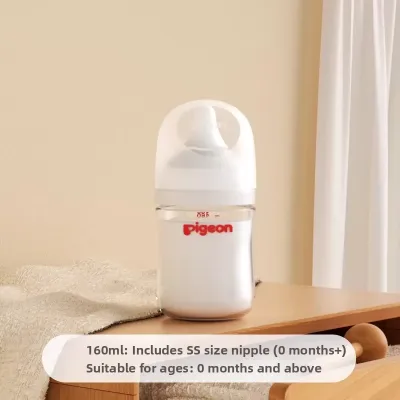
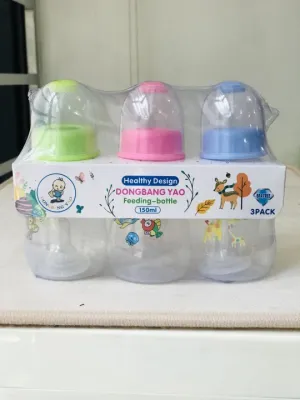
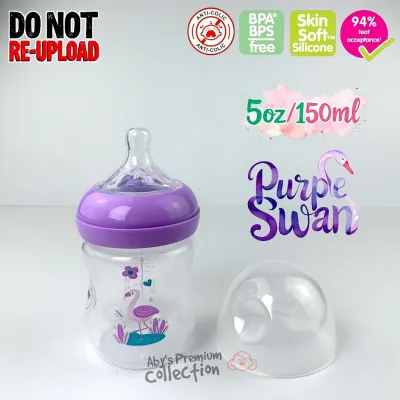
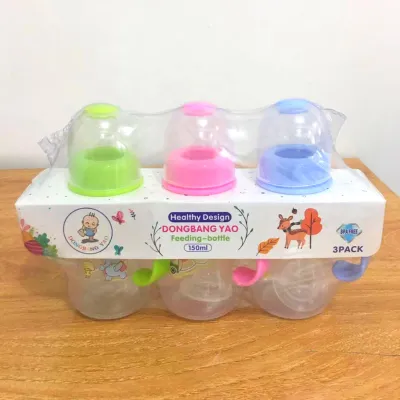
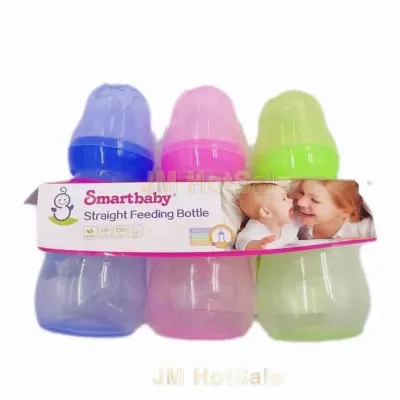
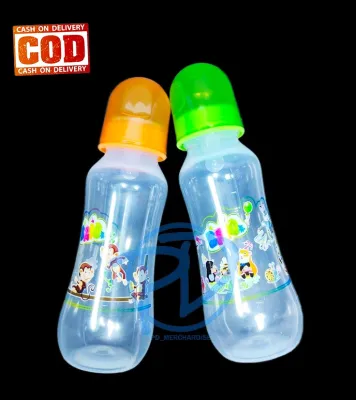
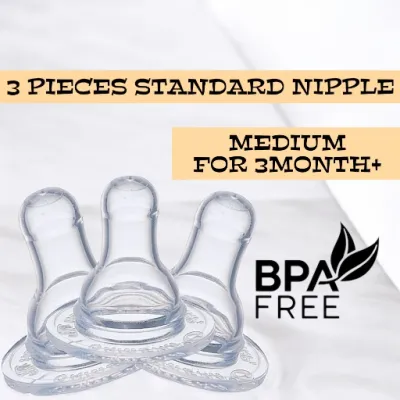
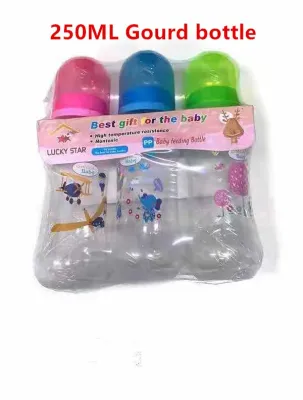
Prices are valid at publication and may change. Please refer to the product page for the latest price.
Plastic bottles, typically made from polypropylene (PP) or polyphenylsulfone (PPSU), are highly popular because they are lightweight, virtually unbreakable, and easy to transport. They are highly convenient for travel or daycare, but they are more prone to scratching and degradation over time. PPSU is generally more durable and heat-resistant than standard PP, though both require careful monitoring for signs of wear.
Silicone bottles represent a modern middle ground. Made from flexible, soft material, they mimic the natural feel of skin and are easy for tiny hands to grip. Like plastic, silicone is lightweight and shatterproof, but like glass, it offers excellent heat resistance.
When evaluating these materials, always check the manufacturer’s specific temperature limits, as sterilization methods like boiling or steam can affect materials differently over time. Over many sterilization cycles, plastic may begin to look cloudy, while glass remains clear, and silicone may retain a slight haze or texture change.
Safety and Chemical Concerns to Verify
Safety is the foremost concern for any parent selecting a dede bottle for baby, and each material requires specific checks to ensure it remains safe for daily use. For plastic bottles, the primary focus is verifying chemical safety. While modern regulations have largely phased out Bisphenol A (BPA), it is essential to inspect packaging for verified “BPA-free,” “BPS-free,” and “BPF-free” labels.

Because plastic is soft, it scratches easily during cleaning. These micro-scratches can harbor bacteria or allow microscopic plastic particles to shed into the milk. Parents should regularly inspect plastic bottles under bright light and discard any that show deep scratches, cloudiness, or structural degradation.
Glass bottles eliminate concerns about chemical leaching, making them a favorite for parents seeking the most chemically inert option. However, the safety risk with glass is entirely physical. A dropped glass bottle can shatter, creating hazardous shards, or it can develop hairline cracks and chips around the rim that might go unnoticed. It is crucial to inspect glass bottles before every single feed, running a finger carefully along the rim and checking the body for any signs of weakened structural integrity.
Silicone bottles are widely appreciated for being free from BPA and phthalates, but quality can still vary. When purchasing silicone bottles, parents must verify that the product is certified as food-grade or medical-grade silicone. Lower-quality silicone may contain chemical fillers that can leach or produce a strong chemical odor when heated.
A simple way to check for fillers is the “pinch test”: twist or pinch a flat section of the silicone. If white shows through the material, it may contain fillers, whereas pure silicone retains its uniform color.
Daily Practicality: Cleaning, Sterilizing, and Travel
The ease of maintaining your baby’s bottles directly impacts your daily routine, especially in a warm, humid climate where bacteria can multiply rapidly. Sterilization compatibility is a key factor. Glass bottles excel here, as they can withstand high temperatures repeatedly without degrading, making them compatible with boiling water, steam sterilizers, and UV sterilizers.
Plastic bottles, particularly standard PP, can warp or degrade faster under frequent high-heat sterilization, so checking the manufacturer’s guidelines is vital. PPSU plastics and silicone generally tolerate high heat well, but UV sterilization can sometimes accelerate the aging of certain silicone and plastic formulas, causing them to discolor or become brittle.
Stain and odor retention is another practical consideration. Milk fats naturally cling to surfaces, and over time, some materials absorb these fats and odors more than others. Silicone, being porous, is particularly prone to retaining soapy smells or the scent of sour milk if not cleaned promptly.
Glass is completely non-porous, meaning it does not retain odors or stains and is the easiest to clean thoroughly. Plastic sits in the middle; while it does not absorb odors as quickly as silicone, its susceptibility to scratches means that once the inner surface is compromised, odors and milk residue become very difficult to wash out.
For families on the go, portability dictates which bottle leaves the house. Carrying multiple glass bottles in a diaper bag adds significant weight and requires protective silicone sleeves to prevent clanking and breakage. Plastic and silicone bottles are the preferred choices for travel, daycare, and outdoor trips due to their lightweight, shatterproof nature.
In tropical environments, ensuring that washed bottles dry completely is critical to prevent mold; silicone and plastic bottles may take longer to air-dry completely in high humidity compared to glass, requiring a well-ventilated drying rack.
Cost and Longevity: Evaluating Value Over Time
When planning your budget, it is helpful to look beyond the initial purchase price and consider how often the bottles will need to be replaced. In local online stores and pharmacies, basic plastic bottles are the most budget-friendly option, often ranging from ₱100 to ₱300 per bottle. Premium plastic (like PPSU), glass, and silicone bottles generally sit in a higher price tier, typically ranging from ₱400 to ₱900 or more per bottle.
However, the cheaper upfront cost of standard plastic can be deceptive. Because plastic scratches easily and degrades under high heat, manufacturers often recommend replacing plastic bottles every three to six months, or immediately if you spot scratches or persistent cloudiness. This frequent replacement cycle can add up over your baby’s first year.
In contrast, glass bottles offer outstanding longevity. If they do not chip or break, a single set of glass bottles can last through infancy and even be reused for future siblings, requiring only the replacement of the silicone nipples. Silicone bottles also offer excellent durability, though they should be replaced if you notice tears, sticky surfaces, or persistent odors that do not wash out. Balancing the higher upfront cost of glass or silicone against the recurring replacement costs of plastic is key to finding the best long-term value for your household.
Decision Framework: Choosing the Right Material for Your Family
To finalize your choice, consider how your daily habits, budget, and safety priorities align with each material’s profile.
Choose Glass if: You prioritize a highly hygienic, chemical-free material that is easy to clean, does not retain odors, and has an indefinite lifespan if handled carefully. This option is best if feedings primarily happen at home on carpeted or padded surfaces, and you do not mind the extra weight.
Choose Plastic if: You need a lightweight, highly portable, and budget-friendly option for travel, daycare, or independent feeding. This is ideal if you are prepared to inspect the bottles regularly and commit to replacing them every few months at the first sign of wear or scratching.
Choose Silicone if: You want a lightweight, unbreakable bottle that offers a soft, natural feel for your baby to hold, without the chemical concerns of plastic. This is a great premium option if you are willing to verify purity certifications and practice prompt cleaning to prevent odor retention.
Verify first if: You plan to mix and match bottle parts. Always check the manufacturer’s instructions regarding collar and nipple compatibility, as mixing brands can lead to leaks or improper milk flow, regardless of the bottle material you choose.
Frequently Asked Questions (FAQ)
Can I mix different bottle materials for my baby?
Yes, many parents find that using a combination of materials works best for different situations. For example, you might use glass bottles at home where cleaning and sterilization are convenient, and switch to lightweight plastic or silicone bottles when traveling or sending your baby to daycare. If you do mix materials, ensure that any nipples and collars you use are fully compatible with each bottle type to prevent leaks. Additionally, remember to adjust your cleaning and sterilization routines to match the most sensitive material in your collection, as plastic and silicone require gentler handling than durable glass.
How often should I replace my baby's bottles?
The replacement schedule depends heavily on the material and how the bottles are maintained. Standard plastic bottles should generally be replaced every three to six months due to micro-scratches and heat degradation. Glass bottles do not need regular replacement unless they chip, crack, or scratch. Silicone bottles can last significantly longer than plastic but should be discarded if they become sticky, develop tears, or retain a persistent odor that cleaning cannot resolve. Always perform a visual check before feeding, looking for cloudiness, deep scratches, or structural changes, and follow the manufacturer’s specific lifespan guidelines.

Community discussion
Share your experience or ask a question. Comments are reviewed before publication.