
Transitioning to a larger 12oz feeding bottle marks a major milestone as your toddler’s appetite grows, but choosing the right material requires balancing safety, durability, and daily convenience. There is no single “best” material for every family; instead, the ideal choice depends on your toddler’s motor skills, your sterilization setup, and how you manage the inevitable drops and spills of daily toddler life. Glass offers unmatched hygiene and longevity but carries a breakage risk; plastic is incredibly lightweight and easy for small hands to hold but degrades over time; silicone provides a soft, slip-resistant grip but requires careful washing to prevent odor retention. By evaluating these trade-offs against your household routine, you can select a bottle that keeps feeding times safe and stress-free.
Key Factors for a 12oz Toddler Bottle
A 12oz feeding bottle holds a substantial volume of liquid—roughly 350 milliliters—which adds significant weight compared to the smaller bottles used during infancy. When filled to capacity with milk or water, the total weight of the bottle increases dramatically, making grip and physical strength critical considerations. Parents must assess whether their toddler has developed the coordination and wrist strength to lift and tilt a heavy bottle independently without straining or dropping it.
Durability becomes a primary concern during the toddler stage, as children at this age frequently throw, drop, or knock over their cups and bottles from high chairs and strollers. A material that cannot withstand repeated impacts on hard tile or concrete floors can quickly become a safety hazard. Evaluating shatter resistance helps prevent messy spills and, more importantly, protects your child from sharp fragments or structural failures.
Products mentioned in this guide
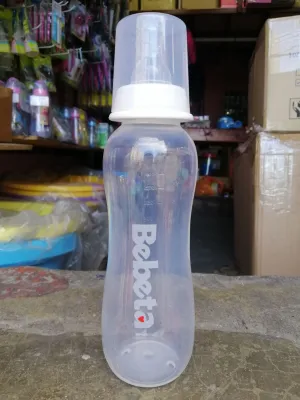
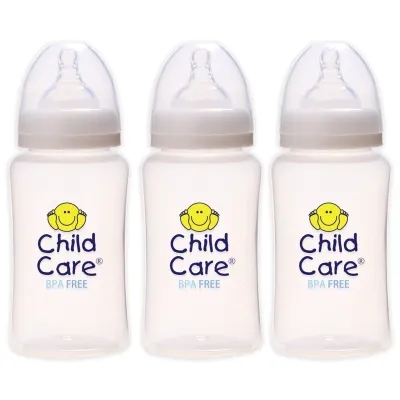
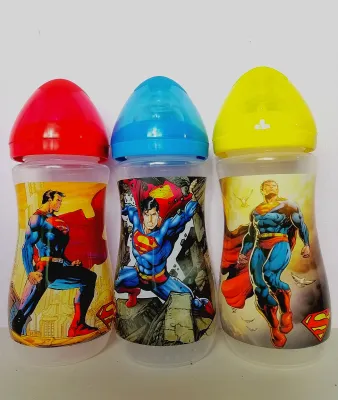
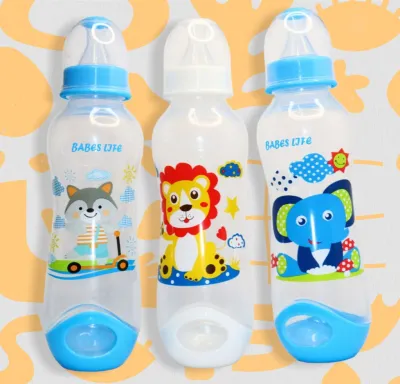
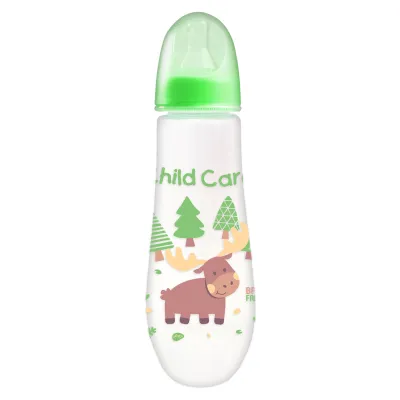
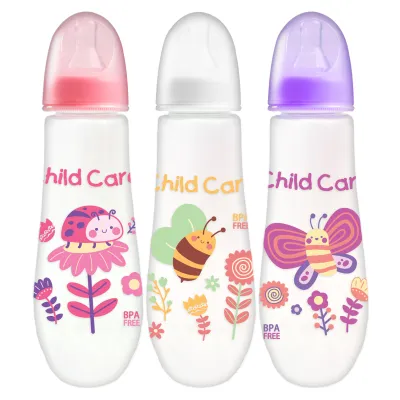
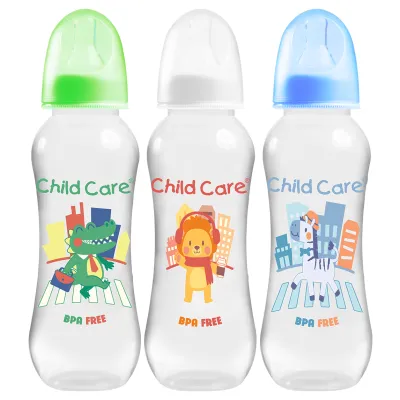
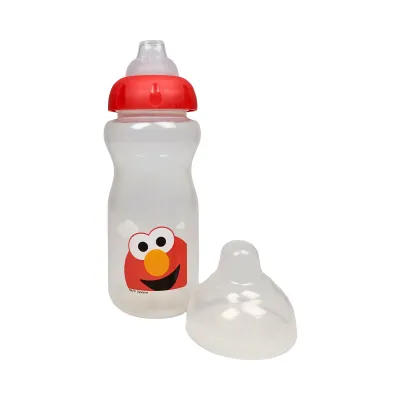
Prices are valid at publication and may change. Please refer to the product page for the latest price.
Cleaning and sterilization routines are highly influenced by environmental factors, particularly in warm, humid tropical climates where moisture can linger. Milk fat residues cling differently to various surfaces, and inadequate drying can quickly lead to bacterial or mold growth. Understanding how each material responds to high-heat steam, boiling water, or UV sterilization ensures you can maintain a hygienic feeding environment without prematurely degrading the bottle.
Finally, checking manufacturer safety labels is essential before making a purchase. Parents should look for clear indications of material composition, temperature tolerances, and age-appropriate design features on the packaging. Verifying these specifications ensures the bottle aligns with your sterilization equipment and meets standard safety guidelines for food-contact materials.
Glass Bottles: Durability and Cleaning
Glass has long been valued in baby bottle construction due to its exceptional hygiene and resistance to wear. Unlike other materials, high-quality glass does not scratch easily during washing, which prevents the formation of microscopic crevices where bacteria and milk fats can hide. It is also completely non-porous, meaning it will not absorb strong odors, discolor from juices, or leach chemical compounds into your toddler’s milk over time.

For parents who rely on frequent, high-temperature sterilization, glass is highly resilient. It can withstand repeated exposure to boiling water, electric steam sterilizers, and UV sanitizers without warping, clouding, or losing its structural integrity. This thermal stability makes it an excellent long-term investment that can theoretically last through multiple children, provided it remains free of physical damage.
However, the primary drawback of a 12oz glass bottle is its substantial weight and fragility. When fully loaded with liquid, a glass bottle can be quite heavy and difficult for a toddler to maneuver independently, increasing the likelihood of accidental drops. If dropped onto hard kitchen tiles or outdoor pavement, glass can shatter into dangerous shards, posing an immediate safety risk to everyone in the vicinity.
To mitigate these risks, glass bottles are best suited for parent-led feeding sessions where an adult maintains control of the bottle. If you prefer to let your toddler hold it, using a thick, shock-absorbing silicone sleeve is highly recommended to improve grip and cushion impacts. Regardless of protection, parents must inspect glass bottles daily and immediately discard them if any chips, hairline cracks, or micro-fractures are detected.
Plastic Bottles: Weight and Safety Checks
Plastic remains a highly popular choice for 12oz feeding bottles primarily due to its lightweight nature and shatterproof durability. A plastic bottle is exceptionally easy for a toddler to grasp, lift, and carry around, promoting independent feeding skills without the risk of heavy impacts or broken pieces. Even when dropped repeatedly from high chairs or thrown across the room, plastic bottles absorb the shock without breaking.
Despite their convenience, plastic bottles have distinct material limitations that require careful monitoring. Plastic is a relatively soft material that easily develops micro-scratches on the inner walls from bottle brushes or abrasive cleaning pads. These tiny scratches can trap milk proteins, fats, and bacteria, making thorough cleaning increasingly difficult over time and sometimes leading to persistent sour odors.
When selecting a plastic bottle, parents must carefully verify the safety labels on the packaging to ensure the material is free from harmful chemicals. Look for explicit BPA-free and BPS-free certifications, and check the manufacturer’s guidelines regarding maximum temperature limits. Some plastics degrade or release microplastics when exposed to extreme heat, so it is crucial to follow specific sterilization instructions.
Maintaining plastic bottles involves regular visual inspections to determine when they need to be replaced. Over time, exposure to heat, washing, and UV light will cause plastic to become cloudy, discolored, or brittle. If you notice deep scratches, persistent cloudiness, or a sticky texture on the plastic, it is time to discard the bottle and replace it with a fresh one to ensure continued safety.
Silicone Bottles: Grip and Maintenance
Silicone has emerged as a modern alternative that bridges the gap between the durability of plastic and the chemical stability of glass. Food-grade silicone is naturally soft, flexible, and tactile, providing a comfortable, skin-like texture that is exceptionally easy for small toddler hands to grip securely. It is completely shatterproof and lightweight, making it highly suitable for active toddlers who feed on the go.
The unique physical properties of silicone also mean it can withstand high-temperature sterilization, including boiling and steam, without degrading or releasing harmful substances. However, because silicone is a flexible material, a fully filled 12oz silicone bottle may lack structural stability. When placed on a flat surface, the bottle can sometimes tip over or squeeze unexpectedly when gripped too tightly by an enthusiastic toddler, leading to accidental spills.
Another notable characteristic of silicone is its tendency to absorb odors and oils from dish soaps, milk fats, and surrounding foods. If not washed promptly and thoroughly, a silicone bottle can develop a stubborn soapy or stale smell that might cause a toddler to reject their milk. Using mild, fragrance-free detergents and avoiding prolonged soaking can help minimize this issue.
Proper maintenance of silicone bottles requires diligent drying practices, especially in humid environments where moisture evaporates slowly. After washing and sterilizing, ensure the bottle is placed in a well-ventilated drying rack with plenty of airflow to prevent moisture from pooling in the crevices. Complete air-drying is essential to prevent the development of mold or mildew inside the flexible body.
Quick Comparison Matrix
To help you quickly evaluate your options, the table below summarizes how glass, plastic, and silicone compare across key performance areas. Use these general characteristics to match a bottle material to your toddler’s developmental stage and your household’s daily routine.
| Material | Relative Weight (Full) | Drop Resistance | Odor Retention | Sterilization Flexibility | Expected Lifespan | Price Range (₱) | Best For |
|---|---|---|---|---|---|---|---|
| Glass | Heavy | Low (Fragile) | Very Low | High (Steam/Boil/UV) | Long (if undamaged) | ₱₱ – ₱₱₱ | Parent-led feeding, maximum hygiene |
| Plastic | Very Light | High (Shatterproof) | Moderate to High | Moderate (Check limits) | Short (3-6 months) | ₱ – ₱₱ | Independent toddlers, travel convenience |
| Silicone | Light | High (Shatterproof) | High (Absorbs soap/milk) | High (Steam/Boil) | Medium (6-12 months) | ₱₱ – ₱₱₱ | Easy grip, plastic-free durability |
Please note that the price ranges indicated above are general placeholders to help you compare relative costs. Actual retail prices fluctuate based on the brand, retailer, and any included accessories, so you should always verify current pricing directly with local sellers or online marketplaces.
Decision Framework: Which Material Fits Your Toddler?
To finalize your decision, consider your daily routine and your toddler’s feeding habits. Choose glass if you prioritize scratch-free hygiene, primarily handle the bottle yourself during feeding times, and do not mind the extra weight or the precaution of using a protective silicone sleeve. This option is ideal for families focused on long-term material purity and chemical-free durability.
Choose plastic if your toddler insists on holding their own 12oz bottle, you frequently travel or feed on the go, and you prefer a lightweight, budget-friendly option. If you select plastic, you must commit to regular inspections and replace the bottles at the first sign of wear, cloudiness, or scratching to maintain a hygienic feeding setup.
Choose silicone if you want a completely shatterproof, soft-grip alternative to plastic that is easy for your toddler to hold independently. This choice requires a commitment to thorough, fragrance-free cleaning and diligent air-drying to manage potential odor absorption and prevent moisture buildup in humid climates.
Before purchasing any specific brand or model, always cross-check the manufacturer’s official guidelines. Verify the recommended age and weight limits, check the sterilization compatibility with your existing home equipment, and ensure all components, including nipples and collars, are designed to work together safely.
Frequently Asked Questions (FAQ)
Can my toddler hold a full 12oz glass bottle safely?
A full 12oz glass bottle can weigh over 500 grams when filled with liquid, which can be quite heavy and awkward for a toddler’s developing motor skills. Before committing to glass, you can test your child’s grip strength and coordination by letting them hold a similarly weighted, unbreakable household object. If they struggle to lift it or drop it frequently, it is safer to opt for a lighter material or ensure you always use a textured, shock-absorbing silicone sleeve to improve friction and protect against breakage.
How do I know when it is time to throw away a plastic or silicone bottle?
You should inspect your toddler’s bottles regularly for clear signs of material degradation. For plastic bottles, look for persistent cloudiness, deep scratches on the inner walls, discoloration, or a sticky texture, all of which indicate the plastic is breaking down and harboring bacteria. For silicone bottles, check for persistent sour odors that do not wash out, structural warping, or any signs of mold growth in the crevices. Always follow the manufacturer’s recommended replacement timeline as your primary safety baseline.

Community discussion
Share your experience or ask a question. Comments are reviewed before publication.