
Quick Answer: Which Baby Bottle Material Is Right for You?
Selecting the right baby bottle is one of the most practical decisions you will make as a parent. With glass, plastic, and silicone options filling store shelves, finding the perfect match depends heavily on your daily routine, your baby’s developmental stage, and your personal feeding goals. There is no single “best” material for every family, as each option serves a distinct purpose in a baby’s feeding journey.
For instance, glass bottles offer exceptional material purity and are ideal for home use where a caregiver handles the feeding. Plastic bottles provide a lightweight, shatterproof, and budget-friendly alternative that works well for travel, daycare, or older infants learning to hold their own bottle. Silicone bottles bridge the gap, offering a soft, squeezable texture that closely mimics breastfeeding while remaining highly durable and drop-resistant.
Before buying any feeding system, the mandatory first step is to verify the manufacturer’s age recommendations, weight limits, and safety labels on the packaging. Your baby’s safety and comfort depend on a bottle that matches their current developmental stage.
Products mentioned in this guide
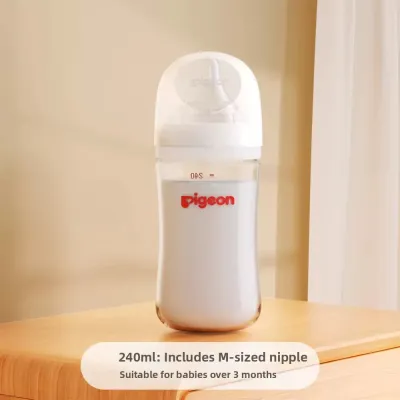
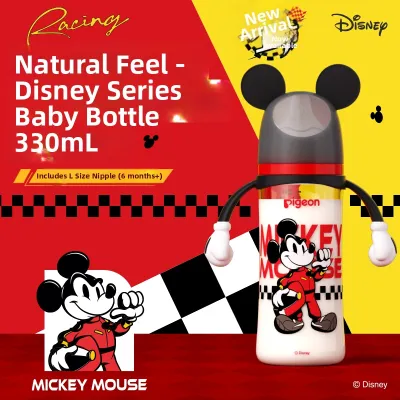
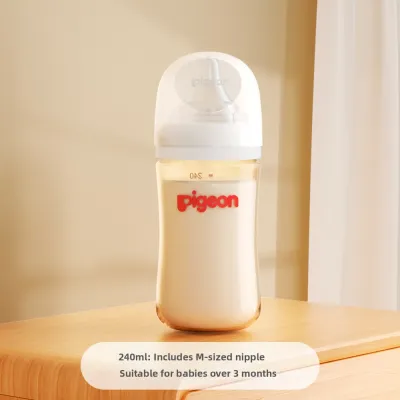
Prices are valid at publication and may change. Please refer to the product page for the latest price.
Core Decision Factors for Baby Bottle Materials
To make an informed choice, caregivers should evaluate baby bottles across four primary performance axes: safety, durability, practicality, and cost. Understanding how these factors play out in your daily life will help you narrow down the options.

Safety remains the foremost concern for any parent. This involves evaluating chemical leaching risks, material porosity, and compliance with international safety standards. In warm, tropical climates like the Philippines, high humidity can accelerate the growth of mold and bacteria in hard-to-clean areas, making a material’s resistance to odors and residues a key safety consideration.
Durability dictates how well a bottle stands up to daily wear, frequent drops, and rigorous sterilization. A bottle that cracks or scratches easily not only represents a safety hazard but also increases your long-term replacement costs.
Practicality covers daily usability, including the bottle’s weight, how well it retains heat, how easily it can be cleaned, and its compatibility with common sterilization equipment. Busy parents need a system that integrates smoothly into their existing kitchen setup.
Cost involves both the initial purchase price and the long-term expense of replacing worn-out parts. While some materials require a higher upfront investment, their extended lifespan can make them more economical over time.
Remember that material names alone do not guarantee safety or quality. Always inspect the product’s packaging to verify BPA/BPS-free certifications, age suitability, and specific heating or sterilization limits.
Glass Baby Bottles: Safety, Durability, and Daily Use
Glass baby bottles have been a trusted choice for generations, primarily valued for their chemical purity and long-term hygiene. Because glass is a completely non-porous material, it does not absorb milk fats, food colors, or stubborn odors. This makes glass exceptionally easy to clean and sanitize, ensuring that your baby’s milk always tastes fresh and remains free from external contaminants.
Another significant advantage of glass is its high thermal resistance. Glass bottles can withstand extreme temperature changes, allowing you to transition them from the refrigerator to a warm water bath without risk of warping. They are highly compatible with all standard sterilization methods, including steam, boiling water, and UV sterilizers. Because glass does not degrade under high heat, these bottles can last through multiple children, provided they remain free of chips or cracks.
However, glass bottles carry two main drawbacks: weight and fragility. Glass is significantly heavier than plastic or silicone, which means younger infants cannot hold the bottle independently. Feeding remains a fully caregiver-assisted task for a longer period. Furthermore, glass can shatter if dropped on hard surfaces. In many homes with tiled or concrete floors, a single accidental drop can result in dangerous shards, requiring immediate and careful cleanup.
Glass bottles also represent a higher upfront financial investment. Prices in local baby specialty stores and online marketplaces typically range from ₱500 to ₱900 or more per bottle. This initial cost can add up quickly when building a complete feeding set.
To mitigate the risk of breakage, many parents use protective silicone sleeves. These sleeves improve grip, absorb minor shocks from short drops, and insulate the bottle to keep milk warm. If you choose glass, always verify whether the protective sleeve is included in the package or must be purchased separately. Glass is best suited for newborn feeding at home, where a parent or caregiver maintains full control of the bottle at all times.
Plastic Baby Bottles: Convenience, Wear, and Safety Checks
Plastic baby bottles are widely popular due to their lightweight design, shatterproof durability, and sheer convenience. For active families, travel, or daycare drop-offs, plastic is often the most practical choice. If a baby drops a plastic bottle onto a hard floor, there is no risk of shattering, making it a highly safe option for older infants who are beginning to develop their self-feeding skills.
In terms of affordability, plastic bottles are highly accessible. They generally cost between ₱150 and ₱350 per bottle, making them an excellent choice for budget-conscious households or families who need to maintain multiple bottle sets across different locations. They are also widely compatible with standard breast pumps, allowing for direct expression and storage.
Despite these benefits, plastic bottles require closer monitoring and more frequent replacement than glass or silicone. Plastic is a softer material that scratches easily during cleaning. These microscopic scratches can harbor milk proteins, soap residue, and bacteria, which can be difficult to eliminate even with thorough washing. Over time, plastic bottles may become cloudy, discolored, or retain stubborn odors.
Furthermore, plastic is more susceptible to heat degradation. Subjecting plastic bottles to high-temperature sterilization or boiling water can accelerate wear, causing the material to warp or weaken. Caregivers must strictly avoid microwaving plastic bottles, as uneven heating can create dangerous hot spots in the milk and potentially damage the plastic structure.
When choosing plastic, it is crucial to perform rigorous safety checks. Ensure the packaging explicitly states that the bottle is BPA-free and BPS-free. Inspect the bottles daily under good lighting. If you notice any deep scratches, persistent cloudiness, warping, or a sticky texture, discard the bottle immediately. Because of this natural wear, plan to replace plastic bottles every few months as recommended by the manufacturer to maintain optimal hygiene.
Silicone Baby Bottles: Flexibility, Heat Resistance, and Care
Silicone baby bottles represent a modern innovation in infant feeding, combining the safety benefits of glass with the lightweight convenience of plastic. Made from food-grade silicone, these bottles are soft, flexible, and have a unique tactile quality. The squeezable texture is designed to mimic the natural feel of a mother’s breast, making silicone an excellent option for babies who struggle to transition from breastfeeding to bottle-feeding.
Silicone is naturally shatterproof and highly durable. It can withstand accidental drops from high chairs or tables without cracking, chipping, or breaking. Like glass, high-quality silicone is non-porous and boasts excellent heat resistance. It can easily tolerate high-temperature steam sterilization, boiling water, and dishwasher cycles without warping or releasing harmful chemicals.
However, silicone bottles have unique care requirements that parents must consider. Because the material is soft and pliable, the bottle walls can flex during cleaning, sometimes making it more challenging to scrub the interior corners thoroughly with a standard rigid bottle brush. Parents may need to purchase specialized silicone brushes or flexible cleaning tools designed specifically for these bottles.
Additionally, silicone has a tendency to absorb oils and strong scents. If left unwashed for too long, or if washed with highly fragranced dish soaps, the bottle can retain a soapy or stale milk smell. To prevent this, rinse silicone bottles immediately after feeding and use mild, fragrance-free baby bottle cleansers.
Silicone bottles are also a premium option, with prices typically ranging from ₱600 to ₱1,000 or more per bottle. Furthermore, caregivers must check the manufacturer’s care labels regarding UV sterilizer compatibility. Prolonged exposure to UV light can degrade or discolor certain silicone formulations faster than traditional steam or boiling methods. Silicone is ideal for parents seeking a long-lasting, non-plastic bottle that assists with mixed feeding routines.
Side-by-Side Comparison: Glass vs. Plastic vs. Silicone
To help you quickly weigh your options, the table below summarizes the key attributes of glass, plastic, and silicone baby bottles. This side-by-side comparison highlights how each material performs across daily parenting scenarios.
| Feature | Glass Bottles | Plastic Bottles | Silicone Bottles |
|---|---|---|---|
| Weight | Heavy; requires caregiver support | Very lightweight; easy for baby to hold | Lightweight to moderate; easy to grip |
| Drop Resistance | Low; shatter risk on hard floors | High; shatterproof and highly durable | High; shatterproof and flexible |
| Heat Tolerance | Extremely high; does not warp | Moderate; can degrade or warp over time | High; tolerates high sterilization heat |
| Odor & Stain Retention | Very low; remains clear and fresh | Moderate to high; scratches harbor odors | Moderate; can absorb strong soap scents |
| Typical Lifespan | Long; replace only if chipped or cracked | Short; replace every 3–6 months or if scratched | Long; replace if discolored, sticky, or torn |
| Relative Cost | Premium (₱500 to ₱900+ per bottle) | Budget-friendly (₱150 to ₱350 per bottle) | Premium (₱600 to ₱1,000+ per bottle) |
Note on Individual Variations: While this table provides a general overview, specific heat limits, sterilizer compatibility (especially regarding UV vs. steam methods), and exact lifespans vary significantly by brand. Always verify these details on the individual product’s packaging before purchase and use. Never assume all bottles of a certain material share identical temperature thresholds or care instructions.
The Decision Framework: Choose Based on Your Routine
Selecting the right bottle material is less about finding a universal winner and more about matching a bottle to your family’s specific lifestyle, budget, and feeding environment. Use this practical framework to guide your decision:
Choose Glass if:
- You primarily feed your baby at home where you can control the environment and avoid drops on hard floors.
- You prioritize a completely non-porous material that is easy to sterilize and does not retain odors or stains.
- You want a durable investment that can be reused for future siblings.
- You do not mind holding a heavier bottle during feeding sessions.
Choose Plastic if:
- You need a lightweight, shatterproof option for travel, stroller outings, or daycare bags.
- Your baby is reaching the developmental stage where they want to hold the bottle independently.
- You are managing a strict budget and prefer a lower upfront cost, even if it means replacing the bottles more frequently.
- You have a reliable system for inspecting and replacing bottles at the first sign of wear.
Choose Silicone if:
- You are practicing mixed feeding (breast and bottle) and want a material that mimics the soft feel of skin.
- You want a shatterproof, non-plastic alternative that offers high heat resistance and durability.
- Your baby enjoys holding and squeezing their bottle during feeds.
- You are willing to invest in premium-priced bottles and specialized cleaning brushes.
Verify First if:
- Your baby has specific feeding difficulties, reflux, or colic, as you may need specialized anti-colic valves that are only compatible with certain bottle brands.
- Your pediatrician or a certified lactation consultant has recommended a specific nipple shape or flow rate.
- Your daycare facility has strict safety policies, such as banning glass containers entirely.
Universal Safety and Maintenance Rules for Baby Bottles
Regardless of the bottle material you choose, maintaining strict hygiene and safety standards is vital to protect your baby’s health. Infants have developing immune systems, making them highly sensitive to foodborne bacteria and environmental contaminants.
Perform Routine Inspections Before every single feeding, inspect both the bottle body and the silicone nipple. Look closely for hairline cracks, chips in glass, deep scratches in plastic, or tears in the nipple. Squeeze and pull the nipple to check for stickiness, thinning, or warping. If you discover any signs of damage or wear, discard the affected part immediately to prevent choking hazards or bacterial contamination.
Follow Manufacturer Cleaning Guidelines Always wash all bottle components in warm, soapy water immediately after feeding to prevent milk residue from drying and hardening. Use a dedicated bottle brush that reaches all corners. When sterilizing, follow the manufacturer’s exact instructions. While boiling is generally safe for glass and high-grade silicone, it can warp or degrade certain plastics. In tropical climates with high humidity, ensure all washed parts dry completely on a clean rack in a well-ventilated area to prevent mold and mildew growth.
Match Nipple Flow to Developmental Stage Remember that the bottle body is only one component of the feeding system. The nipple flow rate must align with your baby’s age, weight, and developmental stage. A flow rate that is too fast can cause choking, sputtering, or excessive air intake, while a flow rate that is too slow can lead to fatigue and feeding frustration. Check the manufacturer’s packaging for flow indicators, but always observe your baby’s actual feeding behavior to judge suitability.
When to Stop and Consult a Professional If your baby shows persistent signs of feeding refusal, excessive gas, frequent spitting up, or obvious discomfort during or after feeds, stop using the current bottle setup. These symptoms may indicate that the bottle shape, nipple flow, or feeding angle is not suited to your baby’s needs. Consult your pediatrician, a pediatric dentist, or a certified lactation consultant for personalized guidance to ensure a safe and comfortable feeding routine.

Community discussion
Share your experience or ask a question. Comments are reviewed before publication.