
Quick Answer: Glass vs. Plastic vs. Silicone at a Glance
Choosing the right baby bottle material is a foundational decision for your feeding routine, as each option offers distinct trade-offs in safety, durability, and daily convenience. Glass bottles are highly valued for being chemically inert and resistant to scratches, though they are heavy and prone to breaking if dropped. Plastic bottles provide a lightweight, highly affordable, and shatterproof alternative, but they require careful heat management to prevent material degradation over time. Silicone bottles offer a flexible, soft texture that mimics natural feeding and resists breaking, though they tend to be more expensive and require specific cleaning methods to prevent odor retention.
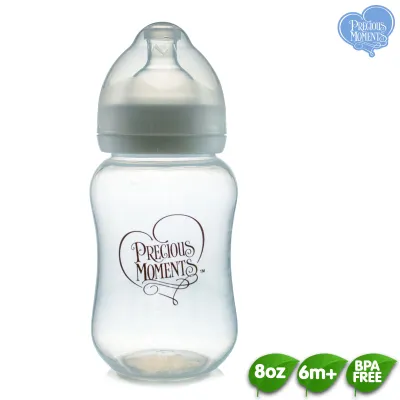
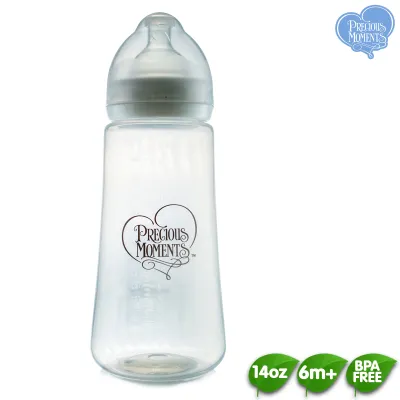
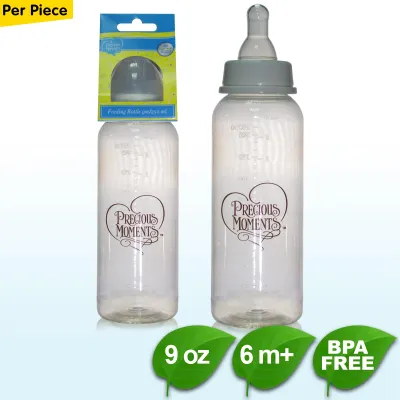
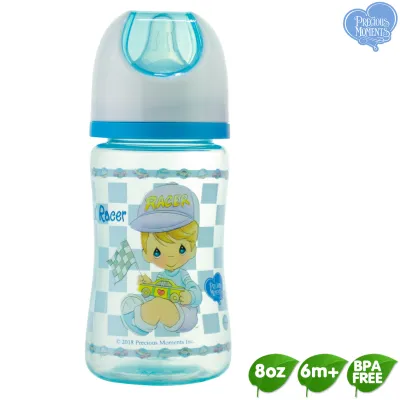
When considering specialty options, such as a “precious moments bottle,” always check the specific material composition and manufacturer guidelines on the packaging. Branded or decorative bottles may use different plastics or glass formulations that dictate how they must be cleaned. Ultimately, the most suitable material depends on your baby’s current developmental stage, your daily routine, and the specific sterilization equipment you have at home.
Safety and Material Standards: What to Verify Before Buying
When shopping for baby bottles, verifying safety certifications and material standards is crucial to protect your infant from chemical exposure. Do not rely solely on marketing claims on the front of the packaging; instead, turn the box over to inspect the detailed specifications. For plastic bottles, look for explicit labels indicating they are BPA-free, BPS-free, and phthalate-free. Bisphenol A (BPA) and its common substitute Bisphenol S (BPS) are chemical compounds used in some plastics that can mimic hormones, making it essential to verify their absence.
Products mentioned in this guide
![Precious Moments Feeding Bottle 9oz [BPA-Free]](https://img.lazcdn.com/g/p/e2ce47df7b7bcabe18f378665d02efa0.jpg_400x400q80.jpg_.webp)
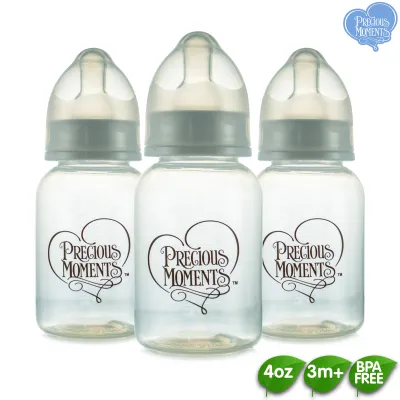
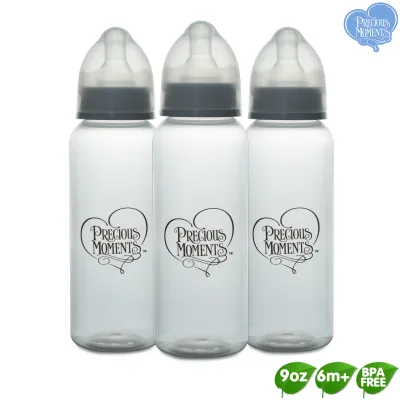
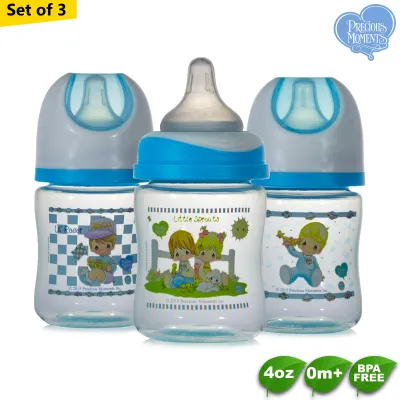
Prices are valid at publication and may change. Please refer to the product page for the latest price.

Different materials carry distinct safety profiles that require careful inspection. Glass is naturally inert, meaning it does not leach chemicals or react with milk, making it a highly stable choice. If you choose plastic, check the resin identification code, usually stamped inside a small triangle on the bottom of the bottle. Polypropylene (PP), polyethersulfone (PES), and polyphenylsulfone (PPSU) are common high-quality plastics used in modern bottles, with PPSU offering the highest heat resistance among them. For silicone bottles, ensure the manufacturer specifies the use of food-grade or medical-grade silicone, which is free from fillers and chemical additives.
Always look for recognized local or international safety standard marks on the packaging before making a purchase. In the Philippines, look for compliance marks or certifications from recognized health and product safety authorities. Additionally, before purchasing any bottle line, perform a quick online check for recent manufacturer recalls or safety warnings. This step ensures that the specific batch or design you are bringing into your home has not been flagged for structural defects or chemical non-compliance.
Durability and Weight: Matching the Bottle to Your Baby’s Stage
The physical characteristics of each bottle material play a significant role in how easily you and your baby can handle them at different developmental stages. Glass bottles are substantially heavier than plastic or silicone alternatives. During the newborn stage, when caregivers do all the holding, the weight of glass is manageable, but it becomes a challenge as babies grow. Older infants who are learning to hold their own bottles will find the lightweight nature of plastic and silicone much easier to manage, promoting self-feeding skills.
Breakage risks are another critical factor to weigh against your daily environment. Glass bottles can shatter or chip when dropped on hard surfaces, such as tile floors or outdoor pavements. To mitigate this risk, some manufacturers offer protective silicone sleeves, but these must be verified as compatible with your specific bottle model. Plastic and silicone bottles are virtually drop-resistant, making them highly practical for active households, travel, and daycare settings where accidental drops are frequent.
Over time, daily use and cleaning affect each material differently. Plastic is susceptible to surface scratches from bottle brushes, and these tiny crevices can harbor bacteria and milk residue over time. Silicone is highly durable and does not scratch easily, but it can absorb oils from breast milk or formula, leading to a cloudy appearance or persistent odors if not washed thoroughly. Glass remains clear and scratch-resistant throughout its lifespan, but its fragility remains a constant consideration.
To maintain feeding safety, establish a routine of inspecting your baby’s bottles weekly. Look for micro-cracks or chips in glass bottles, especially around the rim and threads. For plastic bottles, check for deep scratches, persistent cloudiness, or a sticky texture, which indicates the plastic is breaking down. For silicone, inspect the material for tears, swelling, or structural softening, and replace any damaged components immediately according to the manufacturer’s recommended timeline.
Cleaning and Sterilizer Compatibility: Maintaining Your Bottles
Proper hygiene is essential for your baby’s health, and understanding how different materials interact with heat and cleaning agents will prolong the life of your bottles. Glass bottles possess excellent heat tolerance, allowing them to withstand high-heat boiling, electric steam sterilizers, and UV sterilizers without warping or degrading. This makes glass exceptionally easy to sanitize thoroughly, as you do not have to worry about temperature thresholds during the sterilization cycle.
Plastic and silicone bottles require much closer attention to temperature limits. While high-grade plastics like PPSU can withstand high temperatures, standard polypropylene (PP) bottles may warp or degrade if subjected to excessive heat over prolonged periods. Silicone is generally highly heat-resistant, but the plastic collars and caps attached to silicone bottles often have lower temperature limits. Always verify the maximum temperature limits and approved sterilization methods (such as UV, steam, or boiling) printed in the product manual before exposing the bottles to heat.
In the warm and humid tropical climate of the Philippines, moisture management is critical to prevent the growth of mold and bacteria. After sterilization, bottles must be placed on a clean drying rack in a well-ventilated space to dry completely. Silicone bottles, in particular, can retain moisture and develop a musty odor if left damp in enclosed cupboards. If you encounter stubborn milk residue or odors in silicone bottles, use mild, manufacturer-approved dish soaps and warm water rather than harsh chemical detergents or abrasive scrubbers, which can damage the material.
If you ever find conflicting care instructions between your bottle’s manual and your sterilizer’s guidelines, stop using that combination immediately. For example, some UV sterilizers may accelerate the degradation of certain plastics or cause discoloration in silicone. In such cases, consult the bottle manufacturer directly to identify the safest sanitizing method, ensuring you do not inadvertently compromise the structural integrity of the feeding equipment.
Decision Framework: Which Material Fits Your Feeding Routine?
To finalize your choice, evaluate how each material aligns with your lifestyle, budget, and feeding environment. Use the following guidelines to determine which option fits your daily routine:
Choose Glass if:
- You prioritize chemical inertness and want a material that will never scratch or absorb odors.
- You primarily feed your baby at home, where the risk of dropping bottles on hard outdoor surfaces is minimal.
- You do not mind the heavier weight and are comfortable holding the bottle for your baby during feeds.
- You want a durable option that can be sterilized repeatedly at high temperatures without degrading.
Choose Plastic if:
- You need a lightweight, highly portable option for travel, daycare, or outdoor errands.
- You are on a budget and want an affordable, lightweight solution for daily use.
- Your baby is transitioning to self-feeding and needs a bottle that is easy to grip and hold independently.
- You are willing to monitor the bottles closely for scratches and replace them regularly to maintain hygiene.
Choose Silicone if:
- You want a soft, flexible bottle that mimics the feel of natural feeding and is easy for tiny hands to squeeze.
- You desire the drop-resistant durability of plastic but prefer a material that is less prone to scratching.
- You are prepared to follow specific cleaning routines to prevent the material from retaining milk odors and oils.
- You are willing to invest a bit more upfront for a durable, long-lasting alternative to glass.
Verify First if:
- You are purchasing a specialty item like a "precious moments bottle." Ensure you identify whether the specific model is made of glass, standard plastic, or high-grade silicone, and verify that its material composition is fully compatible with your existing sterilizer and your baby's current developmental stage.
Frequently Asked Questions (FAQ)
Can I mix different bottle materials for my baby?
Yes, mixing different bottle materials is generally safe and highly practical for many families. For example, you might prefer using glass bottles at home for overnight feeds and lightweight plastic or silicone bottles when traveling or sending your baby to daycare. The key is to ensure that each bottle is cleaned, sterilized, and maintained according to its specific manufacturer instructions. Additionally, always verify that the nipples, collars, and caps fit securely and are compatible across your bottles to prevent leaks during feeding.
How often should I replace plastic and silicone baby bottles?
You should replace plastic and silicone bottles based on visible wear and tear rather than a strict calendar rule, though manufacturers often recommend replacing plastic bottles every four to six months. Inspect plastic bottles regularly for cloudiness, deep scratches, structural warping, or a sticky surface texture. For silicone bottles, look for tears, swelling, discoloration, or persistent odors that do not wash away. Always prioritize the specific replacement timeline and guidelines provided by the bottle’s manufacturer to ensure optimal hygiene.
Are silicone sleeves necessary for glass baby bottles?
Silicone sleeves are not strictly mandatory, but they are highly recommended for protecting glass baby bottles from damage. A sleeve provides essential shock absorption against minor drops and bumps, reducing the risk of shattering. It also offers a non-slip grip for both caregivers and older babies. If you use a sleeve, ensure it is designed specifically for your bottle model to prevent it from slipping off, and remove it periodically during washing to prevent moisture from trapping underneath, which can lead to mold growth.

Community discussion
Share your experience or ask a question. Comments are reviewed before publication.