
Choosing the right bottle material for newborn bottle feeding is one of the first major decisions new parents face. There is no single material that excels in every category; instead, the ideal choice depends on how you balance chemical purity, durability, weight, and daily convenience. Glass offers unmatched chemical inertness and longevity but is heavy and fragile. Plastic provides lightweight convenience and affordability but requires frequent replacement due to wear. Silicone serves as a modern, shatterproof alternative with a soft texture, though it comes at a higher price point and can absorb odors. By understanding the distinct characteristics of each material, you can select the option that best fits your family’s lifestyle and feeding routine.
Key Factors to Consider for Newborn Bottle Feeding
When preparing for newborn bottle feeding, several practical factors should guide your choice of material. Safety verification is the primary concern for any caregiver. Because newborns have developing immune and metabolic systems, ensuring that feeding vessels are free from harmful chemicals is essential. Caregivers must carefully inspect packaging for verified BPA-free, BPS-free, and phthalate-free labels before purchasing any bottle.
Durability and drop resistance represent another critical consideration. In a busy household, bottles are frequently dropped on hard floors, knocked off counters, or tossed into diaper bags. A material that shatters easily requires constant vigilance, whereas a shatterproof material offers peace of mind during late-night, sleep-deprived feeding sessions.
Products mentioned in this guide
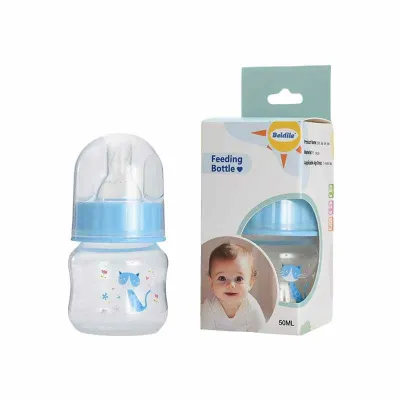
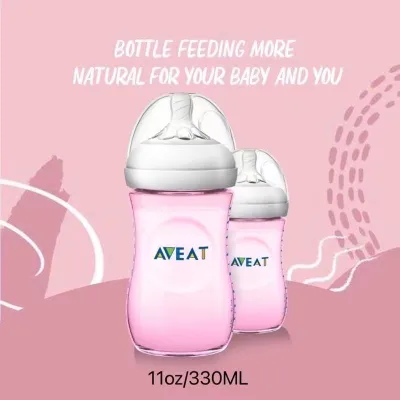
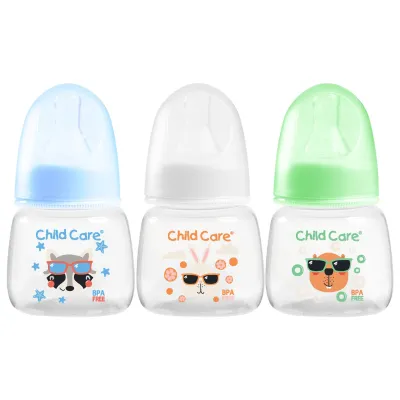
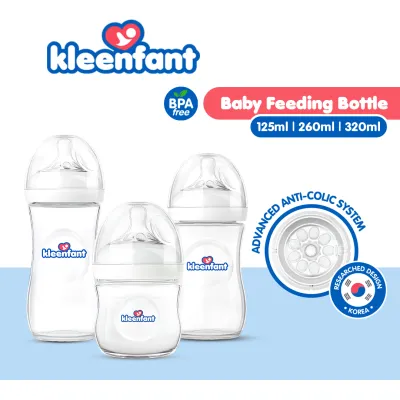
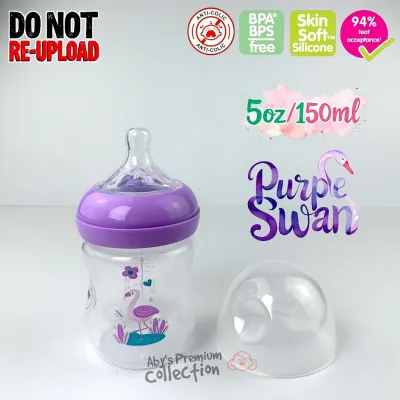
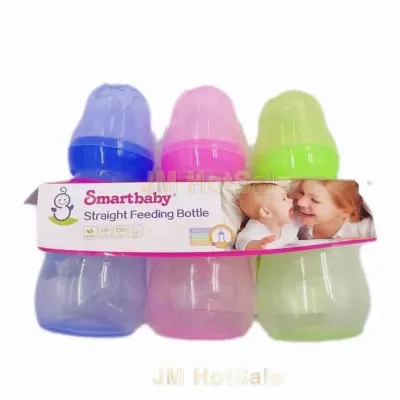
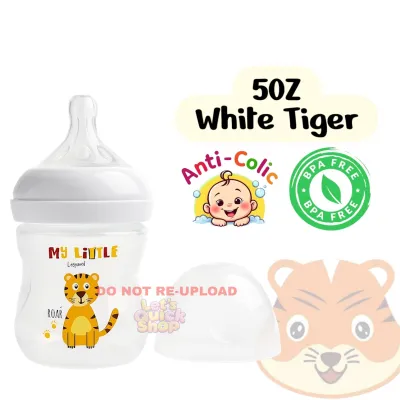
Prices are valid at publication and may change. Please refer to the product page for the latest price.
The physical weight of the bottle affects daily comfort. Newborns feed frequently, often taking up to thirty minutes per session. Holding a heavy bottle at a precise angle multiple times a day can cause noticeable wrist fatigue for parents and caregivers. Lightweight materials reduce this physical strain, making long feeding sessions more comfortable.
Cleaning and sterilization requirements are especially vital in warm, humid environments like the Philippines. High humidity can encourage bacterial growth on poorly dried surfaces, making thorough sterilization a daily necessity. Different materials react uniquely to high heat, steam, UV sterilizers, and abrasive bottle brushes. Choosing a material that fits your preferred sterilization method without degrading is key to maintaining hygiene.
Glass Baby Bottles: Pros, Cons, and Safety Checks
Glass baby bottles have been a trusted standard for generations due to their exceptional purity. The primary advantage of glass is its chemical inertness. Unlike synthetic materials, high-quality glass does not leach chemicals into milk, even when subjected to extreme sterilization temperatures. Glass is also highly resistant to scratching, meaning its smooth inner surface will not develop microscopic crevices where bacteria or milk fats can hide. Furthermore, glass does not retain stubborn odors or discolor over time, ensuring a clean feeding vessel for every use.

However, the weight and fragility of glass remain significant drawbacks. Glass bottles are noticeably heavier than plastic or silicone alternatives, which can tire a caregiver’s hand during extended feeds. The risk of breakage is a constant concern. A dropped glass bottle can shatter into dangerous shards, creating an immediate hazard in the nursery or kitchen.
Because of these characteristics, glass bottles are best suited for supervised home feeding. They are ideal when feeds occur in a controlled environment, such as a comfortable nursing chair over a soft rug, where the risk of dropping the bottle onto hard tile is minimized.
Before using glass bottles, perform essential safety checks. Inspect the bottle thoroughly before every feed for hairline cracks, chips, or internal scratches. Many manufacturers offer protective silicone sleeves that slip over the glass to absorb impact and improve grip; verifying the availability and fit of these sleeves is highly recommended to enhance safety.
Plastic Baby Bottles: Pros, Cons, and Safety Checks
Plastic baby bottles are widely popular due to their lightweight design and shatterproof nature. They are exceptionally easy to handle, making them convenient for travel, outdoor excursions, and quick feeds on the go. If a plastic bottle slips from your hand onto a hard floor, it will not break, eliminating the risk of sharp debris. Additionally, plastic bottles are generally the most budget-friendly option, allowing parents to purchase a larger inventory of bottles to ease the daily washing rotation.
Despite their convenience, plastic bottles have distinct disadvantages. They are highly susceptible to micro-scratches from stiff bottle brushes. These tiny scratches can harbor bacteria and milk residue, making thorough cleaning more difficult over time. Plastic is also prone to absorbing odors and discoloring, especially when exposed to breast milk fats or infant formula.
When selecting plastic bottles, safety checks must be rigorous. Always confirm that the packaging explicitly states the bottle is BPA-free and BPS-free. Caregivers must strictly follow the manufacturer’s instructions regarding maximum sterilization temperatures. Exceeding these temperature limits during boiling or steam sterilization can accelerate material degradation and potentially lead to the shedding of microplastics.
Knowing when to replace plastic bottles is crucial for maintaining hygiene. Parents should establish clear replacement triggers. If a plastic bottle becomes cloudy, shows deep internal scratches, retains a sour odor after washing, or feels sticky to the touch, it has reached the end of its usable life and must be discarded immediately.
Silicone Baby Bottles: Pros, Cons, and Safety Checks
Silicone baby bottles represent a modern innovation in newborn bottle feeding, combining the benefits of both glass and plastic. Silicone is lightweight and completely shatterproof, offering excellent durability for active households. Its standout feature is its soft, flexible, skin-like texture. This tactile quality mimics the natural feel of breastfeeding, which can help some newborns transition more smoothly between breast and bottle.
The primary disadvantage of silicone is its higher price point compared to plastic and standard glass. Additionally, silicone is a semi-porous material. This means it has a tendency to absorb strong odors from dish soaps, sanitizers, or surrounding foods if washed in a shared sink. It can also attract dust and lint more easily than smooth glass or hard plastic.
To ensure safety, always verify that the silicone bottles are certified as food-grade or medical-grade. These certifications ensure the material is free from harmful additives and can safely withstand the high temperatures required for sterilization.
Maintenance of silicone bottles requires specific care. Check the manufacturer’s guidelines for removing stubborn odors, which often involve boiling the bottle parts in clean water with a pinch of baking soda. When cleaning, avoid using harsh chemical detergents that can leave a soapy taste or scent on the flexible walls. If using a dishwasher, ensure the silicone components are placed securely on the top rack away from heating elements.
Comparing Glass, Plastic, and Silicone Bottles
To help you weigh your options, it is helpful to compare these three materials side-by-side across key practical dimensions. Each material demands a different level of care, carries a distinct price point, and has a unique expected lifespan.
| Material | Weight | Drop Resistance | Lifespan | Cleaning Difficulty | Relative Price |
|---|---|---|---|---|---|
| Glass | Heavy | Low (Fragile) | Long (Until chipped) | Easy (Scratch-resistant) | ₱₱ |
| Plastic | Very Light | High (Shatterproof) | Short (3-6 months) | Moderate (Prone to scratches) | ₱ |
| Silicone | Light | High (Shatterproof) | Medium to Long | Easy (Flexible but absorbs odors) | ₱₱₱ |
Sterilization compatibility also varies by material. Glass can withstand virtually all sterilization methods, including boiling, steam, and UV light, without any risk of degradation. Plastic requires careful temperature monitoring, as excessive heat can warp the material or release unwanted compounds; some plastics are also sensitive to UV sterilization, which can cause yellowing. Silicone is highly heat-resistant and compatible with boiling and steam, but caregivers should check if their specific brand allows UV sterilization, as some silicone formulations can degrade under prolonged UV exposure.
How to Decide: A Practical Checklist for Parents
Choosing the right bottle material does not have to be overwhelming. By matching your household routine and preferences to the characteristics of each material, you can make a confident decision.
Choose glass if:
- You prioritize absolute chemical inertness and want a material that will not scratch or retain odors.
- You primarily feed your newborn at home in a controlled, comfortable environment.
- You want a durable option that can be sterilized repeatedly at high temperatures and potentially reused for future siblings.
Choose plastic if:
- You need a lightweight, highly portable option for travel, daycare, or outdoor trips.
- You are working within a tight budget and want to purchase multiple bottles at an affordable price.
- You are committed to monitoring the bottles closely and replacing them at the first sign of wear or cloudiness.
Choose silicone if:
- You want a soft, squeezable bottle that mimics the natural feel of breastfeeding to assist with transitions.
- You desire a completely shatterproof, lightweight bottle but want to avoid traditional plastics.
- You are willing to invest in a premium price tier and take extra care during washing to prevent odor absorption.
Verify first if:
- You plan to mix different bottle brands or materials. Always check that the bottle neck size (wide-neck versus narrow-neck) is compatible with your preferred newborn nipple flow rates. Nipples, collars, and caps are rarely universally interchangeable across different brands, so ensuring compatibility beforehand will prevent leaks and feeding frustrations.
Frequently Asked Questions (FAQ)
Can I mix different bottle materials for my newborn?
Yes, mixing bottle materials is a common and practical approach for many families. For example, you might prefer to use glass bottles at home where you can handle them carefully, while keeping lightweight plastic or silicone bottles in your diaper bag for travel, doctor visits, or outdoor feedings. If you choose to mix materials, always verify the cross-compatibility of the nipples, collars, and caps. Mismatched parts from different brands or material lines can cause improper seals, leading to frustrating leaks or poor air venting that may increase your baby’s gas.
How often should I replace my baby's bottles?
The replacement frequency depends entirely on the material and its physical condition. Plastic bottles require the most frequent replacement, typically every three to six months, or immediately if you notice cloudiness, deep scratches, or persistent odors. Silicone bottles generally last longer but should be replaced if the material becomes sticky, torn, or permanently discolored. Glass bottles do not need to be replaced on a set schedule and can last indefinitely, provided you inspect them regularly and find no chips, cracks, or structural damage. Always replace the bottle nipples more frequently—usually every two to three months—as they wear out faster than the bottle bodies.

Community discussion
Share your experience or ask a question. Comments are reviewed before publication.