
Selecting the right baby bottle material is a highly personal decision that directly impacts your daily feeding routine, especially when navigating the warm, humid climate of the Philippines. With high humidity levels that can encourage bacterial growth on damp surfaces, choosing a material that fits your cleaning habits, sterilization setup, and lifestyle is essential. There is no single universal option for every family; instead, glass, plastic, and silicone each offer distinct advantages and trade-offs. By evaluating how these materials perform under daily sterilization, travel, and independent feeding, you can select the safest and most practical bottle for your baby’s specific needs.
Comparing Glass, Plastic, and Silicone: The Core Differences
To make an informed decision, it helps to understand what each material brings to your nursery. Glass is a traditional, highly durable option made from natural materials, known for its excellent resistance to scratches and odors. Plastic bottles are typically manufactured from lightweight polymers such as polypropylene (PP), polyphenylene sulfone (PPSU), or polyethersulfone (PES), which offer varying degrees of heat resistance and durability. Silicone is a modern, rubber-like material that is flexible, soft to the touch, and highly resistant to impact.
Several key factors drive the choice between these materials, including overall weight, breakability, heat resistance limits, and ease of cleaning. In tropical environments where thorough drying and sterilization are critical to prevent mold, how a material handles frequent high-heat exposure is a major consideration. Some materials tolerate steam sterilizers and boiling water better than others, while some are more prone to retaining moisture or odors if not dried properly.
Products mentioned in this guide
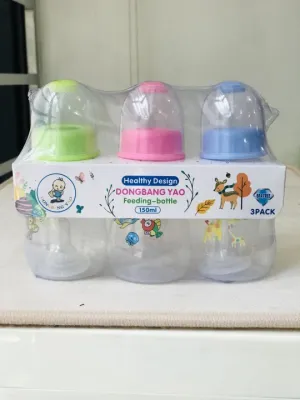
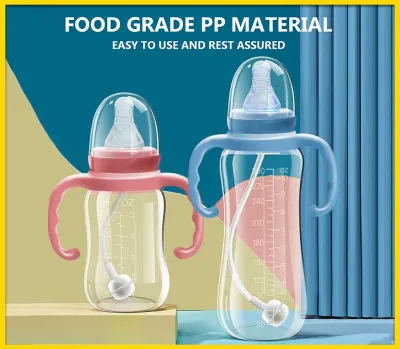
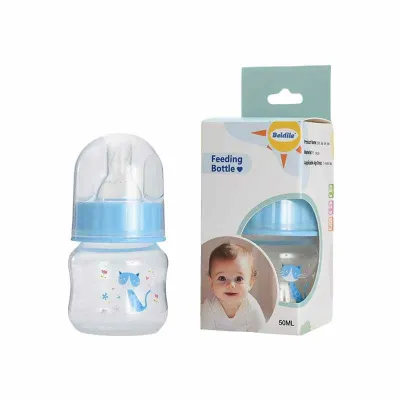
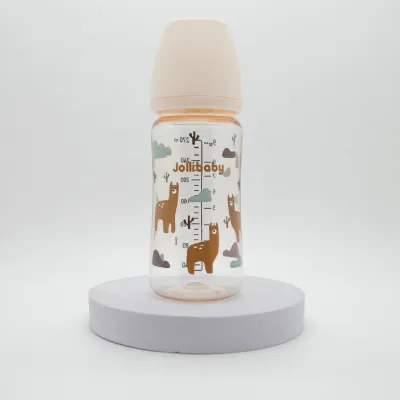
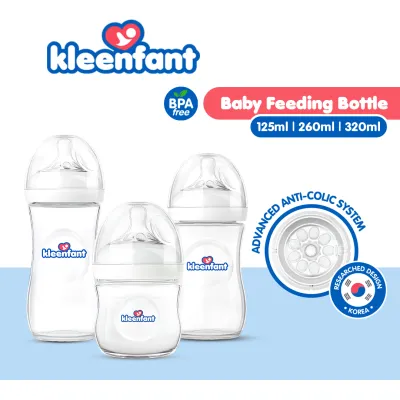
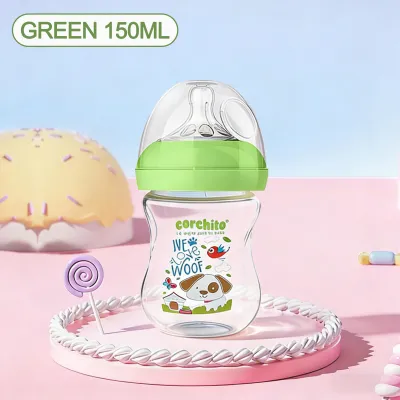
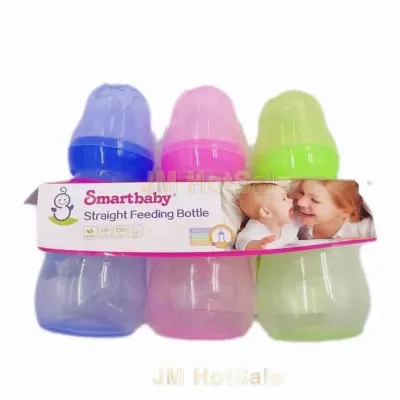
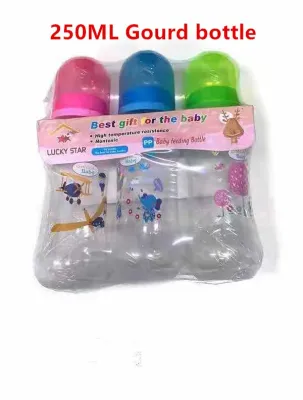
Prices are valid at publication and may change. Please refer to the product page for the latest price.
Before purchasing any bottle, parents must verify the manufacturer’s age recommendations, weight guidelines, and specific usage instructions on the product packaging. Babies develop motor skills at different rates, and a bottle that is safe for an adult to hold during the newborn stage may not be suitable when your baby begins to grasp objects independently. Always check the packaging for clear safety indicators and age-appropriate nipple flow rates.
Glass Baby Bottles: Durability for Home Feeding and Easy Cleaning
Glass baby bottles are highly valued by parents who prioritize longevity and straightforward sanitation. Because glass is non-porous, it does not absorb milk fats, odors, or colors, making it exceptionally easy to clean even after multiple uses. In warm climates where milk residue can quickly spoil and leave a lingering smell, glass provides a clean, reliable surface that resists scratching from bottle brushes.

The primary benefit of glass is its ability to withstand frequent, high-temperature sterilization without degrading. Whether you use a steam sterilizer, boiling water, or a UV sterilizer, glass maintains its structural integrity and clarity over years of use. This scratch-resistant nature also means there are no microscopic crevices where bacteria or soap residue can hide, offering peace of mind during daily cleanings.
However, glass bottles carry notable drawbacks, particularly regarding weight and fragility. They are significantly heavier than plastic or silicone alternatives, which can tire your wrists during late-night feedings and makes it difficult for older babies to hold the bottle themselves. Furthermore, glass is prone to cracking or shattering if dropped on hard tile floors, which are common in many Philippine homes.
To mitigate the risk of breakage, many parents use protective silicone sleeves. These sleeves slide over the glass body to provide a non-slip grip for wet hands and offer a layer of cushioning against minor drops. While a sleeve does not make glass completely shatterproof, it significantly reduces the likelihood of accidental breakage during daily handling.
Plastic Baby Bottles: Lightweight Options for Travel and Independent Holding
Plastic baby bottles are a popular choice for families on the go and those transitioning their babies to independent feeding. Their primary advantage is their lightweight, shatterproof construction, which makes them easy to pack into a diaper bag for trips to the mall or family gatherings. If a plastic bottle slips from your hands or is tossed from a high chair, there is no risk of dangerous shards or spilled glass.
When exploring plastic options, you will encounter different types of medical-grade or food-grade plastics, such as PP, PPSU, and PES. Polypropylene (PP) is typically the most budget-friendly and widely available option, though it is softer and may need more frequent replacement. PPSU and PES are premium plastics that offer higher heat resistance and greater durability, standing up better to repeated sterilization cycles without clouding.
Despite their convenience, plastic bottles require careful monitoring because they are prone to scratching over time. Coarse bottle brushes can leave tiny scratches on the inner walls, creating areas where milk proteins and bacteria can accumulate. Plastic can also absorb odors and become stained or cloudy after prolonged use, especially when exposed to certain dish soaps or hard water.
Because different plastics have varying thermal limits, always verify the specific plastic type and its maximum heat tolerance on the product label before boiling or steam sterilizing. Exceeding these temperature limits can warp the bottle or accelerate the degradation of the material. If you notice any warping, deep scratches, or persistent cloudiness, it is time to replace the bottle immediately.
Silicone Baby Bottles: Flexible Options for Breastfeeding Transitions
Silicone baby bottles represent a modern approach to infant feeding, combining the shatterproof safety of plastic with a unique, tactile experience. Made from food-grade silicone, these bottles feature a soft, squeezable body that closely mimics the natural feel of skin. This flexible texture can be particularly helpful for breastfed babies who are transitioning to a bottle, as the familiar softness can ease the acceptance of an alternative feeding method.
In terms of durability, silicone is highly resilient. It does not crack when dropped, handles high-heat sterilization exceptionally well, and is naturally resistant to scratching. This makes it a long-lasting option that can withstand the rigors of daily sterilization in humid environments without losing its shape or structural integrity.
However, silicone bottles come with specific trade-offs that parents should consider. They are often more expensive than standard plastic options, which can impact your budget if you need to purchase a large starter set. Additionally, the exterior of silicone has a slightly tacky texture that can attract dust, lint, or pet hair, requiring careful storage and frequent rinsing before use.
Another practical consideration is the flexibility of the bottle body. Because the material is soft, older babies or well-meaning caregivers might squeeze the bottle too firmly during a feeding, which can cause milk to rush out too quickly or spill from the collar. To prevent this, some silicone bottles feature rigid inner rings or outer frames to help maintain structural stability during feeds. Always check the manufacturer’s instructions for compatible sterilization methods, as some silicone components may have specific heat limits or require specialized care.
How to Choose the Right Material for Your Feeding Routine
Selecting the right bottle material involves matching the characteristics of glass, plastic, or silicone to your family’s daily lifestyle and feeding environment. There is no need to stick exclusively to one material; many parents find that a combination of different bottles works well for different situations throughout the day.
You may want to choose glass bottles if your feeding routine occurs primarily at home, where you have a dedicated, safe space for cleaning and sterilization. Glass is ideal if you prioritize long-term scratch resistance, plan to reuse the bottles for future siblings, and are comfortable always holding the bottle for your baby to prevent accidental drops.
Plastic bottles are highly suitable if you travel frequently, commute with your baby, or need a lightweight option that your baby can easily grasp as they develop independent feeding skills. They are also an excellent choice if you are looking for a budget-friendly option that is widely available in local stores and easy to replace when worn.
Silicone bottles are worth considering if you are navigating a challenging transition from breastfeeding to bottle-feeding and want a soft, breast-like feel. They are also ideal if you want a completely shatterproof bottle that is highly durable and easy to sterilize, provided your budget accommodates the slightly higher initial cost.
Keep in mind that if your baby has specific medical, oral-motor, or feeding therapy requirements, standard retail bottles may not be suitable. In these situations, specialized feeding equipment or specific nipple designs may be necessary. Always consult a pediatrician, lactation specialist, or speech-language pathologist to get personalized recommendations tailored to your baby’s developmental needs.
Safety Checks and When to Replace Your Baby Bottles
Regardless of the material you choose, maintaining a strict inspection and cleaning routine is vital to ensure your baby’s feeding safety. The warm, humid climate of the Philippines makes it especially important to dry bottles completely after washing, as lingering moisture can foster mold and bacterial growth in hard-to-reach crevices.
Establish a daily inspection routine before assembling any bottle. For glass bottles, carefully check for hairline cracks, chips around the rim, or deep scratches that could weaken the structure. For plastic and silicone bottles, look for signs of cloudiness, warping, deep scratches, or a sticky texture that indicates the material is beginning to break down.
You should stop using and replace a bottle immediately if you detect any visible structural damage, persistent sour odors that do not wash away, or degraded plastic or silicone. As a general guideline, plastic bottles often require replacement every few months depending on the frequency of use and sterilization, while glass and high-quality silicone can last much longer if they remain free of damage.
To maximize the lifespan of your bottles and ensure safe use, always follow the manufacturer’s specific cleaning, sterilization, and heating instructions. Avoid using abrasive sponges or harsh chemicals that can degrade the materials. By adhering to these guidelines and conducting regular safety checks, you can provide a clean, safe feeding experience for your baby.
Frequently Asked Questions (FAQ)
Can I mix different bottle materials for my baby?
Yes, mixing different bottle materials is generally safe and highly practical for many families. For example, you might use glass bottles for nighttime feedings at home and lightweight plastic or silicone bottles when traveling or visiting relatives. The key is ensuring your baby accepts the nipple shape and flow rate consistently across different bottle types. Additionally, you must keep track of the distinct sterilization and heating limits for each material to avoid accidentally damaging your plastic or silicone components during high-heat cleaning.
How do I know if a plastic bottle is safe for boiling?
To determine if a plastic bottle can safely withstand boiling water, you must check the manufacturer’s packaging or the bottom of the bottle for the specific plastic resin type and its maximum temperature rating. Plastics like PPSU and PES generally have high heat tolerance and are safe for boiling, while standard PP may have lower limits. Never boil or microwave any bottle that does not explicitly state it is safe for high-heat sterilization, as doing so can cause the plastic to warp, degrade, or release unwanted substances.

Community discussion
Share your experience or ask a question. Comments are reviewed before publication.