
Choosing the best baby bottle material depends on your daily routine, feeding setup, and safety priorities. No single material is universally superior; instead, glass, plastic, and silicone each offer distinct advantages in durability, weight, and ease of cleaning. For parents navigating the early stages of parenthood, selecting the right bottle involves balancing upfront costs, safety verifications, and how the bottle will be handled during feeding.
In warm, humid environments, daily feeding routines come with unique challenges. High humidity means that bottles must dry quickly and thoroughly to prevent mold or bacterial growth, while frequent sterilization is essential to keep your baby’s feeding equipment safe. Understanding how different materials respond to heat, daily wear, and accidental drops will help you make an informed decision that fits your lifestyle and budget.
Safety and Labels: What to Verify Before Buying
When evaluating baby bottles, safety is always the primary concern for parents. Glass bottles are highly regarded for their natural composition. Made from tempered borosilicate glass, they are chemically inert and do not leach chemicals into your baby’s milk, even when exposed to high temperatures. However, because glass is prone to chipping or breaking, it is important to check if the manufacturer offers protective silicone sleeves. These sleeves provide a non-slip grip and cushion the bottle against minor impacts.
Products mentioned in this guide
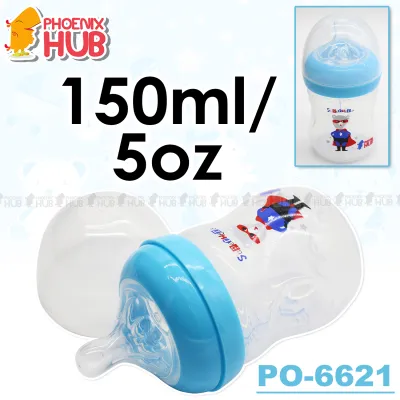
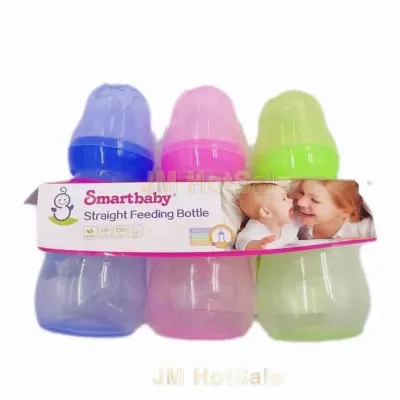
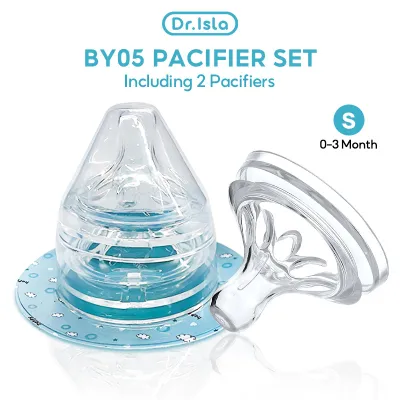
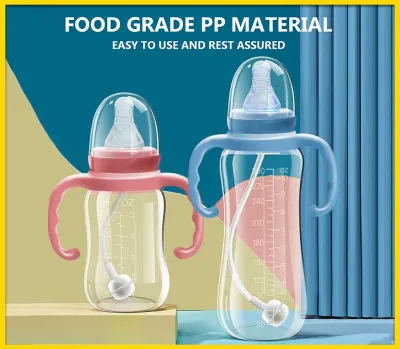
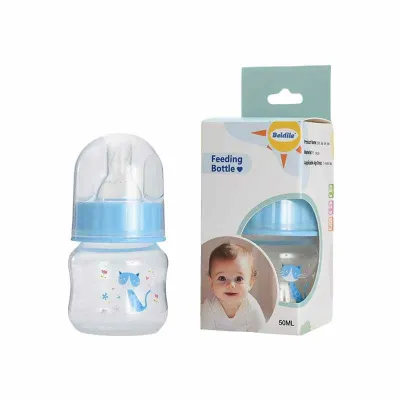
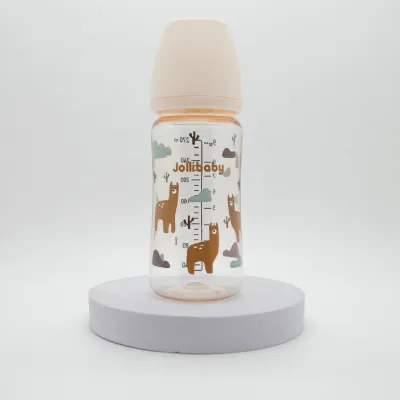
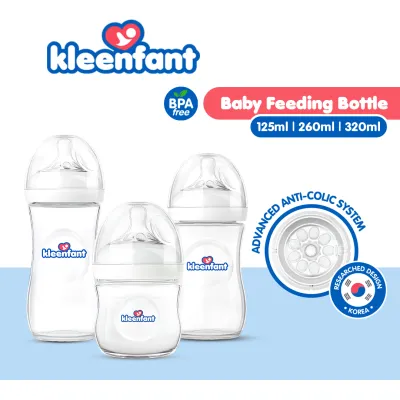
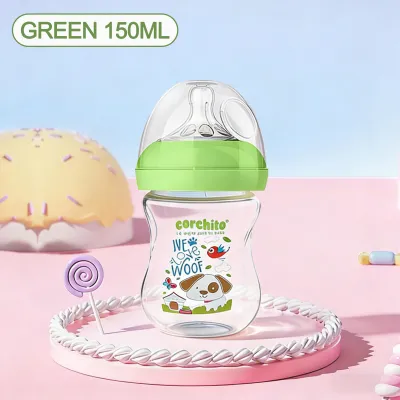
Prices are valid at publication and may change. Please refer to the product page for the latest price.
Plastic bottles require a more cautious approach when reading product labels. Parents must inspect the packaging to verify that the bottles are explicitly labeled as “BPA-free” (Bisphenol A) and “BPS-free” (Bisphenol S). While modern plastic bottles are formulated without these harmful chemicals, plastic is still a synthetic polymer that can degrade over time when exposed to high heat during sterilization. Understanding that plastic bottles have a limited lifespan and require regular replacement is key to maintaining a safe feeding routine.
Silicone bottles have gained popularity as a flexible, soft-touch alternative. To ensure you are buying a high-quality product, look for labels indicating “100% food-grade” or “medical-grade” silicone on the packaging. High-quality silicone should be free from plastic fillers, which can compromise the material’s safety and durability. A simple way to check for fillers is to pinch or twist a flat section of the silicone; if white shows through the bent area, the material may contain fillers. Additionally, inspect the bottle for any unusual chemical odors before the first use, as pure food-grade silicone should be virtually odorless.
Weight, Drops, and Daily Handling
The physical weight of a baby bottle plays a significant role in how comfortable it is to use daily. Glass bottles are substantially heavier than plastic or silicone alternatives. This extra weight is rarely an issue during the first few months when parents do all the holding and feeding. However, as your baby grows and begins to show interest in holding their own bottle, the weight of glass can make it difficult for small hands to grasp and control safely.

In contrast, plastic and silicone bottles are exceptionally lightweight, making them ideal for baby-led grasping and motor skill development. Silicone bottles offer an added tactile advantage, as their soft, squeezable texture mimics the natural feel of skin, which can be comforting for transitioning babies. When your baby starts feeding independently, lightweight materials reduce hand fatigue and make the transition smoother.
Accidental drops are an inevitable part of life with a baby, especially in busy households. In homes with hard tile or concrete floors, a dropped glass bottle can easily shatter, creating a safety hazard. While protective silicone sleeves reduce this risk, they do not eliminate it entirely. Plastic and silicone bottles are virtually shatterproof, offering peace of mind during travel, outdoor trips, or when a toddler inevitably throws their bottle from a high chair.
Over time, daily handling and cleaning will cause physical wear on your bottles. Plastic is highly susceptible to micro-scratches from bottle brushes and abrasive cleaning pads. These tiny crevices can harbor bacteria, milk residue, and moisture, which are difficult to clean out completely. Parents must regularly inspect plastic bottles under bright light; any deep scratches, persistent cloudiness, or structural wear are clear signals to stop using the bottle immediately.
Cleaning and Sterilization: Checking Compatibility
Thorough cleaning and sterilization are critical to protecting your baby’s developing immune system. Before establishing a cleaning routine, parents must consult the manufacturer’s manual to verify the specific heat tolerance of their bottles. Glass and high-grade silicone generally tolerate boiling water, steam sterilizers, and UV sterilizers exceptionally well. Plastic, however, can warp or degrade faster under extreme heat, so checking the manual’s sterilization guidelines is essential to prevent premature wear.
Odor and stain retention vary significantly among the three materials. Glass is non-porous, making it the easiest material to clean thoroughly. It does not absorb odors, colors, or milk fats, ensuring that each feed tastes fresh. Silicone, while highly durable, is slightly porous and can sometimes absorb soapy odors or strong smells over time if left soaking in dish soap. Plastic is highly prone to absorbing milk fats, which can lead to a cloudy appearance and stubborn milk stains if the bottle is not washed immediately with warm, soapy water.
Regardless of the bottle body material, the bottle nipples require separate, meticulous care. Nipples are typically made of soft silicone and are subjected to constant wear from sucking and biting. Inspect nipples before every feed for tears, thinning, or changes in flow rate. Because nipples wear out much faster than bottle bodies, they generally require replacement every two to three months, or immediately if they show any signs of damage, regardless of how durable the bottle itself is.
Budgeting: Initial Cost vs. Replacement Frequency
Planning your feeding budget involves looking beyond the initial purchase price of the bottles. Glass and silicone bottles typically carry a higher upfront cost, often priced at a premium in local stores and online marketplaces. For families preparing for a new baby, purchasing a full starter set of six to eight glass or silicone bottles can represent a significant initial investment, often costing a notable amount of ₱ upfront.
However, the long-term value of these materials often offsets the initial cost. An unbroken glass bottle can theoretically last through multiple children, making it a highly cost-effective long-term investment if handled carefully. Silicone bottles also offer excellent longevity without the risk of shattering. Plastic bottles, while much cheaper upfront, require regular replacement—often every three to six months—due to scratches, cloudiness, or wear. Over a year or two of feeding, the cost of repeatedly replacing plastic bottles can equal or exceed the price of a durable glass or silicone set.
To avoid redundant purchases, always check the accessory compatibility of your chosen bottle brand. Verify if the bottle bodies can connect directly to your existing breast pump parts or if they require specialized adapters. Some brands use proprietary collar sizes, meaning you must buy their specific nipples, caps, and sealing discs. Choosing a bottle system that integrates smoothly with your existing gear can save you significant money and hassle.
Which Material Fits Your Feeding Routine?
To choose the right bottle, consider how your daily routine aligns with the unique characteristics of each material. A conditional decision framework can help you identify the best fit for your family’s lifestyle.
Choose Glass if:
- You primarily feed your baby at home where hard drops are less likely.
- You prioritize a naturally inert, non-porous material that is easy to clean and sanitize.
- You do not mind the heavier weight and are willing to use protective silicone sleeves.
- You want a durable option that can last through multiple children.
Choose Plastic if:
- You need a lightweight, budget-friendly, and shatterproof option for travel, daycare, or outdoor use.
- You want a bottle that is easy for your growing baby to hold independently.
- You are committed to regularly inspecting and replacing the bottles as they show signs of wear.
Choose Silicone if:
- You want a soft, squeezable, and lightweight bottle that mimics a natural feel for transitioning babies.
- You prioritize an unbreakable material but want to avoid the weight of glass.
- Your budget allows for a higher upfront investment in exchange for long-term durability.
Verify first if:
- You plan to mix different bottle materials or brands. Ensure that nipple flow rates, collar sizes, and breast pump adapters remain consistent to prevent feeding confusion and milk leaks. Always consult a pediatrician or lactation consultant if your baby experiences persistent feeding difficulties.
Frequently Asked Questions (FAQ)
Can I mix different bottle materials for my baby?
Yes, mixing bottle materials is a practical approach for many families. For instance, you might use glass bottles at home for easy sterilization and lightweight plastic or silicone bottles when traveling or visiting relatives. However, ensure that the nipple shape, texture, and flow rate remain consistent across all bottles. Sudden changes in nipple style can cause nipple confusion or feeding refusal. Also, verify cross-brand compatibility for caps, collars, and sealing discs to prevent leaks.
How do I know when it is time to throw away a plastic baby bottle?
You should discard a plastic baby bottle if you observe deep scratches, persistent cloudiness, discoloration, or a sour milk smell that remains after thorough washing and sterilization. These physical changes indicate that the plastic is degrading and may harbor bacteria in micro-scratches. Always follow the manufacturer’s recommended replacement timeline, which is typically every three to six months for plastic bottles under regular use. Retired bottles should not be used for feeding but can sometimes be repurposed for non-food storage or safely recycled according to local guidelines.

Community discussion
Share your experience or ask a question. Comments are reviewed before publication.