
Selecting the right baby bottle is one of the most frequent decisions parents face when preparing for a new addition to the family. With options ranging from traditional glass to modern lightweight plastics and flexible silicone, finding the best fit requires balancing safety, durability, and daily convenience. The ideal choice is rarely universal; instead, it depends heavily on your baby’s developmental stage, your daily routine, and the specific guidelines provided by manufacturers like Dr. Isla.
In tropical environments like the Philippines, daily practicalities also play a significant role in your decision. High humidity levels can influence how quickly bottles dry after washing, while active, on-the-go lifestyles demand lightweight and shatterproof options for travel. Understanding how each material behaves under these conditions helps ensure a hygienic and stress-free feeding routine.
Ultimately, safety and practicality come down to how well a bottle fits into your lifestyle and how easily it can be cleaned and maintained. By comparing the physical properties and care requirements of glass, plastic, and silicone, you can build a feeding system that keeps your baby safe and comfortable through every growth milestone.
Products mentioned in this guide
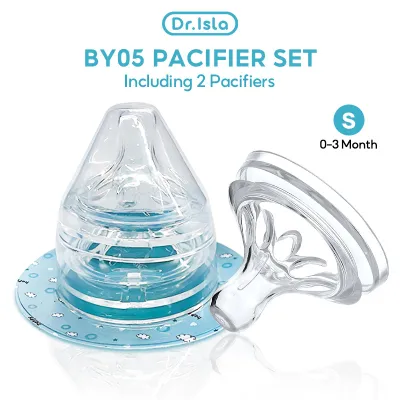
Prices are valid at publication and may change. Please refer to the product page for the latest price.
Material Breakdown: Safety, Durability, and Weight
Every baby bottle material comes with a distinct set of physical characteristics that dictate its lifespan, weight, and resistance to wear. Safety and durability are not inherent guarantees of any single material; rather, they depend on proper handling, correct sterilization, and adherence to manufacturer specifications.
Glass Baby Bottles
Glass baby bottles have long been favored by parents who prioritize material purity and longevity. Because glass is chemically inert, it does not absorb odors, colors, or flavors from breast milk or infant formula. This quality ensures that the bottle remains clear and odor-free even after months of continuous use and repeated sterilization cycles.
In terms of durability, high-quality glass bottles are exceptionally resistant to scratching and can withstand extreme temperature changes without degrading. This makes them highly compatible with various heating and sterilization methods. Unlike other materials, glass does not warp or wear down from frequent boiling or steam exposure, allowing a single set of bottles to last through multiple childhood stages if handled carefully.
However, the primary trade-offs of glass are its weight and the risk of breakage. Glass bottles are significantly heavier than plastic or silicone alternatives, making them difficult for older babies to hold independently during self-feeding transitions. To mitigate the risk of shattering if dropped on hard tile floors, caregivers should utilize protective silicone sleeves and maintain active supervision during every feeding session.
Plastic Baby Bottles
Plastic baby bottles are widely popular due to their lightweight design and affordability. They are highly practical for busy households and travel, as they do not shatter when dropped. This lightweight quality also makes plastic bottles an excellent choice when babies begin developing the motor skills necessary to hold their own bottles during feeds.
Despite their convenience, plastic bottles require more frequent monitoring and replacement than glass. The material is relatively soft and prone to developing micro-scratches on the interior walls over time. These tiny crevices can harbor stubborn milk residue and bacteria, making thorough cleaning more challenging as the bottle ages. Additionally, plastic can absorb odors and become cloudy after repeated washes.
When choosing plastic, it is essential to verify that the product is certified BPA-free and BPS-free to avoid exposure to unwanted industrial chemicals. Because plastic degrades faster than glass or silicone under high heat, caregivers must regularly inspect these bottles for signs of warping, discoloration, or wear, replacing them at the first sign of deterioration.
Silicone Baby Bottles
Silicone baby bottles represent a modern middle ground, offering a unique combination of flexibility and durability. Made from food-grade silicone, these bottles feature a soft, squeezable texture that many parents find helpful for mimicking the natural feel of breastfeeding. This pliable design can also assist caregivers in practicing paced feeding techniques.
Silicone is highly durable and possesses excellent heat tolerance, allowing it to undergo rigorous sterilization without warping or releasing chemicals. It is naturally shatterproof and lightweight, making it highly portable and safe for babies to handle as they grow. Unlike plastic, high-quality silicone is less prone to scratching, though it can sometimes retain a slight soapy scent if not rinsed thoroughly.
Because silicone is flexible, caregivers must regularly inspect the bottle body and collar for any structural weaknesses. Teething babies may occasionally bite or puncture soft silicone components, so checking for tears, punctures, or thinning areas is a vital safety practice. If any damage is detected, the affected components should be discarded immediately.
Daily Practicality: Cleaning, Heating, and Travel
Managing a daily feeding routine involves constant washing, sterilizing, and prepping bottles, often while managing a busy household. Each material demands a slightly different approach to cleaning and maintenance to preserve its structural integrity and ensure maximum hygiene.

Sterilization is a critical step in preventing bacterial growth, especially in warm, humid climates where moisture can linger. Glass and silicone bottles generally offer the highest heat tolerance, making them compatible with boiling water, electric steam sterilizers, and UV sterilization systems. Plastic bottles, however, require careful attention to the manufacturer’s specified temperature limits, as excessive heat can accelerate the degradation of the polymer structure.
Cleaning tools must be matched to the bottle material to prevent premature wear. For plastic bottles, caregivers should avoid using stiff, abrasive wire brushes, which easily scratch the soft interior surfaces. Instead, soft sponge brushes or silicone-bristled brushes are recommended to gently remove milk film. Glass bottles are much more resilient and can handle firmer bristle brushes without risk of scratching.
Travel practicality is another major consideration for active families. Carrying multiple glass bottles in a diaper bag adds significant weight and introduces the risk of accidental breakage during transit. For outings, lightweight plastic or silicone bottles are highly convenient. However, because silicone bottles are squeezable, caregivers must ensure that the protective caps and collars are securely fastened to prevent accidental leaks when the bottle is compressed inside a packed bag.
In humid tropical regions, drying times can vary significantly between materials. Water droplets tend to cling to plastic and silicone longer than they do to smooth glass surfaces. To prevent mold or mildew from developing, all bottle components should be placed on a clean, elevated drying rack in a well-ventilated area, ensuring they are completely dry before assembly and storage.
Decision Framework: Matching the Material to Your Routine
Choosing the right bottle material is not about finding a single perfect option, but rather about matching the material’s strengths to your family’s specific lifestyle and your baby’s developmental stage.
- Choose Glass if: You prioritize maximum material purity, plan to feed primarily at home, and want a durable option that can be sterilized repeatedly without wearing out. Glass is highly suitable for the newborn stage when caregivers handle all the feeding and bottle maintenance.
- Choose Plastic if: You need a lightweight, budget-friendly option that is easy to pack for travel, or if your baby is transitioning to self-feeding and needs a shatterproof bottle that is easy to grip.
- Choose Silicone if: You want a soft, squeezable bottle that supports paced feeding, offers high heat resistance for easy sterilization, and provides a tactile experience that bridges the gap between breast and bottle.
- Verify First if: You plan to mix and match components from different feeding systems. If you are using specialized nipples or accessories, such as those from Dr. Isla, always verify that the bottle body, collar, and nipple are officially compatible to ensure a secure, leak-free fit.
Safety Checks and Label Verification Before Purchase
Before purchasing any baby bottle, establishing a rigorous safety check routine helps protect your baby and ensures you get the most out of your investment. Always read the packaging and manufacturer guidelines carefully to verify safety standards.
First, check for chemical safety certifications on all plastic components. Look for explicit labels indicating the product is free from BPA, BPS, and phthalates. These certifications ensure that the materials used are safe for food contact and will not leach harmful substances into your baby’s milk.
Second, verify the manufacturer’s temperature limits for sterilization, warming, and dishwasher use. Not all plastics or silicones are rated for extreme temperatures, and exceeding these limits can cause warping, cracking, or premature aging of the bottle. If you use a steam or UV sterilizer, confirm that the bottle material is approved for that specific sterilization method.
Third, establish a routine inspection process for wear and tear. Before assembly, examine glass bottles for hairline cracks or chips, especially around the rim. Check plastic bottles for deep scratches, cloudiness, or warping, and inspect silicone bottles for punctures or thinning. Replacing worn components promptly prevents leaks and minimizes hygiene risks.
Finally, confirm that the nipple flow rate matches your baby’s current age and developmental stage. Using a flow rate that is too fast can cause choking or gas, while a flow rate that is too slow can frustrate your baby. Always check the manufacturer’s age recommendations and compatibility warnings before pairing nipples with different bottle bodies.
Frequently Asked Questions (FAQ)
Can I mix and match bottle brands and nipples?
Mixing and matching nipples and bottle bodies from different brands is generally not recommended unless the manufacturer explicitly states they are compatible. Even if a nipple appears to fit into another brand’s collar, minor differences in millimeter measurements can prevent a perfect seal.
An improper fit can lead to slow leaks, air entry during feeding (which can increase colic and gas), or even cause the nipple to collapse. In worse cases, an insecure collar can detach entirely during a feed, posing a sudden choking hazard or spilling hot liquid. Always stick to tested, brand-specific combinations to ensure safety.
How often should I replace plastic or silicone bottles?
Plastic baby bottles should typically be replaced every 3 to 6 months, or sooner if you observe signs of wear such as deep scratches, persistent cloudiness, stubborn odors, or warping. Because plastic is a softer material, it degrades more quickly under the high heat of daily sterilization.
Silicone bottles are highly durable but should still be inspected regularly. Replace silicone components immediately if you notice any sticky residue, structural weakness, discoloration, or visible punctures from teething. Always defer to the specific lifespan guidelines provided by the manufacturer for your bottle model.

Community discussion
Share your experience or ask a question. Comments are reviewed before publication.