
Quick Answer: Selecting the Best Feeding Bottle for Your Baby Boy
Choosing the right feeding bottle for your baby boy involves balancing safety, convenience, and your family’s daily routine. There is no single material that works perfectly for every household, as each option serves different needs depending on whether you are feeding at home, traveling, or transitioning from breastfeeding.
When searching for the ideal feeding bottle for your baby boy, you will find that glass, plastic, and silicone each offer distinct advantages. Glass is highly valued for its chemical purity and long lifespan, plastic is favored for its lightweight portability and affordability, and silicone provides a flexible, drop-resistant body with a natural feel.
Before making a final purchase, always check the manufacturer’s packaging and product documentation to verify age recommendations, nipple flow rates, and safety certifications. Choosing a bottle that aligns with your baby’s developmental stage and your daily sterilization habits will ensure a safe and comfortable feeding experience.
Products mentioned in this guide
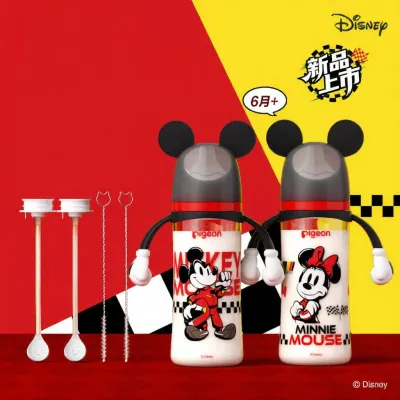
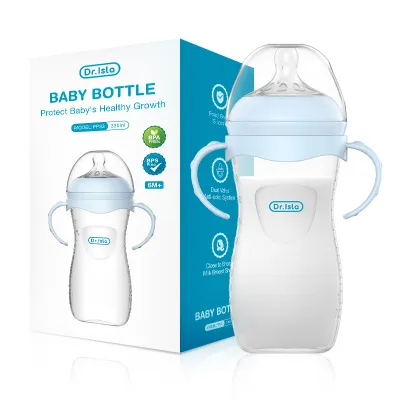
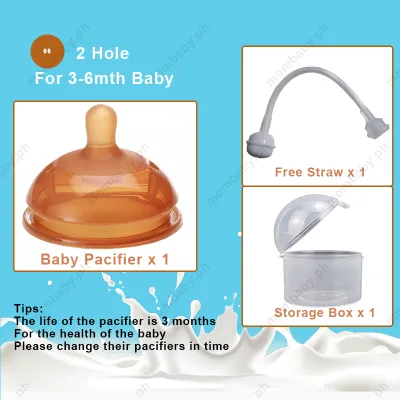
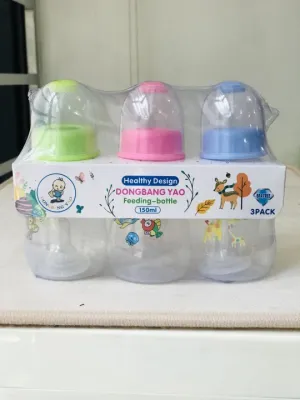
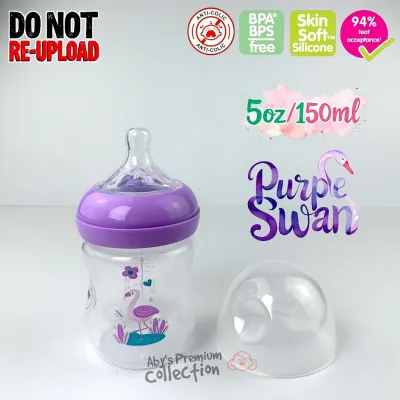
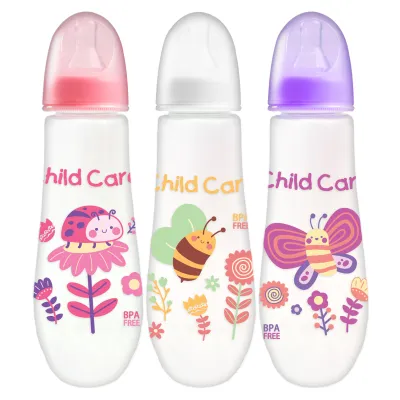
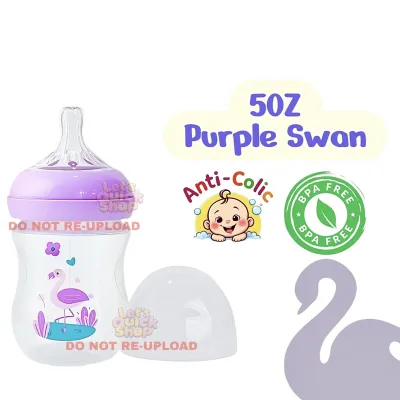
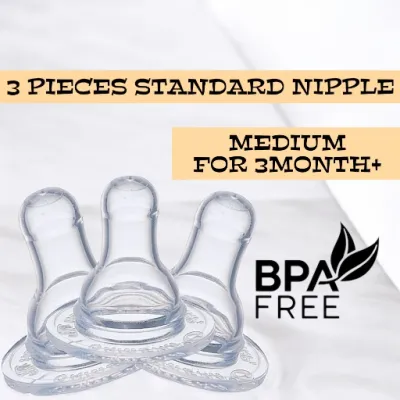
Prices are valid at publication and may change. Please refer to the product page for the latest price.
Glass Baby Bottles: Purity and Heat Resistance
Glass baby bottles have long been a trusted standard for parents prioritizing chemical purity and longevity. Because glass is a natural, non-porous material, it does not absorb odors, colors, or residues from breast milk and infant formula. This makes glass bottles exceptionally easy to clean thoroughly, ensuring that no stale smells or leftover milk fats cling to the interior walls after washing.

One of the greatest benefits of glass is its high heat tolerance, which allows for rigorous sterilization. Parents can repeatedly expose glass bottles to boiling water, high-temperature steam, or UV sanitizers without worrying about the material warping, degrading, or releasing microparticles. For families who prefer a highly sanitary feeding setup, the structural integrity of glass under heat provides peace of mind.
However, the physical properties of glass introduce practical challenges, particularly regarding weight and fragility. Glass bottles are significantly heavier than plastic or silicone alternatives, making it difficult for younger infants to hold their bottles independently as they develop motor skills. If a glass bottle is dropped on a hard surface, such as kitchen tile or concrete, it can shatter into dangerous shards, creating a safety hazard in the home.
To mitigate the risk of breakage, many parents use protective silicone sleeves. These sleeves slide over the glass body to improve grip and absorb minor impact shocks if the bottle slips. When using silicone sleeves, it is important to verify their compatibility with your specific bottle brand and to slide them off regularly during cleaning. In warm, humid environments, moisture can easily become trapped between the sleeve and the glass, creating an ideal breeding ground for mold if not dried completely.
Plastic Baby Bottles: Lightweight and Travel-Friendly
Plastic baby bottles are widely popular due to their convenience, lightweight design, and shatterproof nature. These qualities make plastic highly practical for active families who are frequently on the go, traveling, or sending their baby boy to daycare. Because plastic bottles do not break when dropped, they are also excellent options for the developmental stage when babies begin learning to hold their own bottles under caregiver supervision.
When selecting plastic feeding bottles, verifying material safety is a critical step for parents. You must carefully inspect product packaging to ensure the bottles are explicitly labeled as BPA-free and BPS-free. Because safety standards and chemical formulations can vary across brands and regions, checking the manufacturer’s documentation for certified food-grade materials is essential to protect your baby’s health.
Parents should also understand that different types of plastics offer varying levels of durability and heat resistance. Polypropylene (PP) is the most common and affordable plastic, but it is relatively soft, prone to scratching, and has a lower heat tolerance. Polyphenylsulfone (PPSU) and Polyethersulfone (PES) are high-grade, medical-quality plastics that feature a natural honey-colored tint; they are much more durable, scratch-resistant, and can withstand higher sterilization temperatures, though they come at a higher cost.
Despite their convenience, all plastic bottles are subject to wear and tear over time. Frequent scrubbing with bottle brushes can create microscopic scratches on the inner walls, which can harbor stubborn milk proteins and bacteria. Additionally, repeated exposure to high heat during sterilization can cause plastic to become cloudy, warped, or brittle. It is a safe practice to inspect plastic bottles regularly and replace them immediately if they show signs of scratching, cloudiness, or physical degradation.
Silicone Baby Bottles: Flexibility and Skin-Like Feel
Silicone baby bottles represent a modern innovation in infant feeding, combining the shatterproof benefits of plastic with the heat resistance of glass. The defining feature of a silicone bottle is its soft, pliable body, which offers a tactile, skin-like texture. This flexible feel can be highly beneficial for breastfed babies, as it closely mimics the natural warmth and softness of a mother’s breast, helping to ease the transition between breast and bottle.
Typically manufactured from high-quality food-grade or medical-grade silicone, these bottles are naturally free from BPA, BPS, and phthalates. Silicone is highly durable, does not crack or shatter when dropped, and can withstand extreme temperatures, making it fully compatible with various sterilization methods. Unlike plastic, silicone is highly resistant to scratching, which helps maintain a hygienic surface over long-term use.
However, silicone has a few unique maintenance characteristics that caregivers should consider. Because silicone is a hydrophobic material, it has a natural tendency to attract and bind to fats and oils. If not washed thoroughly with a suitable dish soap, silicone bottles can retain a soapy residue or a lingering odor from breast milk or formula. Additionally, because silicone bottles require specialized manufacturing processes, they generally carry a higher upfront purchase price compared to standard plastic options.
Another practical consideration is the flexibility of the bottle body itself. While the squeezable design can be used gently to support paced feeding or to help expel excess air, it requires careful handling. If a caregiver or an older baby squeezes the bottle too firmly during a feed, it can cause an unexpected rush of milk or cause the nipple collar to pop, resulting in accidental spills. Caregivers should practice a gentle, secure grip when handling filled silicone bottles.
Head-to-Head Comparison: Safety, Durability, and Cleaning
To help you compare these materials directly, the table below outlines how glass, plastic, and silicone perform across key practical dimensions:
| Feature | Glass Bottles | Plastic Bottles (PP / PPSU) | Silicone Bottles |
|---|---|---|---|
| Weight | Heavy; difficult for babies to hold | Very lightweight; easy to hold | Medium-light; easy to grip |
| Shatter Resistance | Low; fragile if dropped | High; virtually shatterproof | High; extremely durable |
| Heat Tolerance | High; excellent for boiling & steam | Moderate to High (PPSU is superior to PP) | High; excellent for boiling & steam |
| Odor & Stain Resistance | Excellent; non-porous | Moderate; prone to clouding & stains | Moderate; can retain soapy odors |
| Typical Lifespan | Long (years, if undamaged) | Short to Medium (replace every 4–6 months) | Long (replace if sticky or damaged) |
Cleaning these materials properly requires different approaches to avoid damaging the bottles. Glass is highly scratch-resistant, allowing you to use standard bottle brushes without leaving marks. Plastic and silicone, however, are softer and require gentle care. Caregivers should avoid using stiff wire brushes or abrasive scouring pads on plastic and silicone, opting instead for soft-bristle nylon brushes or dedicated silicone cleaning tools to prevent micro-scratches that can harbor bacteria.
It is also important to remember that the bottle nipple is a separate component from the bottle body. Most nipples are made of soft silicone or natural latex, which degrade much faster than the bottle itself due to constant suction, biting, and washing. Regardless of whether you choose glass, plastic, or silicone for the bottle body, nipples must be inspected before every feed and replaced at the first sign of wear, tear, or flow rate changes—typically every one to three months.
Sterilization and Daily Care in a Humid Climate
In tropical climates like the Philippines, high humidity levels present unique challenges for maintaining infant feeding hygiene. When washed bottles are left to dry in damp, poorly ventilated spaces, the slow evaporation of water can create an environment where mold, mildew, and bacteria thrive. Ensuring that every bottle component dries completely after sterilization is crucial for your baby’s health.
To dry bottles safely, place all disassembled parts on a dedicated, clean drying rack located in a well-ventilated area of your home. Avoid drying bottles near the kitchen sink, trash bins, or food preparation areas where airborne grease, soap splashes, or raw food contaminants could compromise the clean surfaces. Using a clean paper towel to blot away excess water is acceptable, but letting the parts air-dry naturally on a clean rack is generally the most sanitary option.
Sterilization methods must also be aligned with the specific material of your bottles:
- Boiling and Steam: Glass and silicone bottles tolerate boiling water and electric steam sterilizers exceptionally well. If you are sterilizing plastic bottles, you must check the manufacturer's guidelines, as lower-grade plastics like PP can warp or degrade if exposed to boiling temperatures for too long.
- UV Sterilization: UV sterilizers are highly convenient, but they can accelerate the aging of certain materials. While glass is unaffected, continuous exposure to UV light can cause some plastics and silicone components to discolor, become brittle, or degrade prematurely. Always consult your bottle's user manual to confirm UV compatibility.
Final Decision Framework: Choose Based on Your Routine
To finalize your choice, consider how your daily routine, budget, and feeding environment align with each material’s characteristics:
- Choose Glass if: You primarily feed your baby boy at home, prioritize maximum chemical purity, want a bottle that can safely last through multiple children, and do not mind the heavier weight and risk of breakage.
- Choose Plastic if: You need an affordable, lightweight, and shatterproof option for travel, daycare, or when your baby starts holding the bottle, and you are willing to replace the bottles regularly as they wear out.
- Choose Silicone if: You want a durable, drop-resistant bottle that offers a soft, natural feel to assist with breast-to-bottle transitions, and you are comfortable with a higher upfront cost and more attentive washing routines.
- Verify first if: Your baby boy is experiencing feeding difficulties, colic, or latch issues. In these situations, the shape of the nipple and the bottle's venting system are often more critical than the bottle material itself.
Ultimately, the best bottle is the one that your baby boy accepts readily and that you can clean and sterilize easily within your daily routine. If you experience persistent feeding challenges, such as excessive gas, spitting up, or bottle refusal, consult a pediatrician or a certified lactation consultant for personalized guidance.
Frequently Asked Questions (FAQ)
Can I mix and match different bottle materials for my baby?
Yes, mixing and matching bottle materials is entirely safe and often highly practical. Many parents adopt a hybrid approach, using glass bottles at home where sterilization and supervision are easier, and switching to lightweight plastic or silicone bottles for travel, daycare, and outdoor trips. Just ensure that any nipples and collars you use are fully compatible and leak-free when swapped between different bottle bodies.
How often should I replace my baby’s feeding bottles?
Plastic bottles generally require replacement every 4 to 6 months, or immediately if they become scratched, cloudy, cracked, or warped. Glass bottles can last indefinitely, provided they are completely free of chips, hairline cracks, or deep scratches. Silicone bottles are highly durable but should be replaced if the material becomes sticky, permanently discolored, torn, or develops a persistent, unpleasant odor.
Does the bottle material affect milk temperature retention?
Yes, different materials conduct heat differently. Glass bottles tend to retain heat longer than thin plastic bottles, while silicone offers moderate thermal insulation. Because of these differences, milk may warm up or cool down at different rates depending on the bottle body. Regardless of the material you use, always test the temperature of the milk on the inside of your wrist before feeding your baby.

Community discussion
Share your experience or ask a question. Comments are reviewed before publication.