
Storing expressed breast milk safely requires careful planning, especially when navigating warm, humid climates where temperature control is a constant challenge. Parents often find themselves choosing between glass and plastic baby bottles for daily storage. While both materials serve the primary purpose of holding milk, they perform differently when subjected to the cold, compact environment of a portable cooler. The ideal choice depends on whether your daily routine prioritizes rapid temperature transfer, long-term durability, or lightweight portability.
When using a portable cooler, such as a Yotree milk cooler, the physical properties of your bottle material directly impact how long your milk remains at a safe temperature. Glass and plastic interact with cold environments, milk fats, and cleaning routines in distinct ways. Understanding these differences allows you to make an informed decision that fits your lifestyle, budget, and storage needs.
Quick Answer: Which Bottle Material Works Best?
The optimal bottle material for storing expressed milk in a portable cooler depends on your primary daily priorities. Glass is highly recommended if your main goals are rapid cooling, long-term milk fat preservation, and a material that resists odors and stains over months of heavy use. It provides an excellent thermal transfer rate, helping milk cool down quickly when placed next to ice packs.
Products mentioned in this guide
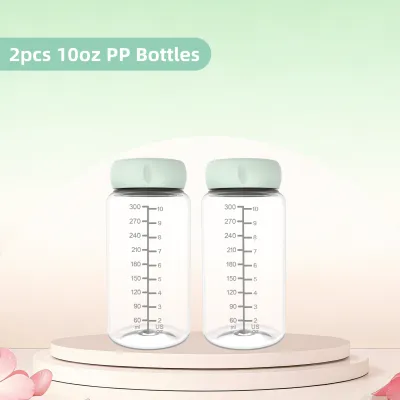
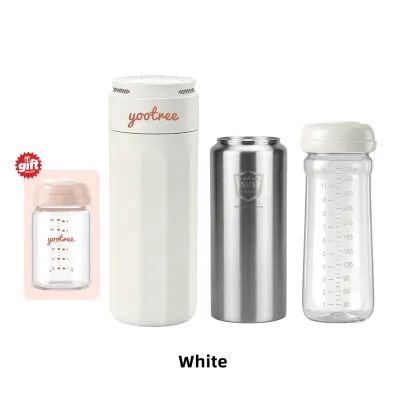
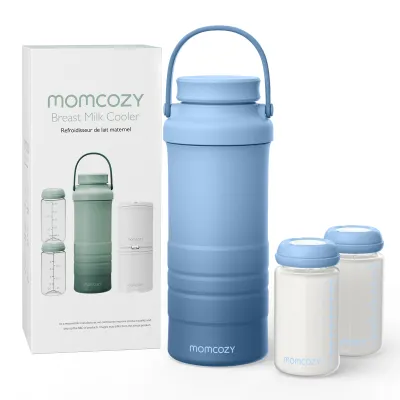
Prices are valid at publication and may change. Please refer to the product page for the latest price.
Conversely, plastic is the superior choice if you prioritize lightweight portability, shatterproof durability, and ease of transport during long commutes or daycare drop-offs. Plastic bottles significantly reduce the overall weight of your travel gear and eliminate the risk of catastrophic breakage if dropped on hard surfaces.
Ultimately, the best bottle material is the one that fits securely within the physical dimensions of your Yotree milk cooler without compromising its seal. You must verify the bottle’s height, diameter, and neck shape against your specific cooler model to ensure a proper fit and optimal cooling performance.
Key Comparison Factors for Milk Storage
Temperature Retention and Cooling Speed
In tropical climates where ambient temperatures frequently rise, keeping expressed milk cold is essential to slow down bacterial growth. Glass is an excellent conductor of thermal energy, allowing the cold from your cooler’s ice packs to transfer rapidly to the milk inside. This rapid heat transfer helps lower the milk’s temperature quickly, which is crucial for preserving freshness. However, this high conductivity also means glass bottles can warm up faster if the cooler is opened frequently or exposed to direct sunlight.

Plastic acts as a mild thermal insulator due to its polymer structure. It takes longer for the cold from an ice pack to penetrate a plastic bottle and lower the temperature of warm, freshly expressed milk. If you choose plastic, you must be diligent about pre-chilling your milk in a refrigerator before placing it in the cooler. This ensures the milk starts at a safe temperature and does not prematurely melt your ice packs.
Milk Fat and Nutrient Preservation
Breast milk is a complex biological fluid containing essential lipids, proteins, and immunoglobulins that support your baby’s development. One notable characteristic of breast milk is that its fat globules tend to adhere to the surfaces of storage containers. Because plastic is a hydrophobic (water-repelling) material, the fat molecules in breast milk are naturally attracted to the plastic walls, sticking to them even after gentle shaking.
Glass possesses a hydrophilic (water-attracting) surface. This molecular property prevents milk fat from clinging tightly to the bottle walls. When you are ready to feed your baby, a gentle swirl of a glass bottle is usually sufficient to remix the nutrient-rich cream back into the liquid. This ensures your baby receives the full nutritional benefit of the expressed milk with minimal waste.
Durability and Safety
Durability is a key consideration when comparing these two materials, but it comes with distinct trade-offs. Glass bottles are highly resistant to chemical degradation, scratching, and warping. They can withstand hundreds of high-temperature sterilization cycles without losing structural integrity or releasing microparticles. However, glass is inherently fragile; a single drop onto a hard tile floor or concrete pavement can shatter the bottle, creating a safety hazard and wasting precious milk.
Plastic bottles are virtually shatterproof, making them highly practical for active travel, commuting, and daycare environments. The trade-off is that plastic is a relatively soft material that is easily scratched by bottle brushes during cleaning. These microscopic scratches can become breeding grounds for bacteria and are difficult to clean thoroughly, meaning plastic bottles must be inspected regularly and replaced more frequently than glass.
Odor and Stain Resistance
Over weeks of continuous use, plastic bottles can develop a cloudy appearance and retain a stubborn, sour milk odor. This occurs because plastic is slightly porous and can absorb organic compounds and oils from breast milk over time, especially when subjected to repeated heating and sterilization.
Glass is completely non-porous, meaning it does not absorb odors, stain from milk fats, or discolor over time. A glass bottle used for months will remain as clear and odor-free as the day it was purchased, provided it is cleaned correctly. This makes glass a highly hygienic option for parents who are sensitive to lingering odors or want a material that maintains a pristine appearance.
Compatibility with Your Yotree Milk Cooler
Size and Shape Constraints
Portable coolers are designed with specific internal dimensions to maximize space efficiency and maintain a tight thermal seal. Before purchasing a set of bottles, you must measure the internal height, width, and depth of your Yotree milk cooler’s storage compartment. Wide-neck glass bottles are often significantly wider and taller than standard-neck plastic bottles of the same volume.
If your bottles are too tall, the cooler lid may not close completely, allowing cold air to escape and compromising the safety of your stored milk. Conversely, choosing slim plastic bottles might allow you to pack more units into the same space. This is highly beneficial if you need to store multiple feeds for a long day away from home.
Weight Considerations
Carrying a fully loaded milk cooler can become physically demanding, especially during daily commutes on public transport or long walks. A single empty glass bottle weighs substantially more than an empty plastic bottle of the same capacity. When you multiply this weight by three or four bottles and add the weight of contoured ice packs, the total load increases significantly.
If you rely on public transportation or carry multiple bags, the lightweight nature of plastic bottles can prevent unnecessary physical strain. It also protects the structural integrity of your cooler’s handles, zippers, and straps from excessive wear and tear over time.
Cooling Mechanism Interaction
The efficiency of a portable cooler relies heavily on direct contact or close proximity between the cooling medium and the bottles. Many coolers feature contoured ice packs designed to wrap snugly around standard bottle shapes to eliminate air gaps.
Because glass is rigid, it cannot flex to accommodate slight misalignments. If the glass bottle does not match the contour of the ice pack perfectly, air gaps will form, reducing the cooling efficiency. Plastic bottles, while still rigid, sometimes offer a fraction of flexibility or come in a wider variety of shapes that can be wedged more securely against cooling elements.
Glass vs. Plastic: Decision Matrix
| Feature | Glass Bottles | Plastic Bottles |
|---|---|---|
| Cooling Speed | Rapid heat transfer; cools quickly | Slower heat transfer; acts as mild insulator |
| Fat Retention | Low; fat remixes easily with gentle swirling | High; fat tends to stick to hydrophobic walls |
| Durability | High chemical resistance; prone to shattering | Shatterproof; prone to micro-scratches |
| Weight | Heavy; adds significant bulk to travel gear | Extremely lightweight; ideal for commuting |
| Odor Resistance | Excellent; non-porous surface prevents odors | Moderate; can absorb odors and cloud over time |
Choose Glass If…
- You primarily store milk at home or in a stationary office environment with minimal travel.
- You prioritize maximum nutrient preservation and want to ensure milk fat does not stick to the bottle walls.
- You prefer a material that can be sterilized repeatedly at high temperatures without degrading or absorbing odors.
- You are comfortable handling heavier, fragile items and have a secure, cushioned compartment in your diaper bag.
Choose Plastic If…
- You commute daily, travel frequently, or need to transport milk to a daycare facility where drop-risks are high.
- You need to minimize the overall weight of your diaper bag or portable cooler setup.
- You want a cost-effective option that is easy to replace if lost or damaged during transit.
- Your specific cooler model has tight, contoured compartments that require lightweight, standard-sized bottles.
Verify First Checklist
- Manufacturer Guidelines: Always read the user manuals for both your bottles and your Yotree cooler to ensure compatibility.
- Food-Grade Certifications: Verify that plastic bottles are explicitly labeled as BPA-free, BPS-free, and made from food-grade materials.
- Temperature Limits: Check the maximum and minimum temperature ratings for your glass bottles to prevent thermal shock.
- Warranty Conditions: Ensure that using third-party bottles or specific ice pack configurations does not void your cooler's warranty.
Best Practices for Storing Expressed Milk in a Cooler
Preparation and Pre-Cooling
To maintain the cold chain effectively, never place warm, freshly expressed breast milk directly into a portable cooler if you can avoid it. Instead, cool the milk in a standard refrigerator first. This simple step prevents the warm milk from rapidly melting your ice packs, ensuring that the cooler remains at a safe, low temperature for a much longer duration.
If you are expressing milk at work or on the go without access to a refrigerator, place the warm milk in a separate compartment of the cooler away from direct contact with the ice packs initially, or use a dedicated cooling barrier to allow the temperature to drop gradually without shocking the system.
Headspace Rules
When filling bottles for storage, always leave at least an inch of empty space (headspace) at the top of the bottle. Liquids expand as they cool and freeze. If a glass bottle is filled to the brim and subjected to freezing temperatures, the expanding milk will exert immense pressure on the glass, leading to cracks or complete breakage.
Even with plastic bottles, leaving headspace is important. It prevents the cap from leaking under pressure and ensures that the bottle does not warp or bulge, which could prevent it from fitting properly inside your Yotree cooler’s designated slots.
Hygiene and Maintenance
Maintaining strict hygiene is vital for infant health. Wash all bottles immediately after use with warm, soapy water and a soft sponge or dedicated bottle brush. For plastic bottles, avoid using harsh abrasive brushes that can create micro-scratches.
Inspect your bottles before every use. Immediately discard any plastic bottles that appear heavily scratched, cloudy, or retain a sour smell. Safely dispose of any glass bottles with minor chips, hairline cracks, or structural weaknesses to prevent glass fragments from contaminating the milk or injuring your baby.
Frequently Asked Questions (FAQ)
Can I put glass bottles directly into a milk cooler with ice packs?
Yes, but you must exercise caution to avoid thermal shock. Thermal shock occurs when glass experiences a rapid, extreme change in temperature, which can cause it to crack or shatter. To minimize this risk, avoid placing warm glass bottles directly against frozen ice packs. Let the bottles cool down gradually in a refrigerator first, or use a physical barrier, such as a thin cloth or a designated divider inside your cooler, to prevent direct, harsh contact between the glass and the ice pack.
Does plastic leach chemicals into breast milk when kept in a cooler?
Chemical leaching from plastic is primarily triggered by heat, UV exposure, and harsh chemical cleaning. When plastic bottles are kept in a cold environment like a milk cooler, the risk of chemical leaching is significantly lower. However, to ensure maximum safety, always verify that your plastic bottles are certified BPA-free and BPS-free. Look for food-grade certifications on the packaging and replace plastic bottles regularly if they show signs of wear, scratching, or degradation.
Why does breast milk stick to the sides of my plastic bottles?
Breast milk contains natural fats and lipids that are hydrophobic, meaning they repel water. Because plastic is also a hydrophobic material, the fat molecules in the milk are chemically drawn to the plastic walls of the bottle, causing them to stick. To remix these essential fats back into the milk before feeding, gently swirl the bottle in a circular motion rather than shaking it vigorously. Shaking can break down delicate proteins and introduce excess air bubbles, which may cause gas in your baby.

Community discussion
Share your experience or ask a question. Comments are reviewed before publication.