
Selecting the right 3-in-1 cup cleaning tool for your baby bottles depends entirely on matching the brush head material to the specific vulnerability of your bottle’s surface. Plastic bottles, such as those made of polypropylene (PP) or polyphenylene sulfone (PPSU), are highly susceptible to micro-scratches that can harbor harmful bacteria and trap milk fats. These delicate surfaces require soft, non-abrasive materials like silicone or high-density sponge. Conversely, glass bottles are highly scratch-resistant and can tolerate robust scrubbing with bristle brushes, but their weight and rigidity require tools designed to reach deep corners safely without causing impact damage. By understanding how different brush designs interact with glass and plastic, you can keep your baby’s feeding equipment thoroughly sanitized and structurally sound.
Identifying Scratch Risks in Glass vs. Plastic Bottles
Baby bottles are subjected to multiple daily washes, making the choice of cleaning tool critical to their longevity and hygiene. Glass bottles offer excellent durability and high resistance to surface scratches. However, they are heavy and prone to chipping or breaking if subjected to excessive downward force during cleaning. When washing glass, the primary challenge is reaching the bottom corners and neck curves where milk residue tends to settle, requiring a tool that maneuvers easily without slipping from soapy hands.
Plastic bottles, including PP, PPSU, and PES, present a different set of challenges. While lightweight and shatterproof, these materials are relatively soft and highly vulnerable to micro-scratches. Even tiny, invisible abrasions on the inner walls can become breeding grounds for bacteria, as milk proteins and fats easily lodge inside these microscopic grooves. Over time, these scratches make the bottle look cloudy and make thorough sterilization increasingly difficult.
Products mentioned in this guide
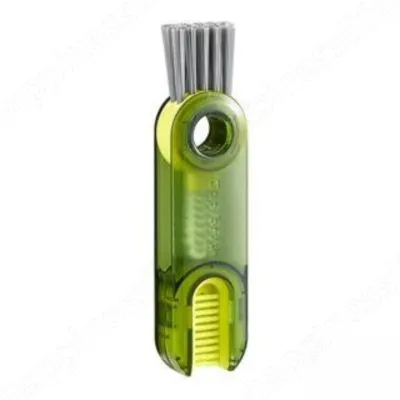
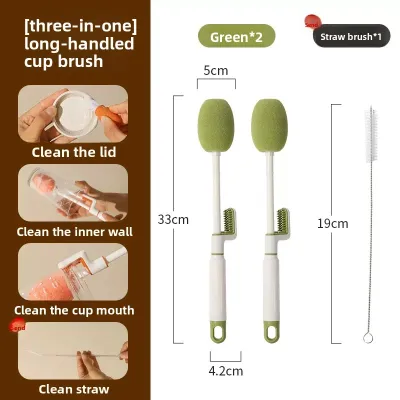
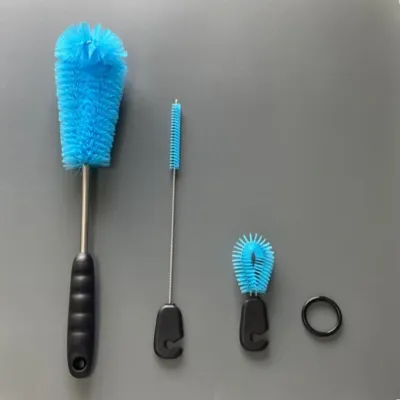
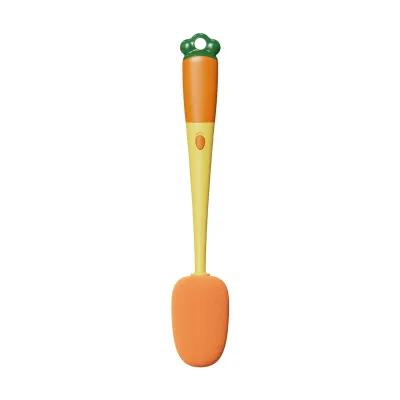
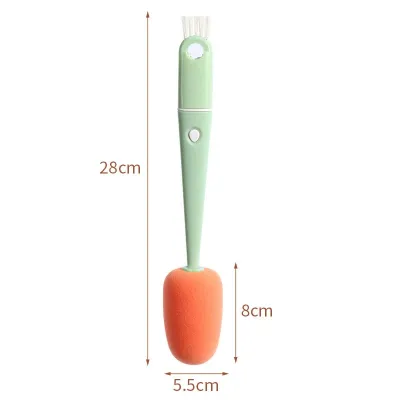
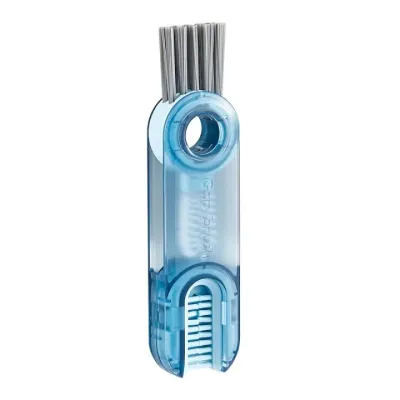
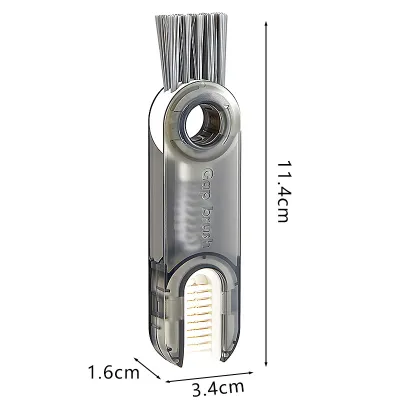
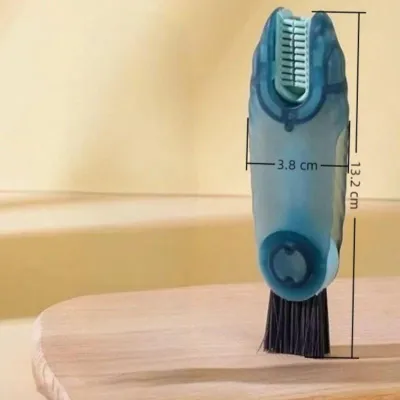
Prices are valid at publication and may change. Please refer to the product page for the latest price.
To assess your current bottle inventory, perform a simple visual inspection. Hold your clean, dry bottles under a bright light or near a window. Look closely for any signs of cloudiness, fine lines, or dull patches on the interior walls. If you notice these signs of wear, it indicates that past cleaning methods have been too abrasive, and it is time to transition to a gentler brush material to protect your baby’s health.
Evaluating 3-in-1 Brush Head Materials for Surface Safety
A 3-in-1 cup cleaning tool typically combines a main bottle brush, a smaller nipple brush, and a detail or straw cleaner into a single compact design. The material of the primary brush head determines how effectively it removes milk residue and whether it poses a risk to your bottle’s surface.

Silicone and High-Density Sponge Brushes
Silicone brush heads feature soft, flexible bristles that glide smoothly over plastic surfaces without leaving scratches. They do not absorb water, making them highly resistant to mold and bacterial growth, and they are incredibly easy to rinse clean. However, because silicone is non-porous, it may struggle to scrub away dried-on milk residue without a proper pre-soak.
High-density sponge brushes offer exceptional cleaning power for delicate plastic bottles. The soft, porous material conforms perfectly to the contours of the bottle, absorbing loose residue and creating a rich lather with minimal dish soap. However, sponges retain moisture and require strict drying and frequent replacement to prevent bacterial buildup.
Both silicone and high-density sponge brushes are ideal for all plastic bottle variants, including PP, PPSU, and PES, as well as everyday, light-soil glass maintenance.
Bristle and Nylon Brushes
Traditional bristle brushes, often made of nylon, provide strong mechanical friction necessary for tough stains, hard water spots, and glass bottle corners. They require less physical effort to remove film, making them a convenient choice for glass bottles.
However, bristle brushes carry a high risk of scratching plastic bottles. The stiff tips of nylon bristles can easily gouge soft plastic surfaces over time, creating micro-scratches that compromise bottle hygiene. Always verify if the bottle manufacturer explicitly approves bristles for your specific plastic type.
Consequently, bristle and nylon brushes are best suited exclusively for glass bottles, or as a secondary tool for heavily soiled items after a thorough soak.
How to Match the Cleaning Tool to Your Bottle Type
To choose the right 3-in-1 cup cleaning tool, evaluate your specific bottle inventory and daily cleaning habits.
Choose silicone or sponge 3-in-1 sets if you primarily use plastic bottles, prioritize scratch prevention, and are willing to pre-soak dried milk to compensate for softer scrubbing power. These materials guarantee scratch-free cleaning, preserving the integrity of the plastic.
Choose bristle 3-in-1 sets if you exclusively use glass bottles, need heavy-duty scrubbing for hard water stains, and do not use plastic bottles. The stiff bristles will easily tackle hard water spots and dried milk film without damaging the glass.
Choose hybrid sets (such as a silicone exterior with bristle tips) if you use both materials, but verify that the bristle placement does not accidentally contact plastic surfaces during use.
Regardless of the material, ensure the physical dimensions of the brush head match your bottle shape. If the primary brush head is too narrow or short, it will fail to reach the bottom corners of your specific wide-neck or anti-colic bottle shape.
Essential Features to Verify in a 3-in-1 Cleaning Kit
Beyond the main brush head, a high-quality 3-in-1 cleaning kit must feature well-designed secondary components that address the unique anatomy of baby feeding gear.
Ensure the nipple brush is soft enough for silicone or latex nipples without tearing the delicate feeding holes or valves. A soft, rounded shape that fits perfectly inside the nipple tip prevents stretching or puncturing.
Check if the included thin brush or crevice cleaner matches the exact diameter of your bottle’s straw, venting systems, or pump parts. A brush that is too thick can damage delicate valves, while one that is too thin will fail to sweep away residue.
Look for ergonomic grips and built-in drainage stands or hanging loops to keep the tools elevated and dry between uses, reducing mold risk in humid tropical climates.
Finally, always cross-reference the tool’s packaging claims with your baby bottle brand’s official care instructions to avoid voiding warranties or damaging the bottles.
Safe Cleaning Habits and Tool Maintenance
Establishing safe cleaning habits and maintaining the tools themselves is essential to prevent cross-contamination and ensure your baby’s safety.
Implement a pre-soaking protocol by soaking bottles in warm water before brushing to soften residue. This minimizes the need for aggressive scrubbing on plastic, protecting the surface from micro-scratches.
For proper tool hygiene, rinse, sanitize, and air-dry the 3-in-1 tools after each use. Damp brushes stored in closed containers can harbor bacteria, so always store them in an upright position on a drainage stand or hang them in a well-ventilated area.
Monitor brush heads for fraying bristles, tearing sponges, or degraded silicone, and replace them according to the manufacturer’s timeline or visible wear to prevent bacterial buildup.
Frequently Asked Questions (FAQ)
Can I use a regular kitchen sponge instead of a dedicated baby bottle brush?
Using a standard kitchen sponge to clean baby bottles is not recommended due to high cross-contamination risks. Kitchen sponges are frequently used to wipe down countertops and wash dishes that have come into contact with raw meats, oils, and spices, making them a breeding ground for bacteria and food allergens. Furthermore, standard sponges lack the structural design and long handles required to reach the deep corners of baby bottles, leaving hidden milk residue behind. Dedicated baby bottle brushes are designed specifically to navigate bottle shapes and are kept separate from general kitchen cleaning tasks to maintain strict hygiene.
How do I remove cloudy stains from plastic bottles without scratching them?
To remove cloudy stains caused by hard water minerals or milk fat buildup on plastic bottles, use gentle, non-abrasive methods. Soak the bottles in a solution of equal parts warm water and white vinegar for about ten to fifteen minutes, then rinse thoroughly and wash with your silicone or sponge brush. Alternatively, you can use specialized baby bottle cleaning tablets designed to dissolve mineral deposits safely. Avoid using baking soda pastes, harsh chemical detergents, or abrasive scouring pads, as these will permanently scratch and cloud the plastic surface, creating microscopic grooves that trap bacteria.

Community discussion
Share your experience or ask a question. Comments are reviewed before publication.