
Choosing the right baby bottle is one of the most frequent decisions new parents face, yet the sheer variety of materials can feel overwhelming. From traditional glass to modern medical-grade plastics, each option presents distinct advantages and trade-offs in terms of safety, durability, ease of cleaning, and cost. Because your baby will use these bottles multiple times a day, matching the material to your lifestyle, sterilization habits, and budget is essential for a smooth feeding journey.
In warm and humid tropical climates like the Philippines, practical factors such as drying efficiency, resistance to mold, and how well a material withstands frequent sterilization become even more critical. High humidity can prolong drying times, making certain materials more prone to retaining moisture or odors if not managed correctly. By understanding the unique properties of glass, silicone, PPSU, and standard plastic, you can establish a safe, efficient feeding routine that protects your baby’s health while fitting seamlessly into your daily household chores.
Glass Baby Bottles: Pros, Cons, and Best Use Cases
Glass baby bottles have long been a trusted standard for parents prioritizing chemical purity and long-term durability. Because glass is non-porous, it does not absorb milk fats, colors, or stubborn odors, ensuring a highly sanitary surface for every feed. This material is exceptionally easy to clean, allowing parents to quickly identify any remaining residue or film inside the bottle before sterilization.
Products mentioned in this guide
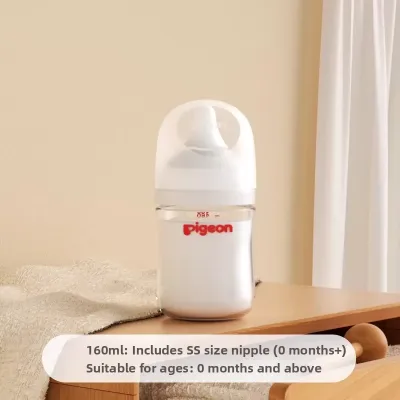
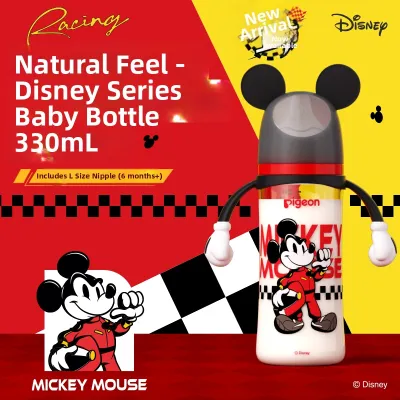
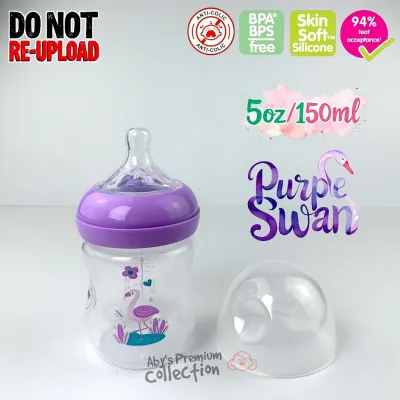
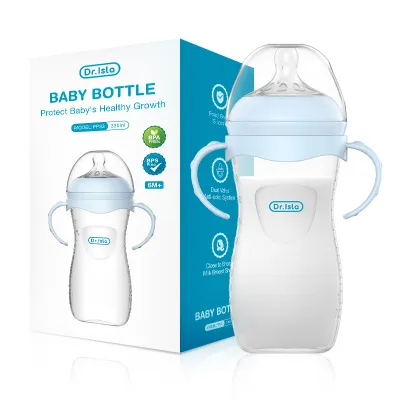
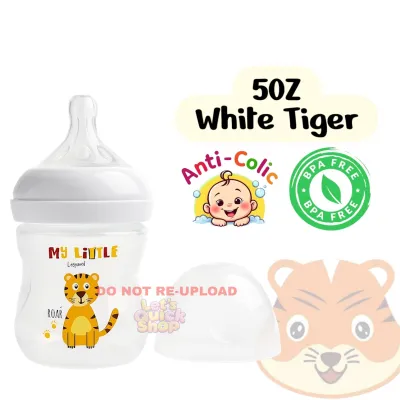
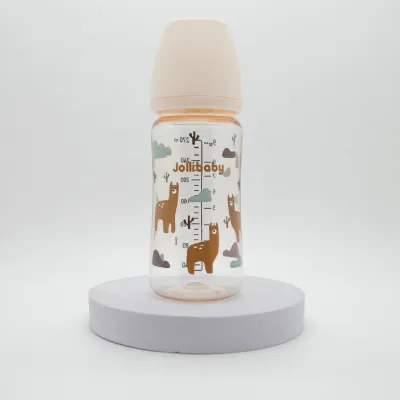
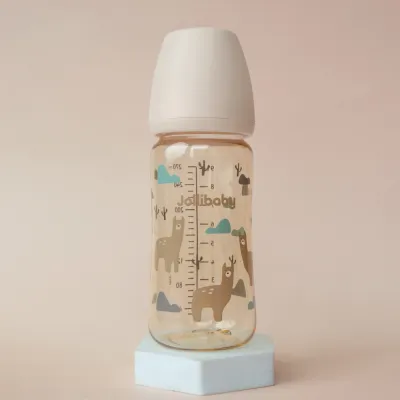
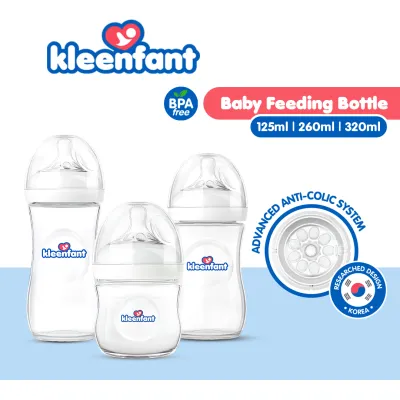
Prices are valid at publication and may change. Please refer to the product page for the latest price.
Despite these hygienic benefits, glass bottles present clear physical challenges, particularly regarding weight and fragility. Glass is significantly heavier than synthetic alternatives, which can tire a caregiver’s wrist during long, late-night feeding sessions. Furthermore, as your baby grows and begins to develop self-feeding milestones, the risk of dropping a heavy glass bottle increases, requiring constant, active caregiver supervision to prevent accidental breakage and injury.
For families who travel frequently or rely on daycare services, the weight and fragility of glass can make packing a diaper bag cumbersome. If you choose to use glass bottles outside the home, consider investing in protective silicone sleeves to help cushion minor impacts. However, in humid environments, these sleeves must be removed regularly during washing to prevent moisture from trapping underneath, which can lead to mold or mildew growth.
When sterilizing glass, thermal shock resistance is a critical factor to verify. Always check the manufacturer’s labels to confirm if the bottle is made from borosilicate glass, which is designed to withstand rapid temperature changes. Even with high-quality glass, avoid pouring boiling water directly into a cold bottle or placing a hot, sterilized bottle onto a cold countertop, as sudden temperature shifts can cause the material to crack or shatter.
Silicone Baby Bottles: Pros, Cons, and Best Use Cases
Silicone baby bottles represent a modern innovation designed to mimic the natural feel of breastfeeding. The soft, flexible, and squeezable body of a silicone bottle provides a tactile experience that many infants find comforting, making it a popular choice for parents navigating the transition from breast to bottle. This flexibility also allows babies to practice holding the bottle safely at an earlier developmental stage without the risk of heavy impacts.

Before purchasing, always verify the manufacturer’s documentation to ensure the bottle is constructed from high-quality, food-grade silicone. While the material is highly durable and shatterproof, its porous nature means it is more susceptible to absorbing odors from milk, dish soap, or sterilizing agents over time. Some parents also observe that silicone can discolor or stain when exposed to certain minerals in local water supplies or colored foods.
Cleaning silicone bottles requires a specific approach to maintain hygiene. The exterior of silicone naturally carries a slight static charge, which tends to attract dust, lint, and pet hair from the surrounding environment. To keep the bottles clean, they must be stored in a closed, dry cabinet immediately after drying, rather than being left exposed on an open drying rack for extended periods.
Additionally, the flexible walls of silicone bottles can make manual scrubbing more challenging. Standard stiff-bristle bottle brushes can slip or fail to apply even pressure against the pliable interior surface, potentially leaving behind a thin film of milk fat. To prevent this buildup, use a soft silicone brush or a sponge brush specifically designed for flexible bottles, and inspect the interior walls under direct light to ensure no residue remains before sterilization.
PPSU Baby Bottles: Pros, Cons, and Best Use Cases
Polyphenylsulfone (PPSU) is a high-performance, medical-grade plastic that has become a premium choice for modern bottle-feeding. Known for its distinct, natural amber or honey-colored tint, PPSU combines the lightweight convenience of standard plastic with the extreme durability and heat resistance of glass. It is highly shatterproof, easily surviving repeated drops onto hard kitchen tiles or concrete floors without cracking.
For parents who practice rigorous, high-heat sterilization, PPSU offers exceptional longevity. It can withstand hundreds of sterilization cycles—whether through boiling, steam, or UV sterilizers—without degrading, warping, or releasing harmful chemicals. Before purchasing, verify the manufacturer’s specifications regarding the maximum temperature limits and the recommended number of sterilization cycles to maximize the bottle’s lifespan.
Unlike standard plastics, PPSU is highly resistant to absorbing odors, stains, and milk fats, making it much easier to maintain over months of continuous use. However, because it is a premium material, PPSU bottles represent a higher upfront investment in ₱ compared to standard polypropylene options. Parents must evaluate whether this initial cost is justified by the bottle’s extended durability and reduced need for frequent replacements.
While PPSU is incredibly robust, it is not completely immune to wear. Over time, continuous exposure to high heat and cleaning agents can cause the material to lose its clarity or develop a cloudy appearance. Regularly inspect your PPSU bottles under good lighting; if you notice persistent cloudiness, deep scratches, or any structural changes in the neck or collar threads, consult the manufacturer’s guidelines to determine if it is time for a replacement.
Standard Plastic Baby Bottles: Pros, Cons, and Best Use Cases
Standard plastic baby bottles, typically made from polypropylene (PP) or polyethersulfone (PES), are the most widely available and budget-friendly options on the market. Their lightweight design makes them incredibly convenient for travel, quick outings, and early self-feeding. Because they are highly affordable, they are often the preferred choice for families managing multiple feeding stations or preparing bottles for daycare.
When selecting standard plastic bottles, your first step should always be to read the product labels to verify their BPA-free and BPS-free status. Identify the specific polymer type listed on the packaging, as PP and PES have different physical properties. PP bottles are generally softer and cloudier, while PES bottles are stiffer, slightly more heat-resistant, and often feature a faint yellowish tint.
Standard plastic is highly susceptible to physical wear, particularly micro-scratches caused by stiff-bristle cleaning brushes. These tiny, microscopic grooves can trap milk proteins, moisture, and bacteria, creating hygiene challenges that are difficult to resolve even with thorough washing. In warm, humid climates, these scratched areas can quickly become breeding grounds for mold if the bottles are not dried completely in a well-ventilated space.
To prolong the life of standard plastic bottles, strictly adhere to the manufacturer’s temperature limits during warming and sterilization. Subjecting PP bottles to temperatures beyond their rated limit can accelerate material degradation, causing the plastic to warp, soften, or develop a strong chemical odor. Inspect these bottles daily, and treat persistent cloudiness, deep scratches, or structural warping as immediate signals for replacement.
Decision Framework: Matching Material to Your Feeding Routine
Selecting the right baby bottle material requires balancing your daily lifestyle, safety priorities, and budget. Use this practical framework to determine which material aligns best with your household’s feeding routine:
- Choose Glass if: You prioritize maximum chemical stability, easy stain-free cleaning, and a long-lasting material that does not retain odors. This option is ideal if feeding primarily occurs at home on carpeted or cushioned surfaces, and you have the physical strength to handle heavier bottles safely during late-night feeds.
- Choose Silicone if: Your baby is transitioning from breastfeeding to bottle-feeding and benefits from a soft, squeezable texture that mimics natural feeding. This is a great choice if you want a lightweight, drop-proof bottle and are committed to using specialized soft brushes to prevent internal residue buildup.
- Choose PPSU if: You want a premium, lightweight, and highly durable bottle that can withstand frequent, high-heat sterilization without degrading. This is the best fit for busy parents who want the safety of a shatterproof bottle that lasts for months, and who are comfortable with a higher initial investment in ₱.
- Choose Plastic if: You need an ultra-lightweight, highly affordable option for travel, daycare, or occasional use. This works well if you are highly diligent about inspecting bottles daily and are prepared to follow a strict, frequent replacement schedule at the first sign of wear.
Before making your final decision, verify how your chosen bottle material fits into your existing feeding setup. If you travel frequently, lightweight options like PPSU or standard plastic will significantly lighten your diaper bag. If you rely on a specific bottle warmer, check the manufacturer’s instructions, as thick silicone or glass bottles transfer heat differently than thin plastic, which can affect warming times. Finally, if you use a UV sterilizer or a high-temperature steam sterilizer, ensure the bottle material and its accompanying parts are fully compatible with those specific sterilization methods.
Frequently Asked Questions (FAQ)
Can I mix different baby bottle materials for the same baby?
Yes, you can use different bottle materials for the same baby, but you should maintain absolute consistency in the nipple shape, material, and flow rate. Infants are highly sensitive to the texture and flow of the nipple; switching between different nipple styles can cause feeding confusion, fussiness, or gas. Keep the nipple consistent even if you alternate between a glass bottle at home and a lightweight PPSU bottle during travel.
Additionally, always check the manufacturer’s guidelines regarding cross-compatibility of parts. While some brands design their collars, caps, and nipples to fit interchangeably across their glass, plastic, and PPSU bottle lines, others do not. Never force mismatched parts together, as this can cause leaks, improper venting, or sudden spills during a feed.
How do I know when it is time to replace a plastic or PPSU bottle?
You should replace a plastic or PPSU bottle immediately if you observe clear visual signs of wear, such as persistent cloudiness, deep micro-scratches, or structural warping. Micro-scratches are particularly hazardous because they can harbor bacteria and mold that standard washing cannot reach. If the bottle’s neck or collar threads warp, the nipple may not seal correctly, leading to leaks or air ingestion.
You should also monitor the bottle for any lingering odors that remain even after thorough washing and sterilization. Always consult the manufacturer’s recommended lifespan guidelines for your specific bottle type. Standard PP bottles typically require replacement every few months of continuous use, whereas high-durability PPSU bottles can last significantly longer if they show no visible signs of degradation.

Community discussion
Share your experience or ask a question. Comments are reviewed before publication.