
When your child reaches two years of age, their relationship with their baby bottle changes dramatically. At this developmental stage, many toddlers are transitioning to open cups or straw cups, yet many families still rely on bottles for comfort, bedtime routines, or specific milk feeds. Choosing the right baby bottle material for a two-year-old is no longer just about colic prevention or nipple flow; it is primarily about durability, physical safety, and practical daily maintenance.
At two years old, toddlers are highly active, asserting their independence, and testing their physical limits. They frequently drop, throw, or chew on their belongings. For an active toddler who is constantly on the move, silicone is often the most practical and forgiving material due to its natural shock absorption and soft, chew-resistant texture. Glass offers unmatched material purity and longevity but presents a real shatter risk on hard floors unless paired with a protective sleeve and used under direct supervision. Plastic remains a lightweight and highly affordable option for travel or quick outings, but it requires vigilant inspection and a strict replacement schedule due to its susceptibility to scratching and wear.
Ultimately, there is no single material that fits every household perfectly. The ideal choice depends on your toddler’s specific habits, your home’s flooring, and your preferred cleaning routine. By understanding the distinct physical properties and safety considerations of glass, silicone, and plastic, you can select the option that best supports your toddler’s growing independence while keeping safety at the forefront.
Products mentioned in this guide
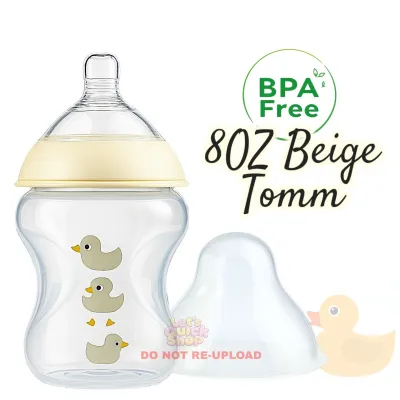
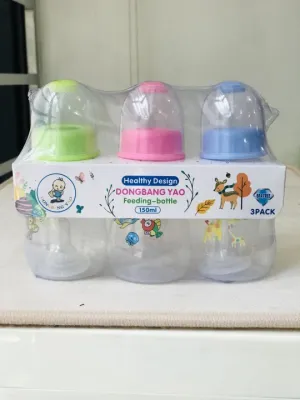
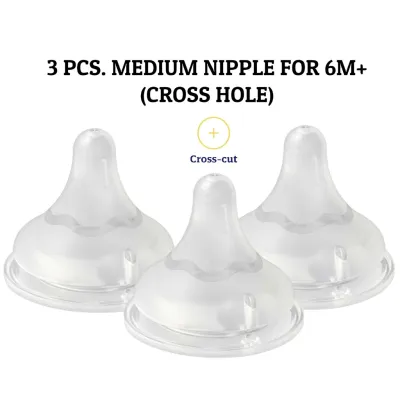
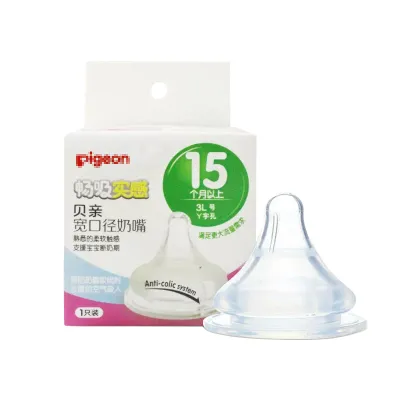
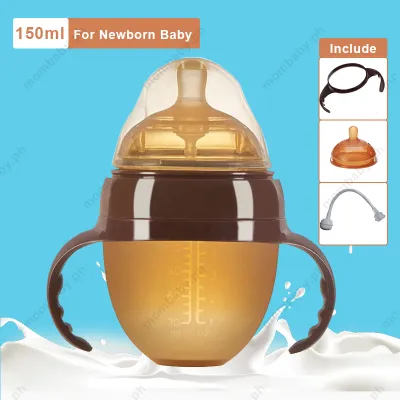
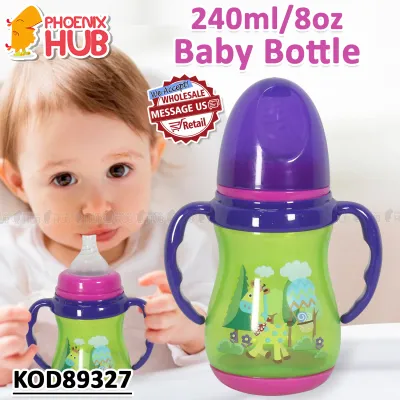
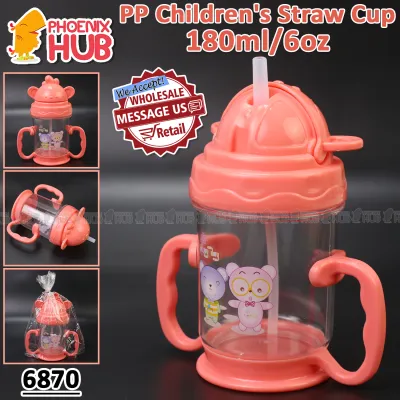
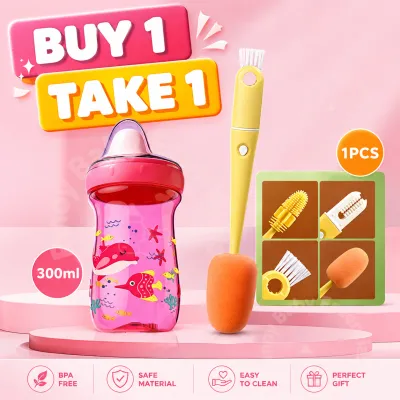
Prices are valid at publication and may change. Please refer to the product page for the latest price.
Glass, Silicone, and Plastic: Core Trade-Offs at a Glance
To help you quickly evaluate your options, the table below compares how glass, silicone, and plastic perform across the key physical dimensions that matter most when feeding an active two-year-old.
| Material | Weight | Drop Resistance | Chew Resistance | Relative Cost |
|---|---|---|---|---|
| Glass | Heavy | Low (Shatter risk) | High (Bottle body) | ₱₱₱ |
| Silicone | Moderate | High (Bounces) | Moderate to High | ₱₱ |
| Plastic | Light | Moderate (Can crack) | Low (Scratches easily) | ₱ |
At two years of age, developmental milestones directly influence how these materials perform in daily life. Toddlers are developing stronger gross motor skills, allowing them to carry their own drinks, but their coordination is still developing. This means bottles are frequently dropped from high chairs, tables, or toddler-height hands. Furthermore, two-year-olds typically have a near-complete set of primary teeth, including molars, giving them a surprisingly strong bite that can quickly degrade softer materials.
When choosing a bottle, always prioritize the manufacturer’s official guidelines. Before purchasing any bottle for a toddler, verify the manufacturer’s age, weight, and volume recommendations printed on the specific product packaging. Some bottles are designed strictly for infant use and may not feature the durable construction or larger volume capacities required for a growing toddler’s nutritional and developmental needs.
Evaluating Durability, Chew Resistance, and Grip
Drop Resistance and Shatter Risks
Evaluating drop resistance is crucial when selecting a bottle for a two-year-old. In many homes, especially in tropical climates, floors are made of hard ceramic tiles, polished concrete, or hardwood. When a bare glass bottle is dropped from a high chair or thrown during a toddler tantrum onto these unforgiving surfaces, the risk of shattering is high. Even tempered glass can break under sufficient impact, creating dangerous shards that pose an immediate safety hazard to everyone in the room.

To mitigate this risk, many parents utilize protective silicone sleeves. These sleeves slide over the glass body, absorbing shock and significantly reducing the likelihood of breakage during minor drops. Silicone bottles, by contrast, possess natural elasticity. When dropped, a silicone bottle simply bounces, eliminating any risk of shattering. Plastic bottles occupy a middle ground; while they will not shatter into sharp shards, repeated drops on hard surfaces can cause hairline cracks or weaken the structural integrity of the plastic, eventually leading to leaks or sudden breaks.
Chew Resistance and Material Wear
Teething does not stop in infancy; two-year-olds are still cutting second molars and frequently use their bottles to soothe sore gums. This makes chew resistance a primary safety concern. Silicone is highly flexible and durable, but it is not entirely immune to persistent chewing. Sharp toddler teeth can puncture or tear silicone nipples and spouts over time. If a toddler manages to tear a piece of silicone, it can quickly become a choking hazard.
Plastic components, particularly hard plastic spouts or collar rings, can also suffer from chewing. When a toddler bites down on hard plastic, they can create rough, jagged edges that can scrape their gums, lips, or tongue. Additionally, deep bite marks in plastic create microscopic crevices where bacteria can easily multiply, even after thorough washing. Caregivers must establish a habit of inspecting all bottle components daily, looking closely for any signs of tearing, deep gouges, or structural weakness, and discarding compromised parts immediately.
Weight and Grip for Toddler Hands
A full 8-ounce or 9-ounce glass bottle is relatively heavy, especially for a small child to hold single-handedly. In warm, humid weather, condensation can form on the exterior of a cold glass bottle, making it slippery and difficult for a toddler to grip securely. If a toddler drops a heavy glass bottle onto their own foot or face while drinking, it can cause pain or minor injury.
Silicone bottles offer a distinct advantage in this area. The material has a natural, slightly tacky texture that provides an excellent, non-slip grip for small hands, even when wet. Silicone is also lighter than glass, making it much easier for a toddler to manage independently. Plastic is the lightest material of all, allowing toddlers to carry their bottles effortlessly. However, because plastic is very smooth, it can easily slip out of soapy or sweaty hands, leading to frequent drops.
Cleaning, Sterilization, and Wear-and-Tear Checks
Sterilization Compatibility and Heat Limits
Maintaining strict hygiene is essential, particularly in warm, humid environments where bacteria can multiply rapidly on damp surfaces. However, different materials react differently to high-temperature sterilization methods, such as boiling water, electric steam sterilizers, or UV sterilizers. Glass is exceptionally heat-tolerant and non-porous, meaning it can withstand repeated, high-heat sterilization cycles without degrading, warping, or releasing unwanted odors.
Silicone is also highly heat-resistant and generally compatible with steam and boiling water. However, silicone can sometimes absorb food odors or soapy tastes if washed with heavily scented dish soaps. Plastic is the most sensitive to heat. Many plastics have lower temperature thresholds; exposing them to excessive heat during sterilization can accelerate the aging of the material, causing it to warp, become brittle, or degrade. Always check the manufacturer’s labels on the physical packaging for specific boiling, steam, or UV sterilizer temperature limits and time restrictions to ensure you do not inadvertently damage the bottle.
Visual Inspection Routines
To ensure ongoing safety, establish a simple visual inspection routine before every feeding. Look for the following signs of material degradation:
- Cloudiness: If a plastic or silicone bottle remains cloudy or discolored even after a thorough wash, it may indicate that the material is breaking down or harboring mineral buildup and micro-residues.
- Deep Scratches: Inspect the interior and exterior walls. Deep scratches, especially in plastic, are prime breeding grounds for bacteria and make proper cleaning nearly impossible.
- Cracks and Chips: Carefully run your fingers along the rim and base of glass bottles to check for tiny chips or hairline cracks that could worsen under pressure.
- Odor Retention: If a bottle retains a sour milk smell even after sanitizing, the material's surface may be compromised.
- Texture Changes: If silicone components feel sticky, gummy, or unusually stiff, the material has reached the end of its usable lifespan.
Stopping Conditions: When to Discard Immediately
Knowing when to stop using a bottle is critical for your toddler’s safety. You must stop using a bottle immediately and discard it if you observe any of the following conditions:
- For Glass: Any visible chip, hairline crack, or deep internal scratch. Never attempt to use a damaged glass bottle, even with a protective sleeve.
- For Silicone: Any puncture, tear, or split in the bottle body, spout, or nipple. If the silicone feels sticky or has a persistent gummy residue that cannot be washed away, discard it immediately.
- For Plastic: Any deep scratches on the inner surface, warping from heat exposure, or cracks near the collar that cause leaks.
Final Decision Framework: Which Material Should You Choose?
To finalize your decision, consider your family’s lifestyle, your home environment, and your toddler’s specific physical habits. Use this checklist to guide your choice:
- Choose Glass if… Your toddler primarily drinks milk while seated and supervised, you prioritize maximum material purity, you want a bottle that is exceptionally easy to clean without retaining odors, and you are comfortable using a protective silicone sleeve to minimize shatter risks.
- Choose Silicone if… Your toddler is highly active, frequently drops or throws their bottle, is actively teething and prone to chewing on bottle parts, and you want a lightweight, highly durable option with a natural, non-slip grip.
- Choose Plastic if… You need a lightweight, highly portable bottle for travel or daycare, you are working within a tighter budget, and you are committed to a strict routine of inspecting and replacing the bottles at the first sign of wear.
- Verify first if… Before making any purchase, check the physical packaging to verify specific brand safety certifications, clear BPA/BPS-free labels, and age-appropriate volume and flow ratings to ensure the bottle is fully suitable for a two-year-old.
Frequently Asked Questions (FAQ)
Can a 2-year-old safely use a glass bottle without a silicone sleeve?
Using a bare glass bottle for a two-year-old carries significant safety risks. At this age, toddlers frequently drop objects from high chairs or play tables onto hard surfaces like tile or concrete, which can cause bare glass to shatter instantly. If you choose to use glass without a protective sleeve, reserve it strictly for supervised, stationary feeding where your child is seated securely, and check the manufacturer’s impact resistance claims on the packaging.
How often should I replace silicone or plastic bottles for a toddler?
There is no universal calendar timeline for replacing toddler bottles, as lifespan depends heavily on usage frequency, cleaning methods, and your child’s teething habits. Instead of relying on a strict calendar rule, base your replacement decisions on visible wear and tear, such as deep scratches, cloudiness, persistent odors, or bite marks. Always follow the specific manufacturer’s lifespan and care recommendations printed on the product packaging to ensure optimal safety.

Community discussion
Share your experience or ask a question. Comments are reviewed before publication.