
When preparing formula with an automatic milk maker like the Baby Brezza, selecting the right bottle material is a crucial decision for your baby’s daily feeding routine. There is no single universal winner among glass, polypropylene (PP), and polyphenylsulfone (PPSU). Instead, the safest and most practical option depends on how you clean, sterilize, and handle the bottles, as well as how well they physically fit your specific machine model.
Each material offers distinct physical properties, heat tolerances, and wear patterns. By understanding these characteristics, parents can make an informed choice that balances chemical stability, physical durability, and daily convenience. This guide breaks down the science behind each material and provides a practical framework to help you choose the best fit for your family.
Understanding Material Safety and Durability
Modern infant feeding standards require bottles to be free from bisphenol A (BPA) and other harmful chemical plasticizers. While baseline chemical safety is a given for reputable brands, the long-term safety of a baby bottle is dynamic and depends heavily on how the material degrades over time.
Products mentioned in this guide
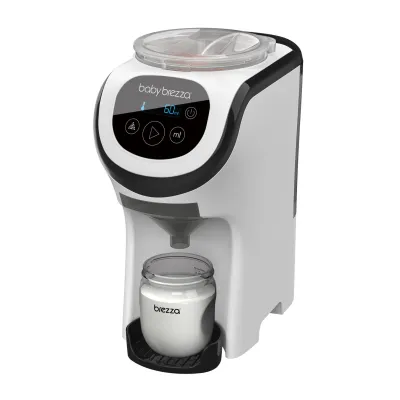
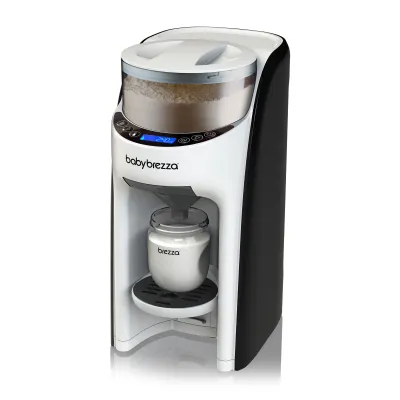
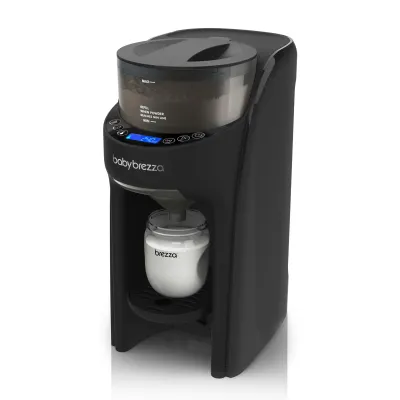
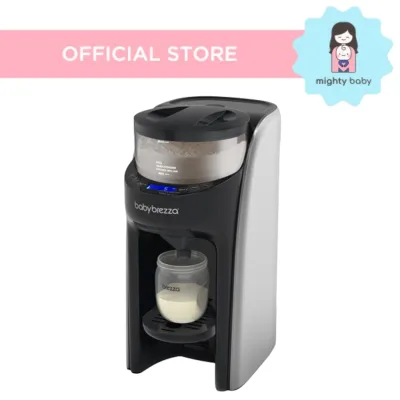
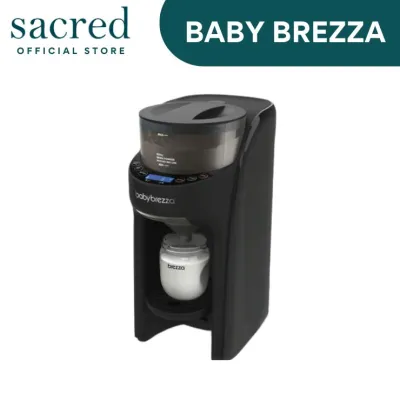
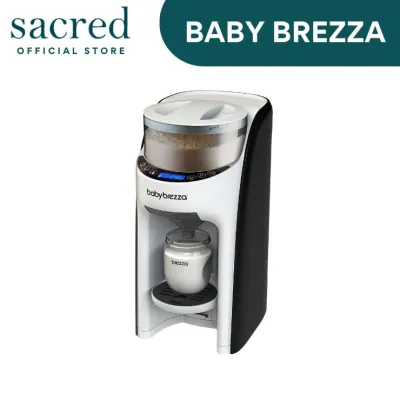
Prices are valid at publication and may change. Please refer to the product page for the latest price.
Every time a bottle is washed, heated, and sterilized, the material undergoes physical stress. Micro-scratches can develop on the inner surfaces of plastic bottles, creating tiny crevices where milk fats, mineral deposits, and bacteria can accumulate. Consequently, maintaining a bottle’s safety requires monitoring its physical condition and adhering strictly to the manufacturer’s temperature limits.
In tropical climates where high humidity can accelerate the growth of mold and bacteria in damp environments, choosing a material that is easy to dry thoroughly is essential. Understanding the physical limits of glass, PP, and PPSU allows you to establish a hygienic routine that keeps your baby’s feeding equipment clean and safe.
Glass Bottles
Glass is widely regarded as the gold standard for chemical inertness and stability. Because it is non-porous, glass does not absorb odors, retain stains from formula fats, or leach chemicals even when exposed to high temperatures during sterilization.
Another major advantage of glass is its resistance to scratching. You can use bottle brushes repeatedly without worrying about creating micro-scratches on the interior surface, which simplifies long-term hygiene. This exceptional durability means high-quality glass bottles can often be used for a long time, provided they remain free of physical damage.
However, the primary trade-offs of glass are its weight and fragility. Glass bottles are significantly heavier than plastic alternatives, making them more difficult for older infants to hold independently. There is also a constant risk of shattering if dropped on hard surfaces, such as the tile floors common in many homes. Additionally, glass is susceptible to thermal shock, meaning sudden, extreme temperature changes can cause the material to crack or break.
PP (Polypropylene) Bottles
Polypropylene, commonly known as PP, is a lightweight, semi-crystalline plastic widely used in standard baby bottles. Its primary appeal lies in its shatterproof nature and affordability. PP bottles are highly resilient to drops, making them an excellent option for travel, outdoor use, or when your baby is learning to hold their own bottle.
Despite these practical benefits, PP is a softer plastic compared to other materials. It is highly susceptible to developing micro-scratches from stiff nylon bottle brushes or abrasive cleaning sponges. Over time, repeated exposure to hot water and steam sterilization causes PP to degrade, resulting in a cloudy appearance, warping, or a persistent greasy film from formula residue.
Because of this relatively rapid physical degradation, PP bottles require more frequent replacement than glass or PPSU. When purchasing PP bottles, parents should always check the packaging to verify the manufacturer’s maximum heat tolerance limits and ensure they carry certified BPA-free labels.
PPSU (Polyphenylsulfone) Bottles
Polyphenylsulfone, or PPSU, is a premium medical-grade plastic known for its high durability and distinct natural amber or honey-colored tint. It combines the best attributes of both glass and plastic, offering a lightweight, shatterproof body with exceptional heat resistance and physical hardness.
PPSU can withstand repeated high-temperature sterilization—including steam, boiling, and UV methods—without warping, degrading, or releasing chemical byproducts. Its hard surface is highly resistant to scratching, meaning it maintains its clarity and hygienic integrity much longer than standard PP bottles.
The primary drawback of PPSU is its premium price point. PPSU bottles require a higher initial ₱ investment compared to PP, which can add up when purchasing a full set. Parents must also be diligent about buying from reputable distributors or specialty baby stores to ensure they are receiving authentic, certified PPSU products rather than cheap imitations.
Verifying Compatibility with Your Baby Brezza Model
Before purchasing a large set of bottles, it is essential to verify how they physically interact with your Baby Brezza milk maker. The machine prepares and dispenses warm formula directly into the bottle, which requires a secure, stable fit on the adjustable drip tray.

Consult the official Baby Brezza user manual or the manufacturer’s website to check for approved bottle brands, neck widths, and height limits. Because glass bottles are significantly heavier than plastic ones, you must ensure your machine’s drip tray is securely clicked into place. A heavy, full glass bottle can cause an improperly secured tray to slip, leading to spills or hot water splashes.
Furthermore, the bottle’s neck width must align properly with the machine’s dispensing funnel. If the bottle opening is too narrow, formula powder and water may splash onto the outer rim, creating a sticky mess. In humid tropical environments, any moisture buildup around the dispensing nozzle can cause the formula powder to clump, which compromises the accuracy of the machine’s mixing ratio.
If you notice that a bottle wobbles, does not sit flush on the tray, or sits too close to the funnel outlet, stop using that specific bottle shape immediately. Using an incompatible bottle can interfere with the machine’s sensors or cause formula to overflow, leading to inconsistent feeding portions.
Cleaning, Sterilization, and Replacement Signals
Maintaining a strict cleaning routine is vital for infant health, regardless of the bottle material you choose. Always rinse bottles with cool water immediately after a feeding to prevent milk proteins and fats from drying and sticking to the inner walls.
When washing, use a dedicated baby bottle brush with soft silicone bristles rather than stiff nylon, as silicone is much less likely to scratch plastic surfaces. Avoid using abrasive scouring pads or harsh household detergents. For sterilization, always refer to the bottle manufacturer’s instructions to confirm compatibility with steam sterilizers, boiling water, or UV sterilizing cabinets.
In warm, humid climates, drying is just as important as sterilizing. Damp bottles left on a drying rack can quickly become breeding grounds for mold and mildew. Ensure all bottle parts are completely dry before assembling them or placing them under the Baby Brezza dispenser.
Regularly inspect your bottles for physical wear. For glass, look for hairline cracks, chips around the rim, or deep scratches. For PP and PPSU, check for persistent cloudiness, stubborn odors, warping, or cracked collars. If you detect any of these visual or tactile signals, retire the bottle immediately to maintain a safe, hygienic feeding routine.
Decision Framework: Which Material Fits Your Routine?
To choose the right bottle material, consider your baby’s developmental stage, your daily sterilization habits, and your budget.
- Choose Glass if: You prioritize maximum chemical stability, primarily feed a newborn who cannot yet hold the bottle, have a secure kitchen setup with soft flooring or silicone bottle sleeves, and prefer a material that does not degrade over time.
- Choose PP if: You need a lightweight, highly affordable option for travel, daycare, or outdoor use, and you are willing to inspect and replace the bottles every few months as they show signs of wear.
- Choose PPSU if: You want a highly durable, lightweight bottle that can withstand frequent, rigorous high-heat sterilization, and you are comfortable making a higher upfront ₱ investment for long-lasting quality.
Before buying any bottle type in bulk, test a single bottle with your Baby Brezza milk maker to ensure it sits securely on the tray and aligns perfectly with the dispensing funnel. This simple check prevents unnecessary expenses and ensures a smooth, hassle-free formula preparation process.
Frequently Asked Questions (FAQ)
Can I use any brand of glass bottle with the Baby Brezza Formula Pro?
No, you cannot use just any brand of glass bottle. Compatibility depends entirely on the bottle’s height, neck width, and base diameter. The bottle must sit flat and stable on the adjustable drip tray and align perfectly with the funnel outlet. Always consult the official Baby Brezza compatibility chart or test a single bottle before purchasing a full set.
Does boiling water damage PP or PPSU bottles over time?
Yes, repeated exposure to boiling water will gradually degrade plastic bottles, though PPSU resists this damage much better than PP. PP has a lower heat tolerance and will become cloudy, warped, or brittle more quickly under high heat. To maximize the lifespan of your bottles, always adhere to the exact boiling times and temperature limits specified by the manufacturer.
How often should I replace plastic baby bottles?
As a general rule, standard PP bottles should be replaced every 3 to 6 months, while high-quality PPSU bottles can last up to 6 to 12 months with proper care. However, you should not rely solely on a calendar timeline. Inspect the bottles daily and replace them immediately if you notice deep scratches, persistent cloudiness, warping, or sour odors.

Community discussion
Share your experience or ask a question. Comments are reviewed before publication.