
When choosing a newborn baby bottle, there is no single “safest” material, as glass, plastic, and silicone each meet strict safety standards when manufactured and used correctly. The best choice depends on how you balance priorities like weight, durability, heat resistance, and your daily feeding routine. This guide breaks down the practical trade-offs of each material to help you make an informed decision for your baby.
In the tropical climate of the Philippines, where high humidity can affect how we wash, dry, and store baby gear, choosing the right bottle material involves practical daily considerations. Whether you are sterilizing bottles multiple times a day in a steam sterilizer or preparing a quick night feed in a warm room, understanding how glass, plastic, and silicone behave under these conditions is essential. By looking closely at how each material performs during cleaning, sterilization, and daily handling, you can select a bottle that fits seamlessly into your household routine.
Baseline Safety Checks for Any Newborn Bottle
Before comparing the physical differences of glass, plastic, and silicone, it is crucial to understand the baseline safety standards that apply to all legitimate baby bottles. Regardless of the material you choose, any bottle intended for a newborn must comply with food-grade or medical-grade manufacturing standards. These standards ensure that the materials do not leach harmful chemicals into breast milk or infant formula during preparation, heating, or storage.
Products mentioned in this guide
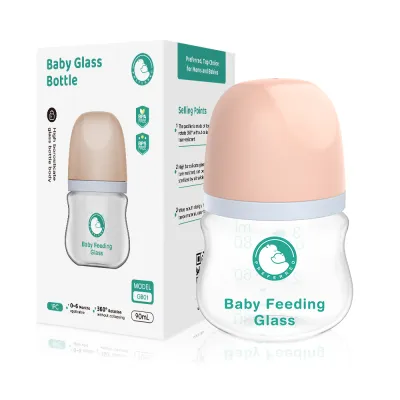
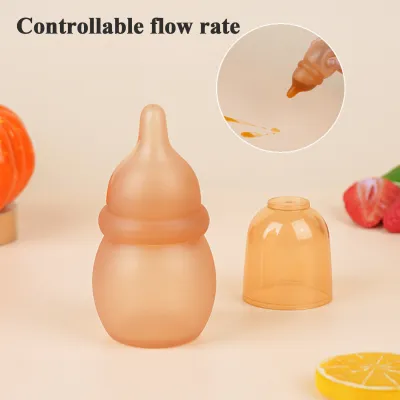
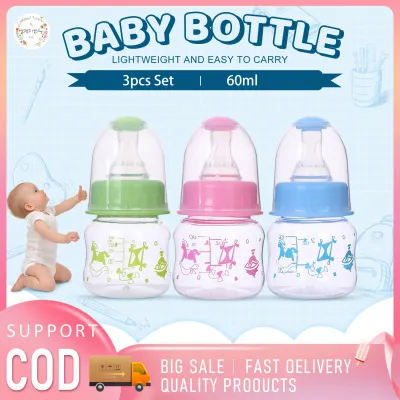
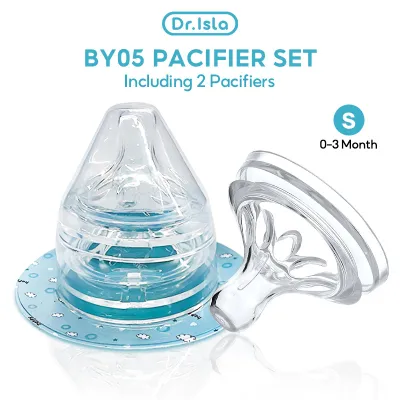
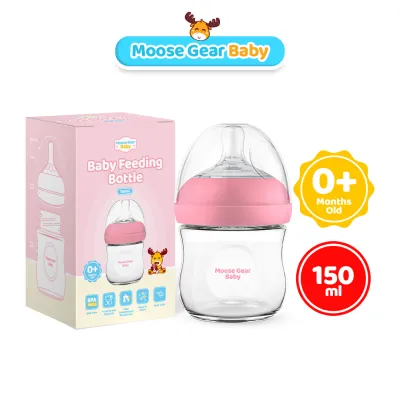
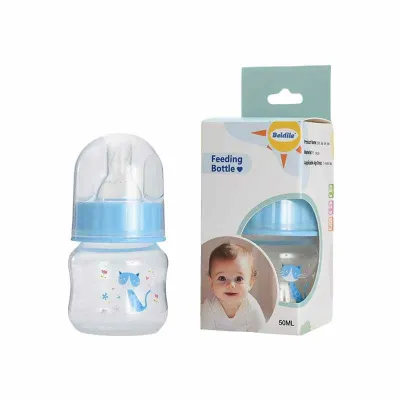
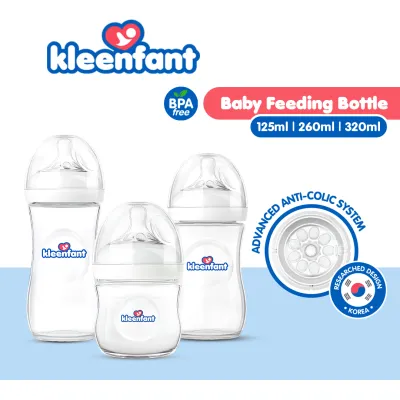
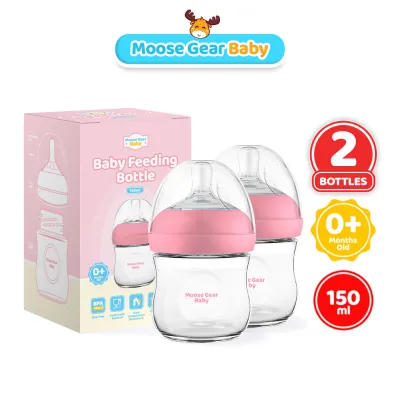
Prices are valid at publication and may change. Please refer to the product page for the latest price.
When shopping for bottles, your first step should always be to verify that the product is explicitly labeled as BPA-free. In addition to BPA, look for labels indicating the bottle is free from BPS (Bisphenol S) and phthalates, which are sometimes used as plasticizers. These safety labels are typically printed clearly on the outer packaging or molded directly onto the bottom of the bottle itself.
Beyond chemical safety, you must check the manufacturer’s specific guidelines regarding age recommendations, heat tolerance limits, and sterilization instructions. Newborns require slow-flow nipples and smaller bottle sizes, usually ranging from 2 to 5 ounces, to prevent overfeeding and minimize air intake. Furthermore, different materials have varying thresholds for heat. Some plastics can degrade if subjected to prolonged boiling or high-temperature steam sterilization, while glass and silicone generally tolerate extreme heat much better. Always read the insert manual to confirm the maximum temperature your chosen bottle can safely withstand before sterilizing it for the first time.
Glass Baby Bottles: Purity vs. Weight
Glass baby bottles have long been favored by parents who prioritize chemical purity and longevity. Because glass is a non-porous material, it does not absorb odors, colors, or residues from breast milk or formula. This makes glass bottles exceptionally easy to clean thoroughly, even in humid tropical environments where milk residues can quickly spoil and create stubborn smells if not washed immediately. You can use glass bottles for multiple children over several years without worrying about the material clouding, scratching, or degrading from repeated scrubbing.

However, the primary trade-offs of glass are its weight and fragility. Glass bottles are significantly heavier than plastic or silicone alternatives, which can make feeding sessions tiring for sleep-deprived parents, especially during late-night or early-morning feeds. This weight also means that as your baby grows, they will find it much harder to hold the bottle independently. The risk of breakage is a constant concern; dropping a glass bottle on hard tile floors—common in many Philippine homes—can result in dangerous shards of glass that are difficult to clean up completely.
To mitigate these risks, safe handling practices are essential. Many parents choose to use protective silicone sleeves, which slip over the glass body to provide a better grip and absorb the impact of minor drops. Additionally, you must avoid extreme temperature shocks. Pouring boiling water directly into a cold glass bottle, or transferring a hot bottle immediately into cold water, can cause the glass to crack or shatter. Always allow the bottle to cool down gradually after sterilization before filling it with milk or formula.
Plastic Baby Bottles: Convenience vs. Lifespan
Plastic baby bottles are highly popular due to their lightweight convenience and affordability. For parents who are constantly on the go, traveling, or preparing night feeds in a daze, a lightweight, shatterproof bottle is incredibly practical. If a plastic bottle slips from your hands or is knocked off a table, there is no risk of shattering, making it a highly forgiving option for busy households. This lightweight nature also makes it easier for older infants to eventually hold the bottle themselves under close supervision.
When choosing plastic, it is important to understand that not all plastics are the same. High-quality baby bottles are typically made from polypropylene (PP), polyphenylene sulfone (PPSU), or polyethersulfone (PES). PP is the most common and affordable option, though it is softer and more prone to scratching. PPSU and PES are medical-grade plastics that offer superior heat resistance, durability, and a distinct honey-colored tint. Regardless of the type, you must regularly inspect plastic bottles for signs of wear. Deep scratches, cloudiness, or a stubborn odor are clear indicators that the plastic is degrading and needs to be replaced.
The main drawback of plastic bottles is their limited lifespan and the potential for microplastic shedding. Over time, repeated washing, scrubbing with bottle brushes, and exposure to high heat during sterilization can cause the plastic to wear down. To minimize microplastic shedding, avoid using boiling water or harsh abrasive brushes on plastic bottles. Instead, use warm water, mild baby-safe dishwashing liquid, and a soft silicone brush. Be prepared to replace plastic bottles more frequently than glass or silicone options to maintain optimal hygiene and safety.
Silicone Baby Bottles: Comfort vs. Cost
Silicone baby bottles represent a modern middle ground, offering a unique combination of flexibility, durability, and safety. Made from food-grade or medical-grade silicone, these bottles feature a soft, squeezable texture that mimics the natural feel of a mother’s breast. This skin-like texture can be highly beneficial for newborns who are transitioning between breastfeeding and bottle-feeding, as it provides a familiar tactile experience. The flexible body also allows parents to gently squeeze the bottle to assist with milk flow if necessary, though this should be done with caution.
In terms of durability, silicone is highly resilient. It is virtually unbreakable, making it just as safe as plastic when dropped on hard floors. Silicone also boasts excellent heat resistance, allowing it to withstand high-temperature steam sterilization, boiling water, and dishwasher cycles without degrading or releasing harmful chemicals. Because it is non-porous like glass, silicone does not easily retain odors or stains, making it a hygienic choice for daily use in warm, humid climates where bacteria can multiply rapidly on poorly cleaned surfaces.
Despite these benefits, silicone bottles have a few notable drawbacks. The soft, flexible material can sometimes make the bottle unstable when placed on a flat surface, increasing the risk of accidental spills during preparation. Silicone also has a natural tendency to attract dust and lint, requiring parents to rinse the outside of the bottle more frequently. Additionally, silicone bottles tend to have a higher upfront cost compared to standard plastic options. When choosing a silicone bottle, it is also crucial to ensure it features an effective anti-colic venting system, as the flexible walls can sometimes collapse during feeding if not properly vented.
Comparing Glass, Plastic, and Silicone
To help you quickly weigh the physical and practical trade-offs of each material, the table below summarizes the key characteristics of glass, plastic, and silicone baby bottles.
| Feature | Glass Bottles | Plastic Bottles (PP/PPSU) | Silicone Bottles |
|---|---|---|---|
| Weight | Heavy | Very Lightweight | Lightweight |
| Breakability | High (can shatter) | Shatterproof | Shatterproof |
| Heat Resistance | Excellent | Moderate to High | Excellent |
| Expected Lifespan | Long (years) | Short (3 to 6 months) | Moderate to Long |
| Typical Price Range | ₱300 – ₱900 | ₱150 – ₱600 | ₱500 – ₱1,200 |
| Best Suited For | Home use, long-term durability | Travel, daycare, budget-conscious | Breast-to-bottle transition, comfort |
Note: Prices are approximate and can vary based on the brand, bottle size, and retail outlet in the Philippines.
How to Choose the Right Material for Your Routine
Selecting the right bottle material ultimately comes down to how you manage your daily feeding and cleaning routine. If you primarily feed your newborn at home, have hard tile floors protected by rugs, and want a material that will last for years without absorbing odors, glass is an excellent choice. The purity of glass offers peace of mind, provided you are comfortable with the heavier weight and take precautions against accidental drops.
On the other hand, if you travel frequently, rely on daycare, or want an affordable option that is easy to pack in a diaper bag, plastic bottles are highly practical. They are lightweight and durable, making them ideal for on-the-go parents. Just be sure to inspect them regularly and replace them at the first sign of wear. If you are looking for a bottle that mimics the soft feel of breastfeeding and offers high heat resistance without the weight of glass, silicone is a premium option worth the investment.
Many parents find that mixing materials is the most practical solution. For example, you might use glass bottles at home where you can safely wash and sterilize them, and keep lightweight plastic or silicone bottles in your diaper bag for outings or visits to relatives. Remember that regardless of the bottle body material, the nipple shape, material, and flow rate are often what matter most to your newborn. A baby may reject a specific bottle not because of the glass or plastic body, but because the nipple flow is too fast or the shape does not suit their latch. Be prepared to try a few different nipple styles to find the perfect match for your newborn.
Frequently Asked Questions (FAQ)
Can I mix different bottle materials for my newborn?
Yes, mixing different bottle materials is generally safe and highly practical for many families. You can easily use glass bottles at home for their durability and ease of cleaning, while keeping lightweight plastic or silicone bottles in your diaper bag for travel or daycare. The key to a successful transition between different bottles is ensuring that the nipple shape, material, and flow rate remain consistent. Newborns are highly sensitive to changes in nipple design, so keeping the nipple style identical across different bottle bodies will help prevent feeding confusion and ensure a comfortable latch.
How often should I replace plastic or silicone bottles?
The replacement frequency depends heavily on the material and how often the bottles are used and sterilized. As a general guideline, plastic bottles made of PP should be replaced every 3 to 6 months, while high-grade plastics like PPSU and silicone can last longer if properly maintained. However, you should always inspect bottles daily for visual and tactile signs of degradation. Replace any bottle immediately if you notice cloudiness, deep scratches, discoloration, cracks, or a sticky surface. Always refer to the manufacturer’s specific care instructions and replacement timelines to ensure the ongoing safety of your newborn’s feeding equipment.

Community discussion
Share your experience or ask a question. Comments are reviewed before publication.