
Choosing the right bottle material to pair with your Baby Brezza milk machine is a decision that directly impacts your daily feeding flow, cleaning routine, and peace of mind. While an automated formula maker simplifies preparation by dispensing warm formula at the touch of a button, the physical interaction between the machine and your bottle requires careful consideration. Glass, plastic, and silicone each interact differently with the machine’s dispensing tray, height clearance, and temperature settings.
To find the perfect match, you must look beyond marketing claims and evaluate how each material handles the physical demands of automated dispensing. A bottle that is too tall might not clear the funnel, while one with an unstable base could tip over and spill precious formula. By understanding the unique characteristics of glass, plastic, and silicone, you can select a bottle that ensures a seamless, mess-free feeding experience every single time.
Understanding Baby Brezza Milk Machine Compatibility Requirements
To ensure a seamless experience with your babybrezza milk machine, you must first understand the physical and operational limits of the device. The machine is designed to dispense a precise mixture of water and formula powder directly into a bottle placed on its adjustable tray. If the bottle does not fit securely or align perfectly with the funnel, you risk spills, inaccurate measurements, or uneven mixing.
Products mentioned in this guide
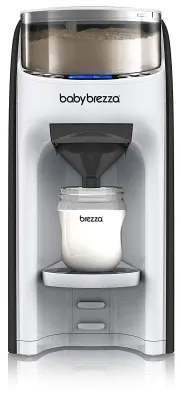
Prices are valid at publication and may change. Please refer to the product page for the latest price.
The first physical constraint to evaluate is the height clearance of your specific machine model. The adjustable drip tray is designed to accommodate various bottle sizes, but extremely tall or wide-necked bottles may struggle to slide under the funnel. Before purchasing new bottles, measure the maximum height clearance from the tray at its lowest setting to the bottom of the dispensing funnel. This ensures you do not buy bottles that require awkward tilting, which can lead to spills during or after the dispensing cycle.
Neck width is another critical factor for proper alignment. Wide-neck bottles generally offer a larger target for the falling stream of formula, reducing the risk of splashes. However, if the neck is exceptionally wide, it may press against the back column of the machine, preventing the bottle from sitting centered under the funnel. Narrow-neck bottles fit easily on the tray but require precise centering to ensure the formula stream enters the opening cleanly without hitting the outer rim.
Heat tolerance is also a key consideration, particularly if you utilize the machine’s warmer settings. The dispensed liquid is typically warmed to body temperature or slightly higher, meaning the bottle material must be capable of receiving warm liquid without warping or releasing unwanted chemicals. While most modern baby bottles are designed to handle warm liquids, verifying the manufacturer’s temperature ratings is a crucial safety step.
Finally, accurate volume scales on the bottle are essential for verifying the machine’s output. While the milk machine is calibrated to dispense specific ounce or milliliter increments, you should regularly cross-check the dispensed volume against the bottle’s physical markings. Clear, durable, and easy-to-read measurement lines allow you to quickly confirm that the machine is functioning correctly and dispensing the proper ratio of water to powder.
In tropical climates like the Philippines, high humidity can cause formula powder to clump if moisture enters the dispensing area. Ensuring your bottle is completely dry on the outside before placing it on the tray helps prevent rising steam or moisture from traveling up into the powder funnel. A damp bottle base can also cause slippage on the plastic tray, making stability a top priority for local parents.
Comparing Glass, Plastic, and Silicone Bottles for Formula Feeding
Each bottle material brings a distinct set of physical properties to your automated formula preparation routine. Understanding how glass, plastic, and silicone behave under daily use, cleaning, and sterilization will help you choose the material that best aligns with your lifestyle and your machine’s design.

Glass Bottles
Glass bottles are highly valued by parents seeking a durable, chemical-free option that stands the test of time. When used with an automated formula maker, glass bottles offer exceptional stability on the dispensing tray. Their heavy base ensures they remain firmly in place, minimizing the risk of tipping or shifting while the machine is actively dispensing warm formula.
In terms of temperature management, glass possesses excellent heat retention properties. Once the machine dispenses warm formula, a glass bottle can help maintain that comfortable temperature for a slightly longer period compared to thin plastic. This is particularly useful if you need to carry the prepared bottle to another room or if your baby takes brief pauses during a feeding session.
Cleaning and hygiene are where glass truly excels, especially in warm, humid environments. Glass is naturally non-porous, meaning it does not absorb odors, stains, or residues from formula fats. It can withstand frequent, high-temperature steam sterilization or boiling without degrading, clouding, or warping. This makes it an incredibly hygienic choice for long-term use across multiple developmental stages.
However, the primary trade-off with glass is its weight and susceptibility to breakage. A heavy glass bottle can be tiring to hold during long, late-night feeds, and there is always a risk of shattering if dropped on hard tile floors. Additionally, as your baby grows and begins to show interest in holding their own bottle, the weight of glass may make independent feeding more challenging and require closer caregiver supervision.
Plastic Bottles
Plastic bottles remain a highly popular choice for formula feeding due to their lightweight convenience and practical design. For parents managing multiple tasks at once, the feather-light weight of plastic makes it incredibly easy to handle, pack in a diaper bag, or pass to a caregiver. This lightweight nature is especially appreciated during exhausted, middle-of-the-night feeding sessions.
When selecting plastic bottles for use with your formula maker, verifying that they are labeled as BPA-free is an essential safety step. Modern high-quality plastics, such as polypropylene (PP) or polyphenylsulfone (PPSU), are engineered to withstand the warm temperatures dispensed by the machine. However, plastic is inherently softer than glass, making it susceptible to micro-scratches from bottle brushes over time.
These micro-scratches can harbor formula residue and bacteria, and they may cause the plastic to look cloudy or discolored after repeated use. Furthermore, the printed volume scales on plastic bottles can gradually fade or rub off after multiple rounds of washing and sterilization. This fading makes it difficult to visually verify the accuracy of the machine’s dispensed formula volume, signaling that it is time to replace the bottle.
In tropical regions, plastic bottles must be dried thoroughly in a well-ventilated area after sterilization to prevent mold or mildew from developing in hard-to-reach crevices. While plastic is highly resilient to drops and impacts, its shorter lifespan compared to glass means you will need to monitor the material closely for signs of wear and tear, replacing bottles as soon as degradation becomes visible.
Silicone Bottles
Silicone bottles have gained significant traction due to their soft, squeezable texture, which closely mimics the natural feel of breastfeeding. This flexible material can be highly beneficial for babies transitioning between breast and bottle, or for those who prefer a more tactile feeding experience. The squishy texture also makes it easy for tiny hands to grip and squeeze during feeds.
However, when paired with an automated formula maker, silicone bottles present unique structural considerations. Because silicone is flexible, some bottles may have a slightly unstable or narrow base that can wobble on the machine’s plastic dispensing tray. It is crucial to ensure that the specific silicone bottle you choose can stand upright independently and securely under the dispensing funnel without tipping over when empty.
Silicone is highly heat-tolerant and can easily withstand the sterilization temperatures required to keep baby gear safe. It does not crack or shatter like glass, nor does it scratch as easily as plastic. However, the matte surface of silicone can sometimes attract lint, dust, or hair, especially in humid environments, requiring a quick rinse before placing it on the machine’s tray.
To maintain silicone bottles properly, parents must ensure they are thoroughly washed with mild soap to remove any oily formula residue, which can cling to the silicone surface. Because silicone is semi-porous compared to glass, it can occasionally retain food odors if not cleaned promptly. Checking the manufacturer’s specific cleaning instructions will help preserve the integrity and clarity of the silicone over time.
Matching Bottle Materials to Your Family's Feeding Routine
Selecting the right bottle material is not just about machine compatibility; it is also about how well the material fits into your family’s daily rhythm. Your choice should reflect your baby’s current developmental stage, your primary feeding environments, and your long-term budget.
For families who handle the majority of feedings at home, particularly during the quiet hours of the night, stability and ease of cleaning may be the top priorities. In this scenario, glass bottles paired with a stationary formula maker offer a highly reliable and hygienic setup. The heavy glass base ensures the bottle stays put on the tray, and the ease of sterilization provides peace of mind when preparing multiple feeds in a row.
If your daily routine involves frequent travel, visits to relatives, or sending supplies to a daycare center, the lightweight durability of plastic or silicone becomes highly advantageous. Carrying multiple glass bottles in a diaper bag can quickly become heavy and risky, whereas plastic and silicone bottles can be tossed into a bag without fear of breakage. For on-the-go convenience, lightweight materials are often the most practical choice.
Your baby’s developmental milestones should also guide your material selection. Around the middle of their first year, many babies begin attempting to hold their own bottles. Transitioning to lightweight plastic or soft, grippable silicone during this phase encourages independent motor skills while preventing accidental injuries from a dropped heavy bottle. Many parents choose to start with glass in the early months and transition to plastic or silicone as their baby becomes more active.
Budget is another practical factor to weigh against durability. While glass bottles often carry a higher upfront cost, their resistance to scratching and degradation means they rarely need to be replaced unless broken, making them a cost-effective long-term investment. Plastic bottles are generally more affordable initially but require more frequent replacement due to scratching and fading measurement lines. Silicone sits in the middle, offering excellent durability but requiring careful maintenance to prevent odor retention.
How to Verify Safety and Compatibility Before Use
Before fully integrating any new bottle into your automated formula preparation routine, performing a few simple safety and compatibility checks will prevent messy spills and ensure accurate feeding. Never assume a bottle will fit perfectly based on brand reputation alone; physical verification is always the safest approach.
Start by consulting the official user manual for your babybrezza milk machine. The manufacturer often provides guidelines regarding compatible bottle heights, neck styles, and tray placements. Checking these official recommendations first can save you time and prevent the purchase of incompatible bottles that do not align with the dispensing funnel.
Next, perform a visual alignment check. Place your chosen empty bottle on the machine’s adjustable tray and slide it directly under the funnel. Verify that the center of the bottle opening aligns perfectly with the dispensing nozzle. If the bottle sits at an angle, wobbles, or forces the funnel to bend, do not proceed with dispensing, as this can cause hot water and powder to spray outside the bottle.
To test the physical stability of the setup, perform a dry run using only water. Set the machine to dispense a small volume of water into the empty bottle. Observe how the bottle behaves as the liquid enters; it should remain perfectly still on the tray without vibrating, shifting, or tilting. This test allows you to verify that the tray can support the weight of the bottle as it fills, ensuring a safe and stable dispensing cycle.
Finally, always cross-check the volume markings on your bottle with the machine’s output. Dispense a set amount of water into the bottle and verify that the liquid level matches the corresponding ounce or milliliter line on the bottle’s scale. If you notice significant discrepancies, or if the bottle leaks, wobbles, or fails to sit securely on the tray, stop using that specific bottle model and consult the manufacturer for guidance.
Frequently Asked Questions (FAQ)
Can I use any bottle brand with a Baby Brezza milk machine?
While the babybrezza milk machine is designed to accommodate a wide variety of bottle brands, physical fit remains the primary constraint. The bottle must fit securely on the adjustable tray, clear the dispensing funnel, and align perfectly with the nozzle to prevent spills. It is highly recommended to consult your machine’s user manual for a list of tested and approved bottle shapes to ensure optimal dispensing accuracy and safety.
Do silicone bottles stay upright on the formula maker tray?
The stability of silicone bottles on the dispensing tray depends heavily on the design of the bottle’s base. Some silicone bottles feature a wider, reinforced plastic or rigid silicone base that provides excellent stability, while others with narrow or highly flexible bases may wobble. To ensure safety, always test your empty silicone bottle on the machine’s tray to verify it stands firmly upright before using it for an automated feed.
How often should I replace plastic or silicone bottles?
Plastic bottles should generally be replaced if you notice micro-scratches, persistent cloudiness, or faded measurement lines that make accurate reading difficult. Silicone bottles should be inspected regularly for signs of material degradation, such as a sticky texture, discoloration, or tears in the silicone. Regularly inspecting your feeding gear ensures high standards of hygiene and prevents leaks or inaccurate formula preparation.

Community discussion
Share your experience or ask a question. Comments are reviewed before publication.