
Choosing the right bottle material for a two-year-old involves balancing safety, durability, and daily practicality. At this developmental stage, toddlers are highly active, eager to assert their independence, and prone to throwing or dropping their cups and bottles. While glass is often celebrated for its superior hygiene, silicone or high-quality plastic is generally the most practical and safest choice for an active two-year-old who frequently drops objects.
The ideal bottle material for your child depends heavily on their level of physical independence, motor skills, and how closely they are supervised during meal times. If your toddler is highly active and enjoys walking or running while drinking, a shatterproof material like silicone or plastic prevents accidents on hard floors. Conversely, if bottle time only occurs while cuddled in your arms or sitting securely in a high chair, glass remains a viable option. Balancing these behavioral factors with the physical properties of each material will help you make the safest decision for your household.
What Matters Most for a 2-Year-Old's Bottle?
At two years of age, a toddler’s developmental milestone includes refined grip strength but still-developing hand-eye coordination. Toddlers at this stage love to test gravity, and a bottle can quickly become a projectile during a tantrum or a playful moment. Furthermore, bottle feeding for 2 years old is often a transitional phase as children learn to use open cups or straw cups, meaning the bottles they do use must support self-feeding without causing frustration.
Products mentioned in this guide
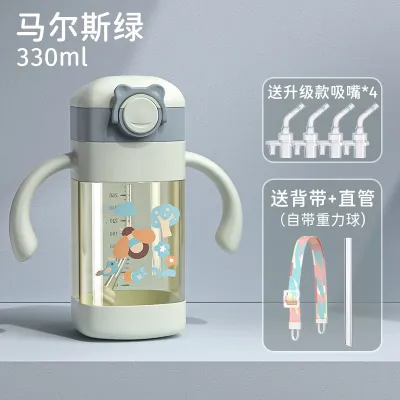
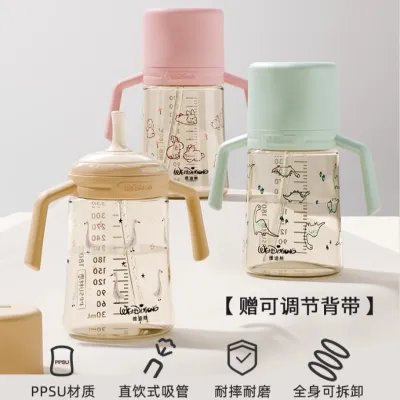
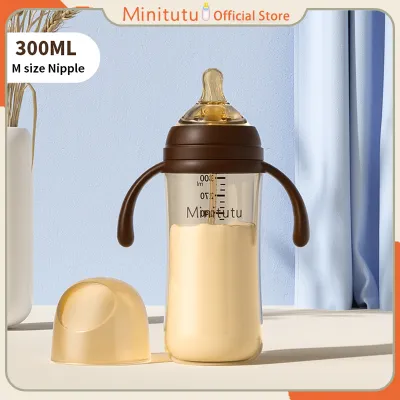
Prices are valid at publication and may change. Please refer to the product page for the latest price.
When evaluating bottle materials for this age group, several core decision dimensions must be prioritized:
- Shatter Resistance: The bottle must withstand repeated high-impact drops. In many households, especially those with hard ceramic tile, polished concrete, or terrazzo floors, a dropped bottle is highly likely to break if made of fragile material.
- Weight and Ergonomics: A bottle that is too heavy can tire out small hands, leading to accidental drops. Lightweight designs encourage independent holding and proper drinking angles.
- Chemical Safety: Caregivers must verify that any selected bottle is free from harmful chemicals. Look for packaging explicitly labeled as BPA-free (Bisphenol A) and BPS-free (Bisphenol S).
- Ease of Cleaning: In warm, humid tropical climates, milk residues can quickly spoil and harbor bacteria or mold. Bottles with simple designs, wide necks, and minimal crevices are much easier to clean and dry thoroughly.
Before purchasing any bottle, always check the manufacturer’s age recommendations, weight specifications, and safety warnings on the packaging to ensure it aligns with your toddler’s current developmental stage.
Glass Bottles: Hygienic but Heavy and Fragile
Glass has long been a traditional choice for infant feeding, valued primarily for its purity and longevity. For a two-year-old, however, the physical characteristics of glass present distinct advantages and significant safety challenges.

The Pros of Glass
Glass is highly hygienic because its non-porous surface does not retain odors, flavors, or stubborn milk fats. It is exceptionally easy to sterilize at high temperatures, whether you use boiling water, a steam sterilizer, or a dishwasher. Because glass does not degrade over time from heat exposure, a single set of high-quality glass bottles can last for years without clouding or scratching, completely eliminating concerns regarding chemical leaching.
The Cons of Glass
The primary drawback of glass for a toddler is its weight and fragility. Glass bottles are significantly heavier than plastic or silicone alternatives, which can make them difficult for a two-year-old to hold independently for extended periods. More importantly, glass poses a severe safety risk of shattering if dropped onto hard floors or thrown from a high chair, potentially leaving sharp shards that can injure both the child and caregivers.
Toddler Suitability
Glass bottles are best reserved for supervised feeding sessions or for calmer toddlers who have outgrown the phase of throwing objects. Many parents attempt to mitigate the risk of breakage by using protective silicone sleeves. While these sleeves improve a toddler’s grip and offer minor protection against low-impact bumps, they do not make glass entirely shatterproof. If you choose glass, always verify the manufacturer’s specific drop-test claims and ensure the protective sleeve covers the majority of the bottle’s surface.
Plastic Bottles: Lightweight but Requires Careful Selection
Plastic bottles are incredibly popular due to their convenience and low cost, making them a staple in many households. However, utilizing plastic bottles for older toddlers requires a clear understanding of the material’s limitations and maintenance needs.
The Pros of Plastic
Plastic is exceptionally lightweight, making it very easy for a two-year-old to carry around, tilt, and drink from without assistance. It is completely shatterproof, meaning it will not break or crack when thrown against tile floors or dropped on outdoor pavement. Additionally, plastic bottles are highly budget-friendly and widely available in various designs, making them an accessible option for busy families.
The Cons of Plastic
On the downside, plastic is a porous material that easily absorbs food odors, stains, and oils over time. It is highly prone to scratching, especially when cleaned with stiff-bristled bottle brushes. These microscopic scratches can harbor bacteria and mold, which thrive and multiply rapidly in warm, humid environments. There are also ongoing concerns regarding chemical degradation when plastic is subjected to high heat.
Toddler Suitability
Plastic is highly practical for active, independent toddlers, particularly for outdoor use, travel, or daycare. To ensure safety, caregivers must strictly verify “BPA-free” and “BPS-free” labels on the product packaging. Avoid heating plastic bottles in the microwave or exposing them to extreme sterilization temperatures unless explicitly approved by the manufacturer’s instructions. Finally, make it a habit to inspect the bottles regularly and discard any plastic bottle that becomes heavily scratched, cloudy, or shows signs of material degradation.
Silicone Bottles: Soft, Safe, and Squeeze-Friendly
Silicone is a modern, flexible material that has gained immense popularity in toddler feeding products. It bridges the gap between the chemical purity of glass and the shatterproof convenience of plastic.
The Pros of Silicone
Silicone is completely shatterproof, highly durable, and lightweight. It features a soft, grippy, and slightly squishy texture that is pleasant for toddlers to hold, which can be particularly comforting for children experiencing sensory transitions. High-quality food-grade silicone is exceptionally heat-resistant, allowing it to be sterilized safely without the risk of warping or releasing harmful chemicals.
The Cons of Silicone
Despite these benefits, silicone bottles tend to be more expensive than plastic options. The material is also prone to retaining strong odors, particularly if soapy water or milk is left inside for too long. Furthermore, because the bottle body is soft, an energetic two-year-old can easily squeeze it, which may force liquid out of the nipple and create unexpected spills and messes around the house.
Toddler Suitability
Silicone is an excellent choice for toddlers who frequently drop their bottles but still require a lightweight, chemically inert option. To prevent messes, look for silicone bottles designed with a rigid internal or external plastic collar that helps the bottle maintain its shape and stand upright when filled. Always verify that the product is certified food-grade silicone before purchasing.
Glass vs. Plastic vs. Silicone: Feature Comparison
To help you quickly compare the physical properties of these three materials, the table below outlines how they perform across key criteria relevant to toddler feeding.
| Material | Shatter Resistance | Weight | Odor & Stain Retention | Heat Resistance | Best Toddler Profile |
|---|---|---|---|---|---|
| Glass | Very Low | Heavy | Excellent (Does not retain) | High | Supervised toddlers; calm environments |
| Plastic | High | Very Lightweight | Poor (Prone to stains/smells) | Moderate | Active toddlers; outdoor use; budget-conscious |
| Silicone | High | Lightweight | Moderate (Can retain soap/milk smells) | High | Independent toddlers; drop-prone children |
Disclaimer: Specific product specifications, including exact heat thresholds, microwave safety, dishwasher compatibility, or proprietary drop-test ratings, vary by brand. Always verify these details on the individual product’s packaging and follow the manufacturer’s official guidelines.
Decision Framework: Which Bottle Should You Buy?
To finalize your purchasing decision, consider your toddler’s daily habits, your home environment, and your cleaning preferences. Use the following condition-based guide to choose the best option:
- Choose Silicone if: Your toddler is highly active, frequently drops or throws their bottle, and you want a shatterproof, durable option that offers chemical peace of mind. This is ideal if you do not mind paying a slightly higher price for a long-lasting, heat-resistant bottle.
- Choose Plastic if: You need a highly lightweight, budget-friendly, and unbreakable bottle for independent drinking on the go. This option works best if you are committed to hand-washing gently to avoid scratches and are willing to replace the bottles regularly as they wear out.
- Choose Glass if: You prioritize absolute hygiene, ease of sterilization, and odor resistance above all else. This is suitable if your toddler is calm, always supervised during feeds, or primarily drinks while seated at the dining table.
- Verify first if: You are unsure about the specific plastic grade or silicone quality. Always inspect the physical packaging for safety certifications, clear age guidelines, and care instructions before introducing a new bottle to your child.
Frequently Asked Questions (FAQ)
When should I transition my 2-year-old away from bottles?
General pediatric guidelines typically recommend weaning children from bottles to sippy cups, straw cups, or open cups between 12 and 18 months of age. Prolonged bottle use past this window can impact dental alignment, increase the risk of tooth decay, and affect speech development. However, every child develops at their own pace. If your two-year-old is still attached to their bottle, consult your pediatrician or a pediatric dentist for personalized transition strategies.
Are silicone bottles safe to boil for sterilization?
Pure, high-quality food-grade silicone is highly heat-resistant and can safely withstand boiling water temperatures. However, many silicone bottles feature plastic collar rings, caps, handles, or internal venting valves that may warp, melt, or degrade when subjected to prolonged boiling. To prevent damage and ensure safety, always disassemble the bottle completely and check the manufacturer’s specific temperature limits and sterilization instructions before boiling.
How do I safely remove milk odors from plastic or silicone bottles?
To remove stubborn milk odors safely, soak the disassembled bottle parts in a mixture of warm water and baking soda for several hours, or rinse them with a mild solution of diluted white vinegar followed by a thorough wash with dish soap. Always allow the parts to air dry completely in a well-ventilated area. Avoid using harsh chemical cleaners, bleach, or highly abrasive scrubbers, as these can permanently damage the materials and create micro-scratches that harbor bacteria.

Community discussion
Share your experience or ask a question. Comments are reviewed before publication.